


Unexpected Fees: A Growing Concern for Travelers
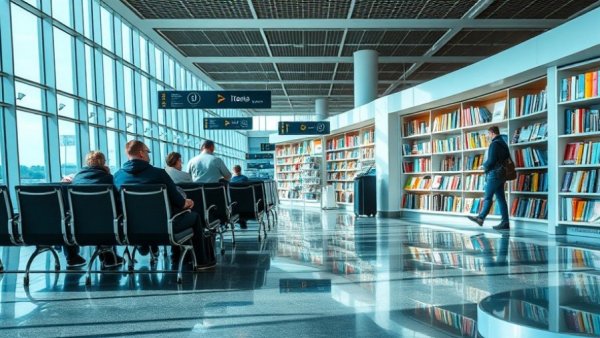
Imagine gearing up for a much-needed trip, excitedly picking up a book to pass the time during your flight, only to find you're hit with an unexpected surcharge at the checkout. This unfortunate occurrence recently took place at New York's John F. Kennedy International Airport, where a traveler shared their experience of encountering a surprise 3% surcharge on a bookstore receipt. The traveler, who was simply trying to grab a reading material for their early morning flight, highlighted what many see as a frustrating reality for travelers everywhere. This incident unearthed not just a singular complaint but a wave of frustration among travelers who are increasingly confronted with hidden or unexpected fees when shopping at airport concessions.
What Sparked the Outrage?
The individual, preparing for an early morning flight, purchased a book only to discover an additional charge tacked onto their bill. The 3% surcharge, described as supporting employee benefits, certainly took this traveler by surprise and led others to express outrage on social media. Comments like, "This hidden fee stuff is out of control" echoed a sentiment that many airport users are grappling with. In a world where transparency in pricing is expected, each unexpected fee can feel like a loss of trust between consumers and retailers. The incident, shared on platforms like Reddit, opened the floodgates for discussions about the transparency of fees and the necessity of clearer pricing practices in a space that caters to a captive audience of travelers.
The Purpose Behind the Charges
On closer examination, airport retailers like Hudson argue that such surcharges help them navigate the high costs of operating within the unique airport environment. With rising costs from minimum wage legislation and increased expectations for employee treatment, these fees are often presented as necessary to maintain operations. Bryan Gildenberg, a retail industry expert, noted that these charges are not gratuities but rather a way for businesses to manage labor costs that would otherwise be passed directly to consumers. The Port Authority of New York and New Jersey confirmed its authorization of this surcharge, which was implemented over a year ago as a means to support wage increases for airport employees. The charge appears controversial yet might be understandable within the context of airport economics, particularly for travelers keen on supporting fair labor practices.
A Culture of Transparency: The Expectations of Consumers
As consumers, we place value on honesty and transparency in costs. This cultural expectation makes unexpected charges particularly irksome. When airports and their vendors fail to communicate these costs clearly, it triggers backlash, as demonstrated on Reddit and other social platforms. The readiness of travelers to voice their concerns suggests a societal shift towards demanding clearer pricing practices—a necessary evolution in today’s consumer landscape. This discontent has also sparked conversations about whether consumers should start advocating for policy changes that require companies to disclose additional fees more explicitly, mimicking successful consumer protection movements in other industries.
The Broader Implications for Travelers
For many Louisianans over the age of 60, travel can be a source of great joy and personal fulfillment. However, with this joy can come confusion and frustration regarding pricing practices. Experts suggest that travelers need to adjust their approach and become savvier about shopping within airports. It might be wise to purchase necessities before reaching the airport and remain aware that costs may be substantially higher within airport confines. Gildenberg's advice, encapsulated in the phrase "caveat emptor"—let the buyer beware—serves as a reminder of the realities inherent in airport shopping. With fixed incomes for many seniors, being aware of these extra costs is even more crucial.
Alternatives and Tips for Savvy Travelers
Not all hope is lost for savvy travelers. To avoid these fees and ensure you’re getting the best possible value for your money, consider these practical tips: - **Plan Your Purchases:** Make a shopping list of items you know you'll want, including snacks and reading materials, and try to buy them before arriving at the airport. - **Bring Your Snacks:** Pack a small bag of treats from home. Not only will this save you money, but it can also be a comforting reminder of home during your travels. - **Do Your Shopping Ahead:** Take advantage of grocery stores or local shops near your home to stock up on your favorite books and snacks before heading to the airport. This simple act can save both money and the unexpected frustration of extra surcharges. If you're heading to a specific destination, research local shops to find regional specialties to bring along as well.
Reflecting on Consumer Discontent
This incident with the bookstore at JFK isn't just a singular issue—it represents an emerging pattern of consumer discontent with rising costs in various sectors. As more travelers confront these types of charges, we could see calls for regulatory changes to improve pricing transparency not just in airports but throughout retail environments. Many travelers wish to ensure that what they see on a price tag reflects the final cost they’ll be expected to pay, fostering a relationship of trust between themselves and vendors.
Ultimately, understanding the complexities behind additional fees and navigating them is part of modern travel. Awareness allows for more informed decisions and could lead to happier travel experiences—rather than being surprised by unexpected additional costs. So next time you embark on a journey, keep a weather eye on those receipts. And while you shop, remember to pack a little extra patience along with your belongings. Being prepared can make all the difference in keeping your travels enjoyable and stress-free.




Write A Comment