


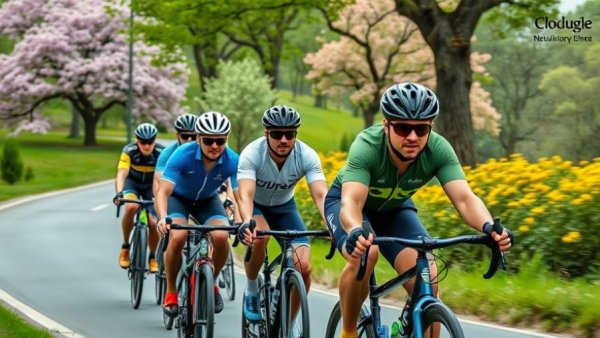
Tragic Cycling Incident in North Carolina: A Closer Look
A bright Sunday morning took a devastating turn in Wake County, North Carolina, when a driver careened into a group of cyclists, resulting in one fatality and multiple injuries. Known for its picturesque cycling routes, this tragedy has struck a chord not only among local cyclists but also resonates deeply across various communities, including in areas like Louisiana, where many share a passion for outdoor activities like cycling. The supportive cycling culture often helps individuals find camaraderie while enjoying the great outdoors, and incidents like this can dim the spirit of this beloved pastime.
A Day That Started with Promise
The incident occurred at approximately 9:39 a.m. on Optimist Farm Road. Cyclists, about 30 strong, were enjoying the fresh air and camaraderie that comes from a group ride. The warm morning promised a pleasant outing until disaster struck. A black Infiniti vehicle, operated by 76-year-old Donald Robert Morris-Jones, drifted across the center line, crashing into the unsuspecting cyclists. Most suffered injuries that ranged from minor scrapes to serious conditions, with some transferred to the hospital for urgent care. Witness accounts describe a scene that quickly turned from vibrant and lively to chaotic, highlighting the urgency of the situation, as some cyclists called for immediate help while others checked on their fallen companions.
The Victim and Community Response
Patrick Allen Turner, 63, from Cary, was identified as the cyclist who lost his life. His passing has evoked a wave of sorrow in North Carolina’s cycling community and beyond. Cycle North Carolina expressed solidarity in a heartfelt Facebook post: "Our hearts are with Patrick’s family and friends... We cannot begin to imagine the pain and shock they are experiencing." A sense of unity emerged as cycling groups began to organize memorial rides and services to honor Turner's memory, reminding many of the community aspect that is so vital to cycling culture. In Louisiana, communities could similarly consider honoring lost cyclists through local memorials or gatherings that strengthen the bond between riders.
The Broader Impact on the Cycling Community
Indeed, this tragedy is a reminder of the vulnerability that cyclists face on roadways, sparking calls for greater awareness and safety measures among drivers. For many who enjoy cycling as a form of exercise and leisure, tragedies like this serve as a harsh wake-up call about the need for enhanced vigilance—not just from cyclists themselves but also from the drivers who share these roads. Advocates in various regions, including Louisiana, are encouraged to lobby local officials for improved bike lanes and safer road designs, creating environments that are more accommodating to cyclists.
The Legal Consequences: What Happens Next?
Following the incident, Morris-Jones was charged with multiple serious offenses, including felony death by vehicle and driving while impaired. The North Carolina State Highway Patrol (NCSHP) suspect that impairment played a crucial role in this tragic accident. As this case progresses through the legal system, community members are paying close attention to how justice is served. Families affected by this incident might find solace in knowing that conversations about stricter penalties for impaired driving could arise as a result, potentially preventing future tragedies. As state laws continue to evolve in response to such tragedies, this case could ignite discussions on how to better protect cyclists and enforce stricter consequences for irresponsible driving that endangers lives.
Reflections from the Community
The aftermath of the crash has left many in the North Carolina cycling scene feeling vulnerable. Shaun King, board chair of Bike Durham, shared his concerns about the safety of cyclists: "This harm that our community members are feeling right now could have happened to any of us." This sentiment echoes widely, especially in areas where locals frequently engage in recreational cycling, similar to the experiences shared by Louisiana residents over 60, who cherish their active lifestyles. The stark realization that any routine ride can quickly turn dangerous encourages riders to advocate for stronger safety measures while fostering solidarity in their local cycling communities.
Empowering Cyclists: Safety First
The reality is that cycling accidents are more prevalent than most care to admit. However, the cycling community can promote safety through awareness and advocacy. Organizations like Bike Durham emphasize the importance of defensive riding and ensuring that drivers maintain a cautious distance while passing. For seasoned cyclists in Louisiana, the grief stemming from Patrick Turner’s death can be transformed into a renewed commitment to cycling safety and outreach. Cycle safety clinics, mandatory helmet use discussions, and cooperative awareness initiatives can help create a more informed biking culture that prioritizes prevention over reaction.
Looking Forward: Creating a Safe Future for Cyclists
This tragic event shines a spotlight on the need for community members to look out for one another on the roads. Whether through organized rides, safety seminars, or local policy advocacy, there are numerous ways for cyclists and their supporters to come together and push for safer roadways. As Louisiana residents age, maintaining their active lifestyles is paramount—thus, fostering a culture of safety can extend the joys of cycling without fear of tragedy. Encouraging dialogue between cyclists and local government can lead to the establishment of safer biking routes, ultimately empowering both individuals and communities.
What Can You Do?
As we remember Patrick Allen Turner, let’s use this moment as a catalyst for change. Bicycle safety awareness events can be organized at local parks or community centers in Louisiana. Hosting discussions about cycling laws, safety standards, and best practices can go a long way in ensuring that lives are not lost due to negligence. Together, we can push for a future in which cyclists are protected and celebrated, allowing everyone to enjoy the outdoors safely. Community engagement can also extend to school programs for youth cyclists, helping instill a sense of responsibility and caution from a young age.





Write A Comment