


Understanding the Near Miss at LAX
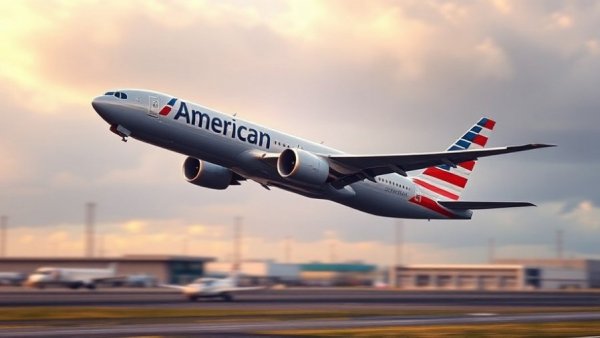
In a concerning incident that took place shortly after midnight on November 7, two passenger jets—an Air France flight and an American Airlines flight—narrowly avoided disaster after departing Los Angeles International Airport (LAX). The Air France aircraft made an unauthorized left turn shortly after takeoff, leading to a tense exchange between air traffic controllers and flight crews. Thankfully, the quick actions of air traffic control minimized what could have been a devastating mid-air collision, sparking discussions on aviation safety that resonate with travelers everywhere.
A Look at the Events Unfolding
The close call occurred due to an unannounced move by the Air France Flight 28. According to the Federal Aviation Administration (FAA), the plane made a turn it had not been cleared for, bringing it dangerously close to American Airlines Flight 1660, which had taken off from a parallel runway. Reports indicate that they came within a mere 400 feet of each other and less than a mile apart—an alarmingly close distance in aviation terms. For those unfamiliar with aviation, such proximity is akin to two cars almost colliding at high speeds; this incident serves as a reminder of how crucial communication and compliance with protocols are in aviation safety.
The Importance of Air Traffic Control
The incident highlights the critical role that air traffic control plays in maintaining safety in our skies. Audio recordings of the event reveal controllers frantically guiding the crews involved: “Air France 028 heavy, fly heading of 270 immediately,” a controller directed. This was a rapid response to a potentially catastrophic situation, showcasing the skill and vigilance of professionals managing the airspace. Think of air traffic controllers as the unsung heroes in the complex world of aviation. They work tirelessly to orchestrate the movements of hundreds of airplanes every day, often under challenging circumstances, to prevent accidents and ensure that all passengers arrive at their destinations safely.
The Technicalities of Standard Procedures
Each aircraft is required to follow specific Standard Instrument Departure (SID) procedures to ensure safety. In this incident, the Air France crew was instructed to follow the SUMMR TWO departure procedure but diverged from it without warning. This misstep could have had tragic consequences, and the FAA is likely to conduct a thorough investigation. Steven Arroyo, a retired airline captain, emphasized the rare nature of such close calls but acknowledged that they are becoming more frequent at major airports like LAX. His insights into aviation add a layer of context, revealing that while incidents like this are "very, very rare," they underline the need for constant vigilance among flight crews and air traffic controllers alike.
The Aftermath and Moving Forward
Following the intervention of air traffic control, the Air France plane was successfully redirected, avoiding a collision. The timely response not only prevented immediate danger but also highlighted the need for enhanced training and adherence to protocols in the aviation sector. As important, this incident prompts a discussion about air safety measures and protocols in our increasingly busy skies. Arroyo noted that “the air traffic controller did an exceptional job,” a sentiment that speaks to the expertise required to manage such intense situations. Moving forward, there's a shared commitment among aviation professionals to evaluate existing safety measures and strive for even higher standards to mitigate these kinds of risks.
Lessons Learned for Frequent Travelers
For those who love to travel, incidents like this underscore the reliability of air travel, even amid rare, critical situations. Understanding the rigor and protocols involved in flight safety can offer peace of mind for passengers. It’s always best to stay informed and engage with the news, which helps to demystify the flying experience. Remember, every time you board a plane, you are benefitting from decades of advanced technology and strict regulations designed with passenger safety as the top priority. Awareness of these safety measures adds a layer of comfort during your journey.
Looking Forward: Enhancing Air Travel Safety
As air traffic volumes continue to rise, there’s an increasing call for advancements in technology and systems that support air traffic control. Ensuring that such incidents do not recur is paramount, not just to maintain safety but also to preserve the public's trust in air travel. From advancements in radar technology to enhanced communication systems, the aviation industry is continuously seeking ways to improve operational safety. The incident at LAX serves as a catalyst for discussions on how to innovate and adapt current air traffic management strategies to prevent future close calls.
As a resident of Louisiana, examining and discussing these types of aviation incidents can provide deeper insights into the safety mechanisms at play during your next trip. Even in the midst of thrilling travel adventures, keeping an eye on the intricacies of flight safety helps us all appreciate the industry’s dedication to public safety. Whether you're jet-setting to visit family or heading off to explore new places, knowledge of aviation safety can enhance your travel experience.
In the world of travel, ensuring that you’re informed about such incidents can lead to a more enjoyable and secure flying experience. So, the next time you board a flight, take a moment to appreciate the innumerable safety protocols that work tirelessly behind the scenes—keeping us all safe as we traverse the skies. What happened in this instance is a stark reminder that while flying may be one of the safest modes of travel, the need for diligence and expertise remains ever-present in the vast tapestry of air transportation.




Write A Comment