• Home
  • Categories
    • Health
    • Money
    • Lifestyle
    • Travel
    • Entertainment
    • Louisiana News
    • Jobs and Careers
    • Featured
November 03.2026
4 Minutes Read

5 Essential Habits to Maintain Independence and Age Gracefully

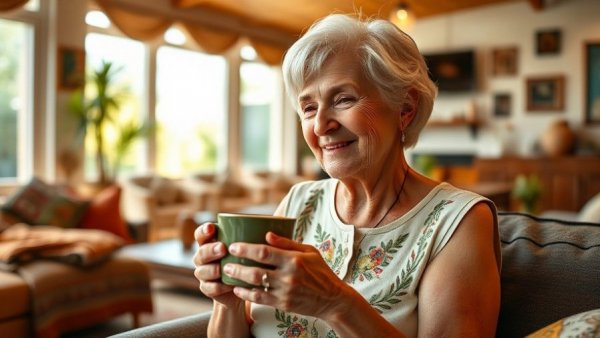
Elderly woman enjoying tea at home, habits to keep you out of a nursing home

Understanding Independence in Aging: A Vital Goal

With the aspirations of maintaining independence as they age, 75% of Americans aged 50 and older prefer to remain in their homes, according to a survey by the AARP. The journey towards this goal begins with daily habits that can profoundly impact one's ability to age gracefully. Dr. Vonda Wright, a double board-certified orthopedic surgeon and expert in active aging, highlights three critical issues older adults often face: mobility challenges, cognitive decline, and health-related concerns like incontinence. Her insights shed light on how lifestyle choices can keep older adults out of nursing homes and promote a more fulfilling life.

Mobility Matters: The Foundation of Independence

"Keep moving," Dr. Wright advises, emphasizing the importance of maintaining mobility for everyday functionality. Numerous studies suggest that the human body craves movement, which is essential for both physical and mental well-being. Activities such as walking, cycling, or even water aerobics can be lifesavers for older adults, helping to prevent the kind of muscle atrophy and joint deterioration that often leads to dependency. According to the CDC, low-impact exercises are not just for fitness; they are vital for preserving independence and enhancing quality of life. As Dr. Wright asserts, even in the presence of pain from chronic conditions like arthritis, movement is crucial—"Rest doesn’t cure anything!" Building and strengthening muscles remains essential for maintaining daily activities like getting up from a chair or climbing stairs, which can significantly impact one’s self-sufficiency.

Strength Training: No Age Limit

Contrary to common misconceptions, it’s never too late to start strength training. Dr. Wright notes that even individuals in their 90s can improve their strength significantly. By engaging in muscle-strengthening activities, older adults can preserve their independence well into their later years. Citing a pivotal study from Tufts University that involved participants in a nursing home, she reveals how high-intensity resistance training led to an average increase of 174% in muscle strength within just eight weeks. This dramatic boost illustrates that age should never be a barrier to fitness. The National Institute on Aging recommends engaging in muscle-strengthening activities twice a week, targeting all major muscle groups. Resistance bands and body-weight exercises can easily be adapted to suit different skill levels, making strength training accessible to all.

Nourishment: Fueling Physical Strength

In addition to physical activity, adequate nutrition plays a pivotal role in maintaining health and overall functionality. Dr. Wright mentions the observation that older adults often eat less, which can lead to detrimental impacts on their energy levels and hinder muscle-building efforts. "It’s something I see even happening to my 86-year-old parents; they're just eating less and less," she remarked. To overcome this issue, a protein-forward diet is essential, as without sufficient calories, muscle development—and by extension, independence—can be significantly hindered. A well-rounded diet that includes lean proteins, whole grains, and plenty of fruits and vegetables is crucial to support not just an active lifestyle, but an enriched, enjoyable life overall.

Preventive Care: A Proactive Approach

Adopting preventive measures is another cornerstone of independence for older adults. Regular check-ups with a healthcare provider can aid in monitoring health changes and addressing potential issues proactively. For instance, conditions like hypertension or diabetes can develop silently but be impactful; early detection can lead to more effective management and treatment. Simple adjustments, such as using canes or walkers when needed, can enhance mobility and prevent falls, which remain one of the leading causes of injury in older adults. Additionally, creating a safe home environment by eliminating tripping hazards and ensuring easy access to commonly used areas can significantly bolster safety and security, promoting a sense of well-being.

Community Resources: Building a Supportive Network

In Louisiana, numerous community resources are available to assist older residents in their quest for independence. Local senior centers often provide fitness classes and health screenings, as well as social gatherings that foster connections and emotional support. Many organizations also offer workshops focused on nutrition, which can provide older adults with tools and knowledge needed to make healthier dietary choices. Access to these resources can be a game-changer in maintaining an active and engaged lifestyle, addressing both physical and emotional needs, while simultaneously helping to combat feelings of isolation that can sometimes accompany aging.

Real-Life Inspiration: The Stories of Resilience

The narratives of individuals who have successfully maintained independence despite health challenges are both inspiring and instructive. Many seniors recount how adopting new habits, engaging in community activities, or simply choosing to prioritize their health led to significant improvements in their quality of life. For instance, a 76-year-old woman who embraced weightlifting after retirement not only improved her muscle mass but also ignited a passion for fitness that enriched her social interactions and community involvement.

Final Thoughts: Your Journey to Independence

Maintaining independence as we age requires a proactive approach, starting with the daily habits we form today. Whether it’s committing to a regular exercise routine, focusing on nutritional health, or utilizing community resources aimed at seniors, the choices you make can lead toward a brighter, more independent future. Remember, it’s never too late to start! As you contemplate your own goals, think about how you would like to ensure your health and independence as you age and take the first steps now.

If you're over 55 and in Louisiana, consider reaching out to local health organizations for workshops and resources tailored to your needs. Your journey to an independent life is just beginning, and taking advantage of available resources can set a firm foundation for your future.


Health

1 Views

Write A Comment

*
*
Please complete the captcha to submit your comment.
Related Posts All Posts
11.04.2026

Blood Pressure Medication Recall: What It Means for Louisiana Seniors

Update Understanding the Recent Blood Pressure Medication Recall In a significant turn of events, more than 3,700 bottles of blood pressure medication are being recalled by the Food and Drug Administration (FDA) due to concerns about their effectiveness. This includes widely prescribed combinations of olmesartan medoxomil, amlodipine, and hydrochlorothiazide, essential components in managing high blood pressure for many senior citizens across the nation, including Louisiana. These medications play a crucial role in helping individuals maintain their blood pressure within a safe range, crucial for overall health. Why Might This Be Important for You? As we age, managing our blood pressure is crucial. High blood pressure can lead to serious health issues such as heart disease and strokes, making it all the more important that medications prescribed to control it are safe and effective. For seniors, who often have multiple prescriptions, potential recalls can cause confusion and distress. Understanding the implications of this recall is vital for maintaining health and well-being. Thankfully, resources are available to help navigate these changes, ensuring you are not alone in addressing your healthcare needs. The Scope of the Recall The FDA's announcement has shed light on the specific batches of medications affected by the recall. It is essential for patients to know that not all medications containing these ingredients are involved, so awareness is key. It's advisable to check your medications if you are taking anything containing the recalled ingredients. If you have any doubts, a conversation with your healthcare provider may clarify if your prescription is part of the recall. Staying proactive by frequently reviewing your prescriptions can help detect any potential issues before they escalate. A Story of Health Challenges Consider the case of Mrs. Johnson, a 75-year-old resident of Baton Rouge who has been managing her blood pressure for years with her prescribed medication. Like many other seniors, she was unaware of any issues until she received a call from her pharmacy. "It’s worrying. I’ve just trusted my doctors and my medicine for so long," she expressed. Stories like Mrs. Johnson's are indicative of the many seniors facing similar challenges. Increasing awareness is crucial for preventing unnecessary health complications. It is important to remember that while such situations can be alarming, they also emphasize the need for constant communication with healthcare providers. What Should You Do If Your Medication Is Affected? If you suspect your medication might be among the recalled items, take immediate steps: 1. **Consult Your Doctor**: Contact your healthcare provider to discuss alternative treatment options. Your doctor will have the best insights tailored to your health needs. This step is critical for ensuring that your blood pressure management continues smoothly. 2. **Monitor Your Blood Pressure**: Keeping track of your levels at home can inform discussions with your provider and ensure proactive health management. Home blood pressure monitors can be incredibly helpful and are often easy to use. 3. **Stay Informed**: Regularly check news reports and the FDA’s official announcements for further details on the recall and any updates on medication safety. Local health department websites also provide valuable information tailored to Louisiana seniors. Future Trends in Medications for Seniors Looking ahead, it's crucial to recognize the increasing focus on pharmaceutical quality control and patient safety. More stringent regulations and advancements in medical technology aim to prevent such recalls in the future. As our understanding grows, there is hope for better, safer medication options tailored specifically for the aging population. Innovations in medication formulation and delivery could provide more effective treatments with fewer side effects, which is particularly beneficial for those with other underlying health conditions commonly seen in older adults. Local Resources and Support For seniors in Louisiana, local organizations can provide support and guidance during challenges like this recall. Many community health initiatives are aimed at helping older adults manage their health effectively. Programs that offer medication reviews and health education seminars can help ensure you are well-informed about your prescriptions. Engaging with these resources can lead to better health outcomes and peace of mind. Consider reaching out to your local Area Agency on Aging or health clinics that often provide free health assessments and can answer questions regarding recalls and other medication-related issues. Final Thoughts While the recall of blood pressure medication may seem alarming, it serves as an important reminder of the dynamic nature of healthcare. Remaining proactive about medication safety can empower seniors to manage their health more effectively. Engage with your healthcare providers, be vigilant about medication changes, and continue advocating for your health. In addition, maintaining an open dialogue with family members about your health can ensure you have a support system ready to help if needed. Stay healthy, stay informed, and remember that your well-being is worth the effort. If you haven't already, consider signing up for local healthcare newsletters to stay updated on crucial information pertinent to your health! By staying engaged with your health care, you will be better prepared to handle any future challenges that may arise.

11.04.2026

Is Measles Death in New York a Wake-Up Call for Vaccination Awareness?

Update Measles: A Historic Threat Rises Again A tragic event occurred in Lewis County, New York, when a child succumbed to measles, marking the first measles-related death in the state in three decades. This unfortunate incident sheds light on a disease once believed to be largely eradicated in many regions. Health officials are deeply concerned about the implications of this outbreak, especially within communities with declining vaccination rates. Understanding the Impact of Vaccination Rates Vaccination is a critical element in maintaining public health. The Centers for Disease Control and Prevention (CDC) highlight that measles is highly contagious, with an estimated 90% of non-immunized individuals likely to contract the disease if exposed. This alarming statistic underscores the urgent need for communities, including Louisiana, to ensure their vaccination rates remain robust and that the public is well-informed. In recent years, misinformation about vaccines has led to decreased vaccination uptake in some areas. While Louisiana has managed to maintain relatively high immunization rates within urban settings, rural regions exhibit disturbing trends that reflect a decline in public confidence surrounding vaccinations. Senior citizens, especially those who witnessed the catastrophic impacts of measles and similar diseases in the past, can play pivotal roles in advocating for vaccinations and educating younger generations about their importance. In Louisiana, state health departments and organizations are tirelessly working to combat misinformation, but they require community support to amplify these efforts. Social media campaigns, community events, and even informal gatherings can serve as platforms for sharing accurate vaccine information. By emphasizing the importance of vaccinations, seniors can contribute to building a healthier, more informed community. The Human Cost of Ignoring Vaccination The heartbreaking story of the child in New York serves as a stark reminder of the potential consequences of complacency regarding vaccination. Families might consider the measles merely a relic of the past; however, the resurgence of such diseases poses a significant threat, particularly to vulnerable populations, including infants, the elderly, and those with weakened immune systems. Parents, guardians, and community members are encouraged to stay informed and work together to positively change the conversations about vaccines. By sharing knowledge and resources, we can create an environment where vaccination is not only the norm but celebrated as a key element of community health. Conversations that normalize vaccine-sharing experiences can help dismantle fears and encourage greater uptake. Seniors often hold valuable health-related knowledge due to their lived experiences. They can guide discussions around vaccinations, not just from statistics but from a position of authority gained through history. Encouraging their loved ones to learn about the benefits and the risks associated with vaccines fosters an atmosphere of trust and understanding. Encouraging Healthy Practices and Regular Check-Ups For senior citizens in Louisiana, maintaining health can sometimes feel overwhelming. Regular health check-ups and consultations with healthcare professionals can greatly increase awareness about one's health status and necessary vaccinations. Being proactive about health can lead to significant benefits, especially as individuals age. Moreover, embracing lifelong learning about health—be it through community centers, local health departments, or family conversations—is crucial for staying informed. Local health fairs and workshops that highlight the importance of adult vaccines can empower seniors to take action not only for themselves but also for the younger members of their families. Employing a proactive approach toward health can significantly reduce the risks posed by diseases like measles. Individuals can create health plans that prioritize regular vaccinations and screenings. Encouraging younger family members to prioritize their health ensures that knowledge transfers to the next generation, fostering a more health-conscious community. The Future of Public Health: Community Responsibility Given the resurgence of measles and other preventable diseases, it's essential for everyone in our community to recognize the role they play in public health. This is not just about personal health but the health of our family, friends, and neighbors. Education about childhood vaccinations and adult immunizations can make a tremendous difference in outcomes. Engaging in discussions at local gatherings and health events can help bridge the knowledge gap. Schools, churches, and community organizations are encouraged to host workshops that clarify misconceptions about vaccines and provide accurate, straightforward information about their importance. These community-driven events can create a safer environment for families to ask questions and learn without judgment. Taking Action: How You Can Help We can combat the misinformation surrounding vaccines and health by fostering open, supportive conversations. Encourage loved ones to not only consider vaccinations for children but also to explore adult immunizations that can protect against diseases. Vaccinity in adults is just as crucial, with vaccines available for things like shingles and pneumonia. Together, we can advocate for the health and safety of our communities. Each of us has a role to play in maintaining public health standards and ensuring those around us are well-informed. As we reflect on this recent heartbreak, let's commit to being proactive, taking advantage of all available resources, and sharing vital information to protect our loved ones. Each step counts, and together we can create a resilient community against preventable diseases. Stay informed, spread kindness, and advocate for health—every voice matters! By prioritizing health education and action, we can work together to prevent further tragedies and maintain a healthier community for all.

11.04.2026

The Link Between Energy Drinks and Heart Problems: What Seniors Should Know

Update Understanding the Effects of Energy Drinks on Heart Health A recent study has revealed a concerning connection between high caffeine consumption, particularly from energy drinks, and serious heart issues among young adults. As reported by the American Heart Association, this finding raises alarms, especially for those who might already be at risk for cardiovascular problems. It's important for us all to understand how these vibrant cans can impact overall health, regardless of age. The Caffeine Craze: Why Energy Drinks Are Popular Energy drinks are beloved for their ability to provide a quick energy boost. But did you know that a single can can contain more caffeine than several cups of coffee? Many young adults turn to these beverages to stay energized throughout their busy days filled with classes, work, and social gatherings. Their appeal lies not only in the caffeine but also in flashy marketing and an association with a lively lifestyle. However, as much as they may help in the short term, the long-term consequences may overshadow the initial benefits. Repeated consumption can lead to dependencies, making it difficult to function without that caffeine jolt. Additionally, while these drinks may seem harmless to some, it’s crucial to make informed decisions about what we consume, especially for our health. Health Risks: Insights from Recent Studies According to the study conducted by the American Heart Association, young adults who consume high caffeine levels are at a heightened risk for serious heart conditions, such as arrhythmias. This might be quite surprising, considering many view energy drinks as harmless pick-me-ups. Understanding the potential for adverse effects is essential, especially for parents and guardians who might have children making these choices. Moreover, aside from heart rhythm issues, excessive caffeine intake can increase blood pressure and contribute to anxiety and sleep disturbances. It’s vital for everyone to recognize these risks and choose alternative methods to achieve energy and focus. Emotional and Social Aspects: Why Peer Pressure Matters One often overlooked factor is the role of peer pressure in consuming energy drinks. In social settings, young adults might feel compelled to join their friends and share a drink, despite the health risks involved. This craving for approval or belonging can overshadow rational decision-making. Acknowledging this aspect can lead to more open conversations about making healthier choices in social scenarios. Realizing that it’s okay to say 'no' to a drink can empower individuals to prioritize their well-being. Additionally, parents and caregivers can act as positive role models by opting for healthier beverages when they are out with family and friends. This can create a ripple effect, encouraging younger generations to follow suit. What Does This Mean for Seniors? As seniors in Louisiana, you may wonder how this information affects a younger generation. The implications of this study are critical as they could lead to serious repercussions not only for young adults but also for families as a whole. By encouraging healthier lifestyle choices among the youth, seniors can play an essential role in shaping the next generation's eating and drinking habits, promoting an environment of health consciousness. Moreover, engaging with younger family members and discussing these health issues can strengthen familial bonds. Sharing your own experiences and what you've learned about health can inspire them to make better choices. Practical Insights for Everyday Choices What can we do moving forward? The first step is to educate ourselves and others about the risks associated with energy drinks. Sharing knowledge can go a long way in helping a younger friend or family member re-evaluate their habits. It’s also crucial to discuss specific alternatives that are healthier and just as effective in providing energy. Opting for natural energy sources, such as fruits, vegetables, or even plain water, can be beneficial. For instance, smoothies made from fresh fruits can provide a delicious energy boost, packed with vital nutrients. Incorporating small lifestyle changes, such as engaging in physical activity or practicing good sleep hygiene, can improve overall energy levels without the adverse effects linked to caffeine. Adopting these healthier alternatives can make a significant difference in both mental and physical health. Encouraging Dialogue: Talking About Health Choices It’s essential to foster an open dialogue about health choices within families and communities. Sharing personal experiences around caffeine consumption or sharing resources can help create a supportive environment for discussing such important topics. Family gatherings or community events can be perfect opportunities for addressing this issue. By discussing personal stories or health outcomes, we can motivate each other toward healthier decisions. Additionally, community workshops focusing on nutrition and wellness can empower families to create healthier lives. Encouraging cooking classes or small group discussions can help engage everyone's interest in better choices. Final Thoughts: A Healthier Future Awaits As we look to the future, we must take proactive steps not only to protect ourselves and our loved ones but also to promote a culture of health. While energy drinks may provide short-term satisfaction, the long-term implications can be detrimental. It's essential that we make choices today that nurture our health for tomorrow. Let's work together to encourage healthier habits in our families and communities! By doing so, we can collectively contribute to a healthier society. Together, we can empower one another to lead lives that are vibrant, fulfilling, and conducive to long-term health.

Golden Years of Louisiana

GoldenYearsLA.com is Louisiana’s trusted online magazine for seniors, offering lifestyle inspiration, health tips, financial guidance, and travel ideas tailored to you.

  • Privacy Policy
  • Terms of Use
  • Advertise
  • Contact Us
  • Menu 5
  • Menu 6
Hours

AVAILABLE M-F 9AM - 5PM CST

Hall Street Media

Hall Street Media is a Louisiana-based media company creating engaging digital publications for lifestyle, health, business, and regional audiences across the Gulf South.

© 2026 Golden Years of Louisiana All Rights Reserved. Hall Street Media, Lafayette, Louisiana 70501 . Contact Us . Terms of Service . Privacy Policy

eyJjb21wYW55IjoiR29sZGVuIFllYXJzIG9mIExvdWlzaWFuYSIsImFkZHJlc3MiOiJIYWxsIFN0cmVldCBNZWRpYSIsImNpdHkiOiJMYWZheWV0dGUiLCJzdGF0ZSI6IkxvdWlzaWFuYSIsInppcCI6IjcwNTAxIiwiZW1haWwiOiJnb2xkZW55ZWFyc2xhQGdtYWlsLmNvbSIsInRvcyI6IlBIQStQSE4wY205dVp6NDhaVzArVjJobGJpQjViM1VnYzJsbmJpMXBiaUIzYVhSb0lIVnpMQ0I1YjNVZ1lYSmxJR2RwZG1sdVp5WnVZbk53T3lCNWIzVnlJSEJsY20xcGMzTnBiMjRnWVc1a0lHTnZibk5sYm5RZ2RHOGdjMlZ1WkNCNWIzVWdaVzFoYVd3Z1lXNWtMMjl5SUZOTlV5QjBaWGgwSUcxbGMzTmhaMlZ6TGlCQ2VTQmphR1ZqYTJsdVp5QjBhR1VnVkdWeWJYTWdZVzVrSUVOdmJtUnBkR2x2Ym5NZ1ltOTRJR0Z1WkNCaWVTQnphV2R1YVc1bklHbHVJSGx2ZFNCaGRYUnZiV0YwYVdOaGJHeDVJR052Ym1acGNtMGdkR2hoZENCNWIzVWdZV05qWlhCMElHRnNiQ0IwWlhKdGN5QnBiaUIwYUdseklHRm5jbVZsYldWdWRDNDhMMlZ0UGp3dmMzUnliMjVuUGp3dmNENEtDanh3UG1oMGRIQnpPaTh2WjI5c1pHVnVlV1ZoY25Oc1lTNWpiMjA4TDNBK0NnbzhjRDRtYm1KemNEczhMM0ErQ2dvOGNENDhjM1J5YjI1blBsTkZVbFpKUTBVOEwzTjBjbTl1Wno0OEwzQStDZ284Y0Q1WFpTQndjbTkyYVdSbElHRWdjMlZ5ZG1salpTQjBhR0YwSUdOMWNuSmxiblJzZVNCaGJHeHZkM01nZVc5MUlIUnZJSEpsWTJWcGRtVWdjbVZ4ZFdWemRITWdabTl5SUdabFpXUmlZV05yTENCamIyMXdZVzU1SUdsdVptOXliV0YwYVc5dUxDQndjbTl0YjNScGIyNWhiQ0JwYm1admNtMWhkR2x2Yml3Z1kyOXRjR0Z1ZVNCaGJHVnlkSE1zSUdOdmRYQnZibk1zSUdScGMyTnZkVzUwY3lCaGJtUWdiM1JvWlhJZ2JtOTBhV1pwWTJGMGFXOXVjeUIwYnlCNWIzVnlJR1Z0WVdsc0lHRmtaSEpsYzNNZ1lXNWtMMjl5SUdObGJHeDFiR0Z5SUhCb2IyNWxJRzl5SUdSbGRtbGpaUzRnV1c5MUlIVnVaR1Z5YzNSaGJtUWdZVzVrSUdGbmNtVmxJSFJvWVhRZ2RHaGxJRk5sY25acFkyVWdhWE1nY0hKdmRtbGtaV1FnSm5GMWIzUTdRVk10U1ZNbWNYVnZkRHNnWVc1a0lIUm9ZWFFnZDJVZ1lYTnpkVzFsSUc1dklISmxjM0J2Ym5OcFltbHNhWFI1SUdadmNpQjBhR1VnZEdsdFpXeHBibVZ6Y3l3Z1pHVnNaWFJwYjI0c0lHMXBjeTFrWld4cGRtVnllU0J2Y2lCbVlXbHNkWEpsSUhSdklITjBiM0psSUdGdWVTQjFjMlZ5SUdOdmJXMTFibWxqWVhScGIyNXpJRzl5SUhCbGNuTnZibUZzYVhwaGRHbHZiaUJ6WlhSMGFXNW5jeTQ4TDNBK0NnbzhjRDVaYjNVZ1lYSmxJSEpsYzNCdmJuTnBZbXhsSUdadmNpQnZZblJoYVc1cGJtY2dZV05qWlhOeklIUnZJSFJvWlNCVFpYSjJhV05sSUdGdVpDQjBhR0YwSUdGalkyVnpjeUJ0WVhrZ2FXNTJiMngyWlNCMGFHbHlaQ0J3WVhKMGVTQm1aV1Z6SUNoemRXTm9JR0Z6SUZOTlV5QjBaWGgwSUcxbGMzTmhaMlZ6TENCSmJuUmxjbTVsZENCelpYSjJhV05sSUhCeWIzWnBaR1Z5SUc5eUlHTmxiR3gxYkdGeUlHRnBjblJwYldVZ1kyaGhjbWRsY3lrdUlGbHZkU0JoY21VZ2NtVnpjRzl1YzJsaWJHVWdabTl5SUhSb2IzTmxJR1psWlhNc0lHbHVZMngxWkdsdVp5QjBhRzl6WlNCbVpXVnpJR0Z6YzI5amFXRjBaV1FnZDJsMGFDQjBhR1VnWkdsemNHeGhlU0J2Y2lCa1pXeHBkbVZ5ZVNCdlppQmxZV05vSUZOTlV5QjBaWGgwSUcxbGMzTmhaMlVnYzJWdWRDQjBieUI1YjNVZ1lua2dkWE11SUVsdUlHRmtaR2wwYVc5dUxDQjViM1VnYlhWemRDQndjbTkyYVdSbElHRnVaQ0JoY21VZ2NtVnpjRzl1YzJsaWJHVWdabTl5SUdGc2JDQmxjWFZwY0cxbGJuUWdibVZqWlhOellYSjVJSFJ2SUdGalkyVnpjeUIwYUdVZ1UyVnlkbWxqWlNCaGJtUWdjbVZqWldsMlpTQjBhR1VnVTAxVElIUmxlSFFnYldWemMyRm5aWE11SUZkbElHUnZJRzV2ZENCamFHRnlaMlVnWVc1NUlHWmxaWE1nWm05eUlHUmxiR2wyWlhKNUlHOW1JR1Z0WVdsc0lHOXlJRk5OVXk0Z1ZHaHBjeUJwY3lCaElHWnlaV1VnYzJWeWRtbGpaU0J3Y205MmFXUmxaQ0JpZVNCMWN5NGdTRzkzWlhabGNpd2djR3hsWVhObElHTm9aV05ySUhkcGRHZ2dlVzkxY2lCcGJuUmxjbTVsZENCelpYSjJhV05sSUhCeWIzWnBaR1Z5SUdGdVpDQmpaV3hzZFd4aGNpQmpZWEp5YVdWeUlHWnZjaUJoYm5rZ1kyaGhjbWRsY3lCMGFHRjBJRzFoZVNCcGJtTjFjaUJoY3lCaElISmxjM1ZzZENCbWNtOXRJSEpsWTJWcGRtbHVaeUJsYldGcGJDQmhibVFnVTAxVElIUmxlSFFnYldWemMyRm5aWE1nZEdoaGRDQjNaU0JrWld4cGRtVnlJSFZ3YjI0Z2VXOTFjaUJ2Y0hRdGFXNGdZVzVrSUhKbFoybHpkSEpoZEdsdmJpQjNhWFJvSUc5MWNpQmxiV0ZwYkNCaGJtUWdVMDFUSUhObGNuWnBZMlZ6TGlCWmIzVWdZMkZ1SUdOaGJtTmxiQ0JoZENCaGJua2dkR2x0WlM0Z1NuVnpkQ0IwWlhoMElDWnhkVzkwTzFOVVQxQW1jWFZ2ZERzZ2RHOG1ibUp6Y0RzOGFHbG5hR3hwWjJoMElHTnNZWE56UFNKamIyMXdZVzU1VTAxVFVHaHZibVZWY0dSaGRHVWlQbTUxYkd3OEwyaHBaMmhzYVdkb2RENHVJRUZtZEdWeUlIbHZkU0J6Wlc1a0lIUm9aU0JUVFZNZ2JXVnpjMkZuWlNBbWNYVnZkRHRUVkU5UUpuRjFiM1E3SUhSdklIVnpMQ0IzWlNCM2FXeHNJSE5sYm1RZ2VXOTFJR0Z1SUZOTlV5QnRaWE56WVdkbElIUnZJR052Ym1acGNtMGdkR2hoZENCNWIzVWdhR0YyWlNCaVpXVnVJSFZ1YzNWaWMyTnlhV0psWkM0Z1FXWjBaWElnZEdocGN5d2dlVzkxSUhkcGJHd2dibThnYkc5dVoyVnlJSEpsWTJWcGRtVWdVMDFUSUcxbGMzTmhaMlZ6SUdaeWIyMGdkWE11UEM5d1Bnb0tQSEErUEhOMGNtOXVaejVaVDFWU0lGSkZSMGxUVkZKQlZFbFBUaUJQUWt4SlIwRlVTVTlPVXp3dmMzUnliMjVuUGp3dmNENEtDanh3UGtsdUlHTnZibk5wWkdWeVlYUnBiMjRnYjJZZ2VXOTFjaUIxYzJVZ2IyWWdkR2hsSUZObGNuWnBZMlVzSUhsdmRTQmhaM0psWlNCMGJ6bzhMM0ErQ2dvOGIydytDZ2s4YkdrK2NISnZkbWxrWlNCMGNuVmxMQ0JoWTJOMWNtRjBaU3dnWTNWeWNtVnVkQ0JoYm1RZ1kyOXRjR3hsZEdVZ2FXNW1iM0p0WVhScGIyNGdZV0p2ZFhRZ2VXOTFjbk5sYkdZZ1lYTWdjSEp2YlhCMFpXUWdZbmtnZEdobElGTmxjblpwWTJVbUl6TTVPM01nY21WbmFYTjBjbUYwYVc5dUlHWnZjbTBnS0hOMVkyZ2dhVzVtYjNKdFlYUnBiMjRnWW1WcGJtY2dkR2hsSUNaeGRXOTBPMUpsWjJsemRISmhkR2x2YmlCRVlYUmhKbkYxYjNRN0tTQmhibVE4TDJ4cFBnb0pQR3hwUG0xaGFXNTBZV2x1SUdGdVpDQndjbTl0Y0hSc2VTQjFjR1JoZEdVZ2RHaGxJRkpsWjJsemRISmhkR2x2YmlCRVlYUmhJSFJ2SUd0bFpYQWdhWFFnZEhKMVpTd2dZV05qZFhKaGRHVXNJR04xY25KbGJuUWdZVzVrSUdOdmJYQnNaWFJsTGlCSlppQjViM1VnY0hKdmRtbGtaU0JoYm5rZ2FXNW1iM0p0WVhScGIyNGdkR2hoZENCcGN5QjFiblJ5ZFdVc0lHbHVZV05qZFhKaGRHVXNJRzV2ZENCamRYSnlaVzUwSUc5eUlHbHVZMjl0Y0d4bGRHVXNJRzl5SUhkbElHaGhkbVVnY21WaGMyOXVZV0pzWlNCbmNtOTFibVJ6SUhSdklITjFjM0JsWTNRZ2RHaGhkQ0J6ZFdOb0lHbHVabTl5YldGMGFXOXVJR2x6SUhWdWRISjFaU3dnYVc1aFkyTjFjbUYwWlN3Z2JtOTBJR04xY25KbGJuUWdiM0lnYVc1amIyMXdiR1YwWlN3Z2QyVWdhR0YyWlNCMGFHVWdjbWxuYUhRZ2RHOGdjM1Z6Y0dWdVpDQnZjaUE4YzNSeWIyNW5Qanh6Y0dGdUlITjBlV3hsUFNKamIyeHZjam9qUmtZd01EQXdPeUkrZEdWeWJXbHVZWFJsSUhsdmRYSWdZV05qYjNWdWRDOXdjbTltYVd4bElHRnVaQ0J5WldaMWMyVWdZVzU1SUdGdVpDQmhiR3dnWTNWeWNtVnVkQ0J2Y2lCbWRYUjFjbVVnZFhObElHOW1JSFJvWlNCVFpYSjJhV05sSUNodmNpQmhibmtnY0c5eWRHbHZiaUIwYUdWeVpXOW1LUzQ4TDNOd1lXNCtQQzl6ZEhKdmJtYytQQzlzYVQ0S1BDOXZiRDRLQ2p4d1BpWnVZbk53T3p3dmNENEtQR2hwWjJoc2FXZG9kQ0JqYkdGemN6MGlZMjl0Y0dGdWVVNWhiV1ZWY0dSaGRHVWlQa2R2YkdSbGJpQlpaV0Z5Y3lCdlppQk1iM1ZwYzJsaGJtRThMMmhwWjJoc2FXZG9kRDQ4WW5JZ0x6NEtQR2hwWjJoc2FXZG9kQ0JqYkdGemN6MGlZMjl0Y0dGdWVVVnRZV2xzVlhCa1lYUmxJajVuYjJ4a1pXNTVaV0Z5YzJ4aFFHZHRZV2xzTG1OdmJUd3ZhR2xuYUd4cFoyaDBQZz09IiwicHJpdmFjeSI6IlBIQStQSE4wY205dVp6NVFVa2xXUVVOWlBDOXpkSEp2Ym1jK1BDOXdQZ29LUEhBK1BITjBjbTl1Wno1VWFHVWdhVzVtYjNKdFlYUnBiMjRnY0hKdmRtbGtaV1FnWkhWeWFXNW5JSFJvYVhNZ2NtVm5hWE4wY21GMGFXOXVJR2x6SUd0bGNIUWdjSEpwZG1GMFpTQmhibVFnWTI5dVptbGtaVzUwYVdGc0xDQmhibVFnZDJsc2JDQnVaWFpsY2lCaVpTQmthWE4wY21saWRYUmxaQ3dnWTI5d2FXVmtMQ0J6YjJ4a0xDQjBjbUZrWldRZ2IzSWdjRzl6ZEdWa0lHbHVJR0Z1ZVNCM1lYa3NJSE5vWVhCbElHOXlJR1p2Y20wdUlGUm9hWE1nYVhNZ2IzVnlJR2QxWVhKaGJuUmxaUzQ4TDNOMGNtOXVaejQ4TDNBK0NnbzhjRDQ4YzNSeWIyNW5Qa2xPUkVWTlRrbFVXVHd2YzNSeWIyNW5Qand2Y0Q0S0NqeHdQanhsYlQ1WmIzVWdZV2R5WldVZ2RHOGdhVzVrWlcxdWFXWjVJR0Z1WkNCb2IyeGtJSFZ6TENCaGJtUWdhWFJ6SUhOMVluTnBaR2xoY21sbGN5d2dZV1ptYVd4cFlYUmxjeXdnYjJabWFXTmxjbk1zSUdGblpXNTBjeXdnWTI4dFluSmhibVJsY25NZ2IzSWdiM1JvWlhJZ2NHRnlkRzVsY25Nc0lHRnVaQ0JsYlhCc2IzbGxaWE1zSUdoaGNtMXNaWE56SUdaeWIyMGdZVzU1SUdOc1lXbHRJRzl5SUdSbGJXRnVaQ3dnYVc1amJIVmthVzVuSUhKbFlYTnZibUZpYkdVZ1lYUjBiM0p1WlhsekppTXpPVHNnWm1WbGN5d2diV0ZrWlNCaWVTQmhibmtnZEdocGNtUWdjR0Z5ZEhrZ1pIVmxJSFJ2SUc5eUlHRnlhWE5wYm1jZ2IzVjBJRzltSUVOdmJuUmxiblFnZVc5MUlISmxZMlZwZG1Vc0lITjFZbTFwZEN3Z2NtVndiSGtzSUhCdmMzUXNJSFJ5WVc1emJXbDBJRzl5SUcxaGEyVWdZWFpoYVd4aFlteGxJSFJvY205MVoyZ2dkR2hsSUZObGNuWnBZMlVzSUhsdmRYSWdkWE5sSUc5bUlIUm9aU0JUWlhKMmFXTmxMQ0I1YjNWeUlHTnZibTVsWTNScGIyNGdkRzhnZEdobElGTmxjblpwWTJVc0lIbHZkWElnZG1sdmJHRjBhVzl1SUc5bUlIUm9aU0JVVDFNc0lHOXlJSGx2ZFhJZ2RtbHZiR0YwYVc5dUlHOW1JR0Z1ZVNCeWFXZG9kSE1nYjJZZ1lXNXZkR2hsY2k0OEwyVnRQand2Y0Q0S0NqeHdQanh6ZEhKdmJtYytSRWxUUTB4QlNVMUZVaUJQUmlCWFFWSlNRVTVVU1VWVFBDOXpkSEp2Ym1jK1BDOXdQZ29LUEhBK1BITjBjbTl1Wno1WlQxVWdSVmhRVWtWVFUweFpJRlZPUkVWU1UxUkJUa1FnUVU1RUlFRkhVa1ZGSUZSSVFWUTZQQzl6ZEhKdmJtYytQQzl3UGdvS1BHOXNQZ29KUEd4cFBsbFBWVklnVlZORklFOUdJRlJJUlNCVFJWSldTVU5GSUVsVElFRlVJRmxQVlZJZ1UwOU1SU0JTU1ZOTExpQlVTRVVnVTBWU1ZrbERSU0JKVXlCUVVrOVdTVVJGUkNCUFRpQkJUaUFtY1hWdmREdEJVeUJKVXlaeGRXOTBPeUJCVGtRZ0puRjFiM1E3UVZNZ1FWWkJTVXhCUWt4RkpuRjFiM1E3SUVKQlUwbFRMaUFzTGlCQlRrUWdWVk1zSUVsVUppTXpPVHRUSUVOVlUxUlBUVVZTVXl3Z1JWaFFVa1ZUVTB4WklFUkpVME5NUVVsTlV5QkJURXdnVjBGU1VrRk9WRWxGVXlCUFJpQkJUbGtnUzBsT1JDd2dWMGhGVkVoRlVpQkZXRkJTUlZOVElFOVNJRWxOVUV4SlJVUXNJRWxPUTB4VlJFbE9SeXdnUWxWVUlFNVBWQ0JNU1UxSlZFVkVJRlJQSUZSSVJTQkpUVkJNU1VWRUlGZEJVbEpCVGxSSlJWTWdUMFlnVFVWU1EwaEJUbFJCUWtsTVNWUlpMQ0JHU1ZST1JWTlRJRVpQVWlCQklGQkJVbFJKUTFWTVFWSWdVRlZTVUU5VFJTQkJUa1FnVGs5T0xVbE9SbEpKVGtkRlRVVk9WQzQ4TDJ4cFBnb0pQR3hwUGsxQlMwVlRJRTVQSUZkQlVsSkJUbFJaSUZSSVFWUWdLR2twSUZSSVJTQlRSVkpXU1VORklGZEpURXdnVFVWRlZDQlpUMVZTSUZKRlVWVkpVa1ZOUlU1VVV5d2dLR2xwS1NCVVNFVWdVMFZTVmtsRFJTQlhTVXhNSUVKRklGVk9TVTVVUlZKU1ZWQlVSVVFzSUZSSlRVVk1XU3dnVTBWRFZWSkZMQ0JQVWlCRlVsSlBVaTFHVWtWRkxDQW9hV2xwS1NCVVNFVWdVa1ZUVlV4VVV5QlVTRUZVSUUxQldTQkNSU0JQUWxSQlNVNUZSQ0JHVWs5TklGUklSU0JWVTBVZ1QwWWdWRWhGSUZORlVsWkpRMFVnVjBsTVRDQkNSU0JCUTBOVlVrRlVSU0JQVWlCU1JVeEpRVUpNUlN3Z1FVNUVJQ2hwZGlrZ1FVNVpJRVZTVWs5U1V5QkpUaUJVU0VVZ1UwOUdWRmRCVWtVZ1YwbE1UQ0JDUlNCRFQxSlNSVU5VUlVRdVBDOXNhVDRLQ1R4c2FUNUJUbGtnVFVGVVJWSkpRVXdnUkU5WFRreFBRVVJGUkNCUFVpQlBWRWhGVWxkSlUwVWdUMEpVUVVsT1JVUWdWRWhTVDFWSFNDQlVTRVVnVlZORklFOUdJRlJJUlNCVFJWSldTVU5GSUVsVElFUlBUa1VnUVZRZ1dVOVZVaUJQVjA0Z1JFbFRRMUpGVkVsUFRpQkJUa1FnVWtsVFN5QkJUa1FnVkVoQlZDQlpUMVVnVjBsTVRDQkNSU0JUVDB4RlRGa2dVa1ZUVUU5T1UwbENURVVnUms5U0lFRk9XU0JFUVUxQlIwVWdWRThnV1U5VlVpQkRUMDFRVlZSRlVpQlRXVk5VUlUwZ1QxSWdURTlUVXlCUFJpQkVRVlJCSUZSSVFWUWdVa1ZUVlV4VVV5QkdVazlOSUZSSVJTQkVUMWRPVEU5QlJDQlBSaUJCVGxrZ1UxVkRTQ0JOUVZSRlVrbEJUQzQ4TDJ4cFBnb0pQR3hwUGs1UElFRkVWa2xEUlNCUFVpQkpUa1pQVWsxQlZFbFBUaXdnVjBoRlZFaEZVaUJQVWtGTUlFOVNJRmRTU1ZSVVJVNHNJRTlDVkVGSlRrVkVJRUpaSUZsUFZTQkdVazlOSUU5U0lGUklVazlWUjBnZ1QxSWdSbEpQVFNCVVNFVWdVMFZTVmtsRFJTQlRTRUZNVENCRFVrVkJWRVVnUVU1WklGZEJVbEpCVGxSWklFNVBWQ0JGV0ZCU1JWTlRURmtnVTFSQlZFVkVJRWxPSUZSSVJTQlVUMU11UEM5c2FUNEtQQzl2YkQ0S0NqeHdQanh6ZEhKdmJtYytURWxOU1ZSQlZFbFBUaUJQUmlCTVNVRkNTVXhKVkZrOEwzTjBjbTl1Wno0OEwzQStDZ284Y0Q1WlQxVWdSVmhRVWtWVFUweFpJRlZPUkVWU1UxUkJUa1FnUVU1RUlFRkhVa1ZGSUZSSVFWUWdRVTVFSUZOSVFVeE1JRTVQVkNCQ1JTQk1TVUZDVEVVZ1JrOVNJRUZPV1NCRVNWSkZRMVFzSUVsT1JFbFNSVU5VTENCSlRrTkpSRVZPVkVGTUxDQlRVRVZEU1VGTUxDQkRUMDVUUlZGVlJVNVVTVUZNSUU5U0lFVllSVTFRVEVGU1dTQkVRVTFCUjBWVExDQkpUa05NVlVSSlRrY2dRbFZVSUU1UFZDQk1TVTFKVkVWRUlGUlBMQ0JFUVUxQlIwVlRJRVpQVWlCTVQxTlRJRTlHSUZCU1QwWkpWRk1zSUVkUFQwUlhTVXhNTENCVlUwVXNJRVJCVkVFZ1QxSWdUMVJJUlZJZ1NVNVVRVTVIU1VKTVJTQk1UMU5UUlZNZ0tFVldSVTRnU1VZZ1NFRlRJRUpGUlU0Z1FVUldTVk5GUkNCUFJpQlVTRVVnVUU5VFUwbENTVXhKVkZrZ1QwWWdVMVZEU0NCRVFVMUJSMFZUS1N3Z1VrVlRWVXhVU1U1SElFWlNUMDA2UEM5d1Bnb0tQRzlzUGdvSlBHeHBQbFJJUlNCVlUwVWdUMUlnVkVoRklFbE9RVUpKVEVsVVdTQlVUeUJWVTBVZ1ZFaEZJRk5GVWxaSlEwVTdQQzlzYVQ0S0NUeHNhVDVVU0VVZ1EwOVRWQ0JQUmlCUVVrOURWVkpGVFVWT1ZDQlBSaUJUVlVKVFZFbFVWVlJGSUVkUFQwUlRJRUZPUkNCVFJWSldTVU5GVXlCU1JWTlZURlJKVGtjZ1JsSlBUU0JCVGxrZ1IwOVBSRk1zSUVSQlZFRXNJRWxPUms5U1RVRlVTVTlPSUU5U0lGTkZVbFpKUTBWVElGQlZVa05JUVZORlJDQlBVaUJQUWxSQlNVNUZSQ0JQVWlCTlJWTlRRVWRGVXlCU1JVTkZTVlpGUkNCUFVpQlVVa0ZPVTBGRFZFbFBUbE1nUlU1VVJWSkZSQ0JKVGxSUElGUklVazlWUjBnZ1QxSWdSbEpQVFNCVVNFVWdVMFZTVmtsRFJUczhMMnhwUGdvSlBHeHBQbFZPUVZWVVNFOVNTVnBGUkNCQlEwTkZVMU1nVkU4Z1QxSWdRVXhVUlZKQlZFbFBUaUJQUmlCWlQxVlNJRlJTUVU1VFRVbFRVMGxQVGxNZ1QxSWdSRUZVUVRzOEwyeHBQZ29KUEd4cFBsTlVRVlJGVFVWT1ZGTWdUMUlnUTA5T1JGVkRWQ0JQUmlCQlRsa2dWRWhKVWtRZ1VFRlNWRmtnVDA0Z1ZFaEZJRk5GVWxaSlEwVTdJRTlTUEM5c2FUNEtDVHhzYVQ1QlRsa2dUMVJJUlZJZ1RVRlVWRVZTSUZKRlRFRlVTVTVISUZSUElGUklSU0JUUlZKV1NVTkZMand2YkdrK0Nqd3ZiMncrQ2dvOGNENDhkVDVDZVNCeVpXZHBjM1JsY21sdVp5QmhibVFnYzNWaWMyTnlhV0pwYm1jZ2RHOGdiM1Z5SUdWdFlXbHNJR0Z1WkNCVFRWTWdjMlZ5ZG1salpTd2dZbmtnYjNCMExXbHVMQ0J2Ym14cGJtVWdjbVZuYVhOMGNtRjBhVzl1SUc5eUlHSjVJR1pwYkd4cGJtY2diM1YwSUdFZ1kyRnlaQ3dnSm5GMWIzUTdlVzkxSUdGbmNtVmxJSFJ2SUhSb1pYTmxJRlJGVWsxVElFOUdJRk5GVWxaSlEwVW1jWFZ2ZERzZ1lXNWtJSGx2ZFNCaFkydHViM2RzWldSblpTQmhibVFnZFc1a1pYSnpkR0Z1WkNCMGFHVWdZV0p2ZG1VZ2RHVnliWE1nYjJZZ2MyVnlkbWxqWlNCdmRYUnNhVzVsWkNCaGJtUWdaR1YwWVdsc1pXUWdabTl5SUhsdmRTQjBiMlJoZVM0OEwzVStQQzl3UGdvS1BIQStKbTVpYzNBN1BDOXdQZ284YUdsbmFHeHBaMmgwSUdOc1lYTnpQU0pqYjIxd1lXNTVUbUZ0WlZWd1pHRjBaU0krUjI5c1pHVnVJRmxsWVhKeklHOW1JRXh2ZFdsemFXRnVZVHd2YUdsbmFHeHBaMmgwUGp4aWNpQXZQZ284YUdsbmFHeHBaMmgwSUdOc1lYTnpQU0pqYjIxd1lXNTVRV1JrY21WemMxVndaR0YwWlNJK1NHRnNiQ0JUZEhKbFpYUWdUV1ZrYVdFc0lFeGhabUY1WlhSMFpTd2dURzkxYVhOcFlXNWhJRGN3TlRBeFBDOW9hV2RvYkdsbmFIUStQR0p5SUM4K0NqeG9hV2RvYkdsbmFIUWdZMnhoYzNNOUltTnZiWEJoYm5sUWFHOXVaVlZ3WkdGMFpTSStLekV6TXpjeU9EZzBOalkxUEM5b2FXZG9iR2xuYUhRK1BHSnlJQzgrQ2p4b2FXZG9iR2xuYUhRZ1kyeGhjM005SW1OdmJYQmhibmxGYldGcGJGVndaR0YwWlNJK1oyOXNaR1Z1ZVdWaGNuTnNZVUJuYldGcGJDNWpiMjA4TDJocFoyaHNhV2RvZEQ0PSJ9

Terms of Service

Privacy Policy

Core Modal Title

Sorry, no results found

You Might Find These Articles Interesting

T
Please Check Your Email
We Will Be Following Up Shortly
*
*
*