


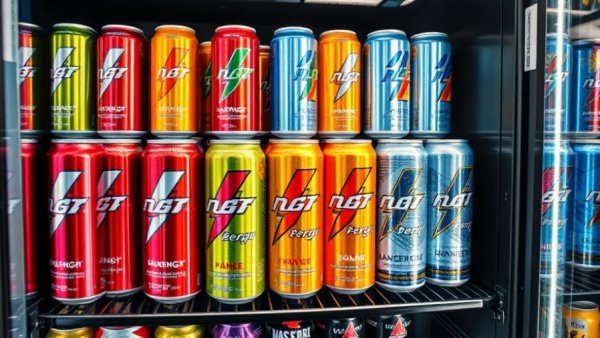
Understanding the Effects of Energy Drinks on Heart Health
A recent study has revealed a concerning connection between high caffeine consumption, particularly from energy drinks, and serious heart issues among young adults. As reported by the American Heart Association, this finding raises alarms, especially for those who might already be at risk for cardiovascular problems. It's important for us all to understand how these vibrant cans can impact overall health, regardless of age.
The Caffeine Craze: Why Energy Drinks Are Popular
Energy drinks are beloved for their ability to provide a quick energy boost. But did you know that a single can can contain more caffeine than several cups of coffee? Many young adults turn to these beverages to stay energized throughout their busy days filled with classes, work, and social gatherings. Their appeal lies not only in the caffeine but also in flashy marketing and an association with a lively lifestyle.
However, as much as they may help in the short term, the long-term consequences may overshadow the initial benefits. Repeated consumption can lead to dependencies, making it difficult to function without that caffeine jolt. Additionally, while these drinks may seem harmless to some, it’s crucial to make informed decisions about what we consume, especially for our health.
Health Risks: Insights from Recent Studies
According to the study conducted by the American Heart Association, young adults who consume high caffeine levels are at a heightened risk for serious heart conditions, such as arrhythmias. This might be quite surprising, considering many view energy drinks as harmless pick-me-ups. Understanding the potential for adverse effects is essential, especially for parents and guardians who might have children making these choices.
Moreover, aside from heart rhythm issues, excessive caffeine intake can increase blood pressure and contribute to anxiety and sleep disturbances. It’s vital for everyone to recognize these risks and choose alternative methods to achieve energy and focus.
Emotional and Social Aspects: Why Peer Pressure Matters
One often overlooked factor is the role of peer pressure in consuming energy drinks. In social settings, young adults might feel compelled to join their friends and share a drink, despite the health risks involved. This craving for approval or belonging can overshadow rational decision-making. Acknowledging this aspect can lead to more open conversations about making healthier choices in social scenarios. Realizing that it’s okay to say 'no' to a drink can empower individuals to prioritize their well-being.
Additionally, parents and caregivers can act as positive role models by opting for healthier beverages when they are out with family and friends. This can create a ripple effect, encouraging younger generations to follow suit.
What Does This Mean for Seniors?
As seniors in Louisiana, you may wonder how this information affects a younger generation. The implications of this study are critical as they could lead to serious repercussions not only for young adults but also for families as a whole. By encouraging healthier lifestyle choices among the youth, seniors can play an essential role in shaping the next generation's eating and drinking habits, promoting an environment of health consciousness.
Moreover, engaging with younger family members and discussing these health issues can strengthen familial bonds. Sharing your own experiences and what you've learned about health can inspire them to make better choices.
Practical Insights for Everyday Choices
What can we do moving forward? The first step is to educate ourselves and others about the risks associated with energy drinks. Sharing knowledge can go a long way in helping a younger friend or family member re-evaluate their habits. It’s also crucial to discuss specific alternatives that are healthier and just as effective in providing energy. Opting for natural energy sources, such as fruits, vegetables, or even plain water, can be beneficial. For instance, smoothies made from fresh fruits can provide a delicious energy boost, packed with vital nutrients.
Incorporating small lifestyle changes, such as engaging in physical activity or practicing good sleep hygiene, can improve overall energy levels without the adverse effects linked to caffeine. Adopting these healthier alternatives can make a significant difference in both mental and physical health.
Encouraging Dialogue: Talking About Health Choices
It’s essential to foster an open dialogue about health choices within families and communities. Sharing personal experiences around caffeine consumption or sharing resources can help create a supportive environment for discussing such important topics. Family gatherings or community events can be perfect opportunities for addressing this issue. By discussing personal stories or health outcomes, we can motivate each other toward healthier decisions.
Additionally, community workshops focusing on nutrition and wellness can empower families to create healthier lives. Encouraging cooking classes or small group discussions can help engage everyone's interest in better choices.
Final Thoughts: A Healthier Future Awaits
As we look to the future, we must take proactive steps not only to protect ourselves and our loved ones but also to promote a culture of health. While energy drinks may provide short-term satisfaction, the long-term implications can be detrimental. It's essential that we make choices today that nurture our health for tomorrow. Let's work together to encourage healthier habits in our families and communities!
By doing so, we can collectively contribute to a healthier society. Together, we can empower one another to lead lives that are vibrant, fulfilling, and conducive to long-term health.





Write A Comment