


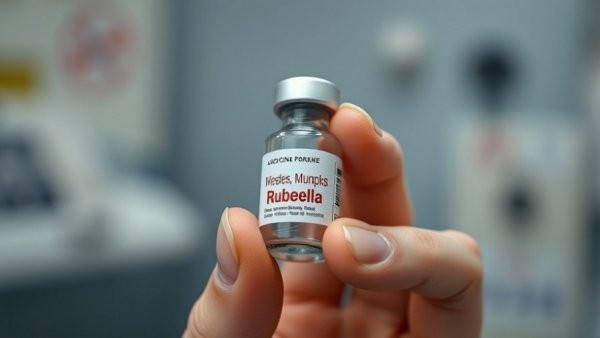
Measles: A Historic Threat Rises Again
A tragic event occurred in Lewis County, New York, when a child succumbed to measles, marking the first measles-related death in the state in three decades. This unfortunate incident sheds light on a disease once believed to be largely eradicated in many regions. Health officials are deeply concerned about the implications of this outbreak, especially within communities with declining vaccination rates.
Understanding the Impact of Vaccination Rates
Vaccination is a critical element in maintaining public health. The Centers for Disease Control and Prevention (CDC) highlight that measles is highly contagious, with an estimated 90% of non-immunized individuals likely to contract the disease if exposed. This alarming statistic underscores the urgent need for communities, including Louisiana, to ensure their vaccination rates remain robust and that the public is well-informed.
In recent years, misinformation about vaccines has led to decreased vaccination uptake in some areas. While Louisiana has managed to maintain relatively high immunization rates within urban settings, rural regions exhibit disturbing trends that reflect a decline in public confidence surrounding vaccinations. Senior citizens, especially those who witnessed the catastrophic impacts of measles and similar diseases in the past, can play pivotal roles in advocating for vaccinations and educating younger generations about their importance.
In Louisiana, state health departments and organizations are tirelessly working to combat misinformation, but they require community support to amplify these efforts. Social media campaigns, community events, and even informal gatherings can serve as platforms for sharing accurate vaccine information. By emphasizing the importance of vaccinations, seniors can contribute to building a healthier, more informed community.
The Human Cost of Ignoring Vaccination
The heartbreaking story of the child in New York serves as a stark reminder of the potential consequences of complacency regarding vaccination. Families might consider the measles merely a relic of the past; however, the resurgence of such diseases poses a significant threat, particularly to vulnerable populations, including infants, the elderly, and those with weakened immune systems.
Parents, guardians, and community members are encouraged to stay informed and work together to positively change the conversations about vaccines. By sharing knowledge and resources, we can create an environment where vaccination is not only the norm but celebrated as a key element of community health. Conversations that normalize vaccine-sharing experiences can help dismantle fears and encourage greater uptake.
Seniors often hold valuable health-related knowledge due to their lived experiences. They can guide discussions around vaccinations, not just from statistics but from a position of authority gained through history. Encouraging their loved ones to learn about the benefits and the risks associated with vaccines fosters an atmosphere of trust and understanding.
Encouraging Healthy Practices and Regular Check-Ups
For senior citizens in Louisiana, maintaining health can sometimes feel overwhelming. Regular health check-ups and consultations with healthcare professionals can greatly increase awareness about one's health status and necessary vaccinations. Being proactive about health can lead to significant benefits, especially as individuals age.
Moreover, embracing lifelong learning about health—be it through community centers, local health departments, or family conversations—is crucial for staying informed. Local health fairs and workshops that highlight the importance of adult vaccines can empower seniors to take action not only for themselves but also for the younger members of their families.
Employing a proactive approach toward health can significantly reduce the risks posed by diseases like measles. Individuals can create health plans that prioritize regular vaccinations and screenings. Encouraging younger family members to prioritize their health ensures that knowledge transfers to the next generation, fostering a more health-conscious community.
The Future of Public Health: Community Responsibility
Given the resurgence of measles and other preventable diseases, it's essential for everyone in our community to recognize the role they play in public health. This is not just about personal health but the health of our family, friends, and neighbors. Education about childhood vaccinations and adult immunizations can make a tremendous difference in outcomes.
Engaging in discussions at local gatherings and health events can help bridge the knowledge gap. Schools, churches, and community organizations are encouraged to host workshops that clarify misconceptions about vaccines and provide accurate, straightforward information about their importance. These community-driven events can create a safer environment for families to ask questions and learn without judgment.
Taking Action: How You Can Help
We can combat the misinformation surrounding vaccines and health by fostering open, supportive conversations. Encourage loved ones to not only consider vaccinations for children but also to explore adult immunizations that can protect against diseases. Vaccinity in adults is just as crucial, with vaccines available for things like shingles and pneumonia.
Together, we can advocate for the health and safety of our communities. Each of us has a role to play in maintaining public health standards and ensuring those around us are well-informed. As we reflect on this recent heartbreak, let's commit to being proactive, taking advantage of all available resources, and sharing vital information to protect our loved ones. Each step counts, and together we can create a resilient community against preventable diseases.
Stay informed, spread kindness, and advocate for health—every voice matters! By prioritizing health education and action, we can work together to prevent further tragedies and maintain a healthier community for all.




Write A Comment