


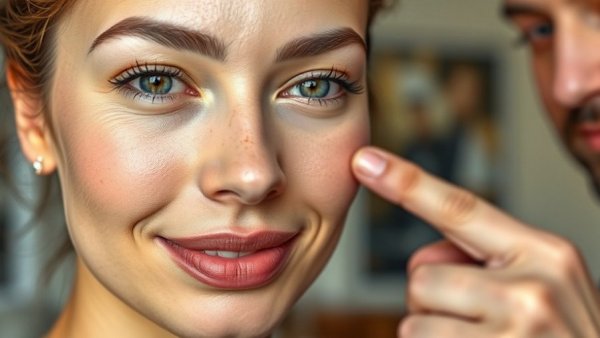
Understanding Rosacea: The Silent Epidemic
Rosacea, a chronic skin condition often mistaken for simple skin issues, affects millions, particularly those over 60. While it can occur in individuals of any age, older adults are notably more susceptible to symptoms that manifest as red, burning cheeks. This condition can severely impact self-esteem and social interactions. In Louisiana, where the warmth and humidity exacerbate symptoms, understanding the intricacies of rosacea is crucial. The constant battle with rosacea often leads to frustration, as many individuals feel like they are fighting a battle against their own skin.
In 'Red Burning Cheeks? 1 Tsp of This Clears Rosacea in 30 Days,' we delve into the intricate connections between gut health and skin conditions, focusing on the effective remedies that can offer relief.
How Gut Health Influences Skin Conditions
Surprisingly, rosacea isn’t just a skin problem; it's deeply linked to gut health. Recent studies reveal that approximately 80% of individuals with rosacea also harbor H. pylori, a bacteria that thrives in the stomach. This harmful microbe can trigger an immune response, resulting in heightened histamine levels, which leads to the infamous redness that characterizes rosacea. These connections emphasize the notion that our bodies operate as integrated systems, highlighting the potential for gut health interventions to provide relief from skin conditions.
The Role of Histamine in Rosacea
Histamines are chemicals that transmit signals in the body, causing various allergic reactions, including the symptoms of rosacea. When the body struggles to manage histamine due to poor gut health—such as the overgrowth of bacteria in the small intestine (SIBO)—the result can be the flushed cheeks associated with rosacea. Hence, addressing the body’s histamine levels is crucial for relief and recovery. Methods to decrease histamine production or counteract histamine sensitivity can pave the way for clearer skin and improved comfort.
Black Seed Oil: A Natural Remedy
A groundbreaking study shows that organic cold-pressed black seed oil may help alleviate rosacea symptoms by targeting underlying issues instead of merely treating the surface. Black seed oil contains powerful compounds that not only dissolve harmful biofilms where H. pylori resides, but also assist in stabilizing mast cells, reducing histamine production and its effects on the skin. This remedy not only represents a potential path for skin improvement but also reflects the broader trend of using nature's resources to support health, appealing to those who prefer holistic approaches.
Living With Rosacea: Emotional and Psychological Impact
The physical symptoms of rosacea can bring about significant emotional distress. For many, the embarrassment of red cheeks can lead to withdrawal from social engagements, causing an underlying spiral of loneliness and isolation. Recent research indicates that certain chronic skin conditions correlate with depression and anxiety, reinforcing the mental health ramifications of conditions like rosacea. Addressing rosacea is not merely about managing the skin; it’s also about reclaiming confidence and fostering social connections, pointing towards the healing power of community and self-acceptance.
Simple Dietary Adjustments
Alongside topical treatments, dietary adjustments can enhance your journey to recovery. Avoiding foods high in histamines—such as aged meats, fermented products, and certain vegetables—while incorporating anti-inflammatory choices can play a vital role in managing symptoms. Prioritizing protein sources such as fish, poultry, and eggs can further promote gut health, aiding in the stabilization of your body's immune response. Exploring local dietary options, such as incorporating fresh produce from Louisiana's markets, can empower individuals to take control of their health while supporting regional agriculture.
The Importance of Stomach Acid
Stomach acid plays a pivotal role in maintaining gut health. Individuals with rosacea often experience low stomach acid, which facilitates the rise of H. pylori and exacerbates symptoms. Understanding this concept emphasizes the importance of maintaining a healthy digestive system for those suffering from rosacea. Simple lifestyle changes like adopting stress management techniques or consuming probiotics can help promote healthy stomach acid levels and general digestive wellness.
Understanding Menopause and Rosacea
For older women, menopause can trigger or worsen rosacea due to hormonal shifts, particularly a drop in progesterone, which affects histamine levels. Recognizing this connection not only helps in addressing rosacea more effectively but can also guide treatment choices, leading to a greater understanding of one's health journey. Open discussions with healthcare providers about these changes can allow women to explore targeted therapies that suit their unique circumstances.
Exploring the Impact of Medications
Common medications, including antacids, can inadvertently worsen rosacea. By lowering stomach acid, these drugs can create a prime environment for H. pylori to thrive. It's essential for individuals, especially seniors, to consult physicians about the effects of their medications on skin health. This conversation can be crucial, opening paths to alternative management strategies that consider both skin health and the underlying effects of common medications.
Steps to Take Control of Your Skin Health
For many, the journey toward managing rosacea can seem overwhelming. Begin by incorporating black seed oil into your daily routine—one teaspoon in the morning can catalyze significant improvements in skin health. Additionally, making dietary adjustments, consulting with healthcare professionals about possible medication impacts, and considering routine tests for gut health can be empowering steps. Building a consistent routine and seeking the support of friends or self-help groups can enhance your motivation and effectiveness in managing rosacea.
Join the Movement for Improved Skin Health
As we explore the effects of rosacea, the importance of community support cannot be understated. Share your journey, seek advice or encouragement from others facing similar battles, and consider forming local support groups. Understanding rosacea as a multi-faceted condition can pave the way for holistic healing, both physically and emotionally. Embracing these connections can lead to a healthier, more fulfilled life.





Write A Comment