


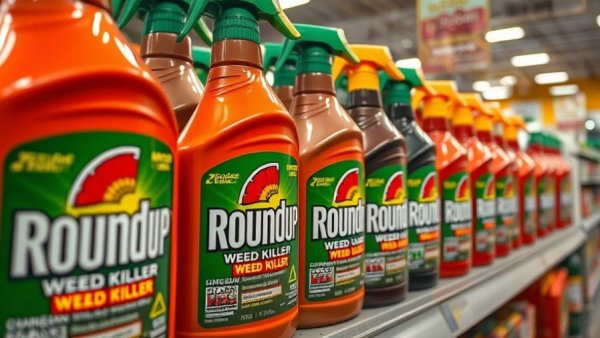
Understanding the Roundup Lawsuit: A Major Legal Move
In a landmark decision, Bayer, the agrochemical giant, has agreed to a staggering settlement of up to $7.25 billion, aimed at resolving claims linked to its widely used weed killer, Roundup. This development is critical for many, especially for seniors in Louisiana, where gardening and landscaping are popular activities and where Roundup has been a household name for decades. Many residents will remember the days when Roundup was marketed as a reliable solution for garden care, making the news of the settlement all the more impactful.
What Led to the Settlement?
The lawsuit stemmed from accusations that Roundup, which contains glyphosate, is linked to cancer, specifically non-Hodgkin lymphoma. Critics argue that Bayer knowingly exposed consumers to potentially harmful effects without adequate warnings. As more individuals began to notice health issues, and as studies emerged highlighting the dangers of glyphosate, the legal landscape shifted, leading to thousands of claims against the corporation. Given that many Louisiana residents enjoy maintaining their gardens, understanding this issue can help them make informed decisions about their gardening practices, ensuring their love for gardening doesn't come at the cost of their health.
A Deep Dive Into Glyphosate and Health
Glyphosate, the active ingredient in Roundup, has been under scrutiny for years. Research has suggested that exposure may increase the risk of certain cancers. The International Agency for Research on Cancer classified glyphosate as “probably carcinogenic” to humans. While Bayer maintains the safety of its product when used as directed, the sheer volume of lawsuits has compelled them to reach this settlement.
Furthermore, studies have shown that prolonged exposure to glyphosate can lead to a variety of health problems, prompting many users to reconsider their gardening practices. For seniors, who may rely on such products for weed control, this represents a pivotal moment for health awareness. It is crucial for them to weigh the benefits of effective weed management against the potential long-term health risks associated with chemical exposure.
How Will the Settlement Be Distributed?
The financial arrangement is set to be distributed over the next two decades. This payout is expected to support not only those who have already filed claims, but it may also assist future claimants as long as they can demonstrate a causal link between their health issues and the use of Roundup. It’s crucial for residents to understand their options regarding medical documentation if they suspect their health has been affected.
For those who have used Roundup in their gardening routines, knowing how to navigate potential claims is essential. Legal experts recommend keeping accurate records of any symptoms or health issues, as well as documenting the duration and extent of pesticide use. This vigilance will become especially important as the settlement unfolds and opportunities for compensation arise.
Local Eyewitnesses: Voices from Louisiana
Local gardeners and residents have mixed feelings about the settlement. Some express relief, hopeful that those affected will finally receive justice and compensation. Others feel anxious about the implications of using such products in the past. "We've been using Roundup for years in our community gardens. With this news, it's hard not to wonder if it will affect us or our loved ones," shared Margaret, an avid gardener from Baton Rouge. Some senior citizens in their communities have reported feeling confused about whether they should continue to use products like Roundup or switch to alternatives. Engaging in conversations about gardening practices and health can empower individuals to make informed choices.
The Broader Impact: Agricultural Impact and Consumer Awareness
This settlement signals a shift in consumer awareness regarding pesticides and herbicides. With increased scrutiny, many consumers, including those in Louisiana, are seeking organic and safer alternatives. Companies are under greater pressure than ever to ensure their products are safe for public use. Advancements in organic farming and eco-friendly gardening practices are becoming paramount as they not only help protect personal health but also the environment. For instance, utilizing natural weed control methods and choosing native plants can reduce the need for harmful chemicals.
Local markets and agricultural fairs are also adapting, as more producers provide organic products that resonate with health-conscious consumers. This not only supports local economies but also encourages sustainable practices in agriculture, further heightening the importance of environmentally friendly choices.
Taking Action: What You Can Do
As a resident of Louisiana, it’s essential to stay informed about these developments. Here are a few steps you can take to protect your health and make responsible choices for your gardening practices:
- Consult with healthcare professionals if you have health concerns related to Roundup use, ensuring you address any symptoms promptly.
- Explore natural alternatives for garden maintenance, such as using vinegar or salt as weed killers to mitigate exposure risks.
- Stay engaged with local agricultural extensions or health organizations for updates on safer gardening practices and potential community workshops.
- Share information with your community to promote awareness and proactive health measures, fostering a spirit of collective responsibility.
- Consider joining local gardening clubs that emphasize organic practices to further educate yourself and connect with like-minded individuals.
Concluding Thoughts
The Bayer settlement is not just a financial resolution; it's a vital call to action for consumers everywhere, especially seniors in Louisiana. As we learn more about the potential effects of common household products, the importance of making informed choices cannot be overstated. Considering the health trends and lifestyle choices now prevailing in our communities, let’s prioritize safe and sustainable gardening practices for our collective well-being.
Staying informed and engaged is key to navigating these changes. We encourage you to explore safer alternatives for gardening and pest control, making your gardening both enjoyable and healthy. Your health and the environment will thank you! Remember, changing habits and adopting new practices can often lead to better outcomes for everyone involved, fostering a safer and more sustainable community.





Write A Comment