


A Haunting Discovery: The Frozen Time Capsule of Childhood
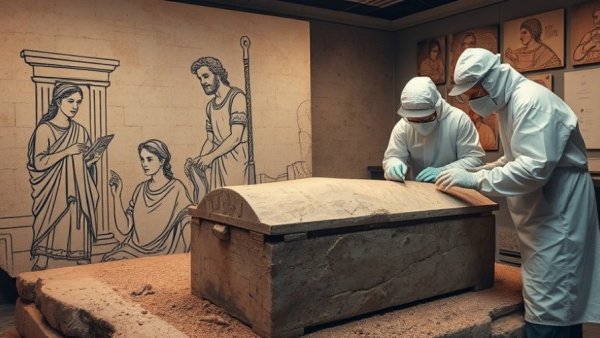
In a recent archaeological marvel, workers in Romania unearthed a chilling yet captivating find: a well-preserved sarcophagus containing the remains of a toddler from the Roman era, lying untouched for nearly 1,800 years. This remarkable burial site, discovered in the Flămânda area, reveals significant insights into the poignant traditions surrounding childhood in ancient Rome.
The Mystery of the Child's Life and Death
Archaeologists estimate that the child, likely no older than three years, met an untimely fate, leaving behind echoes of their existence through the artifacts found within the tomb. As they examined the burial techniques, experts were struck by the preservation state of the remains, which were wrapped in textiles resembling a mummification method. This practice, as revealed by the Romanian Ministry of Culture, reflects the love and care from the family who laid their child to rest. The use of textiles in burial rituals illustrates a profound respect for the deceased and showcases the tender bonds that existed between parents and their young ones.
Unearthed Treasures: A Child's Playthings
Among the heartfelt offerings, the burial contained charming clay toys, amulets, and floral garlands. These objects tell a story of childhood innocence and parental love that transcends time. A clay rooster and a wheeled horse, coated with remnants of paint, give a glimpse into the playful spirit of children from a bygone era. Archaeologists noted that the presence of such toys in the tomb suggests that play was valued, akin to the way we see children's toys today as symbols of joy and development. As one expert noted, seeing these toys brings the archaeological discovery into an emotional realm, letting us connect with family bonds formed long ago. It serves as a gentle reminder that, despite the passage of time, the essence of childhood remains a universal experience.
Preservation Efforts: Keeping History Alive
The sarcophagus was discovered during excavations prior to the construction of a new residential building, underscoring the delicate balance between modern development and the preservation of history. Notably, this intersection of ancient life and modern progress prompts important conversations about how we navigate such developments. With urban growth posing risks to archaeological sites, there is a collective responsibility to ensure that history is respected and preserved. As efforts to document and restore the find commence, archaeologists are collaborating with specialized restoration labs to ensure the delicate textiles and wooden coffin withstand the test of time. This commitment not only safeguards the artifacts but allows future generations to learn from these rich historical insights and appreciate the craftsmanship of ancient cultures.
The Bigger Picture: Understanding Roman Burial Customs
Beyond the stunning artifacts, this discovery opens a window into Roman funerary practices. Protective amulets, such as the bronze bullae found within the tomb, align with historical accounts of the era. In ancient Rome, it was common for parents to uphold rituals to shield their children from malevolent spirits, reflecting deep-rooted beliefs regarding the afterlife. Each object recovered serves as a reminder of the love and concern that parents held for their children across centuries. The meticulous care taken during the burial process signifies the importance of ensuring a safe journey for the deceased in the afterlife. As we delve deeper into these customs, we uncover insights that resonate with our own traditions surrounding loss and remembrance today.
Local Legend: Reflections of Louisiana's Own History
Louisiana, with its rich tapestry of cultures and history, offers a parallel to the echoes of the past we are discovering in Romania. Just as the Romanian child’s burial reflects family values from centuries ago, we can reminisce about our state’s own history and the cherished mementos of the Cajun and Creole cultures that designed our present-day lifestyle. Local museums across Louisiana might hold similar treasures waiting to tell stories of love and loss, paralleling the universal narrative of humanity's journey through time. Visiting these exhibits can evoke feelings of connection as we reflect on our heritage and the values handed down through generations.
Why This Discovery Matters
The unearthing of the Roman toddler's grave does more than puzzle historians; it serves as a poignant reminder of our shared human experience. Love for children and the rituals surrounding their memory persist through time and across cultures. As we confront the mysteries of the past, we can draw connections that highlight the values we uphold in our contemporary lives. In an era where stories of our personal connections often fade, these archaeological finds renew our appreciation for familial love and the societal values that remain integral to our identities.
This discovery invites us all to reflect on what we cherish and how we honor those we love—a timeless lesson from an ancient civilization. It also poses an intriguing question: what stories lay buried beneath our feet, waiting to be uncovered? In searching for history, we often find threads connecting us to past generations and their experiences.
For those of us fascinated by history, perhaps it’s time to explore your own local heritage. Visit your nearest museum, read a historical novel, or even share stories of your own family’s past with loved ones. The ties that bind us to our history can foster connections today. In this way, each visit or story shared becomes not just a way to remember, but a celebration of the journey of life itself, echoing the sentiments felt by the families of ancient times.





Write A Comment