


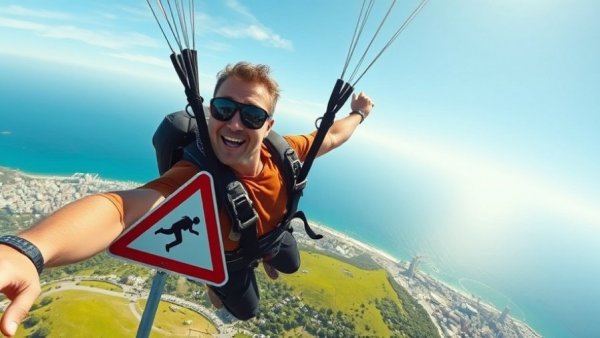
Soaring Safety Concerns: The Resurgence of Hang-Gliding Regulations
In the wake of unexpected tragedies, the thrill of soaring through the skies in São Conrado, Rio de Janeiro, encounters a harsh reckoning. A temporary flight suspension amidst five fatalities has set off alarm bells regarding safety procedures in the exhilarating sport of hang-gliding and paragliding, stirring legislative considerations and affecting the future of these activities. For many, the allure of flight embodies a dream that transcends cultures and generations, prompting a closer examination of what it means to navigate the winds of adventure.
What Happened? A String of Tragedies
In 2026, São Conrado's stunning vistas turned deadly as five individuals lost their lives in paragliding and hang-gliding accidents, marking a stark increase in fatalities for the region. Among the deceased was American tourist Jenny Colon Rodriguez, who perished in February while flying alongside her instructor during a tandem glide. This tragic incident serves as a grim reminder for all adventurers about the unpredictability of air sports. More recently, on a fateful day in November, both a seasoned instructor and his Argentine passenger tragically met their end when their hang-glider crashed after a sharp maneuver—a crash that was captured on video, evoking further concern. These heartbreaking incidents have raised urgent questions about the efficacy and enforcement of existing safety regulations, crucial in such a precarious sport.
Rethinking Regulations: A Call to Action
With rising safety concerns, local lawmakers and flight operators are compelled to reconsider regulations governing these high-risk sports. Bruno Menescal, president of the São Conrado Free Flight Club, acknowledged that stricter measures are essential to protect participants from future accidents. Faulty enforcement of existing regulations, such as allowing tourist tandem flights for instructional purposes, has made it imperative to enhance oversight. As Brazil's federal aviation regulators grapple with limited resources, the push for more staff and enhanced oversight seems timely. This challenge reflects the broader context of balancing thrill-seeking with safety in adventure sports, echoing dialogues around similar activities elsewhere in the world.
Trends in Air Sports: What Lies Ahead?
Interestingly, even though 2026 has seen a slight decline in total air sports accidents, with only 28 incidents this year, officials caution that this reduction is largely attributable to unfavorable weather conditions that have limited flights. Historically, air sports accidents have been on the rise, with the number of incidents climbing dramatically from 43 in 2023 to 56 in 2025, raising red flags for the local community. This trend has resulted in an increased level of scrutiny, emphasizing the importance of addressing safety concerns before they escalate further. Furthermore, a community conversation surrounding responsible flight practices could be instrumental in mitigating future risks.
A Risky Dance: The Reality of Air Sports
While the idea of hang-gliding conjures visions of gliding through clouds and feeling the wind rush against one's skin, it carries inherent dangers that are often overlooked. For those contemplating this thrilling venture, understanding the risks involved is crucial. Safety measures—including equipment inspections, qualified instructors, and adherence to regulations—must be the priority. Engaging in high-risk recreational activities necessitates a frank conversation about the importance of safety practices, especially among first timers. This perspective resonates strongly within the local community, where adventure sports enthusiasts often share stories of narrow escapes and learned lessons.
Community Response: Voices for Change
The tragic incidents have galvanized public sentiment, leading to renewed calls from public figures for stricter regulations. Former soccer star Romário, now a senator, has previously advocated for legislative changes targeting high-risk sports, highlighting the urgent need for reform in the wake of recent fatalities. As community members rally for improvements, a unified voice may soon catalyze government action, ensuring that safety becomes paramount in the exhilarating world of air sports. It underscores how public engagement can lead to tangible changes that enhance safety standards for adventure sports enthusiasts.
Personal Reflection: Why Understanding Safety Matters
For Louisiana residents, the allure of adventure sports echoes through the ages, resonating with our innate desire for exploration. Whether discovering the bayou through kayaking or experiencing the thrill of zip-lining through lush canopies, the call of adventure is a familiar one. The loss of life in Rio serves as a somber reminder not just of the fragile nature of life but of the joys and risks associated with truly living—adventurous spirits motivated by dreams of flight. For older adults considering taking up new hobbies, such as hang-gliding or other adventurous activities, this tragic backdrop should encourage a thorough evaluation of safety measures before diving headfirst into exhilarating experiences.
Conclusion: Safety First for Future Adventures
As we reflect upon the tragic incidents at São Conrado, let us instill a culture of caution in adventure sports. Learning from the past failures and advocating for stringent safety protocols is critical to protect not only those who dare to fly but also to ensure that the joy of exploration thrives safely. Whether it's hang-gliding or any recreational pursuit, prioritizing safety is the ultimate guide to enjoying life's thrilling offerings. Together, as a community of adventure lovers, we can honor those lost by creating a safer environment for future thrill-seekers.




Write A Comment