Add Row
Add Element
Add Element
UPDATE
Add Element
  • update
  • update
  • update
  • update
  • update
  • update
  • update
  • Home
  • Categories
    • Health
    • Money
    • Lifestyle
    • Travel
    • Entertainment
    • Louisiana News
    • Jobs and Careers
    • Featured
September 02.2025
3 Minutes Read

Uncovering the Legacy of 1,600-Year-Old Churches in Egypt—A Journey Through History

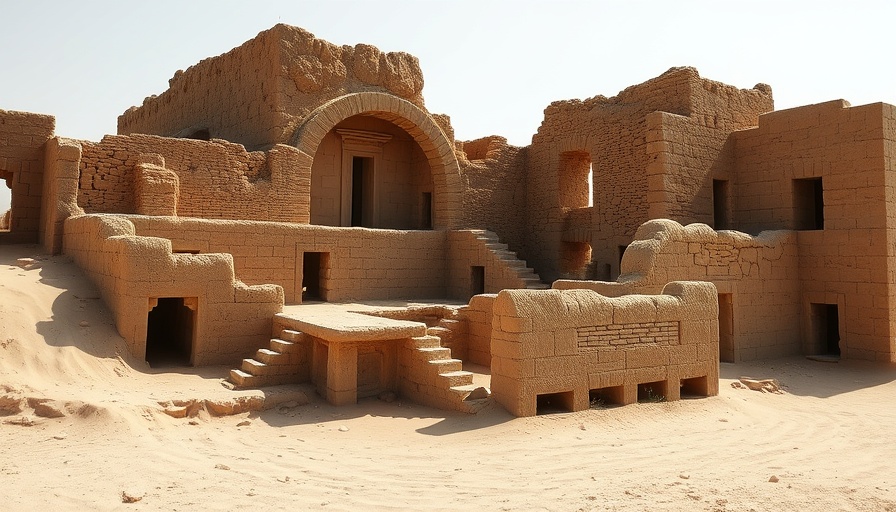
Ancient ruins of 1,600-year-old church in Egypt's desert landscape.

Ancient Echoes: A Glimpse into a 1,600-Year-Old Christian Community

In an exciting archaeological discovery in the Egyptian desert, researchers from the Israel Antiquities Authority (IAA) and Tel Aviv University have uncovered two 1,600-year-old churches adorned with stunning murals, including a fascinating depiction of Jesus. This revelation not only highlights the architectural achievements of early Christian communities but also offers a window into the transition from paganism to Christianity in the region.

Unraveling History: The Significance of the Discovery

These churches, located in the settlement of Silwan, are thought to have been part of a vibrant Christian community that grew during the late Roman Empire. As one of the researchers noted, "This find speaks volumes about the religious transformations occurring at the time. The blend of pagan and Christian elements in the murals reflects the complex spiritual landscape of the era." For Louisiana residents, this history resonates with our own rich cultural tapestry, where the past influences our present lives.

Connecting Local Heritage to Global Stories

Just like many towns in Louisiana boast deep historical roots—from Acadian settlements to vibrant Creole communities—this archaeological site indicates how communities evolve. Here in Louisiana, we cherish our rich traditions and festivals that celebrate our heritage, which is not unlike the spirit communicated in the murals of Silwan. As tales of religious transition inscribe their mark in the Egyptian sands, similar narratives unfold at our own local fairs and cultural gatherings.

Exploring Our Shared Humanity Through History

The imagery of Jesus found in these ancient walls serves as a reminder of the universal themes of faith and hope that transcend time and geography. This connects beautifully with Louisiana's rich tapestry of religious practices—from jazz funerals to vibrant church gatherings—demonstrating how faith can shape communities and influence cultural narratives. Many residents over 60 may remember times when faith played a central role in communal life, nurturing bonds and fostering togetherness.

Predicting Future Discoveries: What Lies Beneath?

As archaeological technology continues to advance, there is incredible potential for further discoveries that may change our understanding of history. Using drones and satellite imagery, archaeologists may locate more ancient sites hidden beneath the sands or even beneath our [homes in Louisiana](https://www.example.com). Just as this excavation has opened up new possibilities for understanding early Christianity, future digs could reveal stories historic to our Southern roots.

Local Reflections: How Archaeology Inspires Us

With every new find, archaeologists breathe life into stories of our shared past. As we read about ancient communities in Egypt, we may find inspiration to explore our own histories. For residents of Louisiana, taking pride in our unique cultural heritage can boost community ties, whether it's through participation in local history museums or family storytelling sessions. This adds richness to our lives as we celebrate our roots.

Understanding the Impact of Archaeological Discoveries

Such discoveries are not just about stones and ruins; they leave profound impacts on our understanding of societal evolution. The melding of pagan and Christian elements in Egypt echoes debates present in our modern communities, urging us to question how quickly traditions can change and adapt over time. For the elders in our communities, reflecting on these changes can ignite discussions about their own life experiences and the shifts they have witnessed in their lifetimes.

Join the Conversation: Share Your Thoughts!

These findings remind us of the importance of history in shaping our future. I encourage all Louisiana residents, especially those over 60, to take a moment and reflect upon your own personal histories—how they have influenced your community, family, and faith. Share your stories, and consider visiting local historical sites to continue this exploration of our past. Together, we can forge connections that bridge generations and create a collective narrative that honors our ancestors.

Travel

13 Views

0 Comments

Write A Comment

*
*
Related Posts All Posts
12.31.2025

Unraveling the Mystery of a Cube-Shaped Skull: What This Tells Us About Cranial Deformation Practices

Update Unearthing History: The Extraordinary Discovery of a Unique Skull Archaeologists in Mexico have made a groundbreaking discovery that is intriguing both historians and casual observers alike—a 1,400-year-old skull with a mysterious flat top, unearthed in an ancient village in the Northern Huasteca region of Tamaulipas. This remarkable find offers more than just a glimpse into the past; it challenges our understanding of Mesoamerican cultures and their beliefs about identity and status. What Makes This Skull Significant? The skull, belonging to a man who lived between 400 and 900 A.D., features a distinct tabular erect-type shape that is not commonly associated with the area. Its flattened top and cube-like appearance suggest intentional cranial deformation—a practice that involved altering the shape of an infant’s skull through binding methods. This conclusive evidence marks the first occurrence of this unusual cranial modification at such a site, which has typically shown more recognizable forms of head-shaping. Understanding Intentional Cranial Deformation Intentional cranial deformation has a rich history in various cultures across Mesoamerica, practiced to signify social distinctions or spiritual significance. The reports from the National Institute of Anthropology and History (INAH) indicate that the skull's modified shape likely reflects a specific cultural identity or status within the community. Interestingly, not every person at the archaeological site exhibited this practice, highlighting the unique position this individual held—possibly resembling that of a shaman or spiritual leader. What Can We Learn About Ancient Life? This discovery not only adds to our understanding of how ancient people viewed identity and social status but also supports the theory of cultural exchange between various Mesoamerican groups. The unique form of cranial deformation suggests that the inhabitants of the Northern Huasteca may have had connections with other civilizations and shared similar customs, generating a fascination around their societal norms and values. Comparative Insights: Linking Cultures While the shape of this skull is distinctive, it opens the door to further questions about cultural practices across Mesoamerica. Many are familiar with elongated heads shaped by binding and other methods, often giving them an almost 'alien' appearance. By comparing this find with similar artifacts from other regions, we can gain deeper insights into how ancient communities interacted and influenced one another. Such studies may reveal previously unknown links to groups from the Gulf Coast and even southern U.S. territories, suggesting a network of shared traditions and beliefs. Future Research Opportunities As the research surrounding the findings at the Balcón de Montezuma continues, archaeologists and historians anticipate that such discoveries will catalyze further exploration into other ancient practices and burial traditions. Every artifact recovered helps paint a more complete picture of life and beliefs in ancient times, facilitating conversations about our heritage and how cultural identities are formed. For residents of Louisiana and anyone interested in archaeology, this discovery serves as a reminder to engage with the narratives of the past. The connections we share with ancient communities foster a simplistic understanding of where we come from—all of it intertwined with who we are today.

12.31.2025

What Does the Decline in Las Vegas Tourism Mean for Travelers?

Update Las Vegas Tourism Faces Unprecedented Challenges Amid Economic Pressures Las Vegas, famously known as the Entertainment Capital of the World, is facing a significant decline in its tourism sector. Recent data from the Harry Reid International Airport reveals that passenger counts dropped by nearly 10% in November, equating to a staggering decrease from 4,338,575 travelers last year down to just 3,956,419. This decline comes despite the city hosting popular events like the Las Vegas Grand Prix, which saw over 300,000 attendees but proved insufficient to halt the downturn. The Ghost Town Effect: Visitors' Perspectives Tourists visiting Las Vegas have shared mixed feelings about the current state of the city. Some describe it as bustling, while others report a worrying emptiness. For example, a visitor noted, "The Strip feels less crowded this year, and it’s a bit unsettling given that we're experiencing a major racing event. I expected to see more excitement." Such sentiments illustrate a growing concern among visitors that even signature events might not recover the city’s tourism boom. International Visitors Decline: Are Tariffs to Blame? This year’s figures highlight a worrying trend, particularly concerning international tourists. In November alone, international arrivals plummeted from 303,834 last year to a mere 239,500 this year. The Las Vegas Convention and Visitors Authority (LVCVA) has directly connected this decline to economic pressures, specifically tariffs affecting travel decisions from Canada and other nations. Steve Hill, president of the LVCVA, pointed out, "The fallout from tariffs has had a tangible impact on our visitor numbers, and we miss our Canadian friends who usually visit in larger numbers." This reality raises many questions about the broader implications for future tourism growth. The Grand Prix: A Double-Edged Sword? The Las Vegas Grand Prix, held recently, was sold out and aimed to boost tourism. While the event was a massive success in terms of attendance, it could not forestall the underlying challenges facing the city. Racing star Max Verstappen highlighted the mixed nature of the spectacle, referring to it as "99% show and 1% sporting event." His remarks encapsulate the ongoing debate about the evolving identity of Las Vegas as a destination. Will it continue to thrive on extravagant entertainment, or will it pivot back towards traditional offerings that cater broadly to visitors? Looking Ahead: Opportunities and Challenges for Las Vegas As Las Vegas grapples with the persistent decline in tourism, many stakeholders are contemplating the future. The city's heavy reliance on high-end events has proven to be a double-edged sword, potentially limiting appeal to budget-conscious travelers. Experts suggest that Las Vegas must balance its luxe reputation with more affordable options to cater to a wider audience. This shift could be vital for sustaining growth in an ever-evolving tourism landscape. Staying Optimistic Amidst Uncertainty Despite the current challenges, many local business owners remain optimistic. Rick Harrison of the Gold & Silver Pawn Shop mentioned, "I hope tourism will rebound, but we are certainly feeling the impact of fewer visitors. However, I believe there's still a place for Las Vegas in the hearts of travelers across the globe." His perspective resonates with those who cherish the unique culture and offerings of Las Vegas. Such optimism underlines the importance of community engagement and adaptation in navigating turbulent times. Concluding Thoughts As travel dynamics change, Las Vegas finds itself at a crossroads. The city must adapt to meet the demands of its visitors while addressing ongoing economic pressures. Staying connected with the audience and recognizing the shifts in traveler preferences will be paramount for Las Vegas's ongoing allure. For those considering a trip, provided the right changes occur, the allure of Sin City might still hold strong potential. For Louisiana residents over 60, now might be the perfect time to explore opportunities for travel, keeping an eye on evolving deals and packages that cater to your interests. Whether you prefer the vibrant entertainment scene or wish to explore Las Vegas beyond the casinos, planning ahead is essential. Why not keep an eye on upcoming travel deals and consider a journey of your own?

12.31.2025

Discover the Best Things to Do in Albany, New York: Your Ultimate Guide

Update Why Albany Should Be on Your Travel List When it comes to exploring new destinations, Albany, New York, is often overlooked compared to its metropolitan neighbors. However, this charming capital city promises a myriad of experiences that cater to a variety of interests, particularly for those over the age of 60 who are looking for culture, history, and leisure. The recent travel guide captures the essence of Albany, highlighting ten must-do activities that blend its rich history with modern attractions.In Top 10 Best Things to Do in Albany, New York [Albany Travel Guide 2026], the discussion dives into the unique attractions the city has to offer, exploring key insights that sparked deeper analysis on our end. A Glimpse into Albany's History Founded in 1624, Albany is one of the oldest surviving settlements in the United States, providing a historical backdrop that is as fascinating as it is educational. Its cobblestone streets and classic architecture transport you back in time. Notable landmarks like the New York State Capitol and the New York State Museum tell the stories of the city's founding and development, perfect for those history enthusiasts eager to understand the roots of this vibrant metropolis. Cultural Attractions Galore For those keen on the arts, Albany offers a diverse array of cultural experiences. The Egg, a striking architectural gem, hosts various performances ranging from concerts to dance productions. It's a great venue for enjoying an evening of entertainment that is suitable for all ages. For art aficionados, wander through the Albany Institute of History & Art, which highlights local artists and the state's artistic heritage. Outdoor Wonders in Albany Albany’s green spaces provide a perfect spot for a leisurely stroll or a picnic. Washington Park, designed in the mid-19th century, features picturesque landscapes, scenic walking paths, and lovely gardens. Whether you choose to bring a book, enjoy the tranquility, or people-watch, this lush park is a must-visit. Riverfront Park also offers beautiful views of the Hudson River, ideal for a sunset walk. Dining in Albany: Local Flavors Await Food lovers will find countless delightful dining options throughout Albany. The Lark Street area is known for its eclectic mix of eateries, where you can savor everything from artisan sandwiches to gourmet desserts. Exploring local dining options can also be an adventure of its own, providing a taste of Albany’s culinary scene while allowing you to interact with locals. Fun Events and Activities Albany is host to numerous events throughout the year, celebrating local culture, food, and art. Be sure to check out the many festivals, such as the Tulip Festival, which showcases beautiful blooms and vibrant performances. Participating in community events not only enhances your travel experience but also allows you to connect with the local spirit. Unique Benefits of Visiting Albany Traveling later in life offers unique joys. A trip to Albany means engaging with historical content, enjoying leisurely sightseeing, and taking part in cultural conversations without the often crowded tourist traps. With its blend of activities catered to diverse interests, Albany offers peaceful adventures perfect for a more relaxed pace of travel. Planning Your Perfect Albany Adventure To make the most of your trip, consider planning ahead. Check the seasonal weather to pack appropriately, and don’t hesitate to reach out to local tourism offices for tips on current exhibitions or events. Building your itinerary around your interests is key; whether you prioritize historical sites, outdoor adventures, or culinary experiences, Albany's charm will undoubtedly invite you to linger a bit longer. Conclusion: Your Albany Adventure Awaits In summary, Albany is not just a stopover but a destination in its own right. Each experience can open doors to new interests and connections, making it an enriching trip for those over 60. So pack your bags and embark on your Albany adventure—it promises to be an experience you'll cherish for years to come.

Terms of Service

Privacy Policy

Core Modal Title

Sorry, no results found

You Might Find These Articles Interesting

T
Please Check Your Email
We Will Be Following Up Shortly
*
*
*