


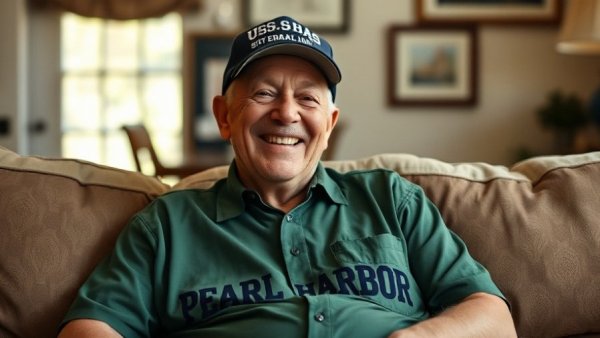
Remembering Freeman Johnson: A Life of Resilience and Service
The passing of Freeman Johnson, the oldest known survivor of the Hawaiian assault on Pearl Harbor, marks the end of an era defined by courage, humility, and profound contributions to American history. At the age of 106, Johnson, who sailed aboard the USS St. Louis during the fateful attack on December 7, 1941, has left behind a legacy that resonates deeply with Americans, especially those in Louisiana and beyond who appreciate the sacrifices made by our military veterans.
A Pivotal Moment in History
Freeman Johnson was part of an estimated 87,000 military personnel stationed on Oahu that day. As a 21-year-old machinist, he found himself in the chaos of the surprise attack by Japanese forces, initially mistaking the booming sounds for a mere drill. However, reality struck hard as duty called, leading him to his battle station, where, amidst pandemonium, he kept one of the ship's boilers operational until they could escape into the open sea.
His experience that day exemplifies the resilience of our servicemen who, under duress, performed their duties with unwavering dedication. As one of the oldest veterans alive, Freeman not only witnessed key historical moments like the official surrender of Japan in 1945 aboard the USS Missouri but also carried the tales of such events, now fading from living memory. These stories hold a special significance as they remind us of the sacrifices endured and the bravery displayed during one of the darkest chapters in human history.
Life After Pearl Harbor: A Family Man and Community Figure
Returning to civilian life after the war, Freeman settled down in Massachusetts, where he married Ruth Hills, and together they raised three daughters. Their bond lasted 50 years, a testament to the loving family environment Freeman built for his daughters. Freeman was described by his family as humble and kind, always offering simple but impactful advice as a guiding principle: “Just keep moving, that’s all. Keep breathing.” This philosophy not only contributed to his longevity but reflects a broader wisdom encouraging active living—an inspiring message for our aging population in Louisiana.
Moreover, his later life was filled with community engagement, as he often shared his experiences with local schools and veterans' organizations, making history accessible and relatable for younger generations. This commitment to sharing his story underlined the importance of fostering connections across ages—an effort that resonates with many Louisianans who value community ties.
Reflections on Sacrifice and Legacy
Freeman viewed himself not as a hero, but as a participant in history. He believed that medals were less about individual accolades and more about the places one had served. As we reflect on his story, it reminds us of the generational wisdom we must hold onto—one that venerates humility and service. This perspective is essential, especially in today's society where the definition of heroism can sometimes become distorted by fame and recognition.
In an era where the heroes of yesteryears are leaving us, Freeman's life serves as a crucial reminder to appreciate and honor those who served. The tributes and remembrances following his passing are testaments to the community's respect. Comments from those reflecting on his life captured a universal sentiment: gratitude for his service and sorrow for the fading memories of World War II. This collective recognition not only honors Freeman but holds a mirror to our values as a society, remembering the fabric of our shared history.
Impact on Today's Society
For Louisiana residents over the age of 60, Freeman Johnson’s legacy sparks conversations about personal experiences during wartime, community connection, and the importance of sharing stories. Engaging in these dialogues can be a powerful way to bridge gaps between generations. Local community centers and libraries often host programs where veterans share their experiences, creating a safe space for discussion. These initiatives serve as important reminders of both the triumphs and tribulations faced during wartime.
Additionally, as we honor those like Johnson, we also emphasize the need for ongoing dialogue around history, personal sacrifice, and the importance of supporting the veteran community. It is a call to action to engage with past narratives as we build futures enriched by wisdom. Organizations dedicated to veterans' affairs often look for volunteers, offering various ways to give back, including mentorship programs for younger generations.
A Thanksgiving Reunion in Spirit
As Thanksgiving approaches, Freeman's daughter, Diane Johnson, expressed a heartfelt longing for her father's reunion with loved ones in a place beyond. Her reflections create a poignant picture that resonates with many families during this time of year, reminding us of the bonds that transcend time and space. “It’s going to be a hell of a Thanksgiving,” she said, inviting us to join in recognizing the love and dedication shared among families—whether near or far.
This sentiment is particularly relevant for many Louisiana families who hold cherished memories of shared meals and laughter during the holidays. It serves as an opportunity to reflect on our connections and the significant figures in our lives—just as Freeman's contributions and spirit will continue to impact the world around us.
In conclusion, Freeman Johnson’s life was one marked by extraordinary events, personal humility, and heartfelt dedication to both family and country. As to the lesson he leaves us, we must continue to honor our veterans and share their stories, ensuring they remain a staple of our collective memory. So, in this time of reflection, let’s think of their sacrifices and carry on their legacy, inspiring a new generation to live actively and honorably.




Write A Comment