


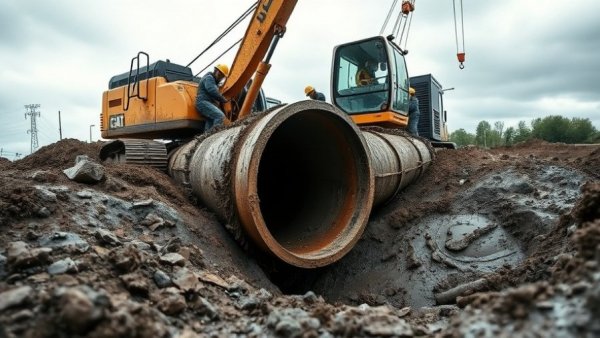
The Water Crisis in Plaquemines Parish: A Community's Challenge
A break in a critical water line south of Daybrook Fisheries has caused significant water disruption, affecting residents from Empire to Venice. For many who live in this region of Plaquemines Parish, this isn't just an inconvenience; it's a distressing reality that emphasizes the need for reliable infrastructure. Residents, especially seniors, are left grappling with the challenges of accessing clean water, which many may take for granted. In our everyday lives, the ability to turn on a faucet and obtain fresh, safe drinking water seems like a basic expectation. Unfortunately, as recent events show, this expectation has been turned on its head for some in the community.
Understanding the Impact on Seniors
The implications of this waterline break are profound, particularly for seniors aged 55 and older. Many in this demographic might have mobility issues or health concerns, making the search for alternative water sources a daunting task. Health officials stress that access to clean and consistent water is crucial for staying hydrated, especially for older adults who may be at a higher risk for dehydration or other water-related health issues. Additionally, seniors often require more water for medications and daily living activities, making loss of access even more critical.
Furthermore, the psychological impact of such disruptions can weigh heavily on older individuals. Many seniors may feel uncertain or anxious, not only due to lack of water but also due to the concerns that arise with disruptions to their routines. The stress of navigating through these circumstances can easily take a toll on their overall well-being, highlighting the importance of community support during such trying times.
Infrastructure and Its Importance
This incident highlights broader questions about infrastructure maintenance in Louisiana. Aging water lines and insufficient investment in public utilities have long been a pressing issue in many areas. Infrastructure failures not only disrupt daily life but also expose the vulnerabilities in local governance and community preparedness. The incident in Plaquemines Parish is a stark reminder of how critical it is to prioritize these services, particularly for areas that house many seniors. The area’s location along the coast makes it particularly susceptible to natural disasters, yet inadequate measures have historically been taken to enhance the resilience of essential services such as water supply.
Moreover, older infrastructure can often exacerbate issues, as temporary fixes may be employed rather than long-term solutions. The community's reliance on outdated systems necessitates a significant overhaul to ensure that essential services are safeguarded against potential breakdowns. This is an urgent call to action for both local governments and citizens. Their collective advocacy can help secure the funding and policies needed to modernize water systems.
Community Response and Resilience
In the wake of this disruption, community leaders and officials are mobilizing to address the immediate needs of affected residents. Distribution points for bottled water have been set up, easing some of the urgency felt among the community. However, this moment of crisis also serves as an opportunity for community solidarity. Many locals have stepped up to assist their neighbors, showcasing the strong ties that exist within this tight-knit region. Neighbors are checking in on one another, reaching out to those who may need additional help, and forming support networks to share resources and information about available assistance.
Volunteer groups are playing a pivotal role in helping deliver water to those unable to get to distribution points, particularly vulnerable seniors and individuals with disabilities. These initiatives highlight the spirit of the community and the collective willingness to support each other, particularly during challenging times. Such resilience not only helps mitigate the immediate effects of the crisis but fosters deeper connections within the neighborhood.
Looking Ahead: Solutions for a Sustainable Future
The future of water service in Plaquemines Parish calls for a reevaluation of current infrastructure and its sustainability. Experts suggest that proactive measures should be implemented to prevent such situations in the future; this includes potential upgrades to the waterline system and investments that prioritize resilience against natural disasters, which are likely to impact this coastal community. A long-term plan for infrastructure development will aid in ensuring reliable access to water and protecting the residents from similar crises.
A Call for Engagement
As residents of Plaquemines Parish navigate this challenging time, seniors can play a crucial role in advocating for better services and infrastructure. Engaging with local representatives, attending town hall meetings, and voicing the specific challenges faced by the older population can help drive the changes needed in community planning and resource allocation. The experiences of seniors should be front and center in discussions about future infrastructure projects. Their insights can offer valuable perspectives on how these services can be improved to better serve the community's needs.
Why Staying Informed Matters
For seniors and their families, understanding local issues such as these can be empowering. Knowledge is crucial; it helps individuals know their rights and what services should be available to them. As these water issues continue to unfold, keeping communication open with neighbors and local organizations can provide vital support networks during emergencies. Ensuring that seniors are included in informational campaigns helps demystify water issues and promotes community education, ultimately benefiting the entire population.
Encouragement to Take Action
As this incident illustrates, water disruptions can affect anyone, but they disproportionately impact the vulnerable. Seniors are encouraged to remain engaged and take action, whether that be advocating for better infrastructure or simply ensuring they are prepared for emergencies. Regularly checking in with local news and being part of community discussions can foster an environment of safety and preparedness.
Stay informed about local service updates and community resources, and discuss with your peers how you can collectively address these kinds of challenges in the future. Awareness and preparedness can go a long way in mitigating the effects of future disruptions in vital services, ensuring that no one is left without essential support when crises arise.





Write A Comment