


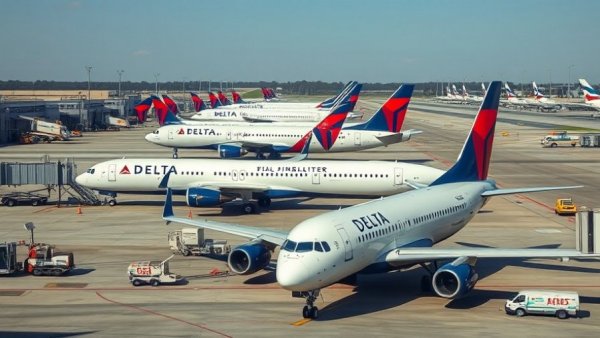
Understanding the Ground Delay: What Happened?
On a recent Sunday, the Federal Aviation Administration (FAA) issued a ground delay affecting Delta flights to and from Hartsfield-Jackson Airport in Atlanta. This decision stemmed from a technical issue related to weight balance automation, which is essential for ensuring safe aviation operations. Such automation helps ensure that aircraft are loaded correctly, balancing the aircraft to enable safe takeoff and landing. When a fault is detected in this system, it is crucial for safety reasons to pause operations until the issue can be resolved, which ultimately delays flights.
Why This Matters for Travelers
If you're planning to travel from Louisiana, particularly if you are 55 and older, this news is especially important for your travel plans. Older travelers may have specific needs and preferences when it comes to flying, such as needing more time for boarding or requiring assistance with mobility. Thus, delays can significantly impact schedules, leading to longer wait times and fractured itineraries, ultimately affecting your journey. In some cases, such delays may lead to missed connections, which can be particularly stressful if you have appointments, family commitments, or travel for leisure. Being informed about flight delays helps you make better travel arrangements and avoid last-minute surprises.
Potential Emotional Impact
Traveling can be a stressful experience at any age. However, for those in their 50s, 60s, and beyond, unexpected delays add a layer of stress that can exacerbate feelings of anxiety, particularly for those who may already find airport environments overwhelming. For older adults, whose trips may involve more planning to accommodate health and mobility issues, such interruptions can be particularly disheartening. Knowing what to expect can alleviate some of that apprehension. Have a mental checklist in place about coping strategies to maintain calm during these moments can help enhance your travel experience.
Practical Tips for Navigating Flight Delays
To turn a frustrating situation into a manageable one, here are some practical tips that may help ease the strain of delays:
- Stay Informed: Regularly check your flight status online or through your airline’s app. Many airlines now offer notifications via text or email, so consider signing up for these updates for enhanced convenience.
- Connect with Staff: Don’t hesitate to contact airport or airline staff for help in rebooking or addressing your concerns. Airport personnel are often trained to assist passengers in navigating delays and can provide guidance on the next possible steps.
- Have a Backup Plan: Consider scheduling later flights or researching alternative routes that may be less prone to delays. If your travel is flexible, having an alternative plan can save you time and reduce stress.
- Stay Patient: Remember to remain calm and patient; stressful situations are best handled with a clear mind. Finding a place to sit and take a few deep breaths may help you stay centered.
- Pack Smart: Always keep essential items—like medications, snacks, and entertainment—accessible during long waits. This is especially important for seniors who may need specific dietary items or medications at regular intervals.
Looking Ahead: Future Flight Safety Improvements
As technology continues to advance in air travel, airlines and regulatory bodies like the FAA aim to improve flight safety and efficiency continually. Current setbacks, like the ground delay mentioned, serve as reminders of the systems' need for constant checks and balances. Future innovations may include better automated systems for balance checks, improved real-time monitoring of equipment, and more seamless communication between airlines and passengers. These advancements will benefit all travelers, particularly older adults, by reducing the frequency and duration of delays.
Insights from Frequent Travelers
Many experienced travelers offer valuable insights into how to make the most of unexpected delays. To ensure comfort, they suggest keeping essential items—like medication, snacks, and entertainment—accessible during long waits. Personal anecdotes show that having something to engage with, like a good book or crossword puzzle, can make delays less daunting. Additionally, some travelers recommend current technology tools such as downloading games or puzzles on a device beforehand to stay occupied during any unexpected downtime.
The Role of Support Networks
For seniors, having a support network when traveling can be incredibly beneficial. Whether traveling solo or with family or friends, familiar faces can be a source of comfort when delays happen. Consider discussing flight plans with loved ones before departure, so they can offer assistance in case of changes or complications. Additionally, many airline services offer travel assistance for older adults, providing extra support during turbulent travel times. This could be in the form of help with boarding, navigating through terminals, or offering priority services during delays.
Final Thoughts
As we navigate an increasingly complex air travel landscape, it is pivotal for travelers, especially seniors, to stay informed about current conditions. This knowledge helps manage expectations and ensures a safer, smoother experience. In an era where travel can quickly become unpredictable, remember that staying prepared is empowering. Keeping abreast of developments regarding your flights, as well as knowing your rights as a passenger, can not only help you in effectively managing your travel plans but also offers a sense of comfort. Knowledge is not just power but also a source of reassurance on your travels.
As you embark on your next trip, keep these tips in mind to help navigate potential delays with grace and ease. Safe travels!





Write A Comment