• Home
  • Categories
    • Health
    • Money
    • Lifestyle
    • Travel
    • Entertainment
    • Louisiana News
    • Jobs and Careers
    • Featured
August 18.2026
4 Minutes Read

Texas Father Seeks Miracle Treatment for Brain Cancer: A Call to Action

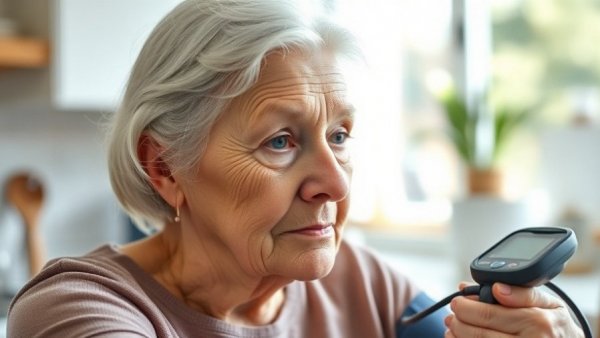
Man exploring tablet, potential miracle treatment for brain cancer.

Seeking Hope: A Texas Father's Journey Against Brain Cancer

In the heart of Texas, a distressed father is fighting not only for his life but for the well-being of his family. Diagnosed with an aggressive form of brain cancer, he is on a quest for a "miracle treatment" that could change everything for him and his loved ones. In a world where such battles are tragically common, his story resonates with many—particularly within the senior citizen community in Louisiana, who may understand the importance of health and family deeply.

The Power of Love and Determination

This father's fight sheds light on the emotional toll of serious illness. He recently shared his personal experiences as a first-time parent, explaining how the diagnosis has reshaped not only his own life but the life of his newborn child. Facing an uncertain future, he remains determined to secure a treatment that could buy him more time with his family, enabling him to cherish every moment of his child's life. His story illustrates that love can often be the greatest motivator and source of strength in dire situations, driving him to explore every option available to extend his time with his family.

Understanding Brain Cancer and Treatment Options

Brain cancer can take many forms, with glioblastoma being one of the most aggressive types. This cancer type can spread rapidly, making timely medical intervention essential. As parents and caregivers look for ways to cope with these challenges, understanding the nature of brain cancers is crucial. These cancers often require immediate and aggressive treatment, including surgery, chemotherapy, and radiation. Unfortunately, traditional treatments may not always lead to the desired outcomes, which is why many families—like this Texas father’s—explore experimental therapies or holistic approaches.

For family caregivers and seniors, being proactive and informed about such complex medical conditions can significantly affect outcomes. Discussing options with healthcare professionals, accessing support groups, and considering a multidisciplinary approach to treatment may provide new avenues for hope.

Alternative Paths: Exploring Miracle Treatments

This father’s appeal for innovative treatments highlights a growing trend among cancer patients seeking alternatives beyond conventional methods. From immunotherapy—which harnesses the body’s immune system to fight cancer—to cutting-edge clinical trials, many patients are opting to explore all possible avenues when facing terminal diagnoses. Understanding this trend is particularly relevant for seniors in Louisiana, who may ponder their own health options while weighing the benefits and risks associated with alternative therapies.

Moreover, staying informed about advancements in medical research, attending health seminars, and engaging with health-focused community organizations may empower older adults to advocate for their healthcare choices. Knowledge is indeed a powerful tool in the fight against cancer.

Emotional and Financial Strain of Cancer Care

As our Texas father seeks a miracle, he faces significant financial strain. Health care costs for cancer treatments can skyrocket, plunging families into debt and financial disarray. This reality is particularly poignant for older citizens, who often live on fixed incomes and may not be prepared for additional medical expenses. The juxtaposition of emotional anguish and financial burdens is a harsh reality that many families navigate daily. Receiving a cancer diagnosis can also disturb the equilibrium of family life, leading to feelings of hopelessness and isolation.

For seniors, managing finances during health crises becomes a delicate balancing act, where understanding insurance coverage, exploring assistance programs, and communicating openly with family members can play pivotal roles in handling stress. Resources such as community health centers, local advocacy groups, and even church organizations may offer financial assistance or support, creating a lifeline in these troubling times.

Connecting Through Empathy

For seniors in Louisiana, this father's journey offers not just a story of struggle but a relatable connection. His story is a reminder that cancer affects families universally, evoking feelings of empathy that can lead to community support and advocacy. Understanding that we are not alone in our battles can be a comforting realization, encouraging others to seek help and share their experiences. Community building is essential as shared stories promote not only awareness but also action.

By opening discussions in community centers or among friends—about personal health stories or by providing emotional support—seniors can strengthen community ties, all while educating others on the realities of living with serious illnesses.

Encouraging Community Support and Action

As people come together to support families like this Texas father's, it becomes crucial for communities, particularly in places like Louisiana, to advocate for advancements in healthcare policies. Engaging in discussions about healthcare access, awareness, and education can empower families facing similar challenges. Senior citizens, in particular, can play an integral role in sharing their stories and advocating for holistic health approaches and funding that can lead to groundbreaking treatments.

Community-focused initiatives, such as organizing health fairs, or promoting local fundraising efforts for cancer research and support services, can invigorate collective action. Seniors volunteering their time or sharing their expertise can make a significant difference in mobilizing community support.

A Reminder of Our Shared Humanity

This father's story is not only about battling brain cancer; it resonates at a foundational level about the fear, love, and hope that ties us all together. As we witness such struggles, let it inspire us to foster connections, whether through community support, shared stories, or health advocacy initiatives. We are all in this together, and it takes a village to raise up those in need—particularly during difficult times.

Take Action: If you feel moved by this father's story, consider reaching out to support local cancer awareness programs and initiatives. Your understanding, empathy, and action can help create pathways for discovery and hope, changing lives just one connection at a time. Each small act can fuel hope and solidarity, showing that compassion and community can face down even the toughest challenges.


Health

13 Views

Write A Comment

*
*
Please complete the captcha to submit your comment.
Related Posts All Posts
11.17.2026

Why Rising Congenital Measles Cases Should Concern Louisiana Seniors

Update Rising Concern: Congenital Measles Cases in the United States As communities become increasingly aware of the implications of vaccination, a troubling new trend has caught the attention of healthcare professionals across the nation: congenital measles. Preliminary figures show that there have been 13 reported cases of this rare condition in the United States between January 2025 and September 2026, as reported by the Centers for Disease Control and Prevention (CDC). This rise raises alarms about the potential dangers not only to newborns but also to entire communities, particularly among vulnerable populations. Understanding Congenital Measles Congenital measles occurs when a mother contracts the virus during pregnancy, leading to severe health consequences for the newborn. The infant may experience a range of complications, including low birth weight, respiratory issues, and neurological impairments. These challenges can have lasting effects on a child's development and quality of life. With the resurgence of measles reported nationwide, it is crucial for seniors and families to understand the potential risks associated with this vibrant illness and the importance of preventative measures. Link Between Measles and Vaccination Rates The increase in congenital measles cases can be linked, in part, to declining vaccination rates. In Louisiana, only about 86% of children receive their measles, mumps, and rubella (MMR) vaccine by age two. This rate falls below the required threshold to maintain herd immunity—a safety net that protects not just vaccinated individuals but also those who are unable to receive vaccines due to medical conditions. For older adults in the state, this could mean a growing exposure risk, especially if they are caring for babies and young children. Furthermore, the recent spread of misinformation regarding vaccines adds an additional layer of complexity to this public health issue. How Vaccination Protects Future Generations Vaccination isn't just about personal health; it’s also about community health. When vaccination rates fall, vulnerable populations—including infants who cannot yet be vaccinated—face a higher risk of exposure to potentially deadly diseases, such as measles. For seniors in Louisiana, staying informed about vaccine recommendations can help protect their families and the community at large. Engaging with healthcare providers about vaccination is a proactive way to ensure that grandparents, caregivers, and parents understand the role they play in safeguarding health. Community resources, such as free vaccination clinics and educational seminars, can empower families to make informed decisions. Insights from Health Experts Health professionals emphasize the importance of educating families about the critical role of vaccinations. Dr. Sarah Morales, a pediatrician in Louisiana, states, “Measles might seem like a disease of the past, but if complacency continues, we could see a resurgence that impacts our most vulnerable communities, including infants and the elderly.” Experts suggest that community outreach programs focused on vaccination education can help bridge the knowledge gap and combat misconceptions. Local clinics, community centers, and schools can be platforms for disseminating essential information on vaccination benefits and availability. The Emotional Toll: Personal Stories The emotional impact of congenital illnesses can be devastating for families. Take, for example, the story of Clarissa, a grandmother from New Orleans who became a passionate advocate for vaccinations after her grandchild experienced serious health issues due to measles exposure. “I never thought something like this could happen. Seeing my grandbaby struggle because of something preventable changed my life,” she shared. Personal stories like Clarissa’s highlight the critical need for awareness and action in combating vaccination hesitancy. It serves as a reminder that each family is interconnected in their health journeys. Future Predictions: A Path Forward As we look ahead, the future of public health in Louisiana depends heavily on the actions taken today. Increased education about the importance of vaccinations can lead to higher immunization rates, ultimately protecting future generations. Additionally, fostering community engagement and addressing vaccine hesitancy through open dialogue can create a ripple effect that shapes a healthier society. Schools, local government initiatives, and non-profit organizations must work in unison to promote comprehensive health education and accessible healthcare. Your Role in Community Health For seniors in Louisiana, being informed isn’t just about protecting oneself; it’s also about the community. Engage in conversations about vaccinations within families and among friends. Participate in local health events, and seek out information from trusted medical professionals. The effort to combat measles and other preventable diseases starts with you. Consider joining community boards or health committees to stay engaged with public health initiatives. In these challenging times, it is vital to remain vigilant. Every bit of knowledge you gain can create a safer environment for your loved ones. Take a moment to discuss vaccination options and health concerns with your healthcare provider today. Remember, the actions taken now can guard against the resurgence of diseases that we have the power to prevent through informed and collective action. Together, we can ensure a healthier future for Louisiana's children and families.

11.17.2026

How Expired Medicines, Hearing Loss and Desk Comfort Impact Seniors' Health

Update Safely Disposing of Expired Medicine: A Must for Every HouseholdAs we age, many of us find our medicine cabinets overflowing with medications we no longer need—some of which are past their expiration dates. While it might be tempting to simply throw these items in the trash, improper disposal can lead to accidental ingestion by children or pets, or contribute to environmental harm. Managing medications safely should be a priority for everyone, especially seniors living in households where children or pets may be present.The FDA offers clear and practical guidelines: mix expired or unused drugs with an undesirable substance such as coffee grounds or cat litter, seal the mixture in a plastic bag, and dispose of it in the household trash. This method helps to prevent any accidental consumption, ensuring that your home remains a safe space. Additionally, it’s crucial to keep in mind that certain medications may have specific disposal instructions listed on their labels. It’s always good practice to follow these instructions to ensure safety.Furthermore, many pharmacies also provide safe medication take-back programs. These programs are designed to allow you to return unwanted medications to a pharmacy for proper disposal. This is a fantastic option for those whose towns may not have convenient disposal locations. Remember, these simple disposal steps not only keep your home safe but also help protect our environment from harmful chemicals and substances.The Surprising Link Between Hearing Loss and DementiaDid you know that hearing loss can increase the risk of dementia? Recent studies have shown that seniors with untreated hearing loss are significantly more likely to experience cognitive decline, highlighting the importance of addressing this issue as we grow older. This surprising connection is believed to stem largely from social isolation. Those struggling to hear often withdraw from conversations and social gatherings, leading to a lack of engagement that is essential for maintaining cognitive health. When we don’t engage with others, our brains can stagnate, which is detrimental over time.It’s crucial for seniors to have regular hearing evaluations and to consult with audiologists if any hearing issues arise. Audiologists can help identify the degree of hearing loss and recommend the best treatment options, which might include hearing aids or other assistive devices. By treating hearing problems, not only can you enhance your overall quality of life, but you may also lower your risk of developing dementia. So, make it a point to schedule those annual hearing exams; your brain health may depend on it.Simple Desk Fixes for Neck and Back PainIn our increasingly digital world, many seniors spend hours at their desks, which can make neck and back pain a common complaint. Fortunately, there are easy adjustments you can make to alleviate discomfort. First, ensure your computer screen is at eye level to avoid straining your neck. You might place your monitor on a stack of books or invest in a monitor stand to achieve the right height.Additionally, use a chair that offers good support for your lower back. If you have to sit for long periods, remember to take breaks—stand up, walk around, or stretch to refresh your body and mind. Simple stretches performed every hour can help keep you limber and prevent stiffness. Consider using a standing desk or an adjustable chair to promote better posture and flexibility. Stretching after a prolonged sitting session is essential for keeping your muscles and joints healthy. These small changes can drastically improve your daily comfort and overall well-being, creating a more enjoyable work environment.Future Predictions: The Importance of Regular Check-upsAs our understanding of health expands, regular check-ups become pivotal for older adults. In the coming years, healthcare professionals will increasingly advocate for proactive health management—checking in on hearing, cognitive health, and physical pain as essential parts of a comprehensive approach to wellness. Seniors should prioritize these evaluations alongside their typical health screenings to ensure they address all aspects of their wellness, including preventative measures.Proactive health checks not only allow for early detection of potential issues but also offer opportunities for intervention and education about lifestyle choices that can further support health. Staying connected with healthcare providers helps in understanding personal health trends and making informed decisions.How Staying Informed Can Change Your LifeTaking control of your health begins with understanding pertinent information, like medication disposal, hearing health, and physical comfort. When seniors equip themselves with this knowledge, they become empowered to make choices that enhance their quality of life. Being informed is powerful; it leads to better health outcomes and encourages seniors to actively participate in their health journeys.As you navigate through this phase of life, consider subscribing to health newsletters, joining local community groups, or participating in workshops that focus on health education. Engaging with these resources enables you to stay updated on the latest health trends and recommendations relevant to your well-being.Actionable Steps You Can Implement TodayTo begin making positive transformations in your life, start with your medicine cabinet. Review your medications and dispose of any that are expired or no longer needed. Schedule a hearing exam if you haven't had one recently, and don’t hesitate to seek help if you're experiencing hearing difficulties. Lastly, evaluate your workspace and implement some ergonomic changes to relieve neck and back pain. By investing a little time into these small adjustments, you can significantly enhance your overall health and comfort. Each small victory leads to a healthier you, and it’s never too late to start making these important changes to improve your life.

11.17.2026

How a Common Blood Pressure Drug Like Spironolactone Can Aid Stroke Survivors

Update Common Medication Shows Promise for Stroke Survivors A low-cost medication called spironolactone, often referred to as a water pill, might help stroke survivors whose blood pressure remains elevated despite treatment. This breakthrough was uncovered during the REDUCE trial, the findings of which were recently presented at the American Heart Association’s Scientific Sessions in Chicago. The study spanned several months and involved participants who had experienced strokes, a condition that affects millions, particularly in states like Louisiana where the stroke rate is higher than the national average. The REDUCE Trial: Different Paths of Treatment During the trial, participants were divided into two groups: one added spironolactone to their usual post-stroke care, while the other continued with their standard treatment, which is critical in the recovery process after a stroke. The researchers tracked participants’ blood pressure at home over a six-month period, a practical approach that helped gather real-world evidence of the medication's effectiveness. The results were promising. After three months, those taking spironolactone reported an average top blood pressure reading of nearly eight points lower compared to the control group—126 versus 133. Moreover, 52% of the spironolactone group reached the critical blood pressure target of less than 130/80, compared to just 30% from the usual care group. Why It Matters: Reducing the Risk of Future Strokes Achieving optimal blood pressure is crucial for stroke survivors to minimize the risk of subsequent strokes. Dr. Jordana Cohen, co-lead author of the study and an associate professor at the University of Pennsylvania, emphasized that controlling blood pressure is the most significant step to prevent a recurrence. In Louisiana, where health disparities exist and many individuals face barriers to accessing regular healthcare, the ability to utilize a low-cost medication like spironolactone can present a transformative opportunity for better health outcomes. Therefore, the positive results from spironolactone present a ray of hope for many survivors grappling with elevated blood pressure, indicating that effective management options are on the horizon. Words of Caution: Understanding the Medication While the findings from the REDUCE trial are encouraging, there are important considerations for patients. Dr. Alfred Joshua, a California-based emergency physician not involved in the research, cautioned that while controlling blood pressure lowers the risk of another stroke, the study primarily measured blood pressure rather than stroke prevention. The full impact of spironolactone on preventing future strokes remains uncertain and requires larger, longer-term studies for clarity. This highlights the necessity for patients, particularly those aged over 55, to engage in continuous discussions with their healthcare providers about the evolving treatment landscape and how medications can be tailored to individual needs. Managing Health: The Importance of Monitoring Spironolactone works by assisting the body in eliminating excess salt and water, which can effectively lower blood pressure. However, potassium levels typically need monitoring, as the medication can cause the body to retain potassium. Very high potassium can be dangerous, particularly for individuals with kidney issues or those on specific medications. Dr. Joshua urges those with high blood pressure post-stroke to consult their healthcare providers regarding the suitability of spironolactone, taking into account their overall health profile and any pre-existing conditions that may complicate treatment. Study Limitations: Further Research Needed Despite the positive outcomes, the REDUCE trial had some limitations. Originally designed to include 200 participants, it concluded early with 160, and about 15% of attendees lacked blood pressure readings at the critical three-month mark. Furthermore, participants taking spironolactone were on slightly more blood pressure medications than their counterparts, possibly influencing the results. This suggests that while the trial is a significant step in understanding the potential benefits of spironolactone, caution must be exercised when interpreting the outcomes. Hence, additional research is necessary to forge a clearer connection between spironolactone and actual stroke prevention. Final Thoughts: A Step Toward Healthier Futures The findings from the REDUCE trial underline a significant potential for improving blood pressure management among stroke survivors. For many, having access to a simple, cost-effective medication that could lead to better health outcomes is invaluable. The implications of such research are particularly noteworthy for populations in regions like Louisiana, where healthcare access can be a challenge. As always, consultation with a healthcare professional is advised to navigate the complexities of post-stroke care and medication management. Staying informed about such health strategies not only empowers individuals on their journey to recovery but also provides hope for a better quality of life. If you or someone you know is dealing with post-stroke health issues, it is crucial to discuss these new findings with your healthcare provider and explore personalized treatment options. By staying proactive in healthcare discussions and seeking out innovative treatment avenues, stroke survivors can enhance their chances of leading a healthy life. Let's advocate for better health together and support each other in the pursuit of wellness!

Golden Years of Louisiana

GoldenYearsLA.com is Louisiana’s trusted online magazine for seniors, offering lifestyle inspiration, health tips, financial guidance, and travel ideas tailored to you.

  • Privacy Policy
  • Terms of Use
  • Advertise
  • Contact Us
  • Menu 5
  • Menu 6
Hours

AVAILABLE M-F 9AM - 5PM CST

Hall Street Media

Hall Street Media is a Louisiana-based media company creating engaging digital publications for lifestyle, health, business, and regional audiences across the Gulf South.

© 2026 Golden Years of Louisiana All Rights Reserved. Hall Street Media, Lafayette, Louisiana 70501 . Contact Us . Terms of Service . Privacy Policy

eyJjb21wYW55IjoiR29sZGVuIFllYXJzIG9mIExvdWlzaWFuYSIsImFkZHJlc3MiOiJIYWxsIFN0cmVldCBNZWRpYSIsImNpdHkiOiJMYWZheWV0dGUiLCJzdGF0ZSI6IkxvdWlzaWFuYSIsInppcCI6IjcwNTAxIiwiZW1haWwiOiJnb2xkZW55ZWFyc2xhQGdtYWlsLmNvbSIsInRvcyI6IlBIQStQSE4wY205dVp6NDhaVzArVjJobGJpQjViM1VnYzJsbmJpMXBiaUIzYVhSb0lIVnpMQ0I1YjNVZ1lYSmxJR2RwZG1sdVp5WnVZbk53T3lCNWIzVnlJSEJsY20xcGMzTnBiMjRnWVc1a0lHTnZibk5sYm5RZ2RHOGdjMlZ1WkNCNWIzVWdaVzFoYVd3Z1lXNWtMMjl5SUZOTlV5QjBaWGgwSUcxbGMzTmhaMlZ6TGlCQ2VTQmphR1ZqYTJsdVp5QjBhR1VnVkdWeWJYTWdZVzVrSUVOdmJtUnBkR2x2Ym5NZ1ltOTRJR0Z1WkNCaWVTQnphV2R1YVc1bklHbHVJSGx2ZFNCaGRYUnZiV0YwYVdOaGJHeDVJR052Ym1acGNtMGdkR2hoZENCNWIzVWdZV05qWlhCMElHRnNiQ0IwWlhKdGN5QnBiaUIwYUdseklHRm5jbVZsYldWdWRDNDhMMlZ0UGp3dmMzUnliMjVuUGp3dmNENEtDanh3UG1oMGRIQnpPaTh2WjI5c1pHVnVlV1ZoY25Oc1lTNWpiMjA4TDNBK0NnbzhjRDRtYm1KemNEczhMM0ErQ2dvOGNENDhjM1J5YjI1blBsTkZVbFpKUTBVOEwzTjBjbTl1Wno0OEwzQStDZ284Y0Q1WFpTQndjbTkyYVdSbElHRWdjMlZ5ZG1salpTQjBhR0YwSUdOMWNuSmxiblJzZVNCaGJHeHZkM01nZVc5MUlIUnZJSEpsWTJWcGRtVWdjbVZ4ZFdWemRITWdabTl5SUdabFpXUmlZV05yTENCamIyMXdZVzU1SUdsdVptOXliV0YwYVc5dUxDQndjbTl0YjNScGIyNWhiQ0JwYm1admNtMWhkR2x2Yml3Z1kyOXRjR0Z1ZVNCaGJHVnlkSE1zSUdOdmRYQnZibk1zSUdScGMyTnZkVzUwY3lCaGJtUWdiM1JvWlhJZ2JtOTBhV1pwWTJGMGFXOXVjeUIwYnlCNWIzVnlJR1Z0WVdsc0lHRmtaSEpsYzNNZ1lXNWtMMjl5SUdObGJHeDFiR0Z5SUhCb2IyNWxJRzl5SUdSbGRtbGpaUzRnV1c5MUlIVnVaR1Z5YzNSaGJtUWdZVzVrSUdGbmNtVmxJSFJvWVhRZ2RHaGxJRk5sY25acFkyVWdhWE1nY0hKdmRtbGtaV1FnSm5GMWIzUTdRVk10U1ZNbWNYVnZkRHNnWVc1a0lIUm9ZWFFnZDJVZ1lYTnpkVzFsSUc1dklISmxjM0J2Ym5OcFltbHNhWFI1SUdadmNpQjBhR1VnZEdsdFpXeHBibVZ6Y3l3Z1pHVnNaWFJwYjI0c0lHMXBjeTFrWld4cGRtVnllU0J2Y2lCbVlXbHNkWEpsSUhSdklITjBiM0psSUdGdWVTQjFjMlZ5SUdOdmJXMTFibWxqWVhScGIyNXpJRzl5SUhCbGNuTnZibUZzYVhwaGRHbHZiaUJ6WlhSMGFXNW5jeTQ4TDNBK0NnbzhjRDVaYjNVZ1lYSmxJSEpsYzNCdmJuTnBZbXhsSUdadmNpQnZZblJoYVc1cGJtY2dZV05qWlhOeklIUnZJSFJvWlNCVFpYSjJhV05sSUdGdVpDQjBhR0YwSUdGalkyVnpjeUJ0WVhrZ2FXNTJiMngyWlNCMGFHbHlaQ0J3WVhKMGVTQm1aV1Z6SUNoemRXTm9JR0Z6SUZOTlV5QjBaWGgwSUcxbGMzTmhaMlZ6TENCSmJuUmxjbTVsZENCelpYSjJhV05sSUhCeWIzWnBaR1Z5SUc5eUlHTmxiR3gxYkdGeUlHRnBjblJwYldVZ1kyaGhjbWRsY3lrdUlGbHZkU0JoY21VZ2NtVnpjRzl1YzJsaWJHVWdabTl5SUhSb2IzTmxJR1psWlhNc0lHbHVZMngxWkdsdVp5QjBhRzl6WlNCbVpXVnpJR0Z6YzI5amFXRjBaV1FnZDJsMGFDQjBhR1VnWkdsemNHeGhlU0J2Y2lCa1pXeHBkbVZ5ZVNCdlppQmxZV05vSUZOTlV5QjBaWGgwSUcxbGMzTmhaMlVnYzJWdWRDQjBieUI1YjNVZ1lua2dkWE11SUVsdUlHRmtaR2wwYVc5dUxDQjViM1VnYlhWemRDQndjbTkyYVdSbElHRnVaQ0JoY21VZ2NtVnpjRzl1YzJsaWJHVWdabTl5SUdGc2JDQmxjWFZwY0cxbGJuUWdibVZqWlhOellYSjVJSFJ2SUdGalkyVnpjeUIwYUdVZ1UyVnlkbWxqWlNCaGJtUWdjbVZqWldsMlpTQjBhR1VnVTAxVElIUmxlSFFnYldWemMyRm5aWE11SUZkbElHUnZJRzV2ZENCamFHRnlaMlVnWVc1NUlHWmxaWE1nWm05eUlHUmxiR2wyWlhKNUlHOW1JR1Z0WVdsc0lHOXlJRk5OVXk0Z1ZHaHBjeUJwY3lCaElHWnlaV1VnYzJWeWRtbGpaU0J3Y205MmFXUmxaQ0JpZVNCMWN5NGdTRzkzWlhabGNpd2djR3hsWVhObElHTm9aV05ySUhkcGRHZ2dlVzkxY2lCcGJuUmxjbTVsZENCelpYSjJhV05sSUhCeWIzWnBaR1Z5SUdGdVpDQmpaV3hzZFd4aGNpQmpZWEp5YVdWeUlHWnZjaUJoYm5rZ1kyaGhjbWRsY3lCMGFHRjBJRzFoZVNCcGJtTjFjaUJoY3lCaElISmxjM1ZzZENCbWNtOXRJSEpsWTJWcGRtbHVaeUJsYldGcGJDQmhibVFnVTAxVElIUmxlSFFnYldWemMyRm5aWE1nZEdoaGRDQjNaU0JrWld4cGRtVnlJSFZ3YjI0Z2VXOTFjaUJ2Y0hRdGFXNGdZVzVrSUhKbFoybHpkSEpoZEdsdmJpQjNhWFJvSUc5MWNpQmxiV0ZwYkNCaGJtUWdVMDFUSUhObGNuWnBZMlZ6TGlCWmIzVWdZMkZ1SUdOaGJtTmxiQ0JoZENCaGJua2dkR2x0WlM0Z1NuVnpkQ0IwWlhoMElDWnhkVzkwTzFOVVQxQW1jWFZ2ZERzZ2RHOG1ibUp6Y0RzOGFHbG5hR3hwWjJoMElHTnNZWE56UFNKamIyMXdZVzU1VTAxVFVHaHZibVZWY0dSaGRHVWlQbTUxYkd3OEwyaHBaMmhzYVdkb2RENHVJRUZtZEdWeUlIbHZkU0J6Wlc1a0lIUm9aU0JUVFZNZ2JXVnpjMkZuWlNBbWNYVnZkRHRUVkU5UUpuRjFiM1E3SUhSdklIVnpMQ0IzWlNCM2FXeHNJSE5sYm1RZ2VXOTFJR0Z1SUZOTlV5QnRaWE56WVdkbElIUnZJR052Ym1acGNtMGdkR2hoZENCNWIzVWdhR0YyWlNCaVpXVnVJSFZ1YzNWaWMyTnlhV0psWkM0Z1FXWjBaWElnZEdocGN5d2dlVzkxSUhkcGJHd2dibThnYkc5dVoyVnlJSEpsWTJWcGRtVWdVMDFUSUcxbGMzTmhaMlZ6SUdaeWIyMGdkWE11UEM5d1Bnb0tQSEErUEhOMGNtOXVaejVaVDFWU0lGSkZSMGxUVkZKQlZFbFBUaUJQUWt4SlIwRlVTVTlPVXp3dmMzUnliMjVuUGp3dmNENEtDanh3UGtsdUlHTnZibk5wWkdWeVlYUnBiMjRnYjJZZ2VXOTFjaUIxYzJVZ2IyWWdkR2hsSUZObGNuWnBZMlVzSUhsdmRTQmhaM0psWlNCMGJ6bzhMM0ErQ2dvOGIydytDZ2s4YkdrK2NISnZkbWxrWlNCMGNuVmxMQ0JoWTJOMWNtRjBaU3dnWTNWeWNtVnVkQ0JoYm1RZ1kyOXRjR3hsZEdVZ2FXNW1iM0p0WVhScGIyNGdZV0p2ZFhRZ2VXOTFjbk5sYkdZZ1lYTWdjSEp2YlhCMFpXUWdZbmtnZEdobElGTmxjblpwWTJVbUl6TTVPM01nY21WbmFYTjBjbUYwYVc5dUlHWnZjbTBnS0hOMVkyZ2dhVzVtYjNKdFlYUnBiMjRnWW1WcGJtY2dkR2hsSUNaeGRXOTBPMUpsWjJsemRISmhkR2x2YmlCRVlYUmhKbkYxYjNRN0tTQmhibVE4TDJ4cFBnb0pQR3hwUG0xaGFXNTBZV2x1SUdGdVpDQndjbTl0Y0hSc2VTQjFjR1JoZEdVZ2RHaGxJRkpsWjJsemRISmhkR2x2YmlCRVlYUmhJSFJ2SUd0bFpYQWdhWFFnZEhKMVpTd2dZV05qZFhKaGRHVXNJR04xY25KbGJuUWdZVzVrSUdOdmJYQnNaWFJsTGlCSlppQjViM1VnY0hKdmRtbGtaU0JoYm5rZ2FXNW1iM0p0WVhScGIyNGdkR2hoZENCcGN5QjFiblJ5ZFdVc0lHbHVZV05qZFhKaGRHVXNJRzV2ZENCamRYSnlaVzUwSUc5eUlHbHVZMjl0Y0d4bGRHVXNJRzl5SUhkbElHaGhkbVVnY21WaGMyOXVZV0pzWlNCbmNtOTFibVJ6SUhSdklITjFjM0JsWTNRZ2RHaGhkQ0J6ZFdOb0lHbHVabTl5YldGMGFXOXVJR2x6SUhWdWRISjFaU3dnYVc1aFkyTjFjbUYwWlN3Z2JtOTBJR04xY25KbGJuUWdiM0lnYVc1amIyMXdiR1YwWlN3Z2QyVWdhR0YyWlNCMGFHVWdjbWxuYUhRZ2RHOGdjM1Z6Y0dWdVpDQnZjaUE4YzNSeWIyNW5Qanh6Y0dGdUlITjBlV3hsUFNKamIyeHZjam9qUmtZd01EQXdPeUkrZEdWeWJXbHVZWFJsSUhsdmRYSWdZV05qYjNWdWRDOXdjbTltYVd4bElHRnVaQ0J5WldaMWMyVWdZVzU1SUdGdVpDQmhiR3dnWTNWeWNtVnVkQ0J2Y2lCbWRYUjFjbVVnZFhObElHOW1JSFJvWlNCVFpYSjJhV05sSUNodmNpQmhibmtnY0c5eWRHbHZiaUIwYUdWeVpXOW1LUzQ4TDNOd1lXNCtQQzl6ZEhKdmJtYytQQzlzYVQ0S1BDOXZiRDRLQ2p4d1BpWnVZbk53T3p3dmNENEtQR2hwWjJoc2FXZG9kQ0JqYkdGemN6MGlZMjl0Y0dGdWVVNWhiV1ZWY0dSaGRHVWlQa2R2YkdSbGJpQlpaV0Z5Y3lCdlppQk1iM1ZwYzJsaGJtRThMMmhwWjJoc2FXZG9kRDQ4WW5JZ0x6NEtQR2hwWjJoc2FXZG9kQ0JqYkdGemN6MGlZMjl0Y0dGdWVVVnRZV2xzVlhCa1lYUmxJajVuYjJ4a1pXNTVaV0Z5YzJ4aFFHZHRZV2xzTG1OdmJUd3ZhR2xuYUd4cFoyaDBQZz09IiwicHJpdmFjeSI6IlBIQStQSE4wY205dVp6NVFVa2xXUVVOWlBDOXpkSEp2Ym1jK1BDOXdQZ29LUEhBK1BITjBjbTl1Wno1VWFHVWdhVzVtYjNKdFlYUnBiMjRnY0hKdmRtbGtaV1FnWkhWeWFXNW5JSFJvYVhNZ2NtVm5hWE4wY21GMGFXOXVJR2x6SUd0bGNIUWdjSEpwZG1GMFpTQmhibVFnWTI5dVptbGtaVzUwYVdGc0xDQmhibVFnZDJsc2JDQnVaWFpsY2lCaVpTQmthWE4wY21saWRYUmxaQ3dnWTI5d2FXVmtMQ0J6YjJ4a0xDQjBjbUZrWldRZ2IzSWdjRzl6ZEdWa0lHbHVJR0Z1ZVNCM1lYa3NJSE5vWVhCbElHOXlJR1p2Y20wdUlGUm9hWE1nYVhNZ2IzVnlJR2QxWVhKaGJuUmxaUzQ4TDNOMGNtOXVaejQ4TDNBK0NnbzhjRDQ4YzNSeWIyNW5Qa2xPUkVWTlRrbFVXVHd2YzNSeWIyNW5Qand2Y0Q0S0NqeHdQanhsYlQ1WmIzVWdZV2R5WldVZ2RHOGdhVzVrWlcxdWFXWjVJR0Z1WkNCb2IyeGtJSFZ6TENCaGJtUWdhWFJ6SUhOMVluTnBaR2xoY21sbGN5d2dZV1ptYVd4cFlYUmxjeXdnYjJabWFXTmxjbk1zSUdGblpXNTBjeXdnWTI4dFluSmhibVJsY25NZ2IzSWdiM1JvWlhJZ2NHRnlkRzVsY25Nc0lHRnVaQ0JsYlhCc2IzbGxaWE1zSUdoaGNtMXNaWE56SUdaeWIyMGdZVzU1SUdOc1lXbHRJRzl5SUdSbGJXRnVaQ3dnYVc1amJIVmthVzVuSUhKbFlYTnZibUZpYkdVZ1lYUjBiM0p1WlhsekppTXpPVHNnWm1WbGN5d2diV0ZrWlNCaWVTQmhibmtnZEdocGNtUWdjR0Z5ZEhrZ1pIVmxJSFJ2SUc5eUlHRnlhWE5wYm1jZ2IzVjBJRzltSUVOdmJuUmxiblFnZVc5MUlISmxZMlZwZG1Vc0lITjFZbTFwZEN3Z2NtVndiSGtzSUhCdmMzUXNJSFJ5WVc1emJXbDBJRzl5SUcxaGEyVWdZWFpoYVd4aFlteGxJSFJvY205MVoyZ2dkR2hsSUZObGNuWnBZMlVzSUhsdmRYSWdkWE5sSUc5bUlIUm9aU0JUWlhKMmFXTmxMQ0I1YjNWeUlHTnZibTVsWTNScGIyNGdkRzhnZEdobElGTmxjblpwWTJVc0lIbHZkWElnZG1sdmJHRjBhVzl1SUc5bUlIUm9aU0JVVDFNc0lHOXlJSGx2ZFhJZ2RtbHZiR0YwYVc5dUlHOW1JR0Z1ZVNCeWFXZG9kSE1nYjJZZ1lXNXZkR2hsY2k0OEwyVnRQand2Y0Q0S0NqeHdQanh6ZEhKdmJtYytSRWxUUTB4QlNVMUZVaUJQUmlCWFFWSlNRVTVVU1VWVFBDOXpkSEp2Ym1jK1BDOXdQZ29LUEhBK1BITjBjbTl1Wno1WlQxVWdSVmhRVWtWVFUweFpJRlZPUkVWU1UxUkJUa1FnUVU1RUlFRkhVa1ZGSUZSSVFWUTZQQzl6ZEhKdmJtYytQQzl3UGdvS1BHOXNQZ29KUEd4cFBsbFBWVklnVlZORklFOUdJRlJJUlNCVFJWSldTVU5GSUVsVElFRlVJRmxQVlZJZ1UwOU1SU0JTU1ZOTExpQlVTRVVnVTBWU1ZrbERSU0JKVXlCUVVrOVdTVVJGUkNCUFRpQkJUaUFtY1hWdmREdEJVeUJKVXlaeGRXOTBPeUJCVGtRZ0puRjFiM1E3UVZNZ1FWWkJTVXhCUWt4RkpuRjFiM1E3SUVKQlUwbFRMaUFzTGlCQlRrUWdWVk1zSUVsVUppTXpPVHRUSUVOVlUxUlBUVVZTVXl3Z1JWaFFVa1ZUVTB4WklFUkpVME5NUVVsTlV5QkJURXdnVjBGU1VrRk9WRWxGVXlCUFJpQkJUbGtnUzBsT1JDd2dWMGhGVkVoRlVpQkZXRkJTUlZOVElFOVNJRWxOVUV4SlJVUXNJRWxPUTB4VlJFbE9SeXdnUWxWVUlFNVBWQ0JNU1UxSlZFVkVJRlJQSUZSSVJTQkpUVkJNU1VWRUlGZEJVbEpCVGxSSlJWTWdUMFlnVFVWU1EwaEJUbFJCUWtsTVNWUlpMQ0JHU1ZST1JWTlRJRVpQVWlCQklGQkJVbFJKUTFWTVFWSWdVRlZTVUU5VFJTQkJUa1FnVGs5T0xVbE9SbEpKVGtkRlRVVk9WQzQ4TDJ4cFBnb0pQR3hwUGsxQlMwVlRJRTVQSUZkQlVsSkJUbFJaSUZSSVFWUWdLR2twSUZSSVJTQlRSVkpXU1VORklGZEpURXdnVFVWRlZDQlpUMVZTSUZKRlVWVkpVa1ZOUlU1VVV5d2dLR2xwS1NCVVNFVWdVMFZTVmtsRFJTQlhTVXhNSUVKRklGVk9TVTVVUlZKU1ZWQlVSVVFzSUZSSlRVVk1XU3dnVTBWRFZWSkZMQ0JQVWlCRlVsSlBVaTFHVWtWRkxDQW9hV2xwS1NCVVNFVWdVa1ZUVlV4VVV5QlVTRUZVSUUxQldTQkNSU0JQUWxSQlNVNUZSQ0JHVWs5TklGUklSU0JWVTBVZ1QwWWdWRWhGSUZORlVsWkpRMFVnVjBsTVRDQkNSU0JCUTBOVlVrRlVSU0JQVWlCU1JVeEpRVUpNUlN3Z1FVNUVJQ2hwZGlrZ1FVNVpJRVZTVWs5U1V5QkpUaUJVU0VVZ1UwOUdWRmRCVWtVZ1YwbE1UQ0JDUlNCRFQxSlNSVU5VUlVRdVBDOXNhVDRLQ1R4c2FUNUJUbGtnVFVGVVJWSkpRVXdnUkU5WFRreFBRVVJGUkNCUFVpQlBWRWhGVWxkSlUwVWdUMEpVUVVsT1JVUWdWRWhTVDFWSFNDQlVTRVVnVlZORklFOUdJRlJJUlNCVFJWSldTVU5GSUVsVElFUlBUa1VnUVZRZ1dVOVZVaUJQVjA0Z1JFbFRRMUpGVkVsUFRpQkJUa1FnVWtsVFN5QkJUa1FnVkVoQlZDQlpUMVVnVjBsTVRDQkNSU0JUVDB4RlRGa2dVa1ZUVUU5T1UwbENURVVnUms5U0lFRk9XU0JFUVUxQlIwVWdWRThnV1U5VlVpQkRUMDFRVlZSRlVpQlRXVk5VUlUwZ1QxSWdURTlUVXlCUFJpQkVRVlJCSUZSSVFWUWdVa1ZUVlV4VVV5QkdVazlOSUZSSVJTQkVUMWRPVEU5QlJDQlBSaUJCVGxrZ1UxVkRTQ0JOUVZSRlVrbEJUQzQ4TDJ4cFBnb0pQR3hwUGs1UElFRkVWa2xEUlNCUFVpQkpUa1pQVWsxQlZFbFBUaXdnVjBoRlZFaEZVaUJQVWtGTUlFOVNJRmRTU1ZSVVJVNHNJRTlDVkVGSlRrVkVJRUpaSUZsUFZTQkdVazlOSUU5U0lGUklVazlWUjBnZ1QxSWdSbEpQVFNCVVNFVWdVMFZTVmtsRFJTQlRTRUZNVENCRFVrVkJWRVVnUVU1WklGZEJVbEpCVGxSWklFNVBWQ0JGV0ZCU1JWTlRURmtnVTFSQlZFVkVJRWxPSUZSSVJTQlVUMU11UEM5c2FUNEtQQzl2YkQ0S0NqeHdQanh6ZEhKdmJtYytURWxOU1ZSQlZFbFBUaUJQUmlCTVNVRkNTVXhKVkZrOEwzTjBjbTl1Wno0OEwzQStDZ284Y0Q1WlQxVWdSVmhRVWtWVFUweFpJRlZPUkVWU1UxUkJUa1FnUVU1RUlFRkhVa1ZGSUZSSVFWUWdRVTVFSUZOSVFVeE1JRTVQVkNCQ1JTQk1TVUZDVEVVZ1JrOVNJRUZPV1NCRVNWSkZRMVFzSUVsT1JFbFNSVU5VTENCSlRrTkpSRVZPVkVGTUxDQlRVRVZEU1VGTUxDQkRUMDVUUlZGVlJVNVVTVUZNSUU5U0lFVllSVTFRVEVGU1dTQkVRVTFCUjBWVExDQkpUa05NVlVSSlRrY2dRbFZVSUU1UFZDQk1TVTFKVkVWRUlGUlBMQ0JFUVUxQlIwVlRJRVpQVWlCTVQxTlRJRTlHSUZCU1QwWkpWRk1zSUVkUFQwUlhTVXhNTENCVlUwVXNJRVJCVkVFZ1QxSWdUMVJJUlZJZ1NVNVVRVTVIU1VKTVJTQk1UMU5UUlZNZ0tFVldSVTRnU1VZZ1NFRlRJRUpGUlU0Z1FVUldTVk5GUkNCUFJpQlVTRVVnVUU5VFUwbENTVXhKVkZrZ1QwWWdVMVZEU0NCRVFVMUJSMFZUS1N3Z1VrVlRWVXhVU1U1SElFWlNUMDA2UEM5d1Bnb0tQRzlzUGdvSlBHeHBQbFJJUlNCVlUwVWdUMUlnVkVoRklFbE9RVUpKVEVsVVdTQlVUeUJWVTBVZ1ZFaEZJRk5GVWxaSlEwVTdQQzlzYVQ0S0NUeHNhVDVVU0VVZ1EwOVRWQ0JQUmlCUVVrOURWVkpGVFVWT1ZDQlBSaUJUVlVKVFZFbFVWVlJGSUVkUFQwUlRJRUZPUkNCVFJWSldTVU5GVXlCU1JWTlZURlJKVGtjZ1JsSlBUU0JCVGxrZ1IwOVBSRk1zSUVSQlZFRXNJRWxPUms5U1RVRlVTVTlPSUU5U0lGTkZVbFpKUTBWVElGQlZVa05JUVZORlJDQlBVaUJQUWxSQlNVNUZSQ0JQVWlCTlJWTlRRVWRGVXlCU1JVTkZTVlpGUkNCUFVpQlVVa0ZPVTBGRFZFbFBUbE1nUlU1VVJWSkZSQ0JKVGxSUElGUklVazlWUjBnZ1QxSWdSbEpQVFNCVVNFVWdVMFZTVmtsRFJUczhMMnhwUGdvSlBHeHBQbFZPUVZWVVNFOVNTVnBGUkNCQlEwTkZVMU1nVkU4Z1QxSWdRVXhVUlZKQlZFbFBUaUJQUmlCWlQxVlNJRlJTUVU1VFRVbFRVMGxQVGxNZ1QxSWdSRUZVUVRzOEwyeHBQZ29KUEd4cFBsTlVRVlJGVFVWT1ZGTWdUMUlnUTA5T1JGVkRWQ0JQUmlCQlRsa2dWRWhKVWtRZ1VFRlNWRmtnVDA0Z1ZFaEZJRk5GVWxaSlEwVTdJRTlTUEM5c2FUNEtDVHhzYVQ1QlRsa2dUMVJJUlZJZ1RVRlVWRVZTSUZKRlRFRlVTVTVISUZSUElGUklSU0JUUlZKV1NVTkZMand2YkdrK0Nqd3ZiMncrQ2dvOGNENDhkVDVDZVNCeVpXZHBjM1JsY21sdVp5QmhibVFnYzNWaWMyTnlhV0pwYm1jZ2RHOGdiM1Z5SUdWdFlXbHNJR0Z1WkNCVFRWTWdjMlZ5ZG1salpTd2dZbmtnYjNCMExXbHVMQ0J2Ym14cGJtVWdjbVZuYVhOMGNtRjBhVzl1SUc5eUlHSjVJR1pwYkd4cGJtY2diM1YwSUdFZ1kyRnlaQ3dnSm5GMWIzUTdlVzkxSUdGbmNtVmxJSFJ2SUhSb1pYTmxJRlJGVWsxVElFOUdJRk5GVWxaSlEwVW1jWFZ2ZERzZ1lXNWtJSGx2ZFNCaFkydHViM2RzWldSblpTQmhibVFnZFc1a1pYSnpkR0Z1WkNCMGFHVWdZV0p2ZG1VZ2RHVnliWE1nYjJZZ2MyVnlkbWxqWlNCdmRYUnNhVzVsWkNCaGJtUWdaR1YwWVdsc1pXUWdabTl5SUhsdmRTQjBiMlJoZVM0OEwzVStQQzl3UGdvS1BIQStKbTVpYzNBN1BDOXdQZ284YUdsbmFHeHBaMmgwSUdOc1lYTnpQU0pqYjIxd1lXNTVUbUZ0WlZWd1pHRjBaU0krUjI5c1pHVnVJRmxsWVhKeklHOW1JRXh2ZFdsemFXRnVZVHd2YUdsbmFHeHBaMmgwUGp4aWNpQXZQZ284YUdsbmFHeHBaMmgwSUdOc1lYTnpQU0pqYjIxd1lXNTVRV1JrY21WemMxVndaR0YwWlNJK1NHRnNiQ0JUZEhKbFpYUWdUV1ZrYVdFc0lFeGhabUY1WlhSMFpTd2dURzkxYVhOcFlXNWhJRGN3TlRBeFBDOW9hV2RvYkdsbmFIUStQR0p5SUM4K0NqeG9hV2RvYkdsbmFIUWdZMnhoYzNNOUltTnZiWEJoYm5sUWFHOXVaVlZ3WkdGMFpTSStLekV6TXpjeU9EZzBOalkxUEM5b2FXZG9iR2xuYUhRK1BHSnlJQzgrQ2p4b2FXZG9iR2xuYUhRZ1kyeGhjM005SW1OdmJYQmhibmxGYldGcGJGVndaR0YwWlNJK1oyOXNaR1Z1ZVdWaGNuTnNZVUJuYldGcGJDNWpiMjA4TDJocFoyaHNhV2RvZEQ0PSJ9

Terms of Service

Privacy Policy

Core Modal Title

Sorry, no results found

You Might Find These Articles Interesting

T
Please Check Your Email
We Will Be Following Up Shortly
*
*
*