


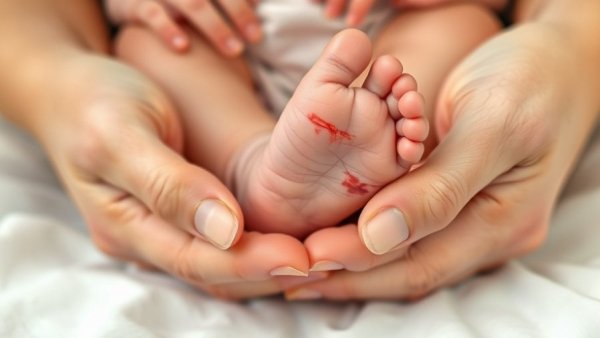
Rising Concern: Congenital Measles Cases in the United States
As communities become increasingly aware of the implications of vaccination, a troubling new trend has caught the attention of healthcare professionals across the nation: congenital measles. Preliminary figures show that there have been 13 reported cases of this rare condition in the United States between January 2025 and September 2026, as reported by the Centers for Disease Control and Prevention (CDC). This rise raises alarms about the potential dangers not only to newborns but also to entire communities, particularly among vulnerable populations.
Understanding Congenital Measles
Congenital measles occurs when a mother contracts the virus during pregnancy, leading to severe health consequences for the newborn. The infant may experience a range of complications, including low birth weight, respiratory issues, and neurological impairments. These challenges can have lasting effects on a child's development and quality of life. With the resurgence of measles reported nationwide, it is crucial for seniors and families to understand the potential risks associated with this vibrant illness and the importance of preventative measures.
Link Between Measles and Vaccination Rates
The increase in congenital measles cases can be linked, in part, to declining vaccination rates. In Louisiana, only about 86% of children receive their measles, mumps, and rubella (MMR) vaccine by age two. This rate falls below the required threshold to maintain herd immunity—a safety net that protects not just vaccinated individuals but also those who are unable to receive vaccines due to medical conditions. For older adults in the state, this could mean a growing exposure risk, especially if they are caring for babies and young children. Furthermore, the recent spread of misinformation regarding vaccines adds an additional layer of complexity to this public health issue.
How Vaccination Protects Future Generations
Vaccination isn't just about personal health; it’s also about community health. When vaccination rates fall, vulnerable populations—including infants who cannot yet be vaccinated—face a higher risk of exposure to potentially deadly diseases, such as measles. For seniors in Louisiana, staying informed about vaccine recommendations can help protect their families and the community at large. Engaging with healthcare providers about vaccination is a proactive way to ensure that grandparents, caregivers, and parents understand the role they play in safeguarding health. Community resources, such as free vaccination clinics and educational seminars, can empower families to make informed decisions.
Insights from Health Experts
Health professionals emphasize the importance of educating families about the critical role of vaccinations. Dr. Sarah Morales, a pediatrician in Louisiana, states, “Measles might seem like a disease of the past, but if complacency continues, we could see a resurgence that impacts our most vulnerable communities, including infants and the elderly.” Experts suggest that community outreach programs focused on vaccination education can help bridge the knowledge gap and combat misconceptions. Local clinics, community centers, and schools can be platforms for disseminating essential information on vaccination benefits and availability.
The Emotional Toll: Personal Stories
The emotional impact of congenital illnesses can be devastating for families. Take, for example, the story of Clarissa, a grandmother from New Orleans who became a passionate advocate for vaccinations after her grandchild experienced serious health issues due to measles exposure. “I never thought something like this could happen. Seeing my grandbaby struggle because of something preventable changed my life,” she shared. Personal stories like Clarissa’s highlight the critical need for awareness and action in combating vaccination hesitancy. It serves as a reminder that each family is interconnected in their health journeys.
Future Predictions: A Path Forward
As we look ahead, the future of public health in Louisiana depends heavily on the actions taken today. Increased education about the importance of vaccinations can lead to higher immunization rates, ultimately protecting future generations. Additionally, fostering community engagement and addressing vaccine hesitancy through open dialogue can create a ripple effect that shapes a healthier society. Schools, local government initiatives, and non-profit organizations must work in unison to promote comprehensive health education and accessible healthcare.
Your Role in Community Health
For seniors in Louisiana, being informed isn’t just about protecting oneself; it’s also about the community. Engage in conversations about vaccinations within families and among friends. Participate in local health events, and seek out information from trusted medical professionals. The effort to combat measles and other preventable diseases starts with you. Consider joining community boards or health committees to stay engaged with public health initiatives.
In these challenging times, it is vital to remain vigilant. Every bit of knowledge you gain can create a safer environment for your loved ones. Take a moment to discuss vaccination options and health concerns with your healthcare provider today. Remember, the actions taken now can guard against the resurgence of diseases that we have the power to prevent through informed and collective action. Together, we can ensure a healthier future for Louisiana's children and families.




Write A Comment