


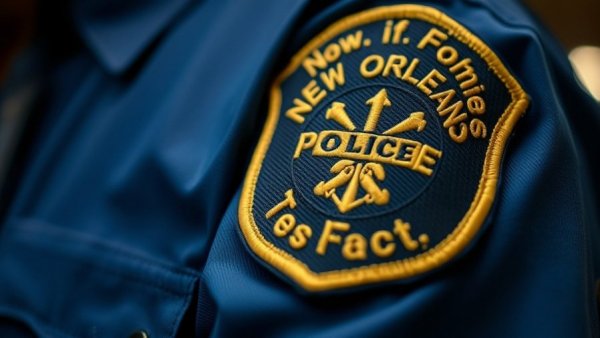
The Arrest of Senior NOPD Officer: A Community Under Shock
The New Orleans Police Department (NOPD) finds itself grappling with a shocking revelation as one of its senior officers, Michael Murhammer, was arrested by the FBI on serious charges related to his duties. This incident marks a significant moment not only for the department but also for the community at large, particularly among the city’s older residents who often view law enforcement as a pillar of safety and stability. Many seniors have dedicated their lives to building their neighborhoods and fostering security, and an event like this disrupts that foundation, leaving them in a state of unease.
Understanding the Charges: What We Know
Michael Murhammer, with a lengthy tenure in the NOPD, is facing allegations that could profoundly impact his career and the department's integrity. While the specific details of the charges remain undisclosed pending investigations, the NOPD has stated that the FBI's involvement underscores the seriousness of the accusations against him. Adults over 55 in Louisiana, many of whom may have a vested interest in the ethics and conduct of police officers, are understandably concerned about how this may affect their community's safety. Law enforcement often plays an important role in the daily lives of older residents, from neighborhood patrols to responding to emergencies, making this incident particularly troubling.
Implications for NOPD: Rebuilding Trust
This arrest raises broader questions regarding accountability within police forces, especially in a city like New Orleans, which has historically faced scrutiny over its law enforcement practices. For older citizens, who may already feel vulnerable in a rapidly changing social landscape, incidents involving officers can shift their perception of safety and the reliability of the very institutions designed to protect them. The NOPD will have to engage in a delicate balancing act of maintaining public confidence while ensuring justice is served. As we transition into a new age of policing, rebuilding trust will be essential, especially as the community looks for reassurance that their safety is a priority. Furthermore, open discussions about policing methods, community safety initiatives, and departmental policies are imperative to restore faith in law enforcement. Seniors, in particular, should feel empowered to ask questions and seek transparency on issues that directly impact their lives.
The Internal Investigation: Expected Outcomes
An internal investigation is now underway to assess the implications of this arrest on the department's operations and the community's perception of law enforcement. This process will serve not only to hold individuals accountable but also to ensure that systemic issues are addressed within the police department. For older demographics, transparency in this investigation is vital, as they often prioritize safety and accountability more highly than younger generations. They want assurance that the police force is not only operating within the law but also committed to the community's welfare. This could involve changes in protocols, additional training for officers, and enhanced measures to prevent misconduct. Engaging with organizations focused on civil rights can also pave the way for reformed policing strategies that enhance community relations.
A Call for Community Engagement and Dialogue
This incident could serve as a catalyst for increased community engagement. Residents, especially seniors, are encouraged to attend local meetings focused on public safety and community policing initiatives. Discussions that empower citizens to voice their concerns and suggest reforms can bolster dialogues between law enforcement and those they serve. By fostering these conversations, the NOPD and community members can work together to improve trust, which is crucial for creating a safe environment for everyone. Moreover, forming alliances with local community groups can amplify the voices of seniors, ensuring their specific concerns regarding public safety, resources, and outreach programs are taken seriously. This can lead to new community safety measures designed with input from those who understand the unique challenges faced by older adults.
The Emotional Impact: How Community Perception Shapes Reality
For many seniors, the emotions tied to this incident may evoke a sense of betrayal, particularly if they have long relied on the police as community protectors. The emotional toll of such a breach of trust cannot be underestimated. Efforts should be made to recognize these sentiments as vital to the healing process of community relationships, undeniably intertwined with public safety. Communities can initiate support groups or forums specifically aimed at seniors to help them process their feelings about this incident, allowing for collective healing and fostering a renewed commitment to safety and collaboration within the community.
Future Implications: What Lies Ahead?
As the investigation unfolds, it raises critical questions about the future of policing in New Orleans. Community leaders and local government must seek to strike a balance between protecting the rights of the accused and addressing community safety concerns. For older adults, this moment offers an opportunity to advocate for stronger oversight of law enforcement, ensuring that their voices are heard in the policy-making process. This is a time for the local community to come together with a shared goal of creating a safer environment where trust can be rebuilt and maintained.
Conclusion: A Community's Plea for Justice and Integrity
The arrest of a senior officer within the NOPD serves as a stark reminder of the challenges that lie ahead for both the department and the broader New Orleans community. This incident not only threatens the reputation of those who serve but also highlights the need for systemic reform and open dialogue about police practices. For residents, especially those aged 55 and older, finding ways to engage with law enforcement on these crucial issues can be a pathway to renewed trust and safety. In conclusion, now is a pivotal moment for community involvement in local policing discussions. Embrace the chance to engage and advocate for a better, more transparent future in policing. Whether through attending community meetings, joining advocacy groups, or directly communicating with law enforcement, every action contributes to the larger goal of safety and integrity within our neighborhoods.




Write A Comment