


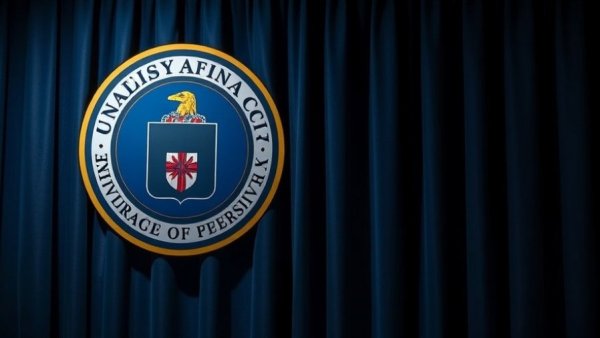
The Unseen Threat: Understanding the CIA Cyberattack
In a shocking turn of events, reports have emerged detailing a breach of an unclassified system within the CIA. A source familiar with the incident disclosed this information to the Associated Press, sparking concerns about security vulnerabilities at one of the most sensitive agencies in the United States. Cyberattacks have become increasingly prevalent, affecting various sectors, and this attack raises significant questions about the integrity of our national security systems. The nature of this breach reveals how even the most secure organizations can be targeted, offering a stark reminder of the ongoing battle against cybercrime.
Why This Matters to Seniors in Louisiana
For our community in Louisiana, especially those who are 55 and older, this incident highlights a pressing issue: the importance of understanding cyber threats in our daily lives. Many seniors engage with technology, whether through online banking, telehealth services, or social platforms to stay connected with family and friends. As the sophistication of cyber threats increases, awareness about how to protect personal information is crucial. The reality is that cybercriminals often exploit the very tools we rely on for convenience and connection.
Furthermore, Louisiana has seen a rise in online scams targeting older residents, with reports of phishing schemes and other fraudulent activities becoming more common in recent years. By understanding the nature of these threats in light of broader cybersecurity incidents, seniors can better navigate the digital landscape.
Historical Context: The Evolution of Cyber Threats
The cyber landscape has dramatically shifted over the past two decades, making it more vulnerable to attacks. What began as simple hacks for notoriety has evolved into organized crime targeting government institutions and personal information worldwide. Understanding this backdrop can help seniors recognize the potential risks and protect themselves from becoming victims of cybercrime. Cyber threats have grown in complexity, with organizations employing sophisticated methods to infiltrate systems and steal sensitive data.
In addition to targeting individual users, hackers aim for larger systems and networks. This trend shows how interconnected our digital lives are—one agency's vulnerabilities can potentially affect the data privacy of many citizens. For seniors, this interconnectedness means that personal information can sometimes be at risk without their direct knowledge.
The Emotional Impact: Why It Matters to You
As we navigate these uncertain times, the emotional toll of such incidents can't be overlooked. For older adults, concerns over privacy and security can foster anxiety and fear. It's essential to address these feelings and empower our seniors with knowledge about available resources and protections. The fear of identity theft or loss of access to important services can weigh heavily, impacting overall well-being.
Additionally, seniors may feel marginalized in discussions around technology and cybersecurity; they may perceive these topics as overwhelming or too complicated. By providing information in an accessible way, we can ensure older adults feel supported and capable. Learning more about cybersecurity enhances their sense of control and security when using digital platforms. It’s important to foster a supportive dialogue that not only educates but also reassures.
Taking Action: How Seniors Can Protect Themselves
Awareness is the first step. Here are some practical tips for seniors to protect their personal information:
- Regularly change passwords and use two-factor authentication when available. This adds an extra layer of security beyond just a password.
- Be cautious of unsolicited emails or messages requesting personal information. Verify the source before responding.
- Educate themselves and their peers about common cyber threats, such as phishing scams. Many local libraries and community centers offer classes on digital safety.
- Consider reaching out to tech-savvy family members or trusted friends for guidance. Family can help demystify technology and explain complicated topics.
- Stay updated on new cyber threats and trends. Subscribing to newsletters or following local news can provide valuable insights.
By taking these actionable steps, seniors can play an active role in safeguarding their information and digital interactions. Furthermore, participating in community workshops related to cybersecurity can significantly enhance their understanding and comfort level with technology.
Future Insights: A Look Ahead
With cyber threats expected to become more sophisticated, the future poses new challenges. It is vital for the community to stay informed about these developments. Technology is not going away; rather, it will continue to evolve. Continued education on cybersecurity will not only assist individuals but preserve the integrity of data and security for our entire community. As the threat landscape shifts, so too must our strategies for engagement and protection.
Communities that prioritize education and support for their older residents stand to create safer digital environments. This collective effort not only enhances the individual experience but also bolsters confidence across the entire demographic of seniors.
Conclusion: Knowledge is Power
The breach of the CIA's unclassified system serves as a timely reminder for all, particularly for those in Louisiana's senior population who may feel overwhelmed by the digital landscape. Understanding the implications of such cyber threats can empower older adults to protect themselves and contribute to the larger dialogue about cybersecurity. Knowledge is a crucial first step in ensuring safety and peace of mind in our ever-connected world. By taking proactive measures, seniors can reclaim their sense of security within the online community.
To delve deeper into protecting yourself from cybersecurity risks and learn more about available resources, consider joining local workshops or online webinars aimed at senior education. Many organizations focus specifically on empowering seniors in digital literacy. Staying informed is your best defense against the ever-evolving risks that come with technology. Remember, when it comes to cybersecurity, being proactive is just as important as being knowledgeable.




Write A Comment