• Home
  • Categories
    • Health
    • Money
    • Lifestyle
    • Travel
    • Entertainment
    • Louisiana News
    • Jobs and Careers
    • Featured
November 06.2026
4 Minutes Read

Remembering Rachel Apa: A Marathoner's Impact on Faith and Community

Young female athlete playing field hockey and smiling portrait.

Honoring Rachel Apa's Spirit: A Life of Faith and Perseverance

On November 1, 2023, the running community mourned a profound loss with the passing of Rachel Apa, a vibrant 24-year-old emerging leader whose journey ended tragically during the New York City Marathon. As she pushed her limits, reaching mile 24, Rachel collapsed from rhabdomyolysis—a rare and dangerous condition caused by muscle breakdown under extreme exertion. Despite the frantic efforts of medical personnel, the fight to save her ended after six grueling hours. Her story, however, is not just about an untimely death; it's a celebration of a life deeply rooted in faith and driven by a commitment to uplift others.

Understanding Rhabdomyolysis: The Silent Threat

Rhabdomyolysis can strike unexpectedly, especially in athletes who push their bodies to their maximum. Characterized by muscle cell damage, it releases toxins into the bloodstream, potentially leading to severe kidney damage. Though many may perceive endurance sports as safe, this case is a sobering reminder of the hidden risks. Rachel's health, deemed strong prior to the marathon, underscores the unpredictable nature of this condition and the importance of listening to one’s body, particularly in high-pressure situations. Those interested in running or undertaking intense physical challenges should be mindful of these risks. In addition to physical symptoms like muscle pain and weakness, individuals should remain vigilant about hydration, nutritional balance, and rest, all vital for preventing such conditions.

A Commitment to Community and Charity

Rachel wasn’t just a dedicated athlete; she embodied community spirit through her efforts to raise funds for Parkinson’s disease research during her marathon run. This commitment illustrates how personal challenges can be transformed into opportunities for broader impact. In her words, seen in a recent assignment shared by her professor, her mission was to utilize her talents for the betterment of those around her. This reflection highlights the deep connection between personal aspiration and communal responsibility, a lesson that resonates significantly, especially for individuals looking to contribute meaningfully in their later years. Engaging in activities like charity events or volunteering can offer not only fulfillment but also create networks to support others facing challenges.

The Legacy of Faith and Strength: Impact on Those Around Her

Rachel's life was marked by her faith, as she sought to showcase Christ’s love in all endeavors. Her ideology found particular resonance at Charleston Southern University, where she had just embarked on her MBA journey. Professor Maxwell Rollins noted that her passion for others was a light to students and faculty alike. Her ambitions went beyond personal success; she thrived on using her education to enact positive change in her community. In moments of loss, it’s important to consider how Rachel’s faith and optimistic attitude can guide us through grief and inspire resilience among those left behind. As her peers reflect on her legacy, they can embody her spirit by uplifting one another, much as Rachel did.

Resilience Through Mourning: How Communities Remember

From her field hockey days to her efforts as a young professional, Rachel's communities are rallying to honor her contributions. The Central Penn Field Hockey Club expressed their heartbreak, celebrating her relentless spirit and competitive nature—qualities they will carry forward as they remember her. Such tributes not only shed light on her personal athletic achievements but underscore the importance of coming together in solidarity during moments of tragedy. The outpouring of support from Rachel’s teammates illustrates how she inspired not only excellence in sport but also camaraderie. Collectively remembering her spirit and contributions helps foster a resilient community.

Actionable Steps After a Loss: Seeking Meaning in Grief

As Rachel’s friends and family navigate their grief, there are constructive approaches to find solace. Engaging in community service, sharing memories, or even participating in charity runs can help channel grief into positive action, much like Rachel did. Activities that align with her passions can also provide a therapeutic outlet for those mourning her loss. Establishing support groups or attending memorial services often brings healing and connection during desperate times. For those impacted by loss, leaning on faith and community can foster resilience and hope. In a broader sense, these practices can cultivate a supportive environment where individuals can share their feelings, discuss their memories of those who have passed, and ultimately find peace.

Looking Ahead: The Impact of Rachel's Journey

As discussions about Rachel’s life continue, her legacy prompts reflection on the importance of health, community service, and faith. For those over 55, her journey serves as an invitation to participate in local charities and programs that benefit health initiatives or community support systems. By sharing their own experiences, older adults can inspire younger generations, creating a cycle of mentorship and engagement. Rachel's story is a testament to how every individual has the power, regardless of age, to impact the lives of others and to embrace a life filled with purpose.

Conclusion: Rachel Apa's Legacy Continues

Rachel Apa's story is a poignant reminder of life's unpredictability and the power of living with intention. As her legacy unfolds, the call to honor her memory remains strong—encouraging acts of charity and community involvement. For those looking to embrace a similar path of purpose, consider stepping out and engaging in local causes, using your time and talents to create a lasting impact in honor of individuals like Rachel. Her heart for Jesus and commitment to charity can inspire generations, reminding us all to live fully, to love deeply, and to uplift those around us. Rachel Apa's life may have been brief, but her influence will resonate in the hearts of many, urging us all to strive for the betterment of our communities.

Health

1 Views

Write A Comment

*
*
Please complete the captcha to submit your comment.
Related Posts All Posts
11.06.2026

Measles Death in Wisconsin: A Critical Call for Vaccination Awareness

Update Tragic Consequences of Measles: A Warning for Our Community Recently, the heart-wrenching news of an infant's death due to measles in Wisconsin has sent shockwaves throughout the country. This tragic event serves as a stark reminder of the resurgence of this preventable disease, emphasizing the critical importance of vaccinations within our communities, especially for our most vulnerable populations: infants and seniors. Understanding the Dangers of Measles Measles, once relegated to forgotten history thanks to effective vaccination programs, is making an alarming comeback. In 2019, the United States saw its highest number of measles cases since 1992, raising concerns among health officials and families alike. The symptoms begin with a fever, cough, and runny nose, rapidly progressing to a distinctive rash. More concerning, this highly contagious virus can lead to severe complications, including pneumonia, encephalitis, and even death. This illness spreads easily, especially among unvaccinated populations. In fact, a person infected with measles can spread the virus to others from four days before to four days after the rash appears. Hence, it is crucial to maintain high vaccination rates to protect not only individuals but also the broader community, as this creates herd immunity. Without it, outbreaks can occur, threatening those who cannot be vaccinated due to medical reasons. Vaccinations: A Lifesaving Choice The most effective way to protect ourselves and our loved ones from measles is through vaccination. The CDC recommends that children receive the measles, mumps, and rubella (MMR) vaccine at 12–15 months of age, followed by a second dose between 4 and 6 years. Yet, awareness and accessibility remain significant hurdles, especially in communities with lower vaccination rates. This can be particularly concerning in Louisiana, where economic disparities and geographical challenges may complicate access to healthcare services. Many families may face barriers such as cost, transportation, or misinformation about vaccine safety. Educating our neighbors about available resources and dispelling myths can help improve vaccination rates significantly. Moreover, local health clinics often provide vaccinations at reduced costs or even free, which should be communicated to those who need assistance. Your Role in Community Health As members of the Louisiana community, we have a critical role to play in safeguarding our health and the health of those around us. It is essential to engage in conversations about the importance of vaccinations, advocating for reliable health resources, and ensuring that vaccination clinics are accessible to everyone, particularly to families with young children. The more we talk about vaccines and share factual information, the more we can influence positive change in community health. Furthermore, participating in local health boards or school meetings can provide opportunities to push for better health education programs that include vaccination awareness, ensuring that the topic stays in the public consciousness. Cultural Significance of Vaccination in Louisiana Within the rich tapestry of Louisiana’s culture, family and community are paramount. This tragedy highlights the necessity for communal responsibility in health. By prioritizing vaccinations, we honor not just our individual well-being, but also the health of our community at large. In many cases, health decisions are influenced by family and community narratives. Sharing positive stories about vaccination can normalize the conversation and encourage more families to protect their children. Moreover, in a state known for its tight-knit communities where family gatherings and celebrations are common, ensuring that everyone is vaccinated protects not just individual kids but also the older relatives, who may be at risk for complications if they contract measles. It becomes a shared commitment to health. Moving Forward: Actions You Can Take So, what can you do? First, ensure that your vaccinations are up to date and promote this within your family and social circles. Share information about local vaccination clinics and seek out reliable sources for vaccination information. Participating in community health events can also foster a culture of prevention and awareness. Consider organizing or joining neighborhood vaccination drives or health fairs. These events can offer a wonderful opportunity for families to get vaccinated and learn more about other health resources available in the area. By taking proactive steps and leading by example, you set a standard for collective responsibility that can resonate throughout the community. Breaking Down Common Misconceptions Many people still harbor misconceptions about vaccines, often stemming from misinformation or lack of resources. It is crucial to address these myths positively and factually. Vaccinations do not cause disease; rather, they prepare our bodies to fight off infections, ensuring that we can resist illnesses like measles, which can have devastating effects. Addressing these concerns requires patience and understanding, especially when talking to hesitant friends or family members. Providing evidence-based information about the safety and efficacy of vaccines, perhaps sharing stories or testimonials from community members who have benefitted from vaccinations, can reel others in. Inspiring Stories of Resilience Within our neighborhoods, stories of families overcoming health challenges through awareness and vaccination can be powerful motivators. Sharing these experiences not only provides hope but also encourages others to take action in safeguarding their health. For example, local health heroes or families who have faced health crises and turned towards vaccination to build resilience can serve as excellent examples for driving home the importance of preventive care. Conclusion: A Call to Action In conclusion, this tragic loss in Wisconsin serves as a call to action for all of us. To prevent such heartaches, we must take proactive steps in advocating for vaccinations, particularly for our children and at-risk populations. Let’s honor the memory of those affected by making informed choices that protect our families and community. This issue transcends individual choices; it is about protecting every member of our Louisiana community, so no family has to endure the pain of losing a loved one to a preventable disease. Together, we can work toward a healthier future.

11.06.2026

Essential Health Insights: Lung Cancer Screenings, Brain Death, and Marijuana Risks

Update What You Should Know About Lung Cancer Screenings Lung cancer remains a critical health issue, particularly for senior citizens. According to recent research, it is the leading cause of cancer death among adults across numerous demographics, making awareness and early intervention essential. Experts are advocating that individuals at high risk—like smokers or those with a family history of lung cancer—should discuss lung cancer screenings with healthcare providers. Early detection can lead to timely diagnosis, which is crucial for effective treatment options. Moreover, it's important to consider how local healthcare initiatives in Louisiana are working towards implementing accessible screening programs, especially in rural areas. For many older adults, understanding the specifics of lung cancer screenings is vital. The most common screening method is a low-dose computed tomography (CT) scan, which has been shown to reduce the risk of dying from lung cancer by detecting the disease in earlier stages. Engaging in conversations with your doctor about your risk factors and the potential benefits of screening can empower you to take a proactive approach to your health. It is a small step that can significantly enhance life expectancy and improve overall health outcomes. Understanding Brain Death: A Family's Guide Brain death is a complex topic that many families may be unprepared to understand. It refers to the irreversible loss of all brain function and is legally recognized as death. For families facing this emotionally charged situation, knowing what brain death means is vital. Understanding this concept can help in making informed decisions about end-of-life care and organ donation. The emotional burden can be heavy, and being equipped with knowledge can alleviate some confusion and stress. In Louisiana, families may find support groups and resources that help clarify these difficult topics. Being well-informed can help families navigate these life-altering decisions during critical moments. Discussing preferences for end-of-life care beforehand allows for more personal agency in those tough choices. Additionally, this knowledge can also foster meaningful conversations around organ donation, which can ultimately save lives—and making these decisions with transparency can offer comfort during difficult times. Marijuana Hospitalizations: New Findings A recent study highlights a rise in marijuana-related hospitalizations, which reveals growing concerns about its misuse, particularly among older adults. Although many perceive marijuana as a relatively safe substance, it’s essential to note that misuse can lead to adverse effects, including confusion, falls, and even respiratory issues. Educating yourself on the potential risks associated with marijuana use can prevent serious health complications. This new data urges families to have open conversations about marijuana consumption, especially with elder relatives who may be considering its use for pain management or other health issues like anxiety or insomnia. It is crucial for families in Louisiana to address this topic directly and understand that while cannabis can provide relief, especially in cases of chronic pain, it also has the potential for dependence and health-related complications. Engaging with local health professionals or support groups can provide additional insights into safe usage and alternatives if necessary. Practical Tips for Healthier Living Incorporating small but impactful, healthy changes into daily life can significantly enhance well-being. Simple actions, such as adding short walks into your routine or opting for a fresh fruit salad instead of sugary desserts can make a difference. Not only do these effortless shifts boost physical health, but they can also improve your mental well-being. For seniors, involving yourself in community activities—like group exercise sessions, art classes, or healthy cooking workshops—can strengthen social connections and encourage a vibrant lifestyle. Moreover, consider meal prepping or planning, which can lead to better nutrition over time. Encouraging family members to join in these activities can also foster bonding and make healthy living a group effort. Apps and local community boards often list resources on exercise and nutrition, making these healthy choices even more accessible. Why Knowledge is Power in Health Decisions Being informed about health topics empowers individuals and families to make better decisions. Knowledge regarding lung cancer screenings, the definition of brain death, and the effects of substances like marijuana allows older adults in Louisiana to take control of their health narratives. Understanding these concepts not only promotes better choices but also builds confidence in discussions with healthcare professionals. As health details evolve, staying updated on research and health news fosters a proactive approach to health and wellness. Concluding Thoughts As we navigate through these significant health topics, it’s essential to consider how you can integrate this information into your daily life or share it with loved ones. Staying informed leads to better choices, empowering you to enhance not just your health but also the well-being of those around you. Remember, health discussions should be open and ongoing—don’t hesitate to reach out to healthcare professionals for guidance, and make knowledge a part of your wellness journey. By remaining proactive, you can foster a healthier community and ensure that the voices of our senior citizens are heard, respected, and informed.

11.06.2026

Navigating Lower Water Pressure: Insights for New Orleans Seniors

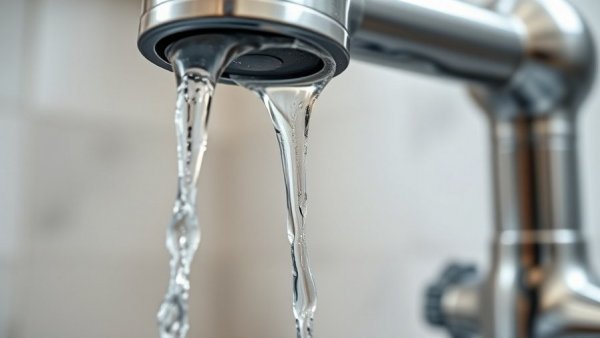
Update Understanding the Water Pressure Issue in New Orleans Residents of certain neighborhoods in New Orleans, particularly in areas east of St. Bernard Avenue, are experiencing disruptions in water pressure. This includes communities like Gentilly, the Marigny, Bywater, and the Lower Ninth Ward. Such fluctuations can be concerning, especially for senior citizens who may rely heavily on consistent access to water for daily needs, from hydration to medication routines. This situation emphasizes the importance of having dependable utilities, as many residents engage in daily activities that rely on a steady water supply. Why Are These Changes Happening? City officials have not provided a detailed explanation yet, but water pressure changes can often result from maintenance activities, pipe repairs, or system upgrades. While these improvements are necessary for long-term benefits, they can lead to temporary inconveniences. For example, older pipes may need to be replaced or repaired to prevent leaks and enhance the overall efficiency of the water distribution system. Ensuring safe drinking water is paramount, and understanding why these changes occur helps residents stay informed and patient. In a city like New Orleans, with its unique infrastructure challenges, these maintenance efforts can sometimes lead to more extended periods of disruption than one might expect. Impact on Daily Life For many residents, especially our senior citizens, low water pressure can create significant hurdles. Simple tasks such as cooking, bathing, and even emergency preparedness can be hampered. Imagine trying to fill a pot for pasta only to find that the water trickles out. Such frustrations can lead to not only inconvenience but also increased stress, particularly for those who may have mobility issues or other health concerns. Over the years, many community members have expressed their discomfort during similar incidents, often highlighting how crucial a reliable water supply is for their daily routines. Proactive Steps for Residents During these temporary disruptions, there are several proactive steps residents can take. Keeping bottled or filtered water on hand is a practical solution to ensure you have access during low-pressure events. Preparing meals ahead of time, keeping hygiene products ready, and maintaining an emergency kit with essentials can also be greatly beneficial. Additionally, consider filling containers with water ahead of peak usage times, such as before evening meals. Staying connected with local news sources for updates can help you stay informed about when the situation will return to normal, and sharing information with neighbors can create a supportive network during these challenging times. Social Connections Matter In tough times like these, it's essential to lean on your neighbors and friends. Sharing information can help everyone adapt more easily. Participating in local community groups or online forums can provide support and tips on managing through the disruptions. Whether it’s a friendly reminder to save your water usage or a simple chat to check in, maintaining those social networks is crucial. Building strong connections within the community can lead to collaborative efforts that foster resilience through various challenges, including temporary water issues. Emotional Well-Being During Water Issues These challenges can create feelings of anxiety or frustration. For our senior community members, the stress of low water pressure can be an added challenge to health and well-being. Taking a moment to breathe, focusing on sunny aspects of the day, or engaging in a favorite hobby can noticeably alleviate stress. Activities like reading, tending to a garden, or even listening to music can provide solace during disruptions. Remember that these circumstances are temporary and that support systems are available. Connecting with family or friends during these times can also be a way to navigate through the anxiety together, reminding us that we are not alone in facing these challenges. Future Predictions: What’s Next for Water Systems? As cities like New Orleans age, there will be ongoing challenges in maintaining water infrastructure. The discussion around upgrading water systems is growing, with important conversations about equity in access and modernization of services. Residents may start to see more investment in infrastructure, which should lead to fewer incidents of unexpected low water pressure. This long-term vision is crucial not only for improving service reliability but also for ensuring the sustainability of the water system as population demands change. An improved infrastructure could potentially lead to better water quality, a vital consideration for senior citizens and families alike. Conclusion and Encouragement to Stay Informed Understanding the connection between local water services and personal health and well-being is important for senior citizens and their families. While these instances of lower water pressure may pose temporary inconvenience, being proactive can make a difference. Whether it’s preparing for potential changes or connecting with the community, each step can support health and harmony in daily routines. By taking simple preparatory steps and staying informed, residents can mitigate the stress these disruptions often cause. Stay tuned for local updates, reach out when you need assistance, and remember to look out for one another. A community that shares is a community that thrives! Reach out to your neighbors, share your experiences, and stay resilient through these temporary hurdles. Together, we can navigate through such challenges and continue supporting one another in our daily lives.

Golden Years of Louisiana

GoldenYearsLA.com is Louisiana’s trusted online magazine for seniors, offering lifestyle inspiration, health tips, financial guidance, and travel ideas tailored to you.

  • Privacy Policy
  • Terms of Use
  • Advertise
  • Contact Us
  • Menu 5
  • Menu 6
Hours

AVAILABLE M-F 9AM - 5PM CST

Hall Street Media

Hall Street Media is a Louisiana-based media company creating engaging digital publications for lifestyle, health, business, and regional audiences across the Gulf South.

© 2026 Golden Years of Louisiana All Rights Reserved. Hall Street Media, Lafayette, Louisiana 70501 . Contact Us . Terms of Service . Privacy Policy

eyJjb21wYW55IjoiR29sZGVuIFllYXJzIG9mIExvdWlzaWFuYSIsImFkZHJlc3MiOiJIYWxsIFN0cmVldCBNZWRpYSIsImNpdHkiOiJMYWZheWV0dGUiLCJzdGF0ZSI6IkxvdWlzaWFuYSIsInppcCI6IjcwNTAxIiwiZW1haWwiOiJnb2xkZW55ZWFyc2xhQGdtYWlsLmNvbSIsInRvcyI6IlBIQStQSE4wY205dVp6NDhaVzArVjJobGJpQjViM1VnYzJsbmJpMXBiaUIzYVhSb0lIVnpMQ0I1YjNVZ1lYSmxJR2RwZG1sdVp5WnVZbk53T3lCNWIzVnlJSEJsY20xcGMzTnBiMjRnWVc1a0lHTnZibk5sYm5RZ2RHOGdjMlZ1WkNCNWIzVWdaVzFoYVd3Z1lXNWtMMjl5SUZOTlV5QjBaWGgwSUcxbGMzTmhaMlZ6TGlCQ2VTQmphR1ZqYTJsdVp5QjBhR1VnVkdWeWJYTWdZVzVrSUVOdmJtUnBkR2x2Ym5NZ1ltOTRJR0Z1WkNCaWVTQnphV2R1YVc1bklHbHVJSGx2ZFNCaGRYUnZiV0YwYVdOaGJHeDVJR052Ym1acGNtMGdkR2hoZENCNWIzVWdZV05qWlhCMElHRnNiQ0IwWlhKdGN5QnBiaUIwYUdseklHRm5jbVZsYldWdWRDNDhMMlZ0UGp3dmMzUnliMjVuUGp3dmNENEtDanh3UG1oMGRIQnpPaTh2WjI5c1pHVnVlV1ZoY25Oc1lTNWpiMjA4TDNBK0NnbzhjRDRtYm1KemNEczhMM0ErQ2dvOGNENDhjM1J5YjI1blBsTkZVbFpKUTBVOEwzTjBjbTl1Wno0OEwzQStDZ284Y0Q1WFpTQndjbTkyYVdSbElHRWdjMlZ5ZG1salpTQjBhR0YwSUdOMWNuSmxiblJzZVNCaGJHeHZkM01nZVc5MUlIUnZJSEpsWTJWcGRtVWdjbVZ4ZFdWemRITWdabTl5SUdabFpXUmlZV05yTENCamIyMXdZVzU1SUdsdVptOXliV0YwYVc5dUxDQndjbTl0YjNScGIyNWhiQ0JwYm1admNtMWhkR2x2Yml3Z1kyOXRjR0Z1ZVNCaGJHVnlkSE1zSUdOdmRYQnZibk1zSUdScGMyTnZkVzUwY3lCaGJtUWdiM1JvWlhJZ2JtOTBhV1pwWTJGMGFXOXVjeUIwYnlCNWIzVnlJR1Z0WVdsc0lHRmtaSEpsYzNNZ1lXNWtMMjl5SUdObGJHeDFiR0Z5SUhCb2IyNWxJRzl5SUdSbGRtbGpaUzRnV1c5MUlIVnVaR1Z5YzNSaGJtUWdZVzVrSUdGbmNtVmxJSFJvWVhRZ2RHaGxJRk5sY25acFkyVWdhWE1nY0hKdmRtbGtaV1FnSm5GMWIzUTdRVk10U1ZNbWNYVnZkRHNnWVc1a0lIUm9ZWFFnZDJVZ1lYTnpkVzFsSUc1dklISmxjM0J2Ym5OcFltbHNhWFI1SUdadmNpQjBhR1VnZEdsdFpXeHBibVZ6Y3l3Z1pHVnNaWFJwYjI0c0lHMXBjeTFrWld4cGRtVnllU0J2Y2lCbVlXbHNkWEpsSUhSdklITjBiM0psSUdGdWVTQjFjMlZ5SUdOdmJXMTFibWxqWVhScGIyNXpJRzl5SUhCbGNuTnZibUZzYVhwaGRHbHZiaUJ6WlhSMGFXNW5jeTQ4TDNBK0NnbzhjRDVaYjNVZ1lYSmxJSEpsYzNCdmJuTnBZbXhsSUdadmNpQnZZblJoYVc1cGJtY2dZV05qWlhOeklIUnZJSFJvWlNCVFpYSjJhV05sSUdGdVpDQjBhR0YwSUdGalkyVnpjeUJ0WVhrZ2FXNTJiMngyWlNCMGFHbHlaQ0J3WVhKMGVTQm1aV1Z6SUNoemRXTm9JR0Z6SUZOTlV5QjBaWGgwSUcxbGMzTmhaMlZ6TENCSmJuUmxjbTVsZENCelpYSjJhV05sSUhCeWIzWnBaR1Z5SUc5eUlHTmxiR3gxYkdGeUlHRnBjblJwYldVZ1kyaGhjbWRsY3lrdUlGbHZkU0JoY21VZ2NtVnpjRzl1YzJsaWJHVWdabTl5SUhSb2IzTmxJR1psWlhNc0lHbHVZMngxWkdsdVp5QjBhRzl6WlNCbVpXVnpJR0Z6YzI5amFXRjBaV1FnZDJsMGFDQjBhR1VnWkdsemNHeGhlU0J2Y2lCa1pXeHBkbVZ5ZVNCdlppQmxZV05vSUZOTlV5QjBaWGgwSUcxbGMzTmhaMlVnYzJWdWRDQjBieUI1YjNVZ1lua2dkWE11SUVsdUlHRmtaR2wwYVc5dUxDQjViM1VnYlhWemRDQndjbTkyYVdSbElHRnVaQ0JoY21VZ2NtVnpjRzl1YzJsaWJHVWdabTl5SUdGc2JDQmxjWFZwY0cxbGJuUWdibVZqWlhOellYSjVJSFJ2SUdGalkyVnpjeUIwYUdVZ1UyVnlkbWxqWlNCaGJtUWdjbVZqWldsMlpTQjBhR1VnVTAxVElIUmxlSFFnYldWemMyRm5aWE11SUZkbElHUnZJRzV2ZENCamFHRnlaMlVnWVc1NUlHWmxaWE1nWm05eUlHUmxiR2wyWlhKNUlHOW1JR1Z0WVdsc0lHOXlJRk5OVXk0Z1ZHaHBjeUJwY3lCaElHWnlaV1VnYzJWeWRtbGpaU0J3Y205MmFXUmxaQ0JpZVNCMWN5NGdTRzkzWlhabGNpd2djR3hsWVhObElHTm9aV05ySUhkcGRHZ2dlVzkxY2lCcGJuUmxjbTVsZENCelpYSjJhV05sSUhCeWIzWnBaR1Z5SUdGdVpDQmpaV3hzZFd4aGNpQmpZWEp5YVdWeUlHWnZjaUJoYm5rZ1kyaGhjbWRsY3lCMGFHRjBJRzFoZVNCcGJtTjFjaUJoY3lCaElISmxjM1ZzZENCbWNtOXRJSEpsWTJWcGRtbHVaeUJsYldGcGJDQmhibVFnVTAxVElIUmxlSFFnYldWemMyRm5aWE1nZEdoaGRDQjNaU0JrWld4cGRtVnlJSFZ3YjI0Z2VXOTFjaUJ2Y0hRdGFXNGdZVzVrSUhKbFoybHpkSEpoZEdsdmJpQjNhWFJvSUc5MWNpQmxiV0ZwYkNCaGJtUWdVMDFUSUhObGNuWnBZMlZ6TGlCWmIzVWdZMkZ1SUdOaGJtTmxiQ0JoZENCaGJua2dkR2x0WlM0Z1NuVnpkQ0IwWlhoMElDWnhkVzkwTzFOVVQxQW1jWFZ2ZERzZ2RHOG1ibUp6Y0RzOGFHbG5hR3hwWjJoMElHTnNZWE56UFNKamIyMXdZVzU1VTAxVFVHaHZibVZWY0dSaGRHVWlQbTUxYkd3OEwyaHBaMmhzYVdkb2RENHVJRUZtZEdWeUlIbHZkU0J6Wlc1a0lIUm9aU0JUVFZNZ2JXVnpjMkZuWlNBbWNYVnZkRHRUVkU5UUpuRjFiM1E3SUhSdklIVnpMQ0IzWlNCM2FXeHNJSE5sYm1RZ2VXOTFJR0Z1SUZOTlV5QnRaWE56WVdkbElIUnZJR052Ym1acGNtMGdkR2hoZENCNWIzVWdhR0YyWlNCaVpXVnVJSFZ1YzNWaWMyTnlhV0psWkM0Z1FXWjBaWElnZEdocGN5d2dlVzkxSUhkcGJHd2dibThnYkc5dVoyVnlJSEpsWTJWcGRtVWdVMDFUSUcxbGMzTmhaMlZ6SUdaeWIyMGdkWE11UEM5d1Bnb0tQSEErUEhOMGNtOXVaejVaVDFWU0lGSkZSMGxUVkZKQlZFbFBUaUJQUWt4SlIwRlVTVTlPVXp3dmMzUnliMjVuUGp3dmNENEtDanh3UGtsdUlHTnZibk5wWkdWeVlYUnBiMjRnYjJZZ2VXOTFjaUIxYzJVZ2IyWWdkR2hsSUZObGNuWnBZMlVzSUhsdmRTQmhaM0psWlNCMGJ6bzhMM0ErQ2dvOGIydytDZ2s4YkdrK2NISnZkbWxrWlNCMGNuVmxMQ0JoWTJOMWNtRjBaU3dnWTNWeWNtVnVkQ0JoYm1RZ1kyOXRjR3hsZEdVZ2FXNW1iM0p0WVhScGIyNGdZV0p2ZFhRZ2VXOTFjbk5sYkdZZ1lYTWdjSEp2YlhCMFpXUWdZbmtnZEdobElGTmxjblpwWTJVbUl6TTVPM01nY21WbmFYTjBjbUYwYVc5dUlHWnZjbTBnS0hOMVkyZ2dhVzVtYjNKdFlYUnBiMjRnWW1WcGJtY2dkR2hsSUNaeGRXOTBPMUpsWjJsemRISmhkR2x2YmlCRVlYUmhKbkYxYjNRN0tTQmhibVE4TDJ4cFBnb0pQR3hwUG0xaGFXNTBZV2x1SUdGdVpDQndjbTl0Y0hSc2VTQjFjR1JoZEdVZ2RHaGxJRkpsWjJsemRISmhkR2x2YmlCRVlYUmhJSFJ2SUd0bFpYQWdhWFFnZEhKMVpTd2dZV05qZFhKaGRHVXNJR04xY25KbGJuUWdZVzVrSUdOdmJYQnNaWFJsTGlCSlppQjViM1VnY0hKdmRtbGtaU0JoYm5rZ2FXNW1iM0p0WVhScGIyNGdkR2hoZENCcGN5QjFiblJ5ZFdVc0lHbHVZV05qZFhKaGRHVXNJRzV2ZENCamRYSnlaVzUwSUc5eUlHbHVZMjl0Y0d4bGRHVXNJRzl5SUhkbElHaGhkbVVnY21WaGMyOXVZV0pzWlNCbmNtOTFibVJ6SUhSdklITjFjM0JsWTNRZ2RHaGhkQ0J6ZFdOb0lHbHVabTl5YldGMGFXOXVJR2x6SUhWdWRISjFaU3dnYVc1aFkyTjFjbUYwWlN3Z2JtOTBJR04xY25KbGJuUWdiM0lnYVc1amIyMXdiR1YwWlN3Z2QyVWdhR0YyWlNCMGFHVWdjbWxuYUhRZ2RHOGdjM1Z6Y0dWdVpDQnZjaUE4YzNSeWIyNW5Qanh6Y0dGdUlITjBlV3hsUFNKamIyeHZjam9qUmtZd01EQXdPeUkrZEdWeWJXbHVZWFJsSUhsdmRYSWdZV05qYjNWdWRDOXdjbTltYVd4bElHRnVaQ0J5WldaMWMyVWdZVzU1SUdGdVpDQmhiR3dnWTNWeWNtVnVkQ0J2Y2lCbWRYUjFjbVVnZFhObElHOW1JSFJvWlNCVFpYSjJhV05sSUNodmNpQmhibmtnY0c5eWRHbHZiaUIwYUdWeVpXOW1LUzQ4TDNOd1lXNCtQQzl6ZEhKdmJtYytQQzlzYVQ0S1BDOXZiRDRLQ2p4d1BpWnVZbk53T3p3dmNENEtQR2hwWjJoc2FXZG9kQ0JqYkdGemN6MGlZMjl0Y0dGdWVVNWhiV1ZWY0dSaGRHVWlQa2R2YkdSbGJpQlpaV0Z5Y3lCdlppQk1iM1ZwYzJsaGJtRThMMmhwWjJoc2FXZG9kRDQ4WW5JZ0x6NEtQR2hwWjJoc2FXZG9kQ0JqYkdGemN6MGlZMjl0Y0dGdWVVVnRZV2xzVlhCa1lYUmxJajVuYjJ4a1pXNTVaV0Z5YzJ4aFFHZHRZV2xzTG1OdmJUd3ZhR2xuYUd4cFoyaDBQZz09IiwicHJpdmFjeSI6IlBIQStQSE4wY205dVp6NVFVa2xXUVVOWlBDOXpkSEp2Ym1jK1BDOXdQZ29LUEhBK1BITjBjbTl1Wno1VWFHVWdhVzVtYjNKdFlYUnBiMjRnY0hKdmRtbGtaV1FnWkhWeWFXNW5JSFJvYVhNZ2NtVm5hWE4wY21GMGFXOXVJR2x6SUd0bGNIUWdjSEpwZG1GMFpTQmhibVFnWTI5dVptbGtaVzUwYVdGc0xDQmhibVFnZDJsc2JDQnVaWFpsY2lCaVpTQmthWE4wY21saWRYUmxaQ3dnWTI5d2FXVmtMQ0J6YjJ4a0xDQjBjbUZrWldRZ2IzSWdjRzl6ZEdWa0lHbHVJR0Z1ZVNCM1lYa3NJSE5vWVhCbElHOXlJR1p2Y20wdUlGUm9hWE1nYVhNZ2IzVnlJR2QxWVhKaGJuUmxaUzQ4TDNOMGNtOXVaejQ4TDNBK0NnbzhjRDQ4YzNSeWIyNW5Qa2xPUkVWTlRrbFVXVHd2YzNSeWIyNW5Qand2Y0Q0S0NqeHdQanhsYlQ1WmIzVWdZV2R5WldVZ2RHOGdhVzVrWlcxdWFXWjVJR0Z1WkNCb2IyeGtJSFZ6TENCaGJtUWdhWFJ6SUhOMVluTnBaR2xoY21sbGN5d2dZV1ptYVd4cFlYUmxjeXdnYjJabWFXTmxjbk1zSUdGblpXNTBjeXdnWTI4dFluSmhibVJsY25NZ2IzSWdiM1JvWlhJZ2NHRnlkRzVsY25Nc0lHRnVaQ0JsYlhCc2IzbGxaWE1zSUdoaGNtMXNaWE56SUdaeWIyMGdZVzU1SUdOc1lXbHRJRzl5SUdSbGJXRnVaQ3dnYVc1amJIVmthVzVuSUhKbFlYTnZibUZpYkdVZ1lYUjBiM0p1WlhsekppTXpPVHNnWm1WbGN5d2diV0ZrWlNCaWVTQmhibmtnZEdocGNtUWdjR0Z5ZEhrZ1pIVmxJSFJ2SUc5eUlHRnlhWE5wYm1jZ2IzVjBJRzltSUVOdmJuUmxiblFnZVc5MUlISmxZMlZwZG1Vc0lITjFZbTFwZEN3Z2NtVndiSGtzSUhCdmMzUXNJSFJ5WVc1emJXbDBJRzl5SUcxaGEyVWdZWFpoYVd4aFlteGxJSFJvY205MVoyZ2dkR2hsSUZObGNuWnBZMlVzSUhsdmRYSWdkWE5sSUc5bUlIUm9aU0JUWlhKMmFXTmxMQ0I1YjNWeUlHTnZibTVsWTNScGIyNGdkRzhnZEdobElGTmxjblpwWTJVc0lIbHZkWElnZG1sdmJHRjBhVzl1SUc5bUlIUm9aU0JVVDFNc0lHOXlJSGx2ZFhJZ2RtbHZiR0YwYVc5dUlHOW1JR0Z1ZVNCeWFXZG9kSE1nYjJZZ1lXNXZkR2hsY2k0OEwyVnRQand2Y0Q0S0NqeHdQanh6ZEhKdmJtYytSRWxUUTB4QlNVMUZVaUJQUmlCWFFWSlNRVTVVU1VWVFBDOXpkSEp2Ym1jK1BDOXdQZ29LUEhBK1BITjBjbTl1Wno1WlQxVWdSVmhRVWtWVFUweFpJRlZPUkVWU1UxUkJUa1FnUVU1RUlFRkhVa1ZGSUZSSVFWUTZQQzl6ZEhKdmJtYytQQzl3UGdvS1BHOXNQZ29KUEd4cFBsbFBWVklnVlZORklFOUdJRlJJUlNCVFJWSldTVU5GSUVsVElFRlVJRmxQVlZJZ1UwOU1SU0JTU1ZOTExpQlVTRVVnVTBWU1ZrbERSU0JKVXlCUVVrOVdTVVJGUkNCUFRpQkJUaUFtY1hWdmREdEJVeUJKVXlaeGRXOTBPeUJCVGtRZ0puRjFiM1E3UVZNZ1FWWkJTVXhCUWt4RkpuRjFiM1E3SUVKQlUwbFRMaUFzTGlCQlRrUWdWVk1zSUVsVUppTXpPVHRUSUVOVlUxUlBUVVZTVXl3Z1JWaFFVa1ZUVTB4WklFUkpVME5NUVVsTlV5QkJURXdnVjBGU1VrRk9WRWxGVXlCUFJpQkJUbGtnUzBsT1JDd2dWMGhGVkVoRlVpQkZXRkJTUlZOVElFOVNJRWxOVUV4SlJVUXNJRWxPUTB4VlJFbE9SeXdnUWxWVUlFNVBWQ0JNU1UxSlZFVkVJRlJQSUZSSVJTQkpUVkJNU1VWRUlGZEJVbEpCVGxSSlJWTWdUMFlnVFVWU1EwaEJUbFJCUWtsTVNWUlpMQ0JHU1ZST1JWTlRJRVpQVWlCQklGQkJVbFJKUTFWTVFWSWdVRlZTVUU5VFJTQkJUa1FnVGs5T0xVbE9SbEpKVGtkRlRVVk9WQzQ4TDJ4cFBnb0pQR3hwUGsxQlMwVlRJRTVQSUZkQlVsSkJUbFJaSUZSSVFWUWdLR2twSUZSSVJTQlRSVkpXU1VORklGZEpURXdnVFVWRlZDQlpUMVZTSUZKRlVWVkpVa1ZOUlU1VVV5d2dLR2xwS1NCVVNFVWdVMFZTVmtsRFJTQlhTVXhNSUVKRklGVk9TVTVVUlZKU1ZWQlVSVVFzSUZSSlRVVk1XU3dnVTBWRFZWSkZMQ0JQVWlCRlVsSlBVaTFHVWtWRkxDQW9hV2xwS1NCVVNFVWdVa1ZUVlV4VVV5QlVTRUZVSUUxQldTQkNSU0JQUWxSQlNVNUZSQ0JHVWs5TklGUklSU0JWVTBVZ1QwWWdWRWhGSUZORlVsWkpRMFVnVjBsTVRDQkNSU0JCUTBOVlVrRlVSU0JQVWlCU1JVeEpRVUpNUlN3Z1FVNUVJQ2hwZGlrZ1FVNVpJRVZTVWs5U1V5QkpUaUJVU0VVZ1UwOUdWRmRCVWtVZ1YwbE1UQ0JDUlNCRFQxSlNSVU5VUlVRdVBDOXNhVDRLQ1R4c2FUNUJUbGtnVFVGVVJWSkpRVXdnUkU5WFRreFBRVVJGUkNCUFVpQlBWRWhGVWxkSlUwVWdUMEpVUVVsT1JVUWdWRWhTVDFWSFNDQlVTRVVnVlZORklFOUdJRlJJUlNCVFJWSldTVU5GSUVsVElFUlBUa1VnUVZRZ1dVOVZVaUJQVjA0Z1JFbFRRMUpGVkVsUFRpQkJUa1FnVWtsVFN5QkJUa1FnVkVoQlZDQlpUMVVnVjBsTVRDQkNSU0JUVDB4RlRGa2dVa1ZUVUU5T1UwbENURVVnUms5U0lFRk9XU0JFUVUxQlIwVWdWRThnV1U5VlVpQkRUMDFRVlZSRlVpQlRXVk5VUlUwZ1QxSWdURTlUVXlCUFJpQkVRVlJCSUZSSVFWUWdVa1ZUVlV4VVV5QkdVazlOSUZSSVJTQkVUMWRPVEU5QlJDQlBSaUJCVGxrZ1UxVkRTQ0JOUVZSRlVrbEJUQzQ4TDJ4cFBnb0pQR3hwUGs1UElFRkVWa2xEUlNCUFVpQkpUa1pQVWsxQlZFbFBUaXdnVjBoRlZFaEZVaUJQVWtGTUlFOVNJRmRTU1ZSVVJVNHNJRTlDVkVGSlRrVkVJRUpaSUZsUFZTQkdVazlOSUU5U0lGUklVazlWUjBnZ1QxSWdSbEpQVFNCVVNFVWdVMFZTVmtsRFJTQlRTRUZNVENCRFVrVkJWRVVnUVU1WklGZEJVbEpCVGxSWklFNVBWQ0JGV0ZCU1JWTlRURmtnVTFSQlZFVkVJRWxPSUZSSVJTQlVUMU11UEM5c2FUNEtQQzl2YkQ0S0NqeHdQanh6ZEhKdmJtYytURWxOU1ZSQlZFbFBUaUJQUmlCTVNVRkNTVXhKVkZrOEwzTjBjbTl1Wno0OEwzQStDZ284Y0Q1WlQxVWdSVmhRVWtWVFUweFpJRlZPUkVWU1UxUkJUa1FnUVU1RUlFRkhVa1ZGSUZSSVFWUWdRVTVFSUZOSVFVeE1JRTVQVkNCQ1JTQk1TVUZDVEVVZ1JrOVNJRUZPV1NCRVNWSkZRMVFzSUVsT1JFbFNSVU5VTENCSlRrTkpSRVZPVkVGTUxDQlRVRVZEU1VGTUxDQkRUMDVUUlZGVlJVNVVTVUZNSUU5U0lFVllSVTFRVEVGU1dTQkVRVTFCUjBWVExDQkpUa05NVlVSSlRrY2dRbFZVSUU1UFZDQk1TVTFKVkVWRUlGUlBMQ0JFUVUxQlIwVlRJRVpQVWlCTVQxTlRJRTlHSUZCU1QwWkpWRk1zSUVkUFQwUlhTVXhNTENCVlUwVXNJRVJCVkVFZ1QxSWdUMVJJUlZJZ1NVNVVRVTVIU1VKTVJTQk1UMU5UUlZNZ0tFVldSVTRnU1VZZ1NFRlRJRUpGUlU0Z1FVUldTVk5GUkNCUFJpQlVTRVVnVUU5VFUwbENTVXhKVkZrZ1QwWWdVMVZEU0NCRVFVMUJSMFZUS1N3Z1VrVlRWVXhVU1U1SElFWlNUMDA2UEM5d1Bnb0tQRzlzUGdvSlBHeHBQbFJJUlNCVlUwVWdUMUlnVkVoRklFbE9RVUpKVEVsVVdTQlVUeUJWVTBVZ1ZFaEZJRk5GVWxaSlEwVTdQQzlzYVQ0S0NUeHNhVDVVU0VVZ1EwOVRWQ0JQUmlCUVVrOURWVkpGVFVWT1ZDQlBSaUJUVlVKVFZFbFVWVlJGSUVkUFQwUlRJRUZPUkNCVFJWSldTVU5GVXlCU1JWTlZURlJKVGtjZ1JsSlBUU0JCVGxrZ1IwOVBSRk1zSUVSQlZFRXNJRWxPUms5U1RVRlVTVTlPSUU5U0lGTkZVbFpKUTBWVElGQlZVa05JUVZORlJDQlBVaUJQUWxSQlNVNUZSQ0JQVWlCTlJWTlRRVWRGVXlCU1JVTkZTVlpGUkNCUFVpQlVVa0ZPVTBGRFZFbFBUbE1nUlU1VVJWSkZSQ0JKVGxSUElGUklVazlWUjBnZ1QxSWdSbEpQVFNCVVNFVWdVMFZTVmtsRFJUczhMMnhwUGdvSlBHeHBQbFZPUVZWVVNFOVNTVnBGUkNCQlEwTkZVMU1nVkU4Z1QxSWdRVXhVUlZKQlZFbFBUaUJQUmlCWlQxVlNJRlJTUVU1VFRVbFRVMGxQVGxNZ1QxSWdSRUZVUVRzOEwyeHBQZ29KUEd4cFBsTlVRVlJGVFVWT1ZGTWdUMUlnUTA5T1JGVkRWQ0JQUmlCQlRsa2dWRWhKVWtRZ1VFRlNWRmtnVDA0Z1ZFaEZJRk5GVWxaSlEwVTdJRTlTUEM5c2FUNEtDVHhzYVQ1QlRsa2dUMVJJUlZJZ1RVRlVWRVZTSUZKRlRFRlVTVTVISUZSUElGUklSU0JUUlZKV1NVTkZMand2YkdrK0Nqd3ZiMncrQ2dvOGNENDhkVDVDZVNCeVpXZHBjM1JsY21sdVp5QmhibVFnYzNWaWMyTnlhV0pwYm1jZ2RHOGdiM1Z5SUdWdFlXbHNJR0Z1WkNCVFRWTWdjMlZ5ZG1salpTd2dZbmtnYjNCMExXbHVMQ0J2Ym14cGJtVWdjbVZuYVhOMGNtRjBhVzl1SUc5eUlHSjVJR1pwYkd4cGJtY2diM1YwSUdFZ1kyRnlaQ3dnSm5GMWIzUTdlVzkxSUdGbmNtVmxJSFJ2SUhSb1pYTmxJRlJGVWsxVElFOUdJRk5GVWxaSlEwVW1jWFZ2ZERzZ1lXNWtJSGx2ZFNCaFkydHViM2RzWldSblpTQmhibVFnZFc1a1pYSnpkR0Z1WkNCMGFHVWdZV0p2ZG1VZ2RHVnliWE1nYjJZZ2MyVnlkbWxqWlNCdmRYUnNhVzVsWkNCaGJtUWdaR1YwWVdsc1pXUWdabTl5SUhsdmRTQjBiMlJoZVM0OEwzVStQQzl3UGdvS1BIQStKbTVpYzNBN1BDOXdQZ284YUdsbmFHeHBaMmgwSUdOc1lYTnpQU0pqYjIxd1lXNTVUbUZ0WlZWd1pHRjBaU0krUjI5c1pHVnVJRmxsWVhKeklHOW1JRXh2ZFdsemFXRnVZVHd2YUdsbmFHeHBaMmgwUGp4aWNpQXZQZ284YUdsbmFHeHBaMmgwSUdOc1lYTnpQU0pqYjIxd1lXNTVRV1JrY21WemMxVndaR0YwWlNJK1NHRnNiQ0JUZEhKbFpYUWdUV1ZrYVdFc0lFeGhabUY1WlhSMFpTd2dURzkxYVhOcFlXNWhJRGN3TlRBeFBDOW9hV2RvYkdsbmFIUStQR0p5SUM4K0NqeG9hV2RvYkdsbmFIUWdZMnhoYzNNOUltTnZiWEJoYm5sUWFHOXVaVlZ3WkdGMFpTSStLekV6TXpjeU9EZzBOalkxUEM5b2FXZG9iR2xuYUhRK1BHSnlJQzgrQ2p4b2FXZG9iR2xuYUhRZ1kyeGhjM005SW1OdmJYQmhibmxGYldGcGJGVndaR0YwWlNJK1oyOXNaR1Z1ZVdWaGNuTnNZVUJuYldGcGJDNWpiMjA4TDJocFoyaHNhV2RvZEQ0PSJ9

Terms of Service

Privacy Policy

Core Modal Title

Sorry, no results found

You Might Find These Articles Interesting

T
Please Check Your Email
We Will Be Following Up Shortly
*
*
*