


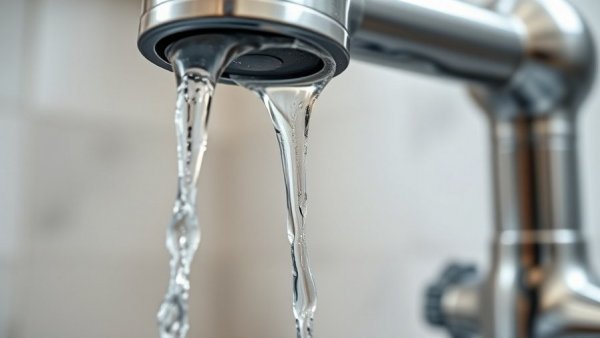
Understanding the Water Pressure Issue in New Orleans
Residents of certain neighborhoods in New Orleans, particularly in areas east of St. Bernard Avenue, are experiencing disruptions in water pressure. This includes communities like Gentilly, the Marigny, Bywater, and the Lower Ninth Ward. Such fluctuations can be concerning, especially for senior citizens who may rely heavily on consistent access to water for daily needs, from hydration to medication routines. This situation emphasizes the importance of having dependable utilities, as many residents engage in daily activities that rely on a steady water supply.
Why Are These Changes Happening?
City officials have not provided a detailed explanation yet, but water pressure changes can often result from maintenance activities, pipe repairs, or system upgrades. While these improvements are necessary for long-term benefits, they can lead to temporary inconveniences. For example, older pipes may need to be replaced or repaired to prevent leaks and enhance the overall efficiency of the water distribution system. Ensuring safe drinking water is paramount, and understanding why these changes occur helps residents stay informed and patient. In a city like New Orleans, with its unique infrastructure challenges, these maintenance efforts can sometimes lead to more extended periods of disruption than one might expect.
Impact on Daily Life
For many residents, especially our senior citizens, low water pressure can create significant hurdles. Simple tasks such as cooking, bathing, and even emergency preparedness can be hampered. Imagine trying to fill a pot for pasta only to find that the water trickles out. Such frustrations can lead to not only inconvenience but also increased stress, particularly for those who may have mobility issues or other health concerns. Over the years, many community members have expressed their discomfort during similar incidents, often highlighting how crucial a reliable water supply is for their daily routines.
Proactive Steps for Residents
During these temporary disruptions, there are several proactive steps residents can take. Keeping bottled or filtered water on hand is a practical solution to ensure you have access during low-pressure events. Preparing meals ahead of time, keeping hygiene products ready, and maintaining an emergency kit with essentials can also be greatly beneficial. Additionally, consider filling containers with water ahead of peak usage times, such as before evening meals. Staying connected with local news sources for updates can help you stay informed about when the situation will return to normal, and sharing information with neighbors can create a supportive network during these challenging times.
Social Connections Matter
In tough times like these, it's essential to lean on your neighbors and friends. Sharing information can help everyone adapt more easily. Participating in local community groups or online forums can provide support and tips on managing through the disruptions. Whether it’s a friendly reminder to save your water usage or a simple chat to check in, maintaining those social networks is crucial. Building strong connections within the community can lead to collaborative efforts that foster resilience through various challenges, including temporary water issues.
Emotional Well-Being During Water Issues
These challenges can create feelings of anxiety or frustration. For our senior community members, the stress of low water pressure can be an added challenge to health and well-being. Taking a moment to breathe, focusing on sunny aspects of the day, or engaging in a favorite hobby can noticeably alleviate stress. Activities like reading, tending to a garden, or even listening to music can provide solace during disruptions. Remember that these circumstances are temporary and that support systems are available. Connecting with family or friends during these times can also be a way to navigate through the anxiety together, reminding us that we are not alone in facing these challenges.
Future Predictions: What’s Next for Water Systems?
As cities like New Orleans age, there will be ongoing challenges in maintaining water infrastructure. The discussion around upgrading water systems is growing, with important conversations about equity in access and modernization of services. Residents may start to see more investment in infrastructure, which should lead to fewer incidents of unexpected low water pressure. This long-term vision is crucial not only for improving service reliability but also for ensuring the sustainability of the water system as population demands change. An improved infrastructure could potentially lead to better water quality, a vital consideration for senior citizens and families alike.
Conclusion and Encouragement to Stay Informed
Understanding the connection between local water services and personal health and well-being is important for senior citizens and their families. While these instances of lower water pressure may pose temporary inconvenience, being proactive can make a difference. Whether it’s preparing for potential changes or connecting with the community, each step can support health and harmony in daily routines. By taking simple preparatory steps and staying informed, residents can mitigate the stress these disruptions often cause.
Stay tuned for local updates, reach out when you need assistance, and remember to look out for one another. A community that shares is a community that thrives! Reach out to your neighbors, share your experiences, and stay resilient through these temporary hurdles. Together, we can navigate through such challenges and continue supporting one another in our daily lives.




Write A Comment