


Legal Action Following Collision: What You Need to Know
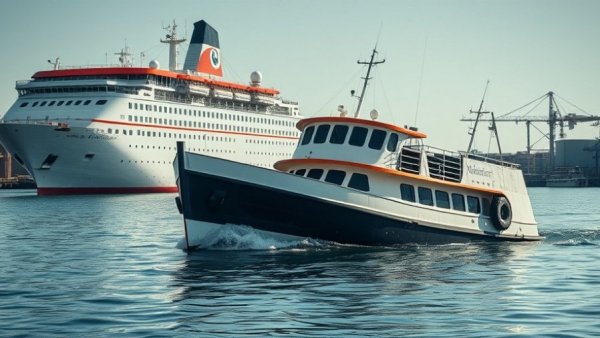
The tranquility of riverboat cruising was recently interrupted by an unfortunate incident involving the American Heritage, a riverboat cruise ship, which suffered a collision with an asphalt tanker. This mishap has prompted four crew members from the cruise ship to take legal action against the tanker’s owner and management company after the crash that occurred on Friday. Such incidents raise serious concerns about the safety measures in place for vessels navigating busy waterways, especially given the increasing popularity of riverboat cruises among older adults seeking both relaxation and adventure.
The Impact of the Collision on Riverboat Cruises
This accident is particularly significant for the riverboat cruise industry in Louisiana, known for its scenic voyages along the Mississippi River. Riverboat cruises are a popular pastime among older adults, providing not just relaxation but also opportunities for social engagement, often featuring live music, historical storytelling, and gourmet dining experiences that enrich the journey. The collision with the tanker disrupts this cherished experience and raises serious questions about safety protocols that are vital for passengers and crew members alike. An incident of this nature can also lead to public fear about the safety of riverboat travel, which could have long-term implications for the industry and tourism in general.
Understanding the Legal Framework of Maritime Accidents
Legal actions in maritime accidents can be complex, often involving specific laws and regulations that apply to maritime operations. In this instance, the four crew members are claiming negligence on behalf of the tanker’s management. Understanding the implications of maritime law can be beneficial for anyone involved in similar scenarios. Typically, maritime law encompasses a broad range of issues including ship design, operation, and adherence to safety standards. The outcome of this case may set an important precedent for the rights of crew members in maritime accidents, potentially influencing how companies handle safety practices in the future.
A Broader Look at Maritime Safety
Safety on the waterways is an ongoing concern, particularly for cruise lines that cater to older adults. Companies need to prioritize rigorous safety training and proper management of vessels to prevent such accidents. This unfortunate incident highlights the risks faced by those working in the maritime industry and raises awareness of the need for stringent safety measures. For older individuals who may rely on riverboat cruises for recreation or mobility, knowing that safety protocols are in place is crucial. Legislative bodies and regulatory agencies must be proactive in establishing and enforcing standards to protect both crew and passengers.
Personal Stories from the River: The Human Element
A collision not only affects the vessels involved but also reverberates through the lives of those who depend on these vessels for employment and joy. Crew members aboard riverboats like the American Heritage often share deep connections with passengers and the communities they serve. They play a critical role in creating memorable experiences for travelers, especially seniors whose social engagement may greatly benefit from such interactions. This lawsuit is not just a legal battle; it’s a fight for justice and fair treatment that reflects the human stories behind the statistics, including the economic impacts on local businesses that thrive from thriving cruise operations.
The Community's Response
In the aftermath of the collision, local community members and passengers are rallying to support the affected crew members. Many in Louisiana are voicing their concerns about safety on the water and advocating for more thorough investigations into the management practices of shipping companies. Community forums and social media are buzzing with discussions on how all maritime operations can be improved to prevent future accidents. As they do so, the community is reminded of the unique bond that forms between riverboat operators and their patrons—a connection that often serves as more than just business but as shared experiences across generations.
Looking Forward: What May Come Next?
The legal proceedings resulting from this collision will be closely monitored as they unfold. Observers may be keen to see how the ruling might impact future regulations and safety standards in maritime operations. Furthermore, it underscores the importance of advocating for the rights of workers in potentially hazardous environments—an essential aspect for the senior community and their loved ones who often take cruises. Community members may also push for the establishment of more robust reporting systems for incidents like this, ensuring that lessons are learned and deeply ingrained in industry practices moving forward.
Conclusion: The Importance of Advocacy and Action
This incident serves as a reminder of the risks associated with maritime adventures and the importance of legal recourse when negligence is suspected. For older adults considering cruise vacations or those currently working in the industry, understanding these legal mechanisms could prove invaluable. In an environment where accidents can happen, it becomes crucial to remain informed and aware of one's rights. As advocates for rights and safety in the maritime world, our voices can lead to enhanced protections for both crew and passengers alike. Moreover, it encourages those involved in the cruise industry to not only prioritize customer experience but also the safety and well-being of those who work tirelessly to ensure those experiences are memorable. Stay informed, engaged, and watchful as these developments unfold; your advocacy matters.




Write A Comment