


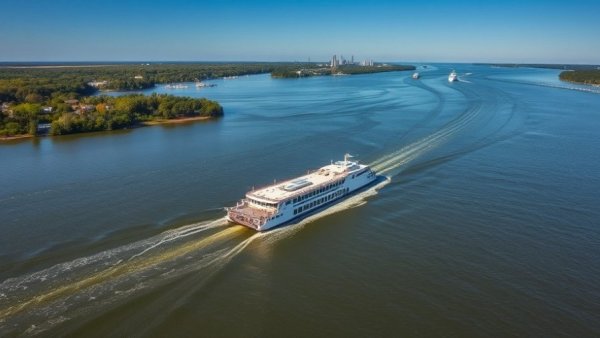
Chalmette Ferry’s Suspension: A Rising Tide of Concerns
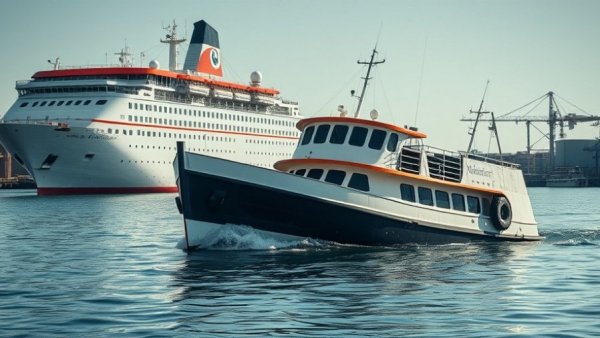
The Chalmette-Lower Algiers ferry service, a vital transportation link for many in the community, is currently suspended following a collision that struck the Thomas Jefferson ferry. The incident occurred overnight on a Friday, marking the second collision in a short span on the Mississippi River, raising eyebrows among frequent ferry users, especially seniors who rely on this connection for essential services. The ferry, which has served as a critical way to cross the river for decades, now finds itself in a troubling situation that has left many wondering how long the service will be unavailable, and what alternatives they might have.
Understanding the Impact on Senior Citizens
For many seniors in Louisiana, the Chalmette ferry isn't just a means of crossing the river; it serves as a lifeline. Many elderly residents depend on this service to access healthcare facilities, grocery stores, and social engagements. The ferry's suspension poses significant challenges, particularly for those who lack easy alternative transportation methods. For instance, seniors without personal vehicles may be forced to seek rides from family members or neighbors, which is not always feasible. It is crucial to acknowledge how such outages disproportionately impact the older population, who already face mobility and health access challenges.
The Community Response: Coping with the Suspension
The impact of the ferry suspension is being felt throughout the community. Local senior centers and advocacy groups have begun to mobilize and address the needs of those affected. Some organizations are stepping in to offer assistance by arranging rides or providing funds to help seniors access alternative transportation options. Community volunteers are also coming forward to help their neighbors who find themselves stranded by the suspension. This spirit of mutual aid highlights the strength and resilience of community bonds that emerge during trying times.
Context of Recent Collisions: What’s Behind the Concerns?
The series of accidents on the Mississippi River comes as a stark reminder of the challenges posed by aging infrastructure and the needs of busy waterways. This specific incident raises questions about safety protocols and the navigational challenges faced by vessels in one of the busiest river systems in the country. Experts suggest that frequent accidents could be the product of a combination of factors—traffic congestion on the river, inexperienced crew members, and potentially outdated vessels. These incidents illustrate a broader systemic issue that needs to be addressed to prevent future collisions that could endanger passengers and crew.
Comparative Analysis: Navigating the Challenges
To illustrate the significance of maintaining safe transportation infrastructure, we can look towards systems in other states. In cities like New York and San Francisco, regular assessments and upgrades to ferry services help prevent accidents and ensure the safety of passengers. For example, in New York City, the ferry system has seen substantial investments in newer vessels and technology to make it one of the safest ferry services in the country. Communities with aging populations, similar to those in Louisiana, may find inspiration in these proactive measures, highlighting a need for local authorities to step up and advocate for similar oversight and enhancements.
The Emotional Weight of Community Connection
The ferry suspension affects more than just transit—it impacts community cohesion. Many seniors recount stories of how ferry rides have allowed for cross-community bonding, connecting them to friends and family on the other side of the river. The emotional toll of disrupted connectivity should not be understated; shared experiences foster a sense of belonging and support, crucial for senior citizens, who often grapple with isolation. In a time when many seniors already feel disconnected, the ferry suspension serves as a poignant reminder of how vital these small connections are in their daily lives.
Taking Action: A Call for Community Advocacy
In light of these recent events, it becomes imperative for community members, especially seniors, to voice their concerns and advocate for safer and more reliable ferry services. Engaging with local government and ferry operators can drive conversations about implementing better safety protocols and infrastructure improvements. Community meetings could serve as platforms for voicing individual experiences and discussing collective ideas to enhance service reliability. By coming together, residents can amplify their voices and firmly state that reliable transportation is a necessity, not a luxury, for everyone.
Potential Paths Forward for the Chalmette Ferry Service
As the Chalmette ferry service remains suspended, what can be done in the meantime? Exploring alternative transportation options may be necessary until operations resume. Local ride-sharing services or taxis could present an interim solution for seniors needing to reach destinations across the river. Encouraging local businesses and community groups to support such initiatives can bridge gaps and ensure that those affected have the resources they need. Additionally, raising awareness about the current predicament can foster community discussions around potential long-term solutions that might involve public transportation enhancements or the provision of shuttle services to local healthcare facilities.
Summary: A Collective Journey Towards Improvement
The challenges posed by the Chalmette ferry's suspension serve as a stark reminder of the importance of transportation services within communities, especially for seniors. As we reflect on this incident, it is our responsibility as a society to ensure that aging populations have access to safe and reliable means of transportation. Advocacy efforts need to be amplified, urging local authorities to prioritize safety improvements on the river and, ultimately, serve the needs of all residents. Together, as a community, we can navigate these choppy waters and emerge stronger. With collective action and a commitment to improvement, we can help forge a future where essential services like the Chalmette ferry are not only restored but enhanced for better safety and accessibility.




Write A Comment