• Home
  • Categories
    • Health
    • Money
    • Lifestyle
    • Travel
    • Entertainment
    • Louisiana News
    • Jobs and Careers
    • Featured
July 20.2025
3 Minutes Read

Intense Search for Missing James Wood Captures Community Attention

Search for missing Ponchatoula man last seen at La 22 Mart.

Search Efforts Intensify for Missing Ponchatoula Man

The community of Ponchatoula, Louisiana, is gripped with concern over the ongoing search for James Wood, a 43-year-old man who has been missing since mid-June. The Tangipahoa Parish Sheriff's Office confirmed that despite extensive search efforts, there has been no new information on his whereabouts. The urgency of the search has amplified as the days have turned into weeks, leaving friends and family anxiously awaiting news.

Timeline of Events Surrounding the Disappearance

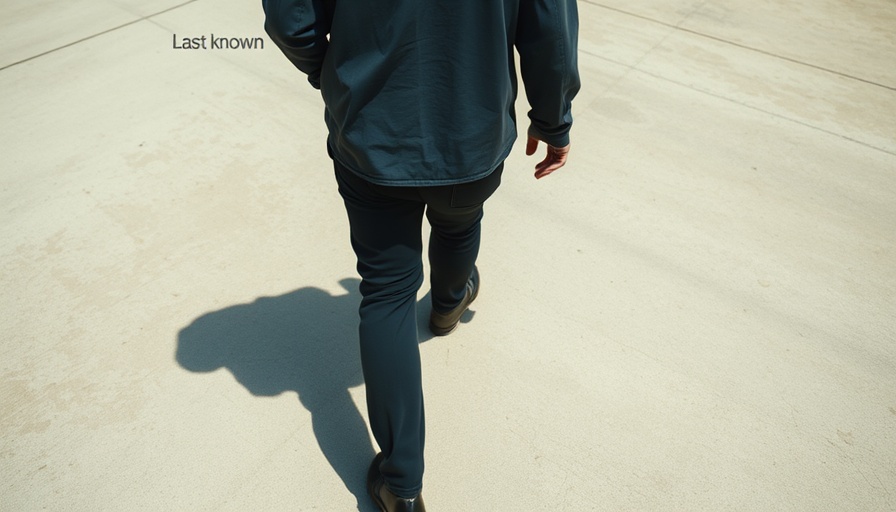
James Wood was last seen on June 19, captured on surveillance footage walking away from the LA 22 Mart in Ponchatoula. Dressed in all black, he was heading down Lee’s Landing Road. This sighting has become crucial in the investigation, as it is the last known movement of Wood.

Authorities have searched the surrounding areas, conducting foot and aerial searches. They have also investigated nearby woods and other likely locations where Wood may have wandered, but efforts have yielded little to no trace of him.

Community Involvement and Support

The Lamaze community has rallied around the search efforts, organizing volunteer groups and support services to assist the deputies. Numerous flyers have been distributed in efforts to raise awareness about Wood’s disappearance. The local community's robust response highlights the deep connections that exist in Ponchatoula, where many see each other as family.

“We are all praying for his safe return,” said a local resident. “James is a part of this community, and we will not rest until we find him.” This sentiment echoes many voices in the area, reflecting the urgency of returning Wood home.

Insights from Local Law Enforcement

According to the Tangipahoa Parish Sheriff’s Office, they are following all leads and urge anyone with information to come forward. A spokesperson mentioned that they are utilizing new technologies and resources to enhance the search. “Every bit of information counts,” they stressed, emphasizing the need for public assistance in solving this case.

As resources are being dedicated to this case, some have started to express concerns regarding the duration of the absence without any clues. “It’s hard not to feel worried. The longer he is gone, the more anxious we get,” added another local friend.

Potential Factors in Wood’s Disappearance

Investigators are exploring various scenarios surrounding Wood’s disappearance. Foul play has not been ruled out, though there is currently no evidence to suggest that he was abducted. Given the area's environmental factors such as wildlife and terrain, Wood's physical condition is also being taken into account, as he could be in a vulnerable situation.

Additionally, officials are concerned about the mental state of someone who might have chosen to leave voluntarily. Investigative teams are working tirelessly to piece together the circumstances leading up to Wood’s last sighting and any potential motivations that may have influenced his decision.

The Importance of Community Awareness

For those in Louisiana, particularly the senior community, Wood’s case highlights the importance of vigilance and local awareness. It serves as a reminder that community ties are significant in ensuring safety. With local residents taking immediate action by reporting any suspicious activities and remaining vigilant, they collectively foster an environment where individuals feel supported.

This incident also raises discussions about the need for better mental health resources and safety measures. As the case unfolds, there is hope that it will motivate change and spark conversations about the needs of individuals who may be facing similar challenges.

Conclusion: A Community Standing Together

The ongoing search for James Wood serves as a poignant reminder of the care and compassion that exists within neighborhoods, particularly in smaller communities like Ponchatoula. As the investigation continues, the community’s solidarity in supporting one another shines through. While answers remain elusive, the collective hope for a miraculous return persists.

If you have any information related to the whereabouts of James Wood, please contact the Tangipahoa Parish Sheriff's Office. Your help might make all the difference in bringing him home.

Louisiana News

18 Views

Write A Comment

*
*
Please complete the captcha to submit your comment.
Related Posts All Posts
10.04.2026

Vienna Georgia Shooting: What It Means for Community Safety in Louisiana

Update Chaos Erupts at Southern Georgia Homecoming Celebration In Vienna, Georgia, a once joyous homecoming block party turned into a scene of tragedy early Saturday morning. Around 1:20 a.m., as crowds gathered to celebrate community spirit, gunfire erupted, leaving two individuals dead and 25 others hospitalized. The incident highlights the growing concerns surrounding gun violence in America, particularly in social settings where community connections should thrive. Impact of Gun Violence on Community Gatherings This shocking event raises pressing questions about the safety of community gatherings. For many older adults, events like homecoming parties are vital for social engagement and fostering relationships. These gatherings provide a sense of belonging, where generations can gather, reminisce, and forge new memories together. Sadly, this incident reflects a broader trend—one in which community fatalities from gun violence are becoming alarmingly common. According to a recent report, nearly 45,000 people died from gun-related incidents in the U.S. in 2020 alone, a number that has only escalated in the past few years, leaving communities fractured in its wake. Preparing for Future Events: How Communities Can Respond In the wake of such violence, communities need to reassess safety measures during gatherings. Local authorities and event organizers can work closely to implement effective monitoring strategies and identify potential threats before they escalate. Enhanced security measures such as increased patrolling and the presence of trained personnel at events can serve as a deterrent against potential violence. Regular workshops on conflict resolution and peaceful communication may also empower community leaders to foster a safer, more welcoming environment. It is crucial for our communities to ensure that events meant for bonding and celebrating do not turn into tragic gatherings. Opportunities for dialogue about community safety can be crucial, bringing awareness and understanding to those who may not realize their role in maintaining a secure environment. Emotional Toll: What Does This Mean for Our Seniors? For Louisiana's senior population, the emotional impacts of events like this can be profound. Violence in the community stirs up feelings of insecurity, reminding many seniors of the vulnerabilities that have been amplified during the pandemic. We often seek comfort in community and shared experiences, whether it’s through social events or festivals that bring us together. However, incidents of violence can lead to fear and trauma, pulling back the curtain on the vulnerability that many seniors face today. Those who may have already been struggling with isolation due to health issues or mobility limitations may find that such events only increase their anxiety and decrease their willingness to participate in community activities. Fostering Resilience Amidst Tragedy The recent events in Vienna serve as a stark reminder for older adults to both understand and confront their feelings about safety in their communities. Building resilience is a potent tool in dealing with the aftermath of such tragedies. Connecting with support groups, sharing experiences, and even participating in community safety dialogues can empower individuals and fortify community bonds. Engaging in conversations about safety can help individuals come together to foster a sense of solidarity and shared responsibility. The very act of talking about these issues allows for healing and collective action towards change, reminding us that we are not alone in our fears. The Bigger Picture: National Trends of Gun Violence This incident is not an isolated event; it aligns with a troubling pattern across the nation. Research indicates that neighborhoods with higher gun violence rates often experience deeper social rifts and economic unrest. Communities are not only mourning the loss of lives; they are grappling with the deterioration of trust and the sense of safety that once characterized public gatherings. As members of the community come together to heal and rebuild after tragic events, they must also confront the underlying issues contributing to violence. Advocating for legislative changes focused on gun control, mental health resources, and community support systems is crucial. By working together, communities can create environments that nurture safety and well-being, ensuring that such heart-wrenching events do not become a regular occurrence in our society. Final Thoughts: Taking Action for Change As the dust settles in Vienna, the hurt and grief from this tragedy must inspire us to take action. It is imperative for us to support legislation aimed at reducing gun violence and fostering peaceful communities. Mobilizing our voices can be a powerful tool for change. Local advocacy groups and concerned citizens can come together to host dialogues, raise awareness, and engage in constructive discussions on safety and community welfare. Understanding the causes and consequences of violence helps build empathy and resilience, traits that are vital for strengthening our communities and ensuring that tragedy does not strike again. By offering support to those affected, we can help heal wounds and encourage a proactive approach to preventing future incidents. In remembrance of the lives affected by this shooting, it is time for all of us to unite as advocates for change. Let’s lift our voices and bring about the necessary reforms to ensure that our communities remain safe for generations to come. The warmth of community connection should prevail over the forces that seek to divide us, reminding us that together, we can strive for a better future.

10.04.2026

Christa Pike Unconscious After Failed Execution: What This Means for Justice

Update The Failed Execution of Christa Pike: A Medical Mystery Unfolds The case of Christa Pike has captured widespread attention following reports of her unconscious state after a botched execution attempt in Tennessee. Pike, convicted of a gruesome murder in 1995, had been scheduled for execution, which many believed would finally bring closure to a harrowing case that has endured for decades. However, as her lawyer recently revealed, she has not regained consciousness since that fateful day. This incident raises profound questions about the ethical implications of capital punishment and how it intersects with healthcare and humanity. Understanding the Health Implications Reports indicate that Christa Pike had been placed on a ventilator after her failed execution attempt. This situation paints a troubling picture of what happens when our judicial system intersects with medical realities. With the aging population becoming more vocal about end-of-life care and medical rights, the current plight of Pike ensures that discussions surrounding humane treatment in punitive measures remain at the forefront. In many ways, her case serves as a reflection of broader concerns many have regarding the medical practices involved in capital punishment. Healthcare professionals and ethicists are increasingly examining the methods used during executions, especially in light of recent incidents that have not gone as planned. The complications arising from improper administration of lethal injections, including adverse reactions and prolonged suffering, echo a growing call for reform and highlight the need for a critical re-evaluation of how executions are carried out. For older adults grappling with medical complexities in their own lives or the lives of family members, these discussions may resonate deeply, provoking reflections on dignity, autonomy, and the ethics of medical interventions. Ethics and the Death Penalty: A Growing Debate The ethical discussions around the death penalty are more relevant today than ever. Many advocates argue that capital punishment not only fails to deter crime but often puts the lives of those involved in moral jeopardy. For older adults who have lived through significant civil rights changes, the case of Pike underscores a larger dialogue about justice and rehabilitation versus punishment. Numerous studies indicate that public sentiment has shifted over the years, particularly as more people become aware of systemic failures within the criminal justice system. Observers argue that such events could lead to reform in how lethal injections are administered, shedding light on essential ethical territories in executions. Moreover, advocates for reform argue that public discourse surrounding capital punishment should include considerations of mental health and the socio-economic context of those sentenced to death. Many older individuals may find themselves engaged in these conversations, having witnessed changes in attitudes toward justice and compassion throughout their lifetimes. Emotional and Human Interest Perspectives The chilling reality of Christa Pike’s situation might resonate profoundly with older individuals who have experienced hardship or witnessed systemic failures within healthcare or criminal justice systems. Families may empathize with her representatives grappling with the fate of a loved one who may not be able to voice their suffering. For many seniors, the case is not merely about capital punishment; it’s a haunting reminder of how lives can hang in uncertainties dictated by the actions of the state. As discussions surrounding Pike's situation continue, they may spur reflections among older adults on their own lives or loved ones facing serious health issues or compromised choices. The emotional struggle faced by Pike’s family is a poignant reminder that the implications of capital punishment extend far beyond the individuals directly involved, creating ripples that touch entire communities. Societal and Legal Ramifications Beyond moral dilemmas, the implications of Pike's case reverberate through the legal systems everywhere. The conversation extends to how we define “cruel and unusual punishment.” Many legal experts will argue that the protracted suffering caused by a botched execution may itself qualify as a violation of human rights. In Louisiana, where laws have been challenged and changed to reflect evolving societal standards, understanding such ramifications becomes crucial for all citizens. As older adults continue to engage in advocacy and mentorship efforts within their communities, their voices can profoundly influence how these discussions unfold. Bringing awareness to the potential injustices within the system is essential. Those who have lived through historical changes in social justice can lend invaluable insights to younger generations, helping to cultivate a more compassionate approach toward reform. Future Insights: What’s Next? Looking ahead, the situation surrounding Christa Pike may serve as a pivotal moment prompting legislators to reevaluate capital punishment methods. As advocacy grows within communities urging humane treatment and accountability, those who engage with seniors in local Louisiana can anticipate demand for more discussions on these vital issues. Older adults, with their experiences and insights, can lead conversations that might change the trajectory of justice and health in their communities. In this landscape, advocacy groups focused on criminal justice reform are gaining traction. They invite older adults to participate in dialogues that inform public policy and contribute to a more humane system. Encouraging these discussions at community centers, senior groups, and family gatherings can foster a greater understanding of the moral and ethical concerns surrounding capital punishment. The Importance of Staying Informed As this story develops, it’s vital for older adults and their families to remain informed about the implications of such cases within the justice system. Awareness can lead to more profound conversations about health rights, ethical treatment, and reforms in the legal landscape. As Christa Pike’s story unfolds, it invites us all to reflect on larger themes and responsibilities as citizens. While we wait for updates on Christa Pike’s health, it is essential to take time to engage with local advocacy groups or community dialogues around legal and healthcare rights. Each voice matters in shaping the future we want to see in Louisiana and beyond. Taking action, whether through informal conversations or more formal advocacy opportunities, can help ensure the ethical treatment of all individuals, regardless of their circumstances. It’s a call to action for seniors to honor their lived experiences and use them to inform a better, more just society.

10.04.2026

LSU Arrest Highlights Campus Safety Issues: A Community Call to Action

Update A Troubling Incident: LSU's Campus Safety in Focus A recent incident has sparked concerns regarding safety on the campus of Louisiana State University (LSU). A 26-year-old man was arrested by LSU police, facing serious allegations of rape alongside charges of unlawfully providing alcohol to someone under the age of 21. As the news reverberates through the community, it casts a spotlight on issues surrounding campus safety and the impact on students and their families. This incident has reignited conversations about the crucial need for measures that ensure the safety and wellbeing of all students. Understanding the Allegations and their Impact The nature of the allegations against the accused is deeply troubling, raising questions about the environment on university campuses. Rape, in particular, is a significant concern, especially in academic settings where young individuals are navigating their transition into adulthood. Reports indicate that incidents like this can have far-reaching consequences for victims—emotionally, psychologically, and socially. Victims often face stigma that can compound their trauma, making it critical for universities to create a supportive and empathetic environment. For communities, including families of students, incidents of this nature demand a closer examination of the policies and support systems designed to protect students. The allegation of providing alcohol to a minor complicates the narrative, highlighting not just the dangers associated with underage drinking but also the responsibilities adults have in preventing such situations. Parents and guardians must engage in these conversations early, emphasizing the importance of responsible behaviors and the legal implications of underage drinking. Campus Safety: A Growing Concern This arrest is not an isolated case. Across the nation, there are growing discussions about campus safety, especially in the wake of high-profile incidents. Universities are increasingly aware that maintaining a secure environment is imperative for attracting and retaining students. As older generations can recall, concerns about campus safety can resonate deeply, especially for those who have children or grandchildren attending college. Parents of prospective college students might find themselves questioning whether institutions are equipped to handle such serious allegations effectively. To bolster campus safety, safety programs, including educational workshops and accessible reporting mechanisms, have become essential. It’s important that students feel supported and safe to report incidents without fear of stigma or repercussions. Communication about available resources must be clear and persistent, ensuring that all students, including non-traditional and older students, know who to contact when they need help. Voices from the Community Victims’ advocates have indicated that it is vital for awareness efforts to extend beyond the campus walls. Engaging parents, community organizations, and local law enforcement creates an interconnected web that can more effectively address these issues. Many believe these conversations should not only focus on prevention but also on healing and rehabilitation for victims. In communities throughout Louisiana, awareness programs can help enhance understanding of consent and the implications of sexual violence, leading to a more informed populace. As individuals reflect on this incident, many in the community express hope that it serves as a catalyst for change. The necessity for comprehensive measures that prioritize student wellbeing cannot be underestimated. Supportive networks can thrive if they foster open dialogue among students and encourage discussions about personal agency, consent, and healthy relationships. Looking Ahead: Enhancing Resources for Safety In light of the recent events, it becomes clear that universities may need to reassess and enhance existing resources aimed at ensuring student safety. The incorporation of mental health resources, more stringent alcohol policies, and engaging discussions regarding consent could form a part of a multifaceted approach to prevention. Universities must prioritize not only physical safety but also the emotional and psychological support required after traumatic incidents. Recent surveys taken in universities have shown that despite various programs in place, many students remain unaware of the support systems available to them when faced with crisis situations. This illustrates a significant gap in necessary outreach and information dissemination. Additionally, approaching these resources with sensitivity and understanding can help lower barriers, encouraging students to seek assistance when needed. What Can Be Done? For parents and community members, advocating for more robust campus safety measures is crucial. Engaging with LSU officials, showing support for survivor advocacy programs, and celebrating openness on discussions surrounding sexual health, consent, and active bystandership can all contribute towards a safer campus environment. Furthermore, utilizing social media and local platforms can raise awareness and involve a wider audience in these discussions. In addition, community awareness campaigns that inform local residents about the issues affecting students are essential to creating a collaborative effort that supports the young adults negotiating life’s challenges in academic settings. Such campaigns can provide valuable educational tools that empower community members to recognize warning signs and help alike. Closing Thoughts: A Call for Awareness and Action This troubling incident at LSU serves as a sobering reminder of the realities many students face in today's environment. Amplifying student voice, strengthening policies, and investing in community relationships are vital steps moving forward. As the community processes this event, there is an opportunity for growth and renewed commitment to student safety heading into the future. The power of collective action and advocacy cannot be underestimated. Whether through conversations at home, in community organizations, or at local universities, engaging with safety issues can lead to informed and proactive measures that protect the next generation. The responsibility lies within all levels of the community to ensure that educational institutions become environments where students can thrive, feel safe, and focus on their studies without fear or anxiety.

Golden Years of Louisiana

GoldenYearsLA.com is Louisiana’s trusted online magazine for seniors, offering lifestyle inspiration, health tips, financial guidance, and travel ideas tailored to you.

  • Privacy Policy
  • Terms of Use
  • Advertise
  • Contact Us
  • Menu 5
  • Menu 6
Hours

AVAILABLE M-F 9AM - 5PM CST

Hall Street Media

Hall Street Media is a Louisiana-based media company creating engaging digital publications for lifestyle, health, business, and regional audiences across the Gulf South.

© 2026 Golden Years of Louisiana All Rights Reserved. Hall Street Media, Lafayette, Louisiana 70501 . Contact Us . Terms of Service . Privacy Policy

eyJjb21wYW55IjoiR29sZGVuIFllYXJzIG9mIExvdWlzaWFuYSIsImFkZHJlc3MiOiJIYWxsIFN0cmVldCBNZWRpYSIsImNpdHkiOiJMYWZheWV0dGUiLCJzdGF0ZSI6IkxvdWlzaWFuYSIsInppcCI6IjcwNTAxIiwiZW1haWwiOiJnb2xkZW55ZWFyc2xhQGdtYWlsLmNvbSIsInRvcyI6IlBIQStQSE4wY205dVp6NDhaVzArVjJobGJpQjViM1VnYzJsbmJpMXBiaUIzYVhSb0lIVnpMQ0I1YjNVZ1lYSmxJR2RwZG1sdVp5WnVZbk53T3lCNWIzVnlJSEJsY20xcGMzTnBiMjRnWVc1a0lHTnZibk5sYm5RZ2RHOGdjMlZ1WkNCNWIzVWdaVzFoYVd3Z1lXNWtMMjl5SUZOTlV5QjBaWGgwSUcxbGMzTmhaMlZ6TGlCQ2VTQmphR1ZqYTJsdVp5QjBhR1VnVkdWeWJYTWdZVzVrSUVOdmJtUnBkR2x2Ym5NZ1ltOTRJR0Z1WkNCaWVTQnphV2R1YVc1bklHbHVJSGx2ZFNCaGRYUnZiV0YwYVdOaGJHeDVJR052Ym1acGNtMGdkR2hoZENCNWIzVWdZV05qWlhCMElHRnNiQ0IwWlhKdGN5QnBiaUIwYUdseklHRm5jbVZsYldWdWRDNDhMMlZ0UGp3dmMzUnliMjVuUGp3dmNENEtDanh3UG1oMGRIQnpPaTh2WjI5c1pHVnVlV1ZoY25Oc1lTNWpiMjA4TDNBK0NnbzhjRDRtYm1KemNEczhMM0ErQ2dvOGNENDhjM1J5YjI1blBsTkZVbFpKUTBVOEwzTjBjbTl1Wno0OEwzQStDZ284Y0Q1WFpTQndjbTkyYVdSbElHRWdjMlZ5ZG1salpTQjBhR0YwSUdOMWNuSmxiblJzZVNCaGJHeHZkM01nZVc5MUlIUnZJSEpsWTJWcGRtVWdjbVZ4ZFdWemRITWdabTl5SUdabFpXUmlZV05yTENCamIyMXdZVzU1SUdsdVptOXliV0YwYVc5dUxDQndjbTl0YjNScGIyNWhiQ0JwYm1admNtMWhkR2x2Yml3Z1kyOXRjR0Z1ZVNCaGJHVnlkSE1zSUdOdmRYQnZibk1zSUdScGMyTnZkVzUwY3lCaGJtUWdiM1JvWlhJZ2JtOTBhV1pwWTJGMGFXOXVjeUIwYnlCNWIzVnlJR1Z0WVdsc0lHRmtaSEpsYzNNZ1lXNWtMMjl5SUdObGJHeDFiR0Z5SUhCb2IyNWxJRzl5SUdSbGRtbGpaUzRnV1c5MUlIVnVaR1Z5YzNSaGJtUWdZVzVrSUdGbmNtVmxJSFJvWVhRZ2RHaGxJRk5sY25acFkyVWdhWE1nY0hKdmRtbGtaV1FnSm5GMWIzUTdRVk10U1ZNbWNYVnZkRHNnWVc1a0lIUm9ZWFFnZDJVZ1lYTnpkVzFsSUc1dklISmxjM0J2Ym5OcFltbHNhWFI1SUdadmNpQjBhR1VnZEdsdFpXeHBibVZ6Y3l3Z1pHVnNaWFJwYjI0c0lHMXBjeTFrWld4cGRtVnllU0J2Y2lCbVlXbHNkWEpsSUhSdklITjBiM0psSUdGdWVTQjFjMlZ5SUdOdmJXMTFibWxqWVhScGIyNXpJRzl5SUhCbGNuTnZibUZzYVhwaGRHbHZiaUJ6WlhSMGFXNW5jeTQ4TDNBK0NnbzhjRDVaYjNVZ1lYSmxJSEpsYzNCdmJuTnBZbXhsSUdadmNpQnZZblJoYVc1cGJtY2dZV05qWlhOeklIUnZJSFJvWlNCVFpYSjJhV05sSUdGdVpDQjBhR0YwSUdGalkyVnpjeUJ0WVhrZ2FXNTJiMngyWlNCMGFHbHlaQ0J3WVhKMGVTQm1aV1Z6SUNoemRXTm9JR0Z6SUZOTlV5QjBaWGgwSUcxbGMzTmhaMlZ6TENCSmJuUmxjbTVsZENCelpYSjJhV05sSUhCeWIzWnBaR1Z5SUc5eUlHTmxiR3gxYkdGeUlHRnBjblJwYldVZ1kyaGhjbWRsY3lrdUlGbHZkU0JoY21VZ2NtVnpjRzl1YzJsaWJHVWdabTl5SUhSb2IzTmxJR1psWlhNc0lHbHVZMngxWkdsdVp5QjBhRzl6WlNCbVpXVnpJR0Z6YzI5amFXRjBaV1FnZDJsMGFDQjBhR1VnWkdsemNHeGhlU0J2Y2lCa1pXeHBkbVZ5ZVNCdlppQmxZV05vSUZOTlV5QjBaWGgwSUcxbGMzTmhaMlVnYzJWdWRDQjBieUI1YjNVZ1lua2dkWE11SUVsdUlHRmtaR2wwYVc5dUxDQjViM1VnYlhWemRDQndjbTkyYVdSbElHRnVaQ0JoY21VZ2NtVnpjRzl1YzJsaWJHVWdabTl5SUdGc2JDQmxjWFZwY0cxbGJuUWdibVZqWlhOellYSjVJSFJ2SUdGalkyVnpjeUIwYUdVZ1UyVnlkbWxqWlNCaGJtUWdjbVZqWldsMlpTQjBhR1VnVTAxVElIUmxlSFFnYldWemMyRm5aWE11SUZkbElHUnZJRzV2ZENCamFHRnlaMlVnWVc1NUlHWmxaWE1nWm05eUlHUmxiR2wyWlhKNUlHOW1JR1Z0WVdsc0lHOXlJRk5OVXk0Z1ZHaHBjeUJwY3lCaElHWnlaV1VnYzJWeWRtbGpaU0J3Y205MmFXUmxaQ0JpZVNCMWN5NGdTRzkzWlhabGNpd2djR3hsWVhObElHTm9aV05ySUhkcGRHZ2dlVzkxY2lCcGJuUmxjbTVsZENCelpYSjJhV05sSUhCeWIzWnBaR1Z5SUdGdVpDQmpaV3hzZFd4aGNpQmpZWEp5YVdWeUlHWnZjaUJoYm5rZ1kyaGhjbWRsY3lCMGFHRjBJRzFoZVNCcGJtTjFjaUJoY3lCaElISmxjM1ZzZENCbWNtOXRJSEpsWTJWcGRtbHVaeUJsYldGcGJDQmhibVFnVTAxVElIUmxlSFFnYldWemMyRm5aWE1nZEdoaGRDQjNaU0JrWld4cGRtVnlJSFZ3YjI0Z2VXOTFjaUJ2Y0hRdGFXNGdZVzVrSUhKbFoybHpkSEpoZEdsdmJpQjNhWFJvSUc5MWNpQmxiV0ZwYkNCaGJtUWdVMDFUSUhObGNuWnBZMlZ6TGlCWmIzVWdZMkZ1SUdOaGJtTmxiQ0JoZENCaGJua2dkR2x0WlM0Z1NuVnpkQ0IwWlhoMElDWnhkVzkwTzFOVVQxQW1jWFZ2ZERzZ2RHOG1ibUp6Y0RzOGFHbG5hR3hwWjJoMElHTnNZWE56UFNKamIyMXdZVzU1VTAxVFVHaHZibVZWY0dSaGRHVWlQbTUxYkd3OEwyaHBaMmhzYVdkb2RENHVJRUZtZEdWeUlIbHZkU0J6Wlc1a0lIUm9aU0JUVFZNZ2JXVnpjMkZuWlNBbWNYVnZkRHRUVkU5UUpuRjFiM1E3SUhSdklIVnpMQ0IzWlNCM2FXeHNJSE5sYm1RZ2VXOTFJR0Z1SUZOTlV5QnRaWE56WVdkbElIUnZJR052Ym1acGNtMGdkR2hoZENCNWIzVWdhR0YyWlNCaVpXVnVJSFZ1YzNWaWMyTnlhV0psWkM0Z1FXWjBaWElnZEdocGN5d2dlVzkxSUhkcGJHd2dibThnYkc5dVoyVnlJSEpsWTJWcGRtVWdVMDFUSUcxbGMzTmhaMlZ6SUdaeWIyMGdkWE11UEM5d1Bnb0tQSEErUEhOMGNtOXVaejVaVDFWU0lGSkZSMGxUVkZKQlZFbFBUaUJQUWt4SlIwRlVTVTlPVXp3dmMzUnliMjVuUGp3dmNENEtDanh3UGtsdUlHTnZibk5wWkdWeVlYUnBiMjRnYjJZZ2VXOTFjaUIxYzJVZ2IyWWdkR2hsSUZObGNuWnBZMlVzSUhsdmRTQmhaM0psWlNCMGJ6bzhMM0ErQ2dvOGIydytDZ2s4YkdrK2NISnZkbWxrWlNCMGNuVmxMQ0JoWTJOMWNtRjBaU3dnWTNWeWNtVnVkQ0JoYm1RZ1kyOXRjR3hsZEdVZ2FXNW1iM0p0WVhScGIyNGdZV0p2ZFhRZ2VXOTFjbk5sYkdZZ1lYTWdjSEp2YlhCMFpXUWdZbmtnZEdobElGTmxjblpwWTJVbUl6TTVPM01nY21WbmFYTjBjbUYwYVc5dUlHWnZjbTBnS0hOMVkyZ2dhVzVtYjNKdFlYUnBiMjRnWW1WcGJtY2dkR2hsSUNaeGRXOTBPMUpsWjJsemRISmhkR2x2YmlCRVlYUmhKbkYxYjNRN0tTQmhibVE4TDJ4cFBnb0pQR3hwUG0xaGFXNTBZV2x1SUdGdVpDQndjbTl0Y0hSc2VTQjFjR1JoZEdVZ2RHaGxJRkpsWjJsemRISmhkR2x2YmlCRVlYUmhJSFJ2SUd0bFpYQWdhWFFnZEhKMVpTd2dZV05qZFhKaGRHVXNJR04xY25KbGJuUWdZVzVrSUdOdmJYQnNaWFJsTGlCSlppQjViM1VnY0hKdmRtbGtaU0JoYm5rZ2FXNW1iM0p0WVhScGIyNGdkR2hoZENCcGN5QjFiblJ5ZFdVc0lHbHVZV05qZFhKaGRHVXNJRzV2ZENCamRYSnlaVzUwSUc5eUlHbHVZMjl0Y0d4bGRHVXNJRzl5SUhkbElHaGhkbVVnY21WaGMyOXVZV0pzWlNCbmNtOTFibVJ6SUhSdklITjFjM0JsWTNRZ2RHaGhkQ0J6ZFdOb0lHbHVabTl5YldGMGFXOXVJR2x6SUhWdWRISjFaU3dnYVc1aFkyTjFjbUYwWlN3Z2JtOTBJR04xY25KbGJuUWdiM0lnYVc1amIyMXdiR1YwWlN3Z2QyVWdhR0YyWlNCMGFHVWdjbWxuYUhRZ2RHOGdjM1Z6Y0dWdVpDQnZjaUE4YzNSeWIyNW5Qanh6Y0dGdUlITjBlV3hsUFNKamIyeHZjam9qUmtZd01EQXdPeUkrZEdWeWJXbHVZWFJsSUhsdmRYSWdZV05qYjNWdWRDOXdjbTltYVd4bElHRnVaQ0J5WldaMWMyVWdZVzU1SUdGdVpDQmhiR3dnWTNWeWNtVnVkQ0J2Y2lCbWRYUjFjbVVnZFhObElHOW1JSFJvWlNCVFpYSjJhV05sSUNodmNpQmhibmtnY0c5eWRHbHZiaUIwYUdWeVpXOW1LUzQ4TDNOd1lXNCtQQzl6ZEhKdmJtYytQQzlzYVQ0S1BDOXZiRDRLQ2p4d1BpWnVZbk53T3p3dmNENEtQR2hwWjJoc2FXZG9kQ0JqYkdGemN6MGlZMjl0Y0dGdWVVNWhiV1ZWY0dSaGRHVWlQa2R2YkdSbGJpQlpaV0Z5Y3lCdlppQk1iM1ZwYzJsaGJtRThMMmhwWjJoc2FXZG9kRDQ4WW5JZ0x6NEtQR2hwWjJoc2FXZG9kQ0JqYkdGemN6MGlZMjl0Y0dGdWVVVnRZV2xzVlhCa1lYUmxJajVuYjJ4a1pXNTVaV0Z5YzJ4aFFHZHRZV2xzTG1OdmJUd3ZhR2xuYUd4cFoyaDBQZz09IiwicHJpdmFjeSI6IlBIQStQSE4wY205dVp6NVFVa2xXUVVOWlBDOXpkSEp2Ym1jK1BDOXdQZ29LUEhBK1BITjBjbTl1Wno1VWFHVWdhVzVtYjNKdFlYUnBiMjRnY0hKdmRtbGtaV1FnWkhWeWFXNW5JSFJvYVhNZ2NtVm5hWE4wY21GMGFXOXVJR2x6SUd0bGNIUWdjSEpwZG1GMFpTQmhibVFnWTI5dVptbGtaVzUwYVdGc0xDQmhibVFnZDJsc2JDQnVaWFpsY2lCaVpTQmthWE4wY21saWRYUmxaQ3dnWTI5d2FXVmtMQ0J6YjJ4a0xDQjBjbUZrWldRZ2IzSWdjRzl6ZEdWa0lHbHVJR0Z1ZVNCM1lYa3NJSE5vWVhCbElHOXlJR1p2Y20wdUlGUm9hWE1nYVhNZ2IzVnlJR2QxWVhKaGJuUmxaUzQ4TDNOMGNtOXVaejQ4TDNBK0NnbzhjRDQ4YzNSeWIyNW5Qa2xPUkVWTlRrbFVXVHd2YzNSeWIyNW5Qand2Y0Q0S0NqeHdQanhsYlQ1WmIzVWdZV2R5WldVZ2RHOGdhVzVrWlcxdWFXWjVJR0Z1WkNCb2IyeGtJSFZ6TENCaGJtUWdhWFJ6SUhOMVluTnBaR2xoY21sbGN5d2dZV1ptYVd4cFlYUmxjeXdnYjJabWFXTmxjbk1zSUdGblpXNTBjeXdnWTI4dFluSmhibVJsY25NZ2IzSWdiM1JvWlhJZ2NHRnlkRzVsY25Nc0lHRnVaQ0JsYlhCc2IzbGxaWE1zSUdoaGNtMXNaWE56SUdaeWIyMGdZVzU1SUdOc1lXbHRJRzl5SUdSbGJXRnVaQ3dnYVc1amJIVmthVzVuSUhKbFlYTnZibUZpYkdVZ1lYUjBiM0p1WlhsekppTXpPVHNnWm1WbGN5d2diV0ZrWlNCaWVTQmhibmtnZEdocGNtUWdjR0Z5ZEhrZ1pIVmxJSFJ2SUc5eUlHRnlhWE5wYm1jZ2IzVjBJRzltSUVOdmJuUmxiblFnZVc5MUlISmxZMlZwZG1Vc0lITjFZbTFwZEN3Z2NtVndiSGtzSUhCdmMzUXNJSFJ5WVc1emJXbDBJRzl5SUcxaGEyVWdZWFpoYVd4aFlteGxJSFJvY205MVoyZ2dkR2hsSUZObGNuWnBZMlVzSUhsdmRYSWdkWE5sSUc5bUlIUm9aU0JUWlhKMmFXTmxMQ0I1YjNWeUlHTnZibTVsWTNScGIyNGdkRzhnZEdobElGTmxjblpwWTJVc0lIbHZkWElnZG1sdmJHRjBhVzl1SUc5bUlIUm9aU0JVVDFNc0lHOXlJSGx2ZFhJZ2RtbHZiR0YwYVc5dUlHOW1JR0Z1ZVNCeWFXZG9kSE1nYjJZZ1lXNXZkR2hsY2k0OEwyVnRQand2Y0Q0S0NqeHdQanh6ZEhKdmJtYytSRWxUUTB4QlNVMUZVaUJQUmlCWFFWSlNRVTVVU1VWVFBDOXpkSEp2Ym1jK1BDOXdQZ29LUEhBK1BITjBjbTl1Wno1WlQxVWdSVmhRVWtWVFUweFpJRlZPUkVWU1UxUkJUa1FnUVU1RUlFRkhVa1ZGSUZSSVFWUTZQQzl6ZEhKdmJtYytQQzl3UGdvS1BHOXNQZ29KUEd4cFBsbFBWVklnVlZORklFOUdJRlJJUlNCVFJWSldTVU5GSUVsVElFRlVJRmxQVlZJZ1UwOU1SU0JTU1ZOTExpQlVTRVVnVTBWU1ZrbERSU0JKVXlCUVVrOVdTVVJGUkNCUFRpQkJUaUFtY1hWdmREdEJVeUJKVXlaeGRXOTBPeUJCVGtRZ0puRjFiM1E3UVZNZ1FWWkJTVXhCUWt4RkpuRjFiM1E3SUVKQlUwbFRMaUFzTGlCQlRrUWdWVk1zSUVsVUppTXpPVHRUSUVOVlUxUlBUVVZTVXl3Z1JWaFFVa1ZUVTB4WklFUkpVME5NUVVsTlV5QkJURXdnVjBGU1VrRk9WRWxGVXlCUFJpQkJUbGtnUzBsT1JDd2dWMGhGVkVoRlVpQkZXRkJTUlZOVElFOVNJRWxOVUV4SlJVUXNJRWxPUTB4VlJFbE9SeXdnUWxWVUlFNVBWQ0JNU1UxSlZFVkVJRlJQSUZSSVJTQkpUVkJNU1VWRUlGZEJVbEpCVGxSSlJWTWdUMFlnVFVWU1EwaEJUbFJCUWtsTVNWUlpMQ0JHU1ZST1JWTlRJRVpQVWlCQklGQkJVbFJKUTFWTVFWSWdVRlZTVUU5VFJTQkJUa1FnVGs5T0xVbE9SbEpKVGtkRlRVVk9WQzQ4TDJ4cFBnb0pQR3hwUGsxQlMwVlRJRTVQSUZkQlVsSkJUbFJaSUZSSVFWUWdLR2twSUZSSVJTQlRSVkpXU1VORklGZEpURXdnVFVWRlZDQlpUMVZTSUZKRlVWVkpVa1ZOUlU1VVV5d2dLR2xwS1NCVVNFVWdVMFZTVmtsRFJTQlhTVXhNSUVKRklGVk9TVTVVUlZKU1ZWQlVSVVFzSUZSSlRVVk1XU3dnVTBWRFZWSkZMQ0JQVWlCRlVsSlBVaTFHVWtWRkxDQW9hV2xwS1NCVVNFVWdVa1ZUVlV4VVV5QlVTRUZVSUUxQldTQkNSU0JQUWxSQlNVNUZSQ0JHVWs5TklGUklSU0JWVTBVZ1QwWWdWRWhGSUZORlVsWkpRMFVnVjBsTVRDQkNSU0JCUTBOVlVrRlVSU0JQVWlCU1JVeEpRVUpNUlN3Z1FVNUVJQ2hwZGlrZ1FVNVpJRVZTVWs5U1V5QkpUaUJVU0VVZ1UwOUdWRmRCVWtVZ1YwbE1UQ0JDUlNCRFQxSlNSVU5VUlVRdVBDOXNhVDRLQ1R4c2FUNUJUbGtnVFVGVVJWSkpRVXdnUkU5WFRreFBRVVJGUkNCUFVpQlBWRWhGVWxkSlUwVWdUMEpVUVVsT1JVUWdWRWhTVDFWSFNDQlVTRVVnVlZORklFOUdJRlJJUlNCVFJWSldTVU5GSUVsVElFUlBUa1VnUVZRZ1dVOVZVaUJQVjA0Z1JFbFRRMUpGVkVsUFRpQkJUa1FnVWtsVFN5QkJUa1FnVkVoQlZDQlpUMVVnVjBsTVRDQkNSU0JUVDB4RlRGa2dVa1ZUVUU5T1UwbENURVVnUms5U0lFRk9XU0JFUVUxQlIwVWdWRThnV1U5VlVpQkRUMDFRVlZSRlVpQlRXVk5VUlUwZ1QxSWdURTlUVXlCUFJpQkVRVlJCSUZSSVFWUWdVa1ZUVlV4VVV5QkdVazlOSUZSSVJTQkVUMWRPVEU5QlJDQlBSaUJCVGxrZ1UxVkRTQ0JOUVZSRlVrbEJUQzQ4TDJ4cFBnb0pQR3hwUGs1UElFRkVWa2xEUlNCUFVpQkpUa1pQVWsxQlZFbFBUaXdnVjBoRlZFaEZVaUJQVWtGTUlFOVNJRmRTU1ZSVVJVNHNJRTlDVkVGSlRrVkVJRUpaSUZsUFZTQkdVazlOSUU5U0lGUklVazlWUjBnZ1QxSWdSbEpQVFNCVVNFVWdVMFZTVmtsRFJTQlRTRUZNVENCRFVrVkJWRVVnUVU1WklGZEJVbEpCVGxSWklFNVBWQ0JGV0ZCU1JWTlRURmtnVTFSQlZFVkVJRWxPSUZSSVJTQlVUMU11UEM5c2FUNEtQQzl2YkQ0S0NqeHdQanh6ZEhKdmJtYytURWxOU1ZSQlZFbFBUaUJQUmlCTVNVRkNTVXhKVkZrOEwzTjBjbTl1Wno0OEwzQStDZ284Y0Q1WlQxVWdSVmhRVWtWVFUweFpJRlZPUkVWU1UxUkJUa1FnUVU1RUlFRkhVa1ZGSUZSSVFWUWdRVTVFSUZOSVFVeE1JRTVQVkNCQ1JTQk1TVUZDVEVVZ1JrOVNJRUZPV1NCRVNWSkZRMVFzSUVsT1JFbFNSVU5VTENCSlRrTkpSRVZPVkVGTUxDQlRVRVZEU1VGTUxDQkRUMDVUUlZGVlJVNVVTVUZNSUU5U0lFVllSVTFRVEVGU1dTQkVRVTFCUjBWVExDQkpUa05NVlVSSlRrY2dRbFZVSUU1UFZDQk1TVTFKVkVWRUlGUlBMQ0JFUVUxQlIwVlRJRVpQVWlCTVQxTlRJRTlHSUZCU1QwWkpWRk1zSUVkUFQwUlhTVXhNTENCVlUwVXNJRVJCVkVFZ1QxSWdUMVJJUlZJZ1NVNVVRVTVIU1VKTVJTQk1UMU5UUlZNZ0tFVldSVTRnU1VZZ1NFRlRJRUpGUlU0Z1FVUldTVk5GUkNCUFJpQlVTRVVnVUU5VFUwbENTVXhKVkZrZ1QwWWdVMVZEU0NCRVFVMUJSMFZUS1N3Z1VrVlRWVXhVU1U1SElFWlNUMDA2UEM5d1Bnb0tQRzlzUGdvSlBHeHBQbFJJUlNCVlUwVWdUMUlnVkVoRklFbE9RVUpKVEVsVVdTQlVUeUJWVTBVZ1ZFaEZJRk5GVWxaSlEwVTdQQzlzYVQ0S0NUeHNhVDVVU0VVZ1EwOVRWQ0JQUmlCUVVrOURWVkpGVFVWT1ZDQlBSaUJUVlVKVFZFbFVWVlJGSUVkUFQwUlRJRUZPUkNCVFJWSldTVU5GVXlCU1JWTlZURlJKVGtjZ1JsSlBUU0JCVGxrZ1IwOVBSRk1zSUVSQlZFRXNJRWxPUms5U1RVRlVTVTlPSUU5U0lGTkZVbFpKUTBWVElGQlZVa05JUVZORlJDQlBVaUJQUWxSQlNVNUZSQ0JQVWlCTlJWTlRRVWRGVXlCU1JVTkZTVlpGUkNCUFVpQlVVa0ZPVTBGRFZFbFBUbE1nUlU1VVJWSkZSQ0JKVGxSUElGUklVazlWUjBnZ1QxSWdSbEpQVFNCVVNFVWdVMFZTVmtsRFJUczhMMnhwUGdvSlBHeHBQbFZPUVZWVVNFOVNTVnBGUkNCQlEwTkZVMU1nVkU4Z1QxSWdRVXhVUlZKQlZFbFBUaUJQUmlCWlQxVlNJRlJTUVU1VFRVbFRVMGxQVGxNZ1QxSWdSRUZVUVRzOEwyeHBQZ29KUEd4cFBsTlVRVlJGVFVWT1ZGTWdUMUlnUTA5T1JGVkRWQ0JQUmlCQlRsa2dWRWhKVWtRZ1VFRlNWRmtnVDA0Z1ZFaEZJRk5GVWxaSlEwVTdJRTlTUEM5c2FUNEtDVHhzYVQ1QlRsa2dUMVJJUlZJZ1RVRlVWRVZTSUZKRlRFRlVTVTVISUZSUElGUklSU0JUUlZKV1NVTkZMand2YkdrK0Nqd3ZiMncrQ2dvOGNENDhkVDVDZVNCeVpXZHBjM1JsY21sdVp5QmhibVFnYzNWaWMyTnlhV0pwYm1jZ2RHOGdiM1Z5SUdWdFlXbHNJR0Z1WkNCVFRWTWdjMlZ5ZG1salpTd2dZbmtnYjNCMExXbHVMQ0J2Ym14cGJtVWdjbVZuYVhOMGNtRjBhVzl1SUc5eUlHSjVJR1pwYkd4cGJtY2diM1YwSUdFZ1kyRnlaQ3dnSm5GMWIzUTdlVzkxSUdGbmNtVmxJSFJ2SUhSb1pYTmxJRlJGVWsxVElFOUdJRk5GVWxaSlEwVW1jWFZ2ZERzZ1lXNWtJSGx2ZFNCaFkydHViM2RzWldSblpTQmhibVFnZFc1a1pYSnpkR0Z1WkNCMGFHVWdZV0p2ZG1VZ2RHVnliWE1nYjJZZ2MyVnlkbWxqWlNCdmRYUnNhVzVsWkNCaGJtUWdaR1YwWVdsc1pXUWdabTl5SUhsdmRTQjBiMlJoZVM0OEwzVStQQzl3UGdvS1BIQStKbTVpYzNBN1BDOXdQZ284YUdsbmFHeHBaMmgwSUdOc1lYTnpQU0pqYjIxd1lXNTVUbUZ0WlZWd1pHRjBaU0krUjI5c1pHVnVJRmxsWVhKeklHOW1JRXh2ZFdsemFXRnVZVHd2YUdsbmFHeHBaMmgwUGp4aWNpQXZQZ284YUdsbmFHeHBaMmgwSUdOc1lYTnpQU0pqYjIxd1lXNTVRV1JrY21WemMxVndaR0YwWlNJK1NHRnNiQ0JUZEhKbFpYUWdUV1ZrYVdFc0lFeGhabUY1WlhSMFpTd2dURzkxYVhOcFlXNWhJRGN3TlRBeFBDOW9hV2RvYkdsbmFIUStQR0p5SUM4K0NqeG9hV2RvYkdsbmFIUWdZMnhoYzNNOUltTnZiWEJoYm5sUWFHOXVaVlZ3WkdGMFpTSStLekV6TXpjeU9EZzBOalkxUEM5b2FXZG9iR2xuYUhRK1BHSnlJQzgrQ2p4b2FXZG9iR2xuYUhRZ1kyeGhjM005SW1OdmJYQmhibmxGYldGcGJGVndaR0YwWlNJK1oyOXNaR1Z1ZVdWaGNuTnNZVUJuYldGcGJDNWpiMjA4TDJocFoyaHNhV2RvZEQ0PSJ9

Terms of Service

Privacy Policy

Core Modal Title

Sorry, no results found

You Might Find These Articles Interesting

T
Please Check Your Email
We Will Be Following Up Shortly
*
*
*