


A Tragic Incident Shakes the Community
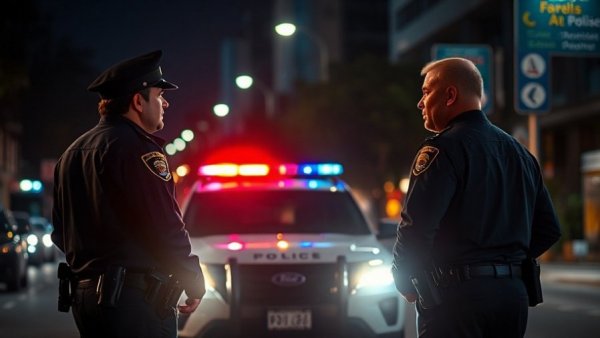
In the heart of New Orleans, specifically the Lower Ninth Ward, a community is left grieving after a shooting incident that led to the tragic death of a man. The New Orleans Police Department (NOPD) confirmed that this violent act has sent shockwaves throughout the area, especially among the older residents who have steadily worked towards rebuilding their lives after the devastation of Hurricane Katrina. The Lower Ninth Ward, once synonymous with resilience, is left grappling with the painful reminders of violence and the lack of safety.
Understanding the Current Climate of Violence
This incident is part of a larger, concerning trend of violence in urban areas that has been keenly felt by residents. According to community safety surveys conducted in the area, many older adults express fears about their safety, particularly as they navigate daily life. For many seniors, the streets they once proudly walked feel increasingly foreign and threatening. With incidents like this one occurring more frequently, there is a growing sense of urgency for answers and assurance from law enforcement. NOPD has not released further details on the specifics of this case or how they are addressing the rise in violence, which only adds to the anxiety felt within the community.
A Deep Dive into Community Resilience
Despite the overwhelming fear and loss, the Lower Ninth Ward remains a testament to human resilience. Over the years, numerous community organizations and local leaders have emerged to support vulnerable populations, especially seniors. Groups such as the Lower Ninth Ward Homeownership Association and the All Congregations Together Coalition are actively involved in various initiatives aimed at fostering community engagement and support. They provide resources such as safety workshops and social gatherings that not only foster a sense of belonging but also encourage dialogue about concerns regarding safety and well-being in the neighborhood. These community-driven efforts highlight the collective strength of the residents who refuse to let fear dictate their lives.
Personal Stories: Voices from the Community
To understand the gravity of this incident, one cannot ignore the personal narratives that emerge from these tragic events. Residents like 72-year-old Mary Johnson, who has lived in the Lower Ninth Ward her entire life, express how fear of violence can alter their routines. “I just want to feel safe in my own home,” she states, highlighting the mental toll that frequent violence takes on senior citizens. Mary’s story is a familiar one among her peers, illustrating the need for community support and collaborativity to address these pervasive issues. Others, like 68-year-old James Martinez, describe how they have modified their daily schedules, opting to stay indoors more often as a precaution. “It’s not the life I want to live, but we do what we must,” he shares.
Future Predictions: What Lies Ahead?
Experts suggest that without significant intervention and resources aimed at reducing violence in communities, incidents like this will likely continue. Issues such as poverty, lack of access to education, and insufficient mental health resources are often cited as contributing factors to urban violence. Discussing community-policing initiatives and outreach programs could play a crucial role in curbing crime rates. Increased funding for community resources aimed at conflict resolution and community engagement may help address root causes of violence. Hope is on the horizon, however, as locals push for increased dialogue with city officials and a comprehensive review of public safety measures. One potential avenue for improvement includes training local law enforcement in de-escalation tactics, which could prevent minor disputes from escalating into major incidents. Collaborative efforts between the city, local organizations, and residents can create a multi-faceted approach to safety that addresses immediate concerns while building a stronger community.
Taking Action to Cultivate Safety
For residents, especially older adults, it is essential to engage with the local community and stay informed about safety initiatives. Local town meetings, neighborhood watch programs, and city-sponsored events offer platforms for voicing concerns and finding allies. Being active within such initiatives not only aids in understanding community dynamics but fosters strong relationships that can make neighborhoods safer. Moreover, these gatherings help build trust between residents and law enforcement, allowing for open conversations about the community's needs.
Community-led initiatives, such as organizing volunteer patrols and establishing safety hotlines, can empower residents to take an active role in safeguarding their environment. Seniors, who often have extensive life experience and knowledge of the area, can play a significant part in mentoring younger residents in these efforts. As we witness the unfolding of events in the Lower Ninth Ward, let us remember the profound impact that these tragic incidents have on our seniors. They are the pillars of our communities, often the ones who nurture the emerging generations, and it is our duty to ensure their voices are heard and their rights to safety and dignity are upheld.
At times like this, community leaders and local law enforcement must be called upon to seek solutions. It is crucial for residents to join initiatives that advocate for more supportive policies for intensified community safety measures. Your engagement is vital to creating an environment where everyone—especially our seniors—can live without fear. By standing together and taking proactive measures, we can honor the legacy of resilience embedded in the Lower Ninth Ward and help pave the way toward a safer future for all residents.




Write A Comment