• Home
  • Categories
    • Health
    • Money
    • Lifestyle
    • Travel
    • Entertainment
    • Louisiana News
    • Jobs and Careers
    • Featured
December 27.2025
3 Minutes Read

Exploring the Dangers of a Popular Airplane Sleeping Position Among Travelers

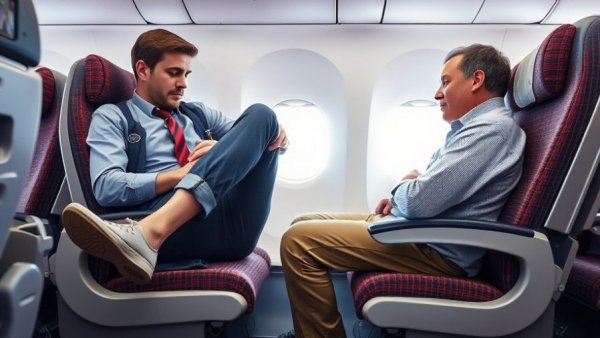
Airplane passengers illustrate sleeping position dangers.

A Viral Sensation: The Dangers of a New Airplane Sleeping Trend

As holiday travel hits its peak, a concerning viral TikTok trend has taken flight, sparking debates on comfort and safety among passengers. Videos showing travelers attempting to sleep with their feet pulled onto airplane seats and secured with seat belts highlight a new level of exhaustion in air travel. While many might consider this position a creative way to catch some shut-eye, medical experts and etiquette authorities warn it poses multiple risks.

The Allure of Comfort and the Reality of Risks

Passengers are desperate for sleep on long flights, and some believe the feet-up position could provide a comfier alternative. However, the reality may be far from ideal. Comments from TikTok users reveal mixed feelings about its effectiveness; one traveler shared, "It felt great at first, but then my legs fell asleep." Others voiced concerns about gas and digestive issues, which can accompany such cramped seating arrangements.

Dr. Carole Lieberman, a psychiatrist known for her work with airline passengers, has emphasized the serious health risks associated with this trend. A major concern is deep vein thrombosis (DVT), a condition that can arise from extended sitting and leg compression during flights. "This trend is very dangerous because it keeps the legs in a tightly compressed position," Lieberman stated, warning of the potential for life-threatening pulmonary embolisms.

Rethinking Airplane Etiquette

Moreover, this practice doesn't just affect individual comfort; it challenges longstanding airplane etiquette. Jacqueline Whitmore, a flight etiquette expert, noted that putting feet on seats is generally frowned upon unless you are in a very limited circumstance—like being alone in a row. She suggests using socks or slippers and covering your feet with a blanket to be more respectful to fellow travelers while also prioritizing comfort.

The Right Way to Sleep on a Plane

So what's the best way to catch some z's in the air? James Leinhardt, a sleep posture expert, advises passengers against leaning forward on their tray tables, which can lead to neck strain. Instead, he recommends reclining your chair slightly to distribute weight more evenly. Incorporating support cushions can significantly improve alignment and comfort during the flight.

Your Health Matters: Key Recommendations

For frequent travelers, being proactive about health and comfort is essential. Maintaining healthy circulation can be achieved through simple practices: wearing compression socks, stretching legs periodically, and staying hydrated. With long flights becoming a staple of holiday travel, it’s vital to keep safety in mind while seeking comfort.

Encouraging Mindful Travel

As we hop on planes for holiday travel, let’s not forget the importance of respecting our shared space. Travelers in Louisiana, especially those over 60, know the significance of comfort and safety. Think twice before hopping on trendy sleep positions and blend seasoned wisdom with modern travel trends for a more enjoyable experience. After all, a smooth flight makes for a happier destination!

Take the time to adapt your airline habits for better safety and enjoyment while traveling this season. Let’s keep the skies friendly and the seats comfortable for everyone!


Travel

14 Views

Write A Comment

*
*
Please complete the captcha to submit your comment.
Related Posts All Posts
11.19.2026

Celebrating Freeman Johnson: A Pearl Harbor Survivor's Last Legacy

Update Remembering Freeman Johnson: A Life of Resilience and Service The passing of Freeman Johnson, the oldest known survivor of the Hawaiian assault on Pearl Harbor, marks the end of an era defined by courage, humility, and profound contributions to American history. At the age of 106, Johnson, who sailed aboard the USS St. Louis during the fateful attack on December 7, 1941, has left behind a legacy that resonates deeply with Americans, especially those in Louisiana and beyond who appreciate the sacrifices made by our military veterans. A Pivotal Moment in History Freeman Johnson was part of an estimated 87,000 military personnel stationed on Oahu that day. As a 21-year-old machinist, he found himself in the chaos of the surprise attack by Japanese forces, initially mistaking the booming sounds for a mere drill. However, reality struck hard as duty called, leading him to his battle station, where, amidst pandemonium, he kept one of the ship's boilers operational until they could escape into the open sea. His experience that day exemplifies the resilience of our servicemen who, under duress, performed their duties with unwavering dedication. As one of the oldest veterans alive, Freeman not only witnessed key historical moments like the official surrender of Japan in 1945 aboard the USS Missouri but also carried the tales of such events, now fading from living memory. These stories hold a special significance as they remind us of the sacrifices endured and the bravery displayed during one of the darkest chapters in human history. Life After Pearl Harbor: A Family Man and Community Figure Returning to civilian life after the war, Freeman settled down in Massachusetts, where he married Ruth Hills, and together they raised three daughters. Their bond lasted 50 years, a testament to the loving family environment Freeman built for his daughters. Freeman was described by his family as humble and kind, always offering simple but impactful advice as a guiding principle: “Just keep moving, that’s all. Keep breathing.” This philosophy not only contributed to his longevity but reflects a broader wisdom encouraging active living—an inspiring message for our aging population in Louisiana. Moreover, his later life was filled with community engagement, as he often shared his experiences with local schools and veterans' organizations, making history accessible and relatable for younger generations. This commitment to sharing his story underlined the importance of fostering connections across ages—an effort that resonates with many Louisianans who value community ties. Reflections on Sacrifice and Legacy Freeman viewed himself not as a hero, but as a participant in history. He believed that medals were less about individual accolades and more about the places one had served. As we reflect on his story, it reminds us of the generational wisdom we must hold onto—one that venerates humility and service. This perspective is essential, especially in today's society where the definition of heroism can sometimes become distorted by fame and recognition. In an era where the heroes of yesteryears are leaving us, Freeman's life serves as a crucial reminder to appreciate and honor those who served. The tributes and remembrances following his passing are testaments to the community's respect. Comments from those reflecting on his life captured a universal sentiment: gratitude for his service and sorrow for the fading memories of World War II. This collective recognition not only honors Freeman but holds a mirror to our values as a society, remembering the fabric of our shared history. Impact on Today's Society For Louisiana residents over the age of 60, Freeman Johnson’s legacy sparks conversations about personal experiences during wartime, community connection, and the importance of sharing stories. Engaging in these dialogues can be a powerful way to bridge gaps between generations. Local community centers and libraries often host programs where veterans share their experiences, creating a safe space for discussion. These initiatives serve as important reminders of both the triumphs and tribulations faced during wartime. Additionally, as we honor those like Johnson, we also emphasize the need for ongoing dialogue around history, personal sacrifice, and the importance of supporting the veteran community. It is a call to action to engage with past narratives as we build futures enriched by wisdom. Organizations dedicated to veterans' affairs often look for volunteers, offering various ways to give back, including mentorship programs for younger generations. A Thanksgiving Reunion in Spirit As Thanksgiving approaches, Freeman's daughter, Diane Johnson, expressed a heartfelt longing for her father's reunion with loved ones in a place beyond. Her reflections create a poignant picture that resonates with many families during this time of year, reminding us of the bonds that transcend time and space. “It’s going to be a hell of a Thanksgiving,” she said, inviting us to join in recognizing the love and dedication shared among families—whether near or far. This sentiment is particularly relevant for many Louisiana families who hold cherished memories of shared meals and laughter during the holidays. It serves as an opportunity to reflect on our connections and the significant figures in our lives—just as Freeman's contributions and spirit will continue to impact the world around us. In conclusion, Freeman Johnson’s life was one marked by extraordinary events, personal humility, and heartfelt dedication to both family and country. As to the lesson he leaves us, we must continue to honor our veterans and share their stories, ensuring they remain a staple of our collective memory. So, in this time of reflection, let’s think of their sacrifices and carry on their legacy, inspiring a new generation to live actively and honorably.

11.19.2026

How Chloe Lowe's Skydiving Injury Left Her Stranded in Australia

Update Trapped Down Under: The Unexpected Journey of Chloe Lowe What should have been an exhilarating solo trip to Australia for her birthday turned into a stressful ordeal for 24-year-old Chloe Lowe from Sheffield, United Kingdom. A skydiving adventure that sounded like a dream turned sour after Lowe suffered a devastating eardrum injury, forcing her to remain in Australia for an extended period due to complications that rendered her medically unfit to fly home. From Birthday Celebration to Medical Nightmare Lowe arrived in Australia in October, excited to celebrate her birthday and pay tribute to her late grandfather, who passed away in a tragic diving accident in 2016. Little did she know that her planned three-week excursion would extend indefinitely due to an unexpected health crisis following a thrilling jump from 10,000 feet. "I went skydiving to treat myself and celebrate my birthday, but after the jump, something felt off. Once the adrenaline wore off, I realized I couldn't hear anything," Lowe recounted. Learning about her injury triggered a series of medical evaluations that changed her entire trip. Doctors declared her unfit to fly home, leaving her feeling "trapped on the other side of the world with no way home." As many can relate, the anticipation of a much-deserved vacation quickly turned into a worrying sequence of events as Lowe faced health challenges thousands of miles away from home. The Pain of Uncertainty: Navigating Health and Travel After initially damaging her eardrum, Chloe found herself dealing with painful infections that complicated her recovery, necessitating medical attention and further evaluations. She obtained a certificate outlining her medical conditions and was put on steroids in hopes of expediting the healing process. However, fluid accumulation resulted in a nasty infection that kept her from making any travel plans. "Every week I’m having to extend my accommodation, not knowing if I’ll be able to go home by the end of it or not," she lamented. This unfortunate incident raises important questions about travel insurance and the need to understand health protocols when abroad, especially for seniors who often face heightened health concerns. Many travelers may not anticipate health setbacks, but as illustrated by Lowe’s experience, such events can dramatically impact one's travel plans and overall well-being. It is crucial for travelers to have emergency plans in place to seek timely medical assistance in foreign countries. Chloe's Story: A Reflection on Travel Risks Lowe's story serves not just as a cautionary tale but also as an insightful reminder of the unpredictability of travel. While many will argue that the thrill of activities like skydiving far outweighs potential risks, her experience highlights the need for precaution. It is crucial to consider health insurance that covers unexpected medical crises while traveling, particularly for individuals over 60, who may need to navigate higher health risks and more stringent travel requirements. As experienced travelers know, participating in adventurous activities can amplify the risk of injuries that might not readily occur during more sedentary vacations. Chloe's plight underscores the necessity of conducting research on various activity safety protocols and ensuring that your insurance adequately covers any misadventures. Community and Support: Finding Strength Through Shared Experiences Stuck in Australia, Lowe has taken to social media to share her journey, garnering support and advice from fellow travelers who can relate to her situation. It’s stories like hers that remind us of the connective power of travel and collective experiences. Whether it’s finding solace in the online community or simply sharing tales of mishaps, Lowe's narrative resonates with others who have endured unforeseen challenges while traveling. This sense of community often helps individuals navigate uncomfortable situations and reassures them that they are not alone. In addition to online support, Lowe has received generosity from local Australians who have shown kindness and understanding toward her situation. Instances like this showcase how travel can bring people together, fostering cultural exchange and compassion among strangers, even during difficult times. Preparing for the Unexpected: Prioritize Travel Safety For adventurers planning trips, it’s essential to prepare adequately—not just in terms of itineraries but also health precautions. Carrying travel insurance that covers medical emergencies is highly advisable. According to experts, tourists should familiarize themselves with the local healthcare system, as services and regulations can differ significantly from one country to another. Being proactive about understanding the local healthcare landscape can save time and anxiety, allowing for better decision-making when emergencies arise. Additionally, packing essential medications, especially for chronic health conditions, and ensuring necessary vaccinations can be invaluable in avoiding emergency situations. Lowe’s story serves as a poignant reminder to anyone venturing into the unknown: Always expect the unexpected. As travelers grow older, it becomes increasingly critical to adopt best practices for health management while exploring new terrains. Conclusion: Embracing the Journey Despite the Setbacks Though Chloe Lowe's wish to honor her grandfather in Australia encountered unforeseen complications, her story exemplifies resilience and the importance of community support. As travelers, sharing our challenges and triumphs can become a source of strength in our ever-evolving world. Whether you find yourself thrill-seeking or paying respects, keeping travel safety at the forefront is paramount. Chloe continues to share her updates and experiences online, turning a frustrating journey into a narrative of hope and awareness. As she navigates her path back home, it remains crucial for all travelers to prioritize their health and be prepared for any twist in the journey. So, if you're looking to travel, pack smartly, take the necessary precautions, and remember that life's most unpredictable moments often yield the most profound lessons. And who knows—your story might inspire someone who faces similar challenges!

11.18.2026

Ancient Treasures Found in Pompeii: A Glimpse Into Roman Life

Update Unveiling the Past: Treasures Found in Pompeii Imagine living your everyday life, surrounded by familiar sights and sounds, when suddenly catastrophe strikes. This is precisely what happened to the residents of Pompeii when Mount Vesuvius erupted in 79 A.D., burying their city and every aspect of daily life beneath layers of ash. Recently, archaeologists made a breakthrough discovery in the House of Cornelius Maximus, located along the bustling Via dell'Abbondanza, revealing artifacts that have been untouched for nearly 2,000 years. A Glimpse Into Roman Daily Life The excavation unearthed an ancient Roman cabinet, believed to have belonged to a woman, which remained sealed since the fateful eruption. Within this cabinet lay objects of personal significance that provide a glimpse into the daily lives of those who lived in Pompeii. From tweezers and a makeup mixing tool to a delicate glass perfume bottle, these items reveal not just the beauty rituals of ancient Roman women, but also a deeper connection to their humanity. These artifacts serve as a portal into the past, illustrating how people cared for their appearance and expressed their individuality. Many women in ancient Rome used cosmetics, often prepared at home with natural ingredients, highlighting how personal grooming was a cherished part of their daily routine. The significance of these beauty items goes beyond mere aesthetics; they reflect a culture that valued self-expression and personal identity. Jewelry That Tells a Story Among the most remarkable finds was a necklace composed of 24 miniature charms, traditionally given to children as protective amulets. This exquisite necklace, known as crepundia, likely once adorned a young girl, meant to safeguard her and keep her safe. As these charms created soft jingling noises, they ensured that adults could easily hear the children, linking memories of joy and security to the artifacts found today. Such a discovery emphasizes the emotional ties that transcended time and tragedy, encapsulating the nostalgia for childhood that is common among us all. These types of charms were not only decorative; they were imbued with deep meaning, often representing divinities or elements of nature significant to the families who owned them. This connection to the divine reflects the ways in which spirituality and daily life intertwined in the ancient world. The very existence of such items reminds us of our own traditions around childhood and protection that continue today, echoing down through generations. Financial Footprints Alongside these personal tokens of affection, archaeologists uncovered a small hoard of 38 bronze coins. Though their exact denominations remain a mystery, the presence of these coins suggests the female owner may not have had the chance to secure her possessions, indicative of a life abruptly interrupted. This insight provides an emotional layer to the narrative, suggesting that while some residents may have returned for their belongings, these particular individuals vanished into history, leaving their artifacts frozen in time. Coins in ancient Rome were not merely currency but also symbolic of wealth and status. The fact that a woman may have held onto such a collection of coins hints at her potential role as a caretaker of the family’s finances, reflecting social structures at play in Pompeii. Moreover, this unexpected find invites us to ponder the lives of these women and the roles they played within their families, showcasing that history is often made up of the quiet but significant contributions of women. Architecture and Home Life Revealed The excavation also unearthed beautiful wall paintings within the home, hinting at a relatively affluent lifestyle among its residents. These artworks not only beautified the living space but also served as status symbols that conveyed wealth and refinement. The detailed representations often depicted mythological themes or nature, showcasing the aesthetic sensibilities of the time. Additionally, the discovery of skeletons belonging to wood mice nested within storage vessels indicates the struggles of ancient housekeeping, relatable to today’s homeowners who contend with pests under similar circumstances. Such discoveries foster connections with the past, reminding us that even in ancient times, families and households grappled with the same joys and challenges. Even in their meticulous home environments, they faced the ongoing challenges of maintaining order and cleanliness—a task that resonates with many of us today. The Bigger Picture: Uncovering More than Objects This recent find in Pompeii adds to a growing catalog of insights into this ancient community. Earlier discoveries, such as love notes etched into walls and other personal items, continue to deepen our understanding of life before the catastrophe. Each artifact unearths fragments of stories long since silenced, allowing us to piece together the elements of human existence that remain universally relevant—love, loss, memory, and resilience. The stories behind these unearthed items inspire curiosity and create connections across time. For instance, the love notes found earlier this year reflect the emotional landscape of Pompeii’s inhabitants, emphasizing the timeless nature of love and connections between people. As we consider these ancient narratives, we are reminded that while circumstances may change, the core human experience remains strikingly similar. Why Exploring Ancient Lives Matters Today For Louisiana residents, particularly those over 60, exploring the past offers valuable lessons on resilience and continuity in our lives. It highlights how the things we cherish today, be they personal heirlooms or simply memories, carry weight similar to the treasures of the ancient world. By understanding our history, we can glean insights into our own lives and how we choose to navigate challenges in our present. Embracing our history also prompts us to reflect on the significance of family and community, much like the narratives from Pompeii that encourage a sense of connection, empathy, and understanding. Just like the artifacts excavated from the past tell their stories, our own memories and experiences are worthy of being passed down—infinitely shaping the future. Embracing Our Footprints in History As we reflect on the narratives revealed through these excavations, it’s a reminder that while we may be separated by centuries, our desires and challenges connect us. Whether it’s a longing for home, the love for children, or the inevitability of loss, these are stories worth telling and owning. Consider what artifacts from your own life might tell a story to future generations. This extraordinary uncovering in Pompeii not only brings ancient treasures to the limelight but serves as an invitation for us to cherish our own stories and the connections that enrich our lives. As we continue to explore our history through such finds, we are reminded that every object, every memory, has the power to resonate across generations. Stay connected with the latest archaeological developments and personal stories that illuminate our shared past and present. Our history isn’t merely buried beneath layers of ash; it lives on in the bonds and memories we create today.

Golden Years of Louisiana

GoldenYearsLA.com is Louisiana’s trusted online magazine for seniors, offering lifestyle inspiration, health tips, financial guidance, and travel ideas tailored to you.

  • Privacy Policy
  • Terms of Use
  • Advertise
  • Contact Us
  • Menu 5
  • Menu 6
Hours

AVAILABLE M-F 9AM - 5PM CST

Hall Street Media

Hall Street Media is a Louisiana-based media company creating engaging digital publications for lifestyle, health, business, and regional audiences across the Gulf South.

© 2026 Golden Years of Louisiana All Rights Reserved. Hall Street Media, Lafayette, Louisiana 70501 . Contact Us . Terms of Service . Privacy Policy

eyJjb21wYW55IjoiR29sZGVuIFllYXJzIG9mIExvdWlzaWFuYSIsImFkZHJlc3MiOiJIYWxsIFN0cmVldCBNZWRpYSIsImNpdHkiOiJMYWZheWV0dGUiLCJzdGF0ZSI6IkxvdWlzaWFuYSIsInppcCI6IjcwNTAxIiwiZW1haWwiOiJnb2xkZW55ZWFyc2xhQGdtYWlsLmNvbSIsInRvcyI6IlBIQStQSE4wY205dVp6NDhaVzArVjJobGJpQjViM1VnYzJsbmJpMXBiaUIzYVhSb0lIVnpMQ0I1YjNVZ1lYSmxJR2RwZG1sdVp5WnVZbk53T3lCNWIzVnlJSEJsY20xcGMzTnBiMjRnWVc1a0lHTnZibk5sYm5RZ2RHOGdjMlZ1WkNCNWIzVWdaVzFoYVd3Z1lXNWtMMjl5SUZOTlV5QjBaWGgwSUcxbGMzTmhaMlZ6TGlCQ2VTQmphR1ZqYTJsdVp5QjBhR1VnVkdWeWJYTWdZVzVrSUVOdmJtUnBkR2x2Ym5NZ1ltOTRJR0Z1WkNCaWVTQnphV2R1YVc1bklHbHVJSGx2ZFNCaGRYUnZiV0YwYVdOaGJHeDVJR052Ym1acGNtMGdkR2hoZENCNWIzVWdZV05qWlhCMElHRnNiQ0IwWlhKdGN5QnBiaUIwYUdseklHRm5jbVZsYldWdWRDNDhMMlZ0UGp3dmMzUnliMjVuUGp3dmNENEtDanh3UG1oMGRIQnpPaTh2WjI5c1pHVnVlV1ZoY25Oc1lTNWpiMjA4TDNBK0NnbzhjRDRtYm1KemNEczhMM0ErQ2dvOGNENDhjM1J5YjI1blBsTkZVbFpKUTBVOEwzTjBjbTl1Wno0OEwzQStDZ284Y0Q1WFpTQndjbTkyYVdSbElHRWdjMlZ5ZG1salpTQjBhR0YwSUdOMWNuSmxiblJzZVNCaGJHeHZkM01nZVc5MUlIUnZJSEpsWTJWcGRtVWdjbVZ4ZFdWemRITWdabTl5SUdabFpXUmlZV05yTENCamIyMXdZVzU1SUdsdVptOXliV0YwYVc5dUxDQndjbTl0YjNScGIyNWhiQ0JwYm1admNtMWhkR2x2Yml3Z1kyOXRjR0Z1ZVNCaGJHVnlkSE1zSUdOdmRYQnZibk1zSUdScGMyTnZkVzUwY3lCaGJtUWdiM1JvWlhJZ2JtOTBhV1pwWTJGMGFXOXVjeUIwYnlCNWIzVnlJR1Z0WVdsc0lHRmtaSEpsYzNNZ1lXNWtMMjl5SUdObGJHeDFiR0Z5SUhCb2IyNWxJRzl5SUdSbGRtbGpaUzRnV1c5MUlIVnVaR1Z5YzNSaGJtUWdZVzVrSUdGbmNtVmxJSFJvWVhRZ2RHaGxJRk5sY25acFkyVWdhWE1nY0hKdmRtbGtaV1FnSm5GMWIzUTdRVk10U1ZNbWNYVnZkRHNnWVc1a0lIUm9ZWFFnZDJVZ1lYTnpkVzFsSUc1dklISmxjM0J2Ym5OcFltbHNhWFI1SUdadmNpQjBhR1VnZEdsdFpXeHBibVZ6Y3l3Z1pHVnNaWFJwYjI0c0lHMXBjeTFrWld4cGRtVnllU0J2Y2lCbVlXbHNkWEpsSUhSdklITjBiM0psSUdGdWVTQjFjMlZ5SUdOdmJXMTFibWxqWVhScGIyNXpJRzl5SUhCbGNuTnZibUZzYVhwaGRHbHZiaUJ6WlhSMGFXNW5jeTQ4TDNBK0NnbzhjRDVaYjNVZ1lYSmxJSEpsYzNCdmJuTnBZbXhsSUdadmNpQnZZblJoYVc1cGJtY2dZV05qWlhOeklIUnZJSFJvWlNCVFpYSjJhV05sSUdGdVpDQjBhR0YwSUdGalkyVnpjeUJ0WVhrZ2FXNTJiMngyWlNCMGFHbHlaQ0J3WVhKMGVTQm1aV1Z6SUNoemRXTm9JR0Z6SUZOTlV5QjBaWGgwSUcxbGMzTmhaMlZ6TENCSmJuUmxjbTVsZENCelpYSjJhV05sSUhCeWIzWnBaR1Z5SUc5eUlHTmxiR3gxYkdGeUlHRnBjblJwYldVZ1kyaGhjbWRsY3lrdUlGbHZkU0JoY21VZ2NtVnpjRzl1YzJsaWJHVWdabTl5SUhSb2IzTmxJR1psWlhNc0lHbHVZMngxWkdsdVp5QjBhRzl6WlNCbVpXVnpJR0Z6YzI5amFXRjBaV1FnZDJsMGFDQjBhR1VnWkdsemNHeGhlU0J2Y2lCa1pXeHBkbVZ5ZVNCdlppQmxZV05vSUZOTlV5QjBaWGgwSUcxbGMzTmhaMlVnYzJWdWRDQjBieUI1YjNVZ1lua2dkWE11SUVsdUlHRmtaR2wwYVc5dUxDQjViM1VnYlhWemRDQndjbTkyYVdSbElHRnVaQ0JoY21VZ2NtVnpjRzl1YzJsaWJHVWdabTl5SUdGc2JDQmxjWFZwY0cxbGJuUWdibVZqWlhOellYSjVJSFJ2SUdGalkyVnpjeUIwYUdVZ1UyVnlkbWxqWlNCaGJtUWdjbVZqWldsMlpTQjBhR1VnVTAxVElIUmxlSFFnYldWemMyRm5aWE11SUZkbElHUnZJRzV2ZENCamFHRnlaMlVnWVc1NUlHWmxaWE1nWm05eUlHUmxiR2wyWlhKNUlHOW1JR1Z0WVdsc0lHOXlJRk5OVXk0Z1ZHaHBjeUJwY3lCaElHWnlaV1VnYzJWeWRtbGpaU0J3Y205MmFXUmxaQ0JpZVNCMWN5NGdTRzkzWlhabGNpd2djR3hsWVhObElHTm9aV05ySUhkcGRHZ2dlVzkxY2lCcGJuUmxjbTVsZENCelpYSjJhV05sSUhCeWIzWnBaR1Z5SUdGdVpDQmpaV3hzZFd4aGNpQmpZWEp5YVdWeUlHWnZjaUJoYm5rZ1kyaGhjbWRsY3lCMGFHRjBJRzFoZVNCcGJtTjFjaUJoY3lCaElISmxjM1ZzZENCbWNtOXRJSEpsWTJWcGRtbHVaeUJsYldGcGJDQmhibVFnVTAxVElIUmxlSFFnYldWemMyRm5aWE1nZEdoaGRDQjNaU0JrWld4cGRtVnlJSFZ3YjI0Z2VXOTFjaUJ2Y0hRdGFXNGdZVzVrSUhKbFoybHpkSEpoZEdsdmJpQjNhWFJvSUc5MWNpQmxiV0ZwYkNCaGJtUWdVMDFUSUhObGNuWnBZMlZ6TGlCWmIzVWdZMkZ1SUdOaGJtTmxiQ0JoZENCaGJua2dkR2x0WlM0Z1NuVnpkQ0IwWlhoMElDWnhkVzkwTzFOVVQxQW1jWFZ2ZERzZ2RHOG1ibUp6Y0RzOGFHbG5hR3hwWjJoMElHTnNZWE56UFNKamIyMXdZVzU1VTAxVFVHaHZibVZWY0dSaGRHVWlQbTUxYkd3OEwyaHBaMmhzYVdkb2RENHVJRUZtZEdWeUlIbHZkU0J6Wlc1a0lIUm9aU0JUVFZNZ2JXVnpjMkZuWlNBbWNYVnZkRHRUVkU5UUpuRjFiM1E3SUhSdklIVnpMQ0IzWlNCM2FXeHNJSE5sYm1RZ2VXOTFJR0Z1SUZOTlV5QnRaWE56WVdkbElIUnZJR052Ym1acGNtMGdkR2hoZENCNWIzVWdhR0YyWlNCaVpXVnVJSFZ1YzNWaWMyTnlhV0psWkM0Z1FXWjBaWElnZEdocGN5d2dlVzkxSUhkcGJHd2dibThnYkc5dVoyVnlJSEpsWTJWcGRtVWdVMDFUSUcxbGMzTmhaMlZ6SUdaeWIyMGdkWE11UEM5d1Bnb0tQSEErUEhOMGNtOXVaejVaVDFWU0lGSkZSMGxUVkZKQlZFbFBUaUJQUWt4SlIwRlVTVTlPVXp3dmMzUnliMjVuUGp3dmNENEtDanh3UGtsdUlHTnZibk5wWkdWeVlYUnBiMjRnYjJZZ2VXOTFjaUIxYzJVZ2IyWWdkR2hsSUZObGNuWnBZMlVzSUhsdmRTQmhaM0psWlNCMGJ6bzhMM0ErQ2dvOGIydytDZ2s4YkdrK2NISnZkbWxrWlNCMGNuVmxMQ0JoWTJOMWNtRjBaU3dnWTNWeWNtVnVkQ0JoYm1RZ1kyOXRjR3hsZEdVZ2FXNW1iM0p0WVhScGIyNGdZV0p2ZFhRZ2VXOTFjbk5sYkdZZ1lYTWdjSEp2YlhCMFpXUWdZbmtnZEdobElGTmxjblpwWTJVbUl6TTVPM01nY21WbmFYTjBjbUYwYVc5dUlHWnZjbTBnS0hOMVkyZ2dhVzVtYjNKdFlYUnBiMjRnWW1WcGJtY2dkR2hsSUNaeGRXOTBPMUpsWjJsemRISmhkR2x2YmlCRVlYUmhKbkYxYjNRN0tTQmhibVE4TDJ4cFBnb0pQR3hwUG0xaGFXNTBZV2x1SUdGdVpDQndjbTl0Y0hSc2VTQjFjR1JoZEdVZ2RHaGxJRkpsWjJsemRISmhkR2x2YmlCRVlYUmhJSFJ2SUd0bFpYQWdhWFFnZEhKMVpTd2dZV05qZFhKaGRHVXNJR04xY25KbGJuUWdZVzVrSUdOdmJYQnNaWFJsTGlCSlppQjViM1VnY0hKdmRtbGtaU0JoYm5rZ2FXNW1iM0p0WVhScGIyNGdkR2hoZENCcGN5QjFiblJ5ZFdVc0lHbHVZV05qZFhKaGRHVXNJRzV2ZENCamRYSnlaVzUwSUc5eUlHbHVZMjl0Y0d4bGRHVXNJRzl5SUhkbElHaGhkbVVnY21WaGMyOXVZV0pzWlNCbmNtOTFibVJ6SUhSdklITjFjM0JsWTNRZ2RHaGhkQ0J6ZFdOb0lHbHVabTl5YldGMGFXOXVJR2x6SUhWdWRISjFaU3dnYVc1aFkyTjFjbUYwWlN3Z2JtOTBJR04xY25KbGJuUWdiM0lnYVc1amIyMXdiR1YwWlN3Z2QyVWdhR0YyWlNCMGFHVWdjbWxuYUhRZ2RHOGdjM1Z6Y0dWdVpDQnZjaUE4YzNSeWIyNW5Qanh6Y0dGdUlITjBlV3hsUFNKamIyeHZjam9qUmtZd01EQXdPeUkrZEdWeWJXbHVZWFJsSUhsdmRYSWdZV05qYjNWdWRDOXdjbTltYVd4bElHRnVaQ0J5WldaMWMyVWdZVzU1SUdGdVpDQmhiR3dnWTNWeWNtVnVkQ0J2Y2lCbWRYUjFjbVVnZFhObElHOW1JSFJvWlNCVFpYSjJhV05sSUNodmNpQmhibmtnY0c5eWRHbHZiaUIwYUdWeVpXOW1LUzQ4TDNOd1lXNCtQQzl6ZEhKdmJtYytQQzlzYVQ0S1BDOXZiRDRLQ2p4d1BpWnVZbk53T3p3dmNENEtQR2hwWjJoc2FXZG9kQ0JqYkdGemN6MGlZMjl0Y0dGdWVVNWhiV1ZWY0dSaGRHVWlQa2R2YkdSbGJpQlpaV0Z5Y3lCdlppQk1iM1ZwYzJsaGJtRThMMmhwWjJoc2FXZG9kRDQ4WW5JZ0x6NEtQR2hwWjJoc2FXZG9kQ0JqYkdGemN6MGlZMjl0Y0dGdWVVVnRZV2xzVlhCa1lYUmxJajVuYjJ4a1pXNTVaV0Z5YzJ4aFFHZHRZV2xzTG1OdmJUd3ZhR2xuYUd4cFoyaDBQZz09IiwicHJpdmFjeSI6IlBIQStQSE4wY205dVp6NVFVa2xXUVVOWlBDOXpkSEp2Ym1jK1BDOXdQZ29LUEhBK1BITjBjbTl1Wno1VWFHVWdhVzVtYjNKdFlYUnBiMjRnY0hKdmRtbGtaV1FnWkhWeWFXNW5JSFJvYVhNZ2NtVm5hWE4wY21GMGFXOXVJR2x6SUd0bGNIUWdjSEpwZG1GMFpTQmhibVFnWTI5dVptbGtaVzUwYVdGc0xDQmhibVFnZDJsc2JDQnVaWFpsY2lCaVpTQmthWE4wY21saWRYUmxaQ3dnWTI5d2FXVmtMQ0J6YjJ4a0xDQjBjbUZrWldRZ2IzSWdjRzl6ZEdWa0lHbHVJR0Z1ZVNCM1lYa3NJSE5vWVhCbElHOXlJR1p2Y20wdUlGUm9hWE1nYVhNZ2IzVnlJR2QxWVhKaGJuUmxaUzQ4TDNOMGNtOXVaejQ4TDNBK0NnbzhjRDQ4YzNSeWIyNW5Qa2xPUkVWTlRrbFVXVHd2YzNSeWIyNW5Qand2Y0Q0S0NqeHdQanhsYlQ1WmIzVWdZV2R5WldVZ2RHOGdhVzVrWlcxdWFXWjVJR0Z1WkNCb2IyeGtJSFZ6TENCaGJtUWdhWFJ6SUhOMVluTnBaR2xoY21sbGN5d2dZV1ptYVd4cFlYUmxjeXdnYjJabWFXTmxjbk1zSUdGblpXNTBjeXdnWTI4dFluSmhibVJsY25NZ2IzSWdiM1JvWlhJZ2NHRnlkRzVsY25Nc0lHRnVaQ0JsYlhCc2IzbGxaWE1zSUdoaGNtMXNaWE56SUdaeWIyMGdZVzU1SUdOc1lXbHRJRzl5SUdSbGJXRnVaQ3dnYVc1amJIVmthVzVuSUhKbFlYTnZibUZpYkdVZ1lYUjBiM0p1WlhsekppTXpPVHNnWm1WbGN5d2diV0ZrWlNCaWVTQmhibmtnZEdocGNtUWdjR0Z5ZEhrZ1pIVmxJSFJ2SUc5eUlHRnlhWE5wYm1jZ2IzVjBJRzltSUVOdmJuUmxiblFnZVc5MUlISmxZMlZwZG1Vc0lITjFZbTFwZEN3Z2NtVndiSGtzSUhCdmMzUXNJSFJ5WVc1emJXbDBJRzl5SUcxaGEyVWdZWFpoYVd4aFlteGxJSFJvY205MVoyZ2dkR2hsSUZObGNuWnBZMlVzSUhsdmRYSWdkWE5sSUc5bUlIUm9aU0JUWlhKMmFXTmxMQ0I1YjNWeUlHTnZibTVsWTNScGIyNGdkRzhnZEdobElGTmxjblpwWTJVc0lIbHZkWElnZG1sdmJHRjBhVzl1SUc5bUlIUm9aU0JVVDFNc0lHOXlJSGx2ZFhJZ2RtbHZiR0YwYVc5dUlHOW1JR0Z1ZVNCeWFXZG9kSE1nYjJZZ1lXNXZkR2hsY2k0OEwyVnRQand2Y0Q0S0NqeHdQanh6ZEhKdmJtYytSRWxUUTB4QlNVMUZVaUJQUmlCWFFWSlNRVTVVU1VWVFBDOXpkSEp2Ym1jK1BDOXdQZ29LUEhBK1BITjBjbTl1Wno1WlQxVWdSVmhRVWtWVFUweFpJRlZPUkVWU1UxUkJUa1FnUVU1RUlFRkhVa1ZGSUZSSVFWUTZQQzl6ZEhKdmJtYytQQzl3UGdvS1BHOXNQZ29KUEd4cFBsbFBWVklnVlZORklFOUdJRlJJUlNCVFJWSldTVU5GSUVsVElFRlVJRmxQVlZJZ1UwOU1SU0JTU1ZOTExpQlVTRVVnVTBWU1ZrbERSU0JKVXlCUVVrOVdTVVJGUkNCUFRpQkJUaUFtY1hWdmREdEJVeUJKVXlaeGRXOTBPeUJCVGtRZ0puRjFiM1E3UVZNZ1FWWkJTVXhCUWt4RkpuRjFiM1E3SUVKQlUwbFRMaUFzTGlCQlRrUWdWVk1zSUVsVUppTXpPVHRUSUVOVlUxUlBUVVZTVXl3Z1JWaFFVa1ZUVTB4WklFUkpVME5NUVVsTlV5QkJURXdnVjBGU1VrRk9WRWxGVXlCUFJpQkJUbGtnUzBsT1JDd2dWMGhGVkVoRlVpQkZXRkJTUlZOVElFOVNJRWxOVUV4SlJVUXNJRWxPUTB4VlJFbE9SeXdnUWxWVUlFNVBWQ0JNU1UxSlZFVkVJRlJQSUZSSVJTQkpUVkJNU1VWRUlGZEJVbEpCVGxSSlJWTWdUMFlnVFVWU1EwaEJUbFJCUWtsTVNWUlpMQ0JHU1ZST1JWTlRJRVpQVWlCQklGQkJVbFJKUTFWTVFWSWdVRlZTVUU5VFJTQkJUa1FnVGs5T0xVbE9SbEpKVGtkRlRVVk9WQzQ4TDJ4cFBnb0pQR3hwUGsxQlMwVlRJRTVQSUZkQlVsSkJUbFJaSUZSSVFWUWdLR2twSUZSSVJTQlRSVkpXU1VORklGZEpURXdnVFVWRlZDQlpUMVZTSUZKRlVWVkpVa1ZOUlU1VVV5d2dLR2xwS1NCVVNFVWdVMFZTVmtsRFJTQlhTVXhNSUVKRklGVk9TVTVVUlZKU1ZWQlVSVVFzSUZSSlRVVk1XU3dnVTBWRFZWSkZMQ0JQVWlCRlVsSlBVaTFHVWtWRkxDQW9hV2xwS1NCVVNFVWdVa1ZUVlV4VVV5QlVTRUZVSUUxQldTQkNSU0JQUWxSQlNVNUZSQ0JHVWs5TklGUklSU0JWVTBVZ1QwWWdWRWhGSUZORlVsWkpRMFVnVjBsTVRDQkNSU0JCUTBOVlVrRlVSU0JQVWlCU1JVeEpRVUpNUlN3Z1FVNUVJQ2hwZGlrZ1FVNVpJRVZTVWs5U1V5QkpUaUJVU0VVZ1UwOUdWRmRCVWtVZ1YwbE1UQ0JDUlNCRFQxSlNSVU5VUlVRdVBDOXNhVDRLQ1R4c2FUNUJUbGtnVFVGVVJWSkpRVXdnUkU5WFRreFBRVVJGUkNCUFVpQlBWRWhGVWxkSlUwVWdUMEpVUVVsT1JVUWdWRWhTVDFWSFNDQlVTRVVnVlZORklFOUdJRlJJUlNCVFJWSldTVU5GSUVsVElFUlBUa1VnUVZRZ1dVOVZVaUJQVjA0Z1JFbFRRMUpGVkVsUFRpQkJUa1FnVWtsVFN5QkJUa1FnVkVoQlZDQlpUMVVnVjBsTVRDQkNSU0JUVDB4RlRGa2dVa1ZUVUU5T1UwbENURVVnUms5U0lFRk9XU0JFUVUxQlIwVWdWRThnV1U5VlVpQkRUMDFRVlZSRlVpQlRXVk5VUlUwZ1QxSWdURTlUVXlCUFJpQkVRVlJCSUZSSVFWUWdVa1ZUVlV4VVV5QkdVazlOSUZSSVJTQkVUMWRPVEU5QlJDQlBSaUJCVGxrZ1UxVkRTQ0JOUVZSRlVrbEJUQzQ4TDJ4cFBnb0pQR3hwUGs1UElFRkVWa2xEUlNCUFVpQkpUa1pQVWsxQlZFbFBUaXdnVjBoRlZFaEZVaUJQVWtGTUlFOVNJRmRTU1ZSVVJVNHNJRTlDVkVGSlRrVkVJRUpaSUZsUFZTQkdVazlOSUU5U0lGUklVazlWUjBnZ1QxSWdSbEpQVFNCVVNFVWdVMFZTVmtsRFJTQlRTRUZNVENCRFVrVkJWRVVnUVU1WklGZEJVbEpCVGxSWklFNVBWQ0JGV0ZCU1JWTlRURmtnVTFSQlZFVkVJRWxPSUZSSVJTQlVUMU11UEM5c2FUNEtQQzl2YkQ0S0NqeHdQanh6ZEhKdmJtYytURWxOU1ZSQlZFbFBUaUJQUmlCTVNVRkNTVXhKVkZrOEwzTjBjbTl1Wno0OEwzQStDZ284Y0Q1WlQxVWdSVmhRVWtWVFUweFpJRlZPUkVWU1UxUkJUa1FnUVU1RUlFRkhVa1ZGSUZSSVFWUWdRVTVFSUZOSVFVeE1JRTVQVkNCQ1JTQk1TVUZDVEVVZ1JrOVNJRUZPV1NCRVNWSkZRMVFzSUVsT1JFbFNSVU5VTENCSlRrTkpSRVZPVkVGTUxDQlRVRVZEU1VGTUxDQkRUMDVUUlZGVlJVNVVTVUZNSUU5U0lFVllSVTFRVEVGU1dTQkVRVTFCUjBWVExDQkpUa05NVlVSSlRrY2dRbFZVSUU1UFZDQk1TVTFKVkVWRUlGUlBMQ0JFUVUxQlIwVlRJRVpQVWlCTVQxTlRJRTlHSUZCU1QwWkpWRk1zSUVkUFQwUlhTVXhNTENCVlUwVXNJRVJCVkVFZ1QxSWdUMVJJUlZJZ1NVNVVRVTVIU1VKTVJTQk1UMU5UUlZNZ0tFVldSVTRnU1VZZ1NFRlRJRUpGUlU0Z1FVUldTVk5GUkNCUFJpQlVTRVVnVUU5VFUwbENTVXhKVkZrZ1QwWWdVMVZEU0NCRVFVMUJSMFZUS1N3Z1VrVlRWVXhVU1U1SElFWlNUMDA2UEM5d1Bnb0tQRzlzUGdvSlBHeHBQbFJJUlNCVlUwVWdUMUlnVkVoRklFbE9RVUpKVEVsVVdTQlVUeUJWVTBVZ1ZFaEZJRk5GVWxaSlEwVTdQQzlzYVQ0S0NUeHNhVDVVU0VVZ1EwOVRWQ0JQUmlCUVVrOURWVkpGVFVWT1ZDQlBSaUJUVlVKVFZFbFVWVlJGSUVkUFQwUlRJRUZPUkNCVFJWSldTVU5GVXlCU1JWTlZURlJKVGtjZ1JsSlBUU0JCVGxrZ1IwOVBSRk1zSUVSQlZFRXNJRWxPUms5U1RVRlVTVTlPSUU5U0lGTkZVbFpKUTBWVElGQlZVa05JUVZORlJDQlBVaUJQUWxSQlNVNUZSQ0JQVWlCTlJWTlRRVWRGVXlCU1JVTkZTVlpGUkNCUFVpQlVVa0ZPVTBGRFZFbFBUbE1nUlU1VVJWSkZSQ0JKVGxSUElGUklVazlWUjBnZ1QxSWdSbEpQVFNCVVNFVWdVMFZTVmtsRFJUczhMMnhwUGdvSlBHeHBQbFZPUVZWVVNFOVNTVnBGUkNCQlEwTkZVMU1nVkU4Z1QxSWdRVXhVUlZKQlZFbFBUaUJQUmlCWlQxVlNJRlJTUVU1VFRVbFRVMGxQVGxNZ1QxSWdSRUZVUVRzOEwyeHBQZ29KUEd4cFBsTlVRVlJGVFVWT1ZGTWdUMUlnUTA5T1JGVkRWQ0JQUmlCQlRsa2dWRWhKVWtRZ1VFRlNWRmtnVDA0Z1ZFaEZJRk5GVWxaSlEwVTdJRTlTUEM5c2FUNEtDVHhzYVQ1QlRsa2dUMVJJUlZJZ1RVRlVWRVZTSUZKRlRFRlVTVTVISUZSUElGUklSU0JUUlZKV1NVTkZMand2YkdrK0Nqd3ZiMncrQ2dvOGNENDhkVDVDZVNCeVpXZHBjM1JsY21sdVp5QmhibVFnYzNWaWMyTnlhV0pwYm1jZ2RHOGdiM1Z5SUdWdFlXbHNJR0Z1WkNCVFRWTWdjMlZ5ZG1salpTd2dZbmtnYjNCMExXbHVMQ0J2Ym14cGJtVWdjbVZuYVhOMGNtRjBhVzl1SUc5eUlHSjVJR1pwYkd4cGJtY2diM1YwSUdFZ1kyRnlaQ3dnSm5GMWIzUTdlVzkxSUdGbmNtVmxJSFJ2SUhSb1pYTmxJRlJGVWsxVElFOUdJRk5GVWxaSlEwVW1jWFZ2ZERzZ1lXNWtJSGx2ZFNCaFkydHViM2RzWldSblpTQmhibVFnZFc1a1pYSnpkR0Z1WkNCMGFHVWdZV0p2ZG1VZ2RHVnliWE1nYjJZZ2MyVnlkbWxqWlNCdmRYUnNhVzVsWkNCaGJtUWdaR1YwWVdsc1pXUWdabTl5SUhsdmRTQjBiMlJoZVM0OEwzVStQQzl3UGdvS1BIQStKbTVpYzNBN1BDOXdQZ284YUdsbmFHeHBaMmgwSUdOc1lYTnpQU0pqYjIxd1lXNTVUbUZ0WlZWd1pHRjBaU0krUjI5c1pHVnVJRmxsWVhKeklHOW1JRXh2ZFdsemFXRnVZVHd2YUdsbmFHeHBaMmgwUGp4aWNpQXZQZ284YUdsbmFHeHBaMmgwSUdOc1lYTnpQU0pqYjIxd1lXNTVRV1JrY21WemMxVndaR0YwWlNJK1NHRnNiQ0JUZEhKbFpYUWdUV1ZrYVdFc0lFeGhabUY1WlhSMFpTd2dURzkxYVhOcFlXNWhJRGN3TlRBeFBDOW9hV2RvYkdsbmFIUStQR0p5SUM4K0NqeG9hV2RvYkdsbmFIUWdZMnhoYzNNOUltTnZiWEJoYm5sUWFHOXVaVlZ3WkdGMFpTSStLekV6TXpjeU9EZzBOalkxUEM5b2FXZG9iR2xuYUhRK1BHSnlJQzgrQ2p4b2FXZG9iR2xuYUhRZ1kyeGhjM005SW1OdmJYQmhibmxGYldGcGJGVndaR0YwWlNJK1oyOXNaR1Z1ZVdWaGNuTnNZVUJuYldGcGJDNWpiMjA4TDJocFoyaHNhV2RvZEQ0PSJ9

Terms of Service

Privacy Policy

Core Modal Title

Sorry, no results found

You Might Find These Articles Interesting

T
Please Check Your Email
We Will Be Following Up Shortly
*
*
*