


Mapping the Future of Community Health in New Orleans
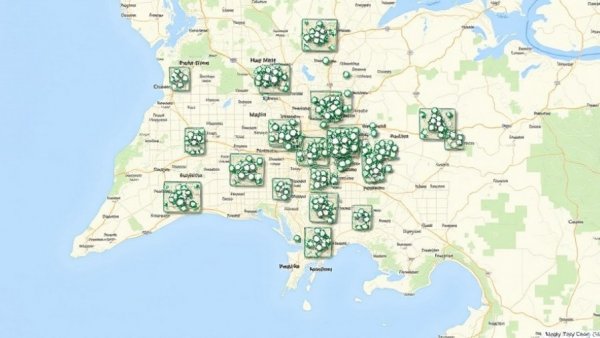
New Orleans has taken a progressive step forward in public health with the launch of its new Health Atlas, an interactive online platform designed to dissect and visualize community health needs across the city. Especially beneficial for senior citizens in Louisiana, this tool aims to illuminate health disparities and track neighborhood-level data that significantly impact the health and well-being of the community.
Understanding the Health Atlas
The Health Atlas acts as a detailed report card for neighborhoods within New Orleans, showcasing essential health data that could influence future healthcare investments and services. The platform is more than just numbers; it tells the story of each community's health landscape, spotlighting areas that need urgent attention and support. Now, seniors and caregivers can access vital statistics about health outcomes, access to care, and available resources right at their fingertips. This accessibility is crucial, especially for those who may find it difficult to navigate the healthcare system on their own.
Why This Matters for Louisiana’s Seniors
For the older residents of Louisiana, understanding the nuances of health disparities is crucial. The disparity in health outcomes can often correlate with factors such as income, access to healthcare facilities, and even the environment. A recent report highlighted that seniors in lower-income areas often experience higher rates of chronic illnesses compared to those in more affluent neighborhoods. This Health Atlas enables seniors to identify which aspects of their local healthcare system may need improvement. Equipped with this information, they can advocate for better services and investments in their neighborhoods, ensuring their voices are heard in discussions about community health initiatives.
A Closer Look at Community Needs
The inaugural community health assessment, part of the Health Atlas, highlights critical areas of concern, such as chronic diseases commonly affecting aging populations like diabetes and heart disease. For many elderly individuals, having access to localized health data means the ability to engage with healthcare providers who understand their specific needs. This is a proactive measure that encourages seniors to take control of their personal health journeys. Additionally, the data can highlight preventive measures or lifestyle adjustments that community members can implement based on the prevalent health trends within their neighborhoods.
How This Changes Health Investments
One of the overarching goals of the Health Atlas is to influence where future health investments are directed. With clear data showcasing areas of need, community leaders can make informed decisions. For instance, if a certain neighborhood is shown to have a high prevalence of health issues among seniors, funds can be allocated to enhance local healthcare services or create community health initiatives tailored to that population. This ensures that health investments are not just guesswork but are grounded in real community needs, strengthening the healthcare infrastructure. It creates a more equitable health system where resources are allocated based on the specific challenges different populations face.
Personal Stories: The Heart of the Health Atlas
The real impact of the Health Atlas can be seen through the stories of community members. Take Mrs. Thompson, a 75-year-old resident of the Tremé neighborhood, who has chronic lung issues. With the Health Atlas, she discovered nearby facilities offering smoking cessation programs and breathing therapy sessions. Not only has this changed her outlook on her health, but it has also encouraged her to connect with others in her community who are facing similar challenges. These connections are vital, as they foster a supportive environment in which seniors can share their experiences and learn from one another.
Educational Resources for Seniors
The Health Atlas also highlights educational resources available for seniors. Access to information about nutrition, exercise classes tailored to older adults, and mental health support services can significantly enhance the quality of life for the elderly. Workshops about healthy aging, provided through community centers and local hospitals, can equip seniors with the knowledge to make informed health choices.
Word from Local Leaders
Local health officials and community leaders are optimistic about the potential of the Health Atlas. Dr. Jean-Pierre, a geriatric specialist in New Orleans, emphasizes the importance of informed health decisions, stating, "When communities can see and understand their health data, they are empowered to bring about the necessary changes. The Health Atlas serves as a blueprint to a healthier future for our seniors." This endorsement reflects a broader belief among health professionals that such tools can lead to substantial improvements in community health outcomes.
Call to Action: Make Your Voice Heard
As the Health Atlas continues to evolve, residents are encouraged to not only utilize this resource but also actively participate in local health discussions. Attend community meetings, voice your concerns, and share personal health stories. These interactions can help shape the future of healthcare in their neighborhoods. Together, we can ensure that the health needs of Louisiana's seniors are prioritized and addressed effectively. By engaging with local health initiatives, seniors can play a pivotal role in transforming their community health landscape, making it a better place for generations to come.





Write A Comment