• Home
  • Categories
    • Health
    • Money
    • Lifestyle
    • Travel
    • Entertainment
    • Louisiana News
    • Jobs and Careers
    • Featured
November 18.2026
5 Minutes Read

Breakthrough Pancreatic Cancer Drug and Flu Season Tips for Seniors

Close-up of syringe related to pancreatic cancer drug in gloves.

Exploring Groundbreaking Advances in Pancreatic Cancer Treatment

Recent research has unveiled a groundbreaking experimental treatment that shows promise in combating pancreatic cancer - a disease known for its lethal nature and often late diagnosis. An exciting study indicated that an innovative drug can effectively dismantle the protective tissue wall surrounding tumors, enabling remarkable results: up to 75% of treated mice had a complete disappearance of their tumors. This breakthrough offers a beacon of hope, particularly significant for families grappling with the impact of this devastating illness.

Pancreatic cancer has long been one of the most feared diagnoses, largely because it often doesn’t present symptoms until it has reached advanced stages. The drug’s effectiveness in animal trials could pave the way for clinical trials involving human patients, which is a vital next step in the fight against this cancer. As researchers continue to explore how this treatment might be applied to humans, the potential for improved outcomes gives new hope to families and patients facing this daunting disease.

The Relevance of Pancreatic Cancer and Age

According to the American Cancer Society, pancreatic cancer is one of the most challenging cancers to treat, with high mortality rates. Sadly, by the time many patients are diagnosed, the disease has often advanced too far for effective intervention. The cancer often affects the elderly, with about two-thirds of diagnoses occurring in individuals over the age of 65. As we age, particularly for seniors, the risk of developing pancreatic cancer increases. Understanding these new treatment options can empower families to engage with healthcare professionals about the latest advancements and what they might mean for someone they love.

Moreover, knowing the early warning signs can be crucial. Symptoms often include abdominal pain, unexplained weight loss, and jaundice. If you notice any of these symptoms, it's imperative to seek medical advice promptly. Early detection can make a significant difference in treatment outcomes, offering a greater chance for survival and quality of life.

Fever Facts: Understanding Your Body's Response

This time of year also reminds us about seasonal changes in health challenges. As flu season approaches, it's essential to recognize that a fever is a common and sometimes helpful response by our body to infection, allowing us to fight off illnesses. However, staying informed about what constitutes a fever and when to seek medical attention can help keep our loved ones healthy. For seniors in particular, monitoring worsening symptoms or prolonged fevers is crucial as it could lead to more serious health complications.

A fever in older adults can sometimes indicate a more serious underlying issue. It's essential for caregivers and family members to be vigilant in monitoring health changes, as elevated body temperatures may not always trigger alarm. When temperatures are prolonged, or accompanied by confusion, weakness, or other unusual symptoms, it may signal the need for medical evaluation.

Flu Prevention Tips Tailored for Seniors

As we transition into flu season, here are some practical steps every senior citizen should consider to protect their health:

  • Get vaccinated annually: The flu shot is an effective first step to help prevent severe illness. It’s particularly important to get vaccinated early each year, as this can enhance immunity before flu cases start to rise.
  • Practice good hygiene: Regular handwashing and sanitizing surfaces can minimize the risk of infection. It's also beneficial to avoid close contact with individuals displaying signs of illness.
  • Stay informed: Keep abreast of any flu outbreaks in your community to take proactive measures. Awareness allows for quicker responses to protect your health and the health of others.
  • Stay hydrated and maintain a balanced diet: Proper nutrition strengthens the immune system, which is especially important for seniors. Foods rich in vitamins C and D, along with zinc, can help bolster your body’s defense mechanisms.

Understanding Bladder Cancer in Younger Women

In newer findings, researchers are identifying alarming trends showing a rise in bladder cancer cases among younger women. While the factors remain complex, increased awareness can lead to earlier diagnoses and better outcomes. The early signs of bladder cancer can include blood in urine and frequent urination, which should not be ignored. It’s a reminder of the importance of regular check-ups and paying attention to the body's signals, no matter the age.

Additionally, lifestyle factors such as smoking, obesity, and chronic irritation of the bladder can contribute to increased risk. Educating younger women about these risks and the importance of medical consultations fosters proactive health management. Knowledge is a powerful tool in preventing such diseases before they take hold.

Playing an Active Role in Health Decisions

Staying informed about these health developments places you in a stronger position to engage with healthcare providers meaningfully. It’s not merely about hoping for breakthroughs but advocating for yourself and ensuring you receive personalized care. Each conversation about symptoms, treatments, and advancements is a step towards fostering better health.

For seniors, being proactive in healthcare discussions can have a significant impact. Prepare questions for your doctor ahead of appointments, and feel encouraged to discuss any concerns openly. Understanding treatment options, potential side effects, and lifestyle changes can empower you in your journey towards wellness.

Resources and Support Networks

Finally, it’s crucial to remember that you’re not on this health journey alone. There are numerous resources, from local support groups to online forums, where seniors can share advice, experiences, and emotional support. Engaging actively with these communities enhances a sense of belonging and empowerment throughout health challenges.

Community centers, local health departments, and non-profit organizations often provide valuable information and can connect you with resources tailored to senior health needs. Participating in activities that promote well-being can also lift spirits amid medical challenges.

As we reflect on the advancements in treatments and continue to prepare for the flu season, I encourage everyone, especially our senior citizens in Louisiana, to take proactive steps toward health management. Regularly consult with your healthcare provider about new treatments and preventative measures tailored specifically for you. Remember, your health is a priority, and staying informed is your best defense against illness.


Health

1 Views

Write A Comment

*
*
Please complete the captcha to submit your comment.
Related Posts All Posts
11.18.2026

Revolutionary Pancreatic Cancer Drug Sparks Hope for Seniors

Update Breakthrough Discovery in Pancreatic Cancer Treatment In a stunning development for cancer research, an experimental drug has shown remarkable efficacy against pancreatic cancer, a disease known for its daunting prognosis. Researchers have revealed that this innovative treatment can dismantle the protective tissue wall of tumors, leading to the complete disappearance of cancer in an impressive 75% of treated mice. This breakthrough offers a beacon of hope for those grappling with this aggressive illness and opens up new avenues for further clinical research. Understanding Pancreatic Cancer: The Silent Threat Pancreatic cancer often goes unnoticed until it's too late, as its symptoms can be vague and easily mistaken for other conditions. The disease typically presents itself at an advanced stage, which makes it particularly challenging to treat. Frequently labeled a "silent killer," pancreatic cancer is notorious for its late diagnosis. This new drug targets the tumor's protective barriers, enhancing its vulnerability to treatment and potentially changing the trajectory of how this cancer is approached. Candidates who are at higher risk, such as individuals with a family history of pancreatic disorders, may find this research especially beneficial. The Importance of Early Detection For senior citizens, especially those in Louisiana, recognizing early signs of pancreatic cancer is crucial. Symptoms to watch for include unexplained weight loss, jaundice (yellowing of the skin and eyes), and persistent stomach pain. Regular check-ups and conversations with healthcare professionals can aid in early detection, which is essential for better outcomes. Increased public awareness and educational campaigns can empower communities to prioritize their health by knowing what symptoms to monitor. Furthermore, Louisiana has seen initiatives aimed at improving access to diagnostic services for early-stage cancers. Seniors should feel encouraged to discuss any health concerns openly with their doctors. Catching symptoms early and acting upon them can be life-saving, transforming the management of this previously grim diagnosis. Broader Implications: What This Means for Future Treatments The implications of such a breakthrough extend beyond pancreatic cancer. This novel approach of targeting tumor protective tissues could herald new treatment protocols for various types of cancers, including liver and colorectal cancers, which often employ similar growth patterns. As research advances, it opens the door to personalized medicine, where therapies are tailored to individual patient's tumor characteristics, significantly increasing the chances of successful treatment. Experts suggest this could lead to a paradigm shift in oncology, where treatments are designed not just to attack fast-dividing cancer cells but to enhance the body’s natural defenses against tumors. Such research is vital as we continue to face the ongoing challenges around cancer treatment and patient care. Bladder Cancer Notice: A Rise Among Younger Women Interestingly, recent studies suggest a rising incidence of bladder cancer among younger women. While traditionally more common in older populations, this upward trend necessitates an examination of lifestyle factors, such as smoking, diet, and exposure to chemicals, and increased awareness in younger demographics. Symptoms like frequent urination, blood in urine, or painful urination should never be overlooked and warrant immediate medical attention. For women, understanding the risk factors and taking proactive steps, such as maintaining a healthy lifestyle and getting regular medical evaluations, can be crucial. Encouraging discussions about bladder health and broadening the narrative can empower younger women to advocate for their health. Flu Season Preparedness: Tips for Seniors As we approach flu season, seniors must take proactive steps to protect their health. Here are some quick tips to stay ahead this season: Get Vaccinated: Ensure you receive your flu shot to boost your immunity against seasonal strains. Health officials recommend getting the vaccine early in the season. Stay Hydrated: Drink plenty of fluids to help your immune system function optimally. Herbal teas and broths can also work wonders. Practice Good Hygiene: Regular handwashing can significantly reduce your risk of contracting the flu. Using hand sanitizer when out can be beneficial too. Limit Exposure: Avoid crowded places and close contacts during peak flu season to minimize the risk of infection. Consider shopping during off-peak hours or taking advantage of home delivery services. It's also essential for seniors to stay informed about any changes in flu vaccination guidelines as public health recommendations may evolve yearly. The Facts About Fevers: What You Should Know Fever is a common response to infections, and it’s essential to distinguish between fever types and their implications. In seniors, a fever may not always manifest in the typical way—a high temperature may be absent, making it crucial to watch for other signs of infection. It's vital to monitor temperature changes and consult a healthcare provider when in doubt. Understanding the nature of fevers can lead to better management and care, ultimately improving outcomes. Additionally, keeping a thermometer at home can help seniors monitor their temperatures regularly. Recognizing what constitutes a concerning fever can empower older adults to act promptly and seek medical attention when necessary. Encouragement for Change: The Power of Community Awareness As the landscape of health changes, awareness becomes our most powerful tool. Seniors in Louisiana are encouraged to stay informed about new developments in health science and to engage in supporting local health initiatives. Communities that prioritize health education can foster environments where everyone, especially seniors, are empowered to make informed health decisions. By attending local health fairs, participating in free screenings, or engaging in community dialogues, seniors can take charge of their health. Knowledge is power, and as we confront these ongoing health challenges together, collective action and support can make a significant difference in outcomes. Seniors deserve every opportunity to stay informed and proactive about their health. With exciting research like this emerging, and as we navigate flu season, it’s more vital than ever to stay aware, connected, and engaged in our communities.

11.18.2026

Navigating Measles Risks During Pregnancy and Flu Season for Seniors

Update Understanding Measles Risks for Pregnant Women The recent rise in measles cases is particularly concerning for pregnant individuals. Measles is not just a childhood illness; it can lead to serious complications during pregnancy. Women who contract the virus while pregnant risk premature birth, low birth weight, and potentially severe health issues for their newborns. Therefore, it is essential for expectant mothers to understand the risks and stay up-to-date with vaccinations. Protecting oneself is not only about personal health but also about safeguarding the health of the baby. According to health experts, the measles vaccine is both safe and effective for women planning to become pregnant. Ensuring vaccination well before conception helps create a protective shield against this highly contagious virus. In many cases, women may not be aware of their immunity status; therefore, it is crucial to consult with healthcare providers and get tested if there is any doubt. It's also worth noting that the impact of measles can extend beyond pregnancy. Babies born to women who experienced measles during pregnancy may face a higher likelihood of developmental delays and growth issues. Therefore, proper prenatal care and vaccination are vital components of a healthy pregnancy. The Early Surge of Flu Cases Alongside the measles concerns, health authorities in Louisiana are reporting an early start to flu season this year. Typically, increased flu cases begin to emerge in late fall, but this year, the numbers are rising sooner than expected. This trend is alarming, especially for seniors, as flu can lead to severe complications in older adults due to weakened immune systems. In fact, flu-related hospitalizations are significantly higher among individuals over the age of 65. The Centers for Disease Control and Prevention (CDC) recommend annual flu vaccinations, particularly for those in this age group. The vaccine can significantly reduce the risk of hospitalization and serious illness, making it a crucial aspect of an older individual’s health strategy as colder months approach. It is also recommended that seniors discuss their health status with their doctors before getting vaccinated, particularly if they have underlying health issues. Moreover, it is advantageous to stay informed about seasonal flu trends and outbreaks. Local health departments often provide updates on flu activity in communities, helping seniors make informed decisions. Maintaining hygiene practices, such as regular hand-washing and avoiding close contact with sick individuals, is also essential in reducing flu transmission. Warning Signs of Memory Loss As we age, maintaining mental health is just as critical as physical well-being. Recognizing the early signs of memory loss can be life-changing. Common indicators include forgetting recent events, misplacing everyday items, and struggling with familiar tasks. While occasional forgetfulness is normal, repeated instances should prompt a conversation with a healthcare provider. Early detection plays a key role in managing potential memory-related conditions. Engaging in mentally stimulating activities, such as puzzles, reading, or learning new skills, can significantly help in keeping the brain healthy. Many community centers offer programs tailored specifically for seniors, including book clubs and art classes that promote cognitive engagement. Staying socially active plays an equally important role in enhancing mental health. Participating in group activities can foster a sense of belonging and community, which is essential as individuals age. Empowering Seniors in Louisiana Living in Louisiana, seniors have unique resources available to support their health. Local health departments and community organizations provide a wealth of services, including health screenings, vaccination clinics, and educational workshops on various health issues, encompassing not only memory care but also preventive health strategies. Taking advantage of these resources empowers seniors to take charge of their health. A proactive approach can lead to increased awareness of various health conditions and better outcomes. Moreover, sharing knowledge within the community creates a supportive network where seniors can look out for one another's health. It is beneficial to stay connected with local groups, which often organize health fairs and informational sessions. If you or a family member have questions about measles vaccinations or learning more about flu prevention, do not hesitate to contact your local health department. They are an invaluable resource for getting accurate information and accessing necessary services. The Importance of Proactive Health Measures Ultimately, awareness and proactive health measures are vital for ensuring the health and safety of the senior population in Louisiana. By understanding the risks associated with measles, keeping ahead of flu season through vaccination, and recognizing early signs of memory loss, you can take actionable steps toward a healthier future. Simple lifestyle changes, such as incorporating a balanced diet rich in fruits and vegetables, staying physically active, and ensuring regular check-ups with your healthcare provider, can profoundly impact overall well-being. Let’s make it a priority to remain connected and educated as a community. By doing so, we not only enhance our own well-being but also inspire those around us to make informed health choices. Building a healthier community is achievable when we work together and support one another in our health journeys. For more information on health initiatives or to find support networks in your area, consider reaching out to local organizations dedicated to senior health. They can provide helpful resources tailored to seniors and offer support that encourages a healthier, more informed community. Together, we can create a strong network that fosters well-being and connections for everyone involved!

11.18.2026

Discover How New Orleans' Health Atlas Can Benefit Seniors

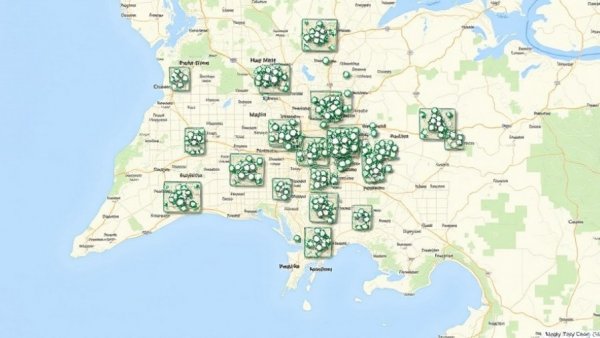
Update Mapping the Future of Community Health in New Orleans New Orleans has taken a progressive step forward in public health with the launch of its new Health Atlas, an interactive online platform designed to dissect and visualize community health needs across the city. Especially beneficial for senior citizens in Louisiana, this tool aims to illuminate health disparities and track neighborhood-level data that significantly impact the health and well-being of the community. Understanding the Health Atlas The Health Atlas acts as a detailed report card for neighborhoods within New Orleans, showcasing essential health data that could influence future healthcare investments and services. The platform is more than just numbers; it tells the story of each community's health landscape, spotlighting areas that need urgent attention and support. Now, seniors and caregivers can access vital statistics about health outcomes, access to care, and available resources right at their fingertips. This accessibility is crucial, especially for those who may find it difficult to navigate the healthcare system on their own. Why This Matters for Louisiana’s Seniors For the older residents of Louisiana, understanding the nuances of health disparities is crucial. The disparity in health outcomes can often correlate with factors such as income, access to healthcare facilities, and even the environment. A recent report highlighted that seniors in lower-income areas often experience higher rates of chronic illnesses compared to those in more affluent neighborhoods. This Health Atlas enables seniors to identify which aspects of their local healthcare system may need improvement. Equipped with this information, they can advocate for better services and investments in their neighborhoods, ensuring their voices are heard in discussions about community health initiatives. A Closer Look at Community Needs The inaugural community health assessment, part of the Health Atlas, highlights critical areas of concern, such as chronic diseases commonly affecting aging populations like diabetes and heart disease. For many elderly individuals, having access to localized health data means the ability to engage with healthcare providers who understand their specific needs. This is a proactive measure that encourages seniors to take control of their personal health journeys. Additionally, the data can highlight preventive measures or lifestyle adjustments that community members can implement based on the prevalent health trends within their neighborhoods. How This Changes Health Investments One of the overarching goals of the Health Atlas is to influence where future health investments are directed. With clear data showcasing areas of need, community leaders can make informed decisions. For instance, if a certain neighborhood is shown to have a high prevalence of health issues among seniors, funds can be allocated to enhance local healthcare services or create community health initiatives tailored to that population. This ensures that health investments are not just guesswork but are grounded in real community needs, strengthening the healthcare infrastructure. It creates a more equitable health system where resources are allocated based on the specific challenges different populations face. Personal Stories: The Heart of the Health Atlas The real impact of the Health Atlas can be seen through the stories of community members. Take Mrs. Thompson, a 75-year-old resident of the Tremé neighborhood, who has chronic lung issues. With the Health Atlas, she discovered nearby facilities offering smoking cessation programs and breathing therapy sessions. Not only has this changed her outlook on her health, but it has also encouraged her to connect with others in her community who are facing similar challenges. These connections are vital, as they foster a supportive environment in which seniors can share their experiences and learn from one another. Educational Resources for Seniors The Health Atlas also highlights educational resources available for seniors. Access to information about nutrition, exercise classes tailored to older adults, and mental health support services can significantly enhance the quality of life for the elderly. Workshops about healthy aging, provided through community centers and local hospitals, can equip seniors with the knowledge to make informed health choices. Word from Local Leaders Local health officials and community leaders are optimistic about the potential of the Health Atlas. Dr. Jean-Pierre, a geriatric specialist in New Orleans, emphasizes the importance of informed health decisions, stating, "When communities can see and understand their health data, they are empowered to bring about the necessary changes. The Health Atlas serves as a blueprint to a healthier future for our seniors." This endorsement reflects a broader belief among health professionals that such tools can lead to substantial improvements in community health outcomes. Call to Action: Make Your Voice Heard As the Health Atlas continues to evolve, residents are encouraged to not only utilize this resource but also actively participate in local health discussions. Attend community meetings, voice your concerns, and share personal health stories. These interactions can help shape the future of healthcare in their neighborhoods. Together, we can ensure that the health needs of Louisiana's seniors are prioritized and addressed effectively. By engaging with local health initiatives, seniors can play a pivotal role in transforming their community health landscape, making it a better place for generations to come.

Golden Years of Louisiana

GoldenYearsLA.com is Louisiana’s trusted online magazine for seniors, offering lifestyle inspiration, health tips, financial guidance, and travel ideas tailored to you.

  • Privacy Policy
  • Terms of Use
  • Advertise
  • Contact Us
  • Menu 5
  • Menu 6
Hours

AVAILABLE M-F 9AM - 5PM CST

Hall Street Media

Hall Street Media is a Louisiana-based media company creating engaging digital publications for lifestyle, health, business, and regional audiences across the Gulf South.

© 2026 Golden Years of Louisiana All Rights Reserved. Hall Street Media, Lafayette, Louisiana 70501 . Contact Us . Terms of Service . Privacy Policy

eyJjb21wYW55IjoiR29sZGVuIFllYXJzIG9mIExvdWlzaWFuYSIsImFkZHJlc3MiOiJIYWxsIFN0cmVldCBNZWRpYSIsImNpdHkiOiJMYWZheWV0dGUiLCJzdGF0ZSI6IkxvdWlzaWFuYSIsInppcCI6IjcwNTAxIiwiZW1haWwiOiJnb2xkZW55ZWFyc2xhQGdtYWlsLmNvbSIsInRvcyI6IlBIQStQSE4wY205dVp6NDhaVzArVjJobGJpQjViM1VnYzJsbmJpMXBiaUIzYVhSb0lIVnpMQ0I1YjNVZ1lYSmxJR2RwZG1sdVp5WnVZbk53T3lCNWIzVnlJSEJsY20xcGMzTnBiMjRnWVc1a0lHTnZibk5sYm5RZ2RHOGdjMlZ1WkNCNWIzVWdaVzFoYVd3Z1lXNWtMMjl5SUZOTlV5QjBaWGgwSUcxbGMzTmhaMlZ6TGlCQ2VTQmphR1ZqYTJsdVp5QjBhR1VnVkdWeWJYTWdZVzVrSUVOdmJtUnBkR2x2Ym5NZ1ltOTRJR0Z1WkNCaWVTQnphV2R1YVc1bklHbHVJSGx2ZFNCaGRYUnZiV0YwYVdOaGJHeDVJR052Ym1acGNtMGdkR2hoZENCNWIzVWdZV05qWlhCMElHRnNiQ0IwWlhKdGN5QnBiaUIwYUdseklHRm5jbVZsYldWdWRDNDhMMlZ0UGp3dmMzUnliMjVuUGp3dmNENEtDanh3UG1oMGRIQnpPaTh2WjI5c1pHVnVlV1ZoY25Oc1lTNWpiMjA4TDNBK0NnbzhjRDRtYm1KemNEczhMM0ErQ2dvOGNENDhjM1J5YjI1blBsTkZVbFpKUTBVOEwzTjBjbTl1Wno0OEwzQStDZ284Y0Q1WFpTQndjbTkyYVdSbElHRWdjMlZ5ZG1salpTQjBhR0YwSUdOMWNuSmxiblJzZVNCaGJHeHZkM01nZVc5MUlIUnZJSEpsWTJWcGRtVWdjbVZ4ZFdWemRITWdabTl5SUdabFpXUmlZV05yTENCamIyMXdZVzU1SUdsdVptOXliV0YwYVc5dUxDQndjbTl0YjNScGIyNWhiQ0JwYm1admNtMWhkR2x2Yml3Z1kyOXRjR0Z1ZVNCaGJHVnlkSE1zSUdOdmRYQnZibk1zSUdScGMyTnZkVzUwY3lCaGJtUWdiM1JvWlhJZ2JtOTBhV1pwWTJGMGFXOXVjeUIwYnlCNWIzVnlJR1Z0WVdsc0lHRmtaSEpsYzNNZ1lXNWtMMjl5SUdObGJHeDFiR0Z5SUhCb2IyNWxJRzl5SUdSbGRtbGpaUzRnV1c5MUlIVnVaR1Z5YzNSaGJtUWdZVzVrSUdGbmNtVmxJSFJvWVhRZ2RHaGxJRk5sY25acFkyVWdhWE1nY0hKdmRtbGtaV1FnSm5GMWIzUTdRVk10U1ZNbWNYVnZkRHNnWVc1a0lIUm9ZWFFnZDJVZ1lYTnpkVzFsSUc1dklISmxjM0J2Ym5OcFltbHNhWFI1SUdadmNpQjBhR1VnZEdsdFpXeHBibVZ6Y3l3Z1pHVnNaWFJwYjI0c0lHMXBjeTFrWld4cGRtVnllU0J2Y2lCbVlXbHNkWEpsSUhSdklITjBiM0psSUdGdWVTQjFjMlZ5SUdOdmJXMTFibWxqWVhScGIyNXpJRzl5SUhCbGNuTnZibUZzYVhwaGRHbHZiaUJ6WlhSMGFXNW5jeTQ4TDNBK0NnbzhjRDVaYjNVZ1lYSmxJSEpsYzNCdmJuTnBZbXhsSUdadmNpQnZZblJoYVc1cGJtY2dZV05qWlhOeklIUnZJSFJvWlNCVFpYSjJhV05sSUdGdVpDQjBhR0YwSUdGalkyVnpjeUJ0WVhrZ2FXNTJiMngyWlNCMGFHbHlaQ0J3WVhKMGVTQm1aV1Z6SUNoemRXTm9JR0Z6SUZOTlV5QjBaWGgwSUcxbGMzTmhaMlZ6TENCSmJuUmxjbTVsZENCelpYSjJhV05sSUhCeWIzWnBaR1Z5SUc5eUlHTmxiR3gxYkdGeUlHRnBjblJwYldVZ1kyaGhjbWRsY3lrdUlGbHZkU0JoY21VZ2NtVnpjRzl1YzJsaWJHVWdabTl5SUhSb2IzTmxJR1psWlhNc0lHbHVZMngxWkdsdVp5QjBhRzl6WlNCbVpXVnpJR0Z6YzI5amFXRjBaV1FnZDJsMGFDQjBhR1VnWkdsemNHeGhlU0J2Y2lCa1pXeHBkbVZ5ZVNCdlppQmxZV05vSUZOTlV5QjBaWGgwSUcxbGMzTmhaMlVnYzJWdWRDQjBieUI1YjNVZ1lua2dkWE11SUVsdUlHRmtaR2wwYVc5dUxDQjViM1VnYlhWemRDQndjbTkyYVdSbElHRnVaQ0JoY21VZ2NtVnpjRzl1YzJsaWJHVWdabTl5SUdGc2JDQmxjWFZwY0cxbGJuUWdibVZqWlhOellYSjVJSFJ2SUdGalkyVnpjeUIwYUdVZ1UyVnlkbWxqWlNCaGJtUWdjbVZqWldsMlpTQjBhR1VnVTAxVElIUmxlSFFnYldWemMyRm5aWE11SUZkbElHUnZJRzV2ZENCamFHRnlaMlVnWVc1NUlHWmxaWE1nWm05eUlHUmxiR2wyWlhKNUlHOW1JR1Z0WVdsc0lHOXlJRk5OVXk0Z1ZHaHBjeUJwY3lCaElHWnlaV1VnYzJWeWRtbGpaU0J3Y205MmFXUmxaQ0JpZVNCMWN5NGdTRzkzWlhabGNpd2djR3hsWVhObElHTm9aV05ySUhkcGRHZ2dlVzkxY2lCcGJuUmxjbTVsZENCelpYSjJhV05sSUhCeWIzWnBaR1Z5SUdGdVpDQmpaV3hzZFd4aGNpQmpZWEp5YVdWeUlHWnZjaUJoYm5rZ1kyaGhjbWRsY3lCMGFHRjBJRzFoZVNCcGJtTjFjaUJoY3lCaElISmxjM1ZzZENCbWNtOXRJSEpsWTJWcGRtbHVaeUJsYldGcGJDQmhibVFnVTAxVElIUmxlSFFnYldWemMyRm5aWE1nZEdoaGRDQjNaU0JrWld4cGRtVnlJSFZ3YjI0Z2VXOTFjaUJ2Y0hRdGFXNGdZVzVrSUhKbFoybHpkSEpoZEdsdmJpQjNhWFJvSUc5MWNpQmxiV0ZwYkNCaGJtUWdVMDFUSUhObGNuWnBZMlZ6TGlCWmIzVWdZMkZ1SUdOaGJtTmxiQ0JoZENCaGJua2dkR2x0WlM0Z1NuVnpkQ0IwWlhoMElDWnhkVzkwTzFOVVQxQW1jWFZ2ZERzZ2RHOG1ibUp6Y0RzOGFHbG5hR3hwWjJoMElHTnNZWE56UFNKamIyMXdZVzU1VTAxVFVHaHZibVZWY0dSaGRHVWlQbTUxYkd3OEwyaHBaMmhzYVdkb2RENHVJRUZtZEdWeUlIbHZkU0J6Wlc1a0lIUm9aU0JUVFZNZ2JXVnpjMkZuWlNBbWNYVnZkRHRUVkU5UUpuRjFiM1E3SUhSdklIVnpMQ0IzWlNCM2FXeHNJSE5sYm1RZ2VXOTFJR0Z1SUZOTlV5QnRaWE56WVdkbElIUnZJR052Ym1acGNtMGdkR2hoZENCNWIzVWdhR0YyWlNCaVpXVnVJSFZ1YzNWaWMyTnlhV0psWkM0Z1FXWjBaWElnZEdocGN5d2dlVzkxSUhkcGJHd2dibThnYkc5dVoyVnlJSEpsWTJWcGRtVWdVMDFUSUcxbGMzTmhaMlZ6SUdaeWIyMGdkWE11UEM5d1Bnb0tQSEErUEhOMGNtOXVaejVaVDFWU0lGSkZSMGxUVkZKQlZFbFBUaUJQUWt4SlIwRlVTVTlPVXp3dmMzUnliMjVuUGp3dmNENEtDanh3UGtsdUlHTnZibk5wWkdWeVlYUnBiMjRnYjJZZ2VXOTFjaUIxYzJVZ2IyWWdkR2hsSUZObGNuWnBZMlVzSUhsdmRTQmhaM0psWlNCMGJ6bzhMM0ErQ2dvOGIydytDZ2s4YkdrK2NISnZkbWxrWlNCMGNuVmxMQ0JoWTJOMWNtRjBaU3dnWTNWeWNtVnVkQ0JoYm1RZ1kyOXRjR3hsZEdVZ2FXNW1iM0p0WVhScGIyNGdZV0p2ZFhRZ2VXOTFjbk5sYkdZZ1lYTWdjSEp2YlhCMFpXUWdZbmtnZEdobElGTmxjblpwWTJVbUl6TTVPM01nY21WbmFYTjBjbUYwYVc5dUlHWnZjbTBnS0hOMVkyZ2dhVzVtYjNKdFlYUnBiMjRnWW1WcGJtY2dkR2hsSUNaeGRXOTBPMUpsWjJsemRISmhkR2x2YmlCRVlYUmhKbkYxYjNRN0tTQmhibVE4TDJ4cFBnb0pQR3hwUG0xaGFXNTBZV2x1SUdGdVpDQndjbTl0Y0hSc2VTQjFjR1JoZEdVZ2RHaGxJRkpsWjJsemRISmhkR2x2YmlCRVlYUmhJSFJ2SUd0bFpYQWdhWFFnZEhKMVpTd2dZV05qZFhKaGRHVXNJR04xY25KbGJuUWdZVzVrSUdOdmJYQnNaWFJsTGlCSlppQjViM1VnY0hKdmRtbGtaU0JoYm5rZ2FXNW1iM0p0WVhScGIyNGdkR2hoZENCcGN5QjFiblJ5ZFdVc0lHbHVZV05qZFhKaGRHVXNJRzV2ZENCamRYSnlaVzUwSUc5eUlHbHVZMjl0Y0d4bGRHVXNJRzl5SUhkbElHaGhkbVVnY21WaGMyOXVZV0pzWlNCbmNtOTFibVJ6SUhSdklITjFjM0JsWTNRZ2RHaGhkQ0J6ZFdOb0lHbHVabTl5YldGMGFXOXVJR2x6SUhWdWRISjFaU3dnYVc1aFkyTjFjbUYwWlN3Z2JtOTBJR04xY25KbGJuUWdiM0lnYVc1amIyMXdiR1YwWlN3Z2QyVWdhR0YyWlNCMGFHVWdjbWxuYUhRZ2RHOGdjM1Z6Y0dWdVpDQnZjaUE4YzNSeWIyNW5Qanh6Y0dGdUlITjBlV3hsUFNKamIyeHZjam9qUmtZd01EQXdPeUkrZEdWeWJXbHVZWFJsSUhsdmRYSWdZV05qYjNWdWRDOXdjbTltYVd4bElHRnVaQ0J5WldaMWMyVWdZVzU1SUdGdVpDQmhiR3dnWTNWeWNtVnVkQ0J2Y2lCbWRYUjFjbVVnZFhObElHOW1JSFJvWlNCVFpYSjJhV05sSUNodmNpQmhibmtnY0c5eWRHbHZiaUIwYUdWeVpXOW1LUzQ4TDNOd1lXNCtQQzl6ZEhKdmJtYytQQzlzYVQ0S1BDOXZiRDRLQ2p4d1BpWnVZbk53T3p3dmNENEtQR2hwWjJoc2FXZG9kQ0JqYkdGemN6MGlZMjl0Y0dGdWVVNWhiV1ZWY0dSaGRHVWlQa2R2YkdSbGJpQlpaV0Z5Y3lCdlppQk1iM1ZwYzJsaGJtRThMMmhwWjJoc2FXZG9kRDQ4WW5JZ0x6NEtQR2hwWjJoc2FXZG9kQ0JqYkdGemN6MGlZMjl0Y0dGdWVVVnRZV2xzVlhCa1lYUmxJajVuYjJ4a1pXNTVaV0Z5YzJ4aFFHZHRZV2xzTG1OdmJUd3ZhR2xuYUd4cFoyaDBQZz09IiwicHJpdmFjeSI6IlBIQStQSE4wY205dVp6NVFVa2xXUVVOWlBDOXpkSEp2Ym1jK1BDOXdQZ29LUEhBK1BITjBjbTl1Wno1VWFHVWdhVzVtYjNKdFlYUnBiMjRnY0hKdmRtbGtaV1FnWkhWeWFXNW5JSFJvYVhNZ2NtVm5hWE4wY21GMGFXOXVJR2x6SUd0bGNIUWdjSEpwZG1GMFpTQmhibVFnWTI5dVptbGtaVzUwYVdGc0xDQmhibVFnZDJsc2JDQnVaWFpsY2lCaVpTQmthWE4wY21saWRYUmxaQ3dnWTI5d2FXVmtMQ0J6YjJ4a0xDQjBjbUZrWldRZ2IzSWdjRzl6ZEdWa0lHbHVJR0Z1ZVNCM1lYa3NJSE5vWVhCbElHOXlJR1p2Y20wdUlGUm9hWE1nYVhNZ2IzVnlJR2QxWVhKaGJuUmxaUzQ4TDNOMGNtOXVaejQ4TDNBK0NnbzhjRDQ4YzNSeWIyNW5Qa2xPUkVWTlRrbFVXVHd2YzNSeWIyNW5Qand2Y0Q0S0NqeHdQanhsYlQ1WmIzVWdZV2R5WldVZ2RHOGdhVzVrWlcxdWFXWjVJR0Z1WkNCb2IyeGtJSFZ6TENCaGJtUWdhWFJ6SUhOMVluTnBaR2xoY21sbGN5d2dZV1ptYVd4cFlYUmxjeXdnYjJabWFXTmxjbk1zSUdGblpXNTBjeXdnWTI4dFluSmhibVJsY25NZ2IzSWdiM1JvWlhJZ2NHRnlkRzVsY25Nc0lHRnVaQ0JsYlhCc2IzbGxaWE1zSUdoaGNtMXNaWE56SUdaeWIyMGdZVzU1SUdOc1lXbHRJRzl5SUdSbGJXRnVaQ3dnYVc1amJIVmthVzVuSUhKbFlYTnZibUZpYkdVZ1lYUjBiM0p1WlhsekppTXpPVHNnWm1WbGN5d2diV0ZrWlNCaWVTQmhibmtnZEdocGNtUWdjR0Z5ZEhrZ1pIVmxJSFJ2SUc5eUlHRnlhWE5wYm1jZ2IzVjBJRzltSUVOdmJuUmxiblFnZVc5MUlISmxZMlZwZG1Vc0lITjFZbTFwZEN3Z2NtVndiSGtzSUhCdmMzUXNJSFJ5WVc1emJXbDBJRzl5SUcxaGEyVWdZWFpoYVd4aFlteGxJSFJvY205MVoyZ2dkR2hsSUZObGNuWnBZMlVzSUhsdmRYSWdkWE5sSUc5bUlIUm9aU0JUWlhKMmFXTmxMQ0I1YjNWeUlHTnZibTVsWTNScGIyNGdkRzhnZEdobElGTmxjblpwWTJVc0lIbHZkWElnZG1sdmJHRjBhVzl1SUc5bUlIUm9aU0JVVDFNc0lHOXlJSGx2ZFhJZ2RtbHZiR0YwYVc5dUlHOW1JR0Z1ZVNCeWFXZG9kSE1nYjJZZ1lXNXZkR2hsY2k0OEwyVnRQand2Y0Q0S0NqeHdQanh6ZEhKdmJtYytSRWxUUTB4QlNVMUZVaUJQUmlCWFFWSlNRVTVVU1VWVFBDOXpkSEp2Ym1jK1BDOXdQZ29LUEhBK1BITjBjbTl1Wno1WlQxVWdSVmhRVWtWVFUweFpJRlZPUkVWU1UxUkJUa1FnUVU1RUlFRkhVa1ZGSUZSSVFWUTZQQzl6ZEhKdmJtYytQQzl3UGdvS1BHOXNQZ29KUEd4cFBsbFBWVklnVlZORklFOUdJRlJJUlNCVFJWSldTVU5GSUVsVElFRlVJRmxQVlZJZ1UwOU1SU0JTU1ZOTExpQlVTRVVnVTBWU1ZrbERSU0JKVXlCUVVrOVdTVVJGUkNCUFRpQkJUaUFtY1hWdmREdEJVeUJKVXlaeGRXOTBPeUJCVGtRZ0puRjFiM1E3UVZNZ1FWWkJTVXhCUWt4RkpuRjFiM1E3SUVKQlUwbFRMaUFzTGlCQlRrUWdWVk1zSUVsVUppTXpPVHRUSUVOVlUxUlBUVVZTVXl3Z1JWaFFVa1ZUVTB4WklFUkpVME5NUVVsTlV5QkJURXdnVjBGU1VrRk9WRWxGVXlCUFJpQkJUbGtnUzBsT1JDd2dWMGhGVkVoRlVpQkZXRkJTUlZOVElFOVNJRWxOVUV4SlJVUXNJRWxPUTB4VlJFbE9SeXdnUWxWVUlFNVBWQ0JNU1UxSlZFVkVJRlJQSUZSSVJTQkpUVkJNU1VWRUlGZEJVbEpCVGxSSlJWTWdUMFlnVFVWU1EwaEJUbFJCUWtsTVNWUlpMQ0JHU1ZST1JWTlRJRVpQVWlCQklGQkJVbFJKUTFWTVFWSWdVRlZTVUU5VFJTQkJUa1FnVGs5T0xVbE9SbEpKVGtkRlRVVk9WQzQ4TDJ4cFBnb0pQR3hwUGsxQlMwVlRJRTVQSUZkQlVsSkJUbFJaSUZSSVFWUWdLR2twSUZSSVJTQlRSVkpXU1VORklGZEpURXdnVFVWRlZDQlpUMVZTSUZKRlVWVkpVa1ZOUlU1VVV5d2dLR2xwS1NCVVNFVWdVMFZTVmtsRFJTQlhTVXhNSUVKRklGVk9TVTVVUlZKU1ZWQlVSVVFzSUZSSlRVVk1XU3dnVTBWRFZWSkZMQ0JQVWlCRlVsSlBVaTFHVWtWRkxDQW9hV2xwS1NCVVNFVWdVa1ZUVlV4VVV5QlVTRUZVSUUxQldTQkNSU0JQUWxSQlNVNUZSQ0JHVWs5TklGUklSU0JWVTBVZ1QwWWdWRWhGSUZORlVsWkpRMFVnVjBsTVRDQkNSU0JCUTBOVlVrRlVSU0JQVWlCU1JVeEpRVUpNUlN3Z1FVNUVJQ2hwZGlrZ1FVNVpJRVZTVWs5U1V5QkpUaUJVU0VVZ1UwOUdWRmRCVWtVZ1YwbE1UQ0JDUlNCRFQxSlNSVU5VUlVRdVBDOXNhVDRLQ1R4c2FUNUJUbGtnVFVGVVJWSkpRVXdnUkU5WFRreFBRVVJGUkNCUFVpQlBWRWhGVWxkSlUwVWdUMEpVUVVsT1JVUWdWRWhTVDFWSFNDQlVTRVVnVlZORklFOUdJRlJJUlNCVFJWSldTVU5GSUVsVElFUlBUa1VnUVZRZ1dVOVZVaUJQVjA0Z1JFbFRRMUpGVkVsUFRpQkJUa1FnVWtsVFN5QkJUa1FnVkVoQlZDQlpUMVVnVjBsTVRDQkNSU0JUVDB4RlRGa2dVa1ZUVUU5T1UwbENURVVnUms5U0lFRk9XU0JFUVUxQlIwVWdWRThnV1U5VlVpQkRUMDFRVlZSRlVpQlRXVk5VUlUwZ1QxSWdURTlUVXlCUFJpQkVRVlJCSUZSSVFWUWdVa1ZUVlV4VVV5QkdVazlOSUZSSVJTQkVUMWRPVEU5QlJDQlBSaUJCVGxrZ1UxVkRTQ0JOUVZSRlVrbEJUQzQ4TDJ4cFBnb0pQR3hwUGs1UElFRkVWa2xEUlNCUFVpQkpUa1pQVWsxQlZFbFBUaXdnVjBoRlZFaEZVaUJQVWtGTUlFOVNJRmRTU1ZSVVJVNHNJRTlDVkVGSlRrVkVJRUpaSUZsUFZTQkdVazlOSUU5U0lGUklVazlWUjBnZ1QxSWdSbEpQVFNCVVNFVWdVMFZTVmtsRFJTQlRTRUZNVENCRFVrVkJWRVVnUVU1WklGZEJVbEpCVGxSWklFNVBWQ0JGV0ZCU1JWTlRURmtnVTFSQlZFVkVJRWxPSUZSSVJTQlVUMU11UEM5c2FUNEtQQzl2YkQ0S0NqeHdQanh6ZEhKdmJtYytURWxOU1ZSQlZFbFBUaUJQUmlCTVNVRkNTVXhKVkZrOEwzTjBjbTl1Wno0OEwzQStDZ284Y0Q1WlQxVWdSVmhRVWtWVFUweFpJRlZPUkVWU1UxUkJUa1FnUVU1RUlFRkhVa1ZGSUZSSVFWUWdRVTVFSUZOSVFVeE1JRTVQVkNCQ1JTQk1TVUZDVEVVZ1JrOVNJRUZPV1NCRVNWSkZRMVFzSUVsT1JFbFNSVU5VTENCSlRrTkpSRVZPVkVGTUxDQlRVRVZEU1VGTUxDQkRUMDVUUlZGVlJVNVVTVUZNSUU5U0lFVllSVTFRVEVGU1dTQkVRVTFCUjBWVExDQkpUa05NVlVSSlRrY2dRbFZVSUU1UFZDQk1TVTFKVkVWRUlGUlBMQ0JFUVUxQlIwVlRJRVpQVWlCTVQxTlRJRTlHSUZCU1QwWkpWRk1zSUVkUFQwUlhTVXhNTENCVlUwVXNJRVJCVkVFZ1QxSWdUMVJJUlZJZ1NVNVVRVTVIU1VKTVJTQk1UMU5UUlZNZ0tFVldSVTRnU1VZZ1NFRlRJRUpGUlU0Z1FVUldTVk5GUkNCUFJpQlVTRVVnVUU5VFUwbENTVXhKVkZrZ1QwWWdVMVZEU0NCRVFVMUJSMFZUS1N3Z1VrVlRWVXhVU1U1SElFWlNUMDA2UEM5d1Bnb0tQRzlzUGdvSlBHeHBQbFJJUlNCVlUwVWdUMUlnVkVoRklFbE9RVUpKVEVsVVdTQlVUeUJWVTBVZ1ZFaEZJRk5GVWxaSlEwVTdQQzlzYVQ0S0NUeHNhVDVVU0VVZ1EwOVRWQ0JQUmlCUVVrOURWVkpGVFVWT1ZDQlBSaUJUVlVKVFZFbFVWVlJGSUVkUFQwUlRJRUZPUkNCVFJWSldTVU5GVXlCU1JWTlZURlJKVGtjZ1JsSlBUU0JCVGxrZ1IwOVBSRk1zSUVSQlZFRXNJRWxPUms5U1RVRlVTVTlPSUU5U0lGTkZVbFpKUTBWVElGQlZVa05JUVZORlJDQlBVaUJQUWxSQlNVNUZSQ0JQVWlCTlJWTlRRVWRGVXlCU1JVTkZTVlpGUkNCUFVpQlVVa0ZPVTBGRFZFbFBUbE1nUlU1VVJWSkZSQ0JKVGxSUElGUklVazlWUjBnZ1QxSWdSbEpQVFNCVVNFVWdVMFZTVmtsRFJUczhMMnhwUGdvSlBHeHBQbFZPUVZWVVNFOVNTVnBGUkNCQlEwTkZVMU1nVkU4Z1QxSWdRVXhVUlZKQlZFbFBUaUJQUmlCWlQxVlNJRlJTUVU1VFRVbFRVMGxQVGxNZ1QxSWdSRUZVUVRzOEwyeHBQZ29KUEd4cFBsTlVRVlJGVFVWT1ZGTWdUMUlnUTA5T1JGVkRWQ0JQUmlCQlRsa2dWRWhKVWtRZ1VFRlNWRmtnVDA0Z1ZFaEZJRk5GVWxaSlEwVTdJRTlTUEM5c2FUNEtDVHhzYVQ1QlRsa2dUMVJJUlZJZ1RVRlVWRVZTSUZKRlRFRlVTVTVISUZSUElGUklSU0JUUlZKV1NVTkZMand2YkdrK0Nqd3ZiMncrQ2dvOGNENDhkVDVDZVNCeVpXZHBjM1JsY21sdVp5QmhibVFnYzNWaWMyTnlhV0pwYm1jZ2RHOGdiM1Z5SUdWdFlXbHNJR0Z1WkNCVFRWTWdjMlZ5ZG1salpTd2dZbmtnYjNCMExXbHVMQ0J2Ym14cGJtVWdjbVZuYVhOMGNtRjBhVzl1SUc5eUlHSjVJR1pwYkd4cGJtY2diM1YwSUdFZ1kyRnlaQ3dnSm5GMWIzUTdlVzkxSUdGbmNtVmxJSFJ2SUhSb1pYTmxJRlJGVWsxVElFOUdJRk5GVWxaSlEwVW1jWFZ2ZERzZ1lXNWtJSGx2ZFNCaFkydHViM2RzWldSblpTQmhibVFnZFc1a1pYSnpkR0Z1WkNCMGFHVWdZV0p2ZG1VZ2RHVnliWE1nYjJZZ2MyVnlkbWxqWlNCdmRYUnNhVzVsWkNCaGJtUWdaR1YwWVdsc1pXUWdabTl5SUhsdmRTQjBiMlJoZVM0OEwzVStQQzl3UGdvS1BIQStKbTVpYzNBN1BDOXdQZ284YUdsbmFHeHBaMmgwSUdOc1lYTnpQU0pqYjIxd1lXNTVUbUZ0WlZWd1pHRjBaU0krUjI5c1pHVnVJRmxsWVhKeklHOW1JRXh2ZFdsemFXRnVZVHd2YUdsbmFHeHBaMmgwUGp4aWNpQXZQZ284YUdsbmFHeHBaMmgwSUdOc1lYTnpQU0pqYjIxd1lXNTVRV1JrY21WemMxVndaR0YwWlNJK1NHRnNiQ0JUZEhKbFpYUWdUV1ZrYVdFc0lFeGhabUY1WlhSMFpTd2dURzkxYVhOcFlXNWhJRGN3TlRBeFBDOW9hV2RvYkdsbmFIUStQR0p5SUM4K0NqeG9hV2RvYkdsbmFIUWdZMnhoYzNNOUltTnZiWEJoYm5sUWFHOXVaVlZ3WkdGMFpTSStLekV6TXpjeU9EZzBOalkxUEM5b2FXZG9iR2xuYUhRK1BHSnlJQzgrQ2p4b2FXZG9iR2xuYUhRZ1kyeGhjM005SW1OdmJYQmhibmxGYldGcGJGVndaR0YwWlNJK1oyOXNaR1Z1ZVdWaGNuTnNZVUJuYldGcGJDNWpiMjA4TDJocFoyaHNhV2RvZEQ0PSJ9

Terms of Service

Privacy Policy

Core Modal Title

Sorry, no results found

You Might Find These Articles Interesting

T
Please Check Your Email
We Will Be Following Up Shortly
*
*
*