


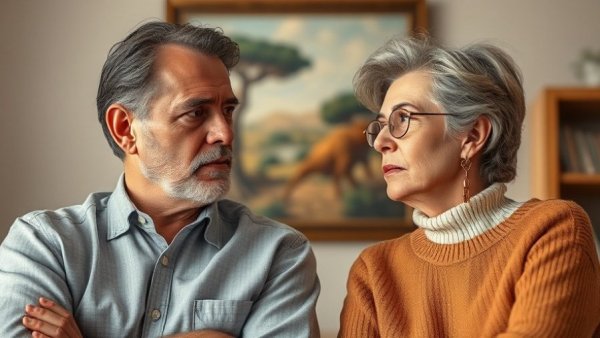
Rediscovering Relationships Beyond 60
As folks cross into their sixties, they often experience a shift in how they view those around them. Retirement can be a double-edged sword; on one hand, it heralds freedom and newfound time, but on the other, it can lead to a shrinking social circle. According to research from Stanford University, which followed 184 participants from 18 to 94, the number of core relationships remains stable, yet the overall social circles tend to diminish. This change brings to light an essential truth: nurturing close friendships is crucial as we navigate this new phase of life.
In 'After 60, You Start Seeing People Differently… Here’s Why,' the discussion delves into the dynamics of relationships in later life, prompting an exploration of how these insights can enrich our social connections.
Embracing the “Discovery Years”
The term "discovery years" encapsulates the essence of life after 60—a period ripe for reflection, growth, and expansion of personal horizons. Retired individuals may notice their once-expansive network of work colleagues transform into a handful of close confidants. This transition, while potentially disheartening, presents an opportunity to invest more deeply in those relationships that truly matter. Maintaining connections with friends who inspire personal growth can enrich this pivotal time and lead to a more fulfilling retirement.
For many in Louisiana, this stage can lead to exciting opportunities to explore new hobbies, engage in community events, and even volunteer for causes that spark passion. Local organizations often host events catered to the interests of seniors, from book clubs to gardening groups, where deeper connections can be nurtured amongst not just peers, but individuals embracing life in similar stages.
Learning from Difficult Relationships
Life experience often brings us into contact with individuals who can be labeled as "difficult." However, as the discussion about relationship dynamics points out, many of these personalities may simply be masking their own fears or insecurities. Understanding that a friend’s complaining or bossiness can often be a projection of their struggles allows us to approach these challenges with greater empathy. It becomes essential to ask, “What’s going on in their life?” rather than simply dismissing their behavior as irritability.
This can lead to growth not only in yourself but also in the relationship itself. Recognizing that many older adults, especially those facing health challenges or loneliness, may exhibit behaviors that stem from unaddressed fears can create pathways for more meaningful communication. If you notice a friend is frequently irritable, taking a moment to ask how they are doing can open a dialogue that may uncover deeper issues they are facing.
The Transition of Perception
Another profound realization that emerges as we age is the understanding of how deeply interconnected empathy and personal history are. As individuals retire, especially after years of identifying themselves by their professional titles, there is a challenge to rediscovering their identities and relationships. Seeing colleagues or friends merely as titles or roles can create barriers. Learning to view them as whole individuals again can foster deeper bonds and allow for shared understanding.
For many retirees, this period involves a re-evaluation of how they connect with others. Starting from scratch by engaging with peers in community gatherings or interest groups can lead to profound discoveries about oneself and others. Emphasizing mutual support and understanding is vital as friendships evolve during this time.
Courageous Conversations in Personal Connections
Communicating effectively can be transformative in fostering deep companionship, especially among older adults. The recommended approach of asking individuals whether they need to be heard, helped, or hugged can make a significant difference in personal dynamics. This method encourages open dialogue, leading to richness in friendships and community spirit.
Those in retirement can take advantage of their time to not only nurture their friendships but also to listen more intently, forging stronger relationships. Engaging in local discussions or sharing stories can enhance understanding and solidarity, leading to friendships that support each other. This sort of heartfelt dialogue can create spaces where seniors feel valued and understood, enriching their daily lives.
What Approach Will You Take in Your Relationships?
As we age, the art of relationship-building morphs and requires conscious effort. Investing time with friends who uplift us, whom we affectionately term “growth friends,” becomes crucial. While folks might often wish for fewer but deeper connections, it’s important to keep our networks healthy and vibrant. This means proactively reaching out, engaging in new activities, and embracing interpersonal growth.
For those in Louisiana, vibrant community centers and activities can serve as wonderful venues to connect with likeminded peers. Many community organizations offer art classes, exercise sessions, and social gatherings designed specifically for seniors looking to build friendships. Making the effort to attend these events can lead to new friendships that revitalize one’s social life.
Cherishing the Intangibles
Perhaps the most valuable part of cultivating relationships beyond 60 is the capacity to cherish not just time spent together, but the emotions and memories crafted through these interactions. A strong social support system can enhance mental well-being, offering joy, laughter, and a source of comfort during life’s transitions. As we move forward into this new phase, it's pivotal to reflect on how past interactions shaped us and what legacy we hope to cultivate with those around us moving forward.
Moreover, cherishing these moments emphasizes the importance of presence over material gifts. Listening attentively to stories shared among friends can create lasting emotional connections, highlighting the value of compassion and understanding.
Frequently Asked Questions about Relationships After 60
How do I maintain friendships after retirement?
Staying engaged—whether through arranging regular meet-ups, participating in community activities, or utilizing technology to keep in touch—can keep friendships flourishing.
What are “growth friends”?
These are friends who encourage personal growth and support one another through challenges and milestones. They are those with whom you can share your journey and find learning opportunities.
How can I connect with younger people?
Engage in local clubs, fitness classes, or volunteer opportunities where age diversity exists. Embrace environments that foster learning and sharing regardless of age. Remember, the richness of relationships often lies in their diversity; making connections with various age groups can enhance your perspective and pave the way for new experiences.





Write A Comment