Add Row
Add Element
Add Element
UPDATE
Add Element
  • update
  • update
  • update
  • update
  • update
  • update
  • update
  • Home
  • Categories
    • Health
    • Money
    • Lifestyle
    • Travel
    • Entertainment
    • Louisiana News
    • Jobs and Careers
    • Featured
September 19.2025
3 Minutes Read

Why You Should Rethink Gallbladder Removal: Secrets Unveiled

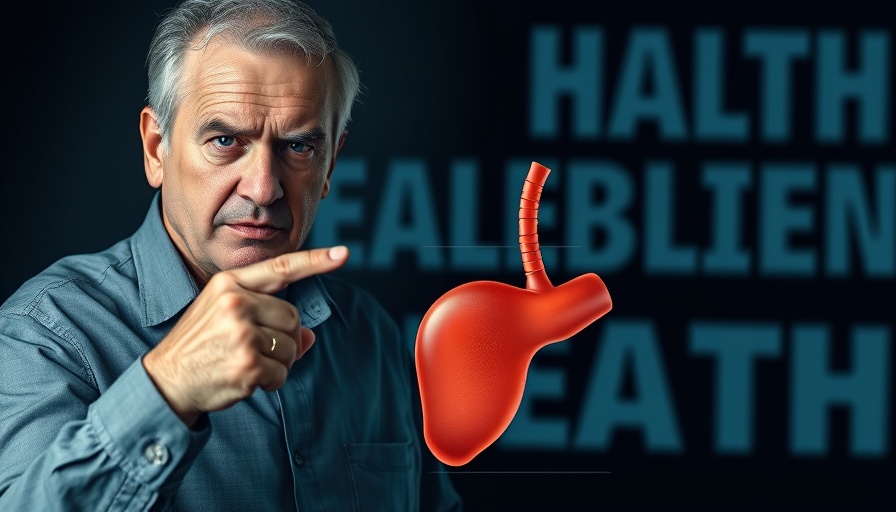
Never get your gallbladder removed concept with man pointing at gallbladder.

Understanding the Gallbladder's Vital Role

The gallbladder, often dismissed as a mere accessory by many, is a key player in our body’s digestive system. Its primary function is to store and concentrate bile, a fluid produced by the liver that is essential for breaking down fats and aiding in the absorption of fat-soluble vitamins such as A, D, E, and K. Without this little pouch, which is about the size of a pear and sits under the liver, our ability to digest fats diminishes significantly. Imagine trying to make a salad dressing without a proper mixing bowl—the emulsification just won’t happen!

In the video Never Get Your Gallbladder Removed, important insights into gallbladder health are discussed, prompting a deeper analysis of the implications surrounding surgery and holistic alternatives.

Why So Many Gallbladders Are Removed

Gallbladder removal, or cholecystectomy, has become alarmingly common in the United States, with over 3,000 procedures taking place daily. But why the sudden rise? For many individuals, gallstones become a troublesome issue, often attributed to a diet high in unhealthy fats or rapid weight loss. Instead of exploring less invasive options, many find themselves rushing to surgery, often due to misinformation about what gallstones signify.

The Lies Surrounding Gallbladder Removal

In the video Never Get Your Gallbladder Removed, several misconceptions are addressed that shed light on why patients should think twice before choosing surgery. One prevalent belief is that gallbladder problems require removal as an immediate solution. This isn’t always true; alternatives like bile salt therapy and dietary adjustments can effectively lessen symptoms and even dissolve stones over time, offering a more holistic way to tackle the issue.

Dietary Impacts on Gallbladder Health

Another lie perpetuated by some medical professionals is that diet does not impact gallbladder health. On the contrary, nutrition plays a pivotal role in gallstone formation and overall gallbladder function. For instance, diets low in cholesterol or overly restrictive in fats can actually lead to fewer bile salts being produced, which can exacerbate the formation of gallstones. Conversely, including healthy fats such as those from fatty fish, avocados, and olive oil can stimulate bile production and enhance gallbladder function.

Post-Surgical Complications: The Hidden Dangers

Furthermore, a common narrative is that gallbladder removal comes without complications. Yet, studies reveal that a significant number of individuals experience lasting side effects, including digestive issues, increased risk of certain cancers, and persistent gastrointestinal complaints. This begs the question: Are patients fully informed about the risks when they consent to surgery, or are they rushed through the decision, leaving them unprepared for the aftermath?

Holistic Alternatives to Gallbladder Surgery

Holistic approaches to gallbladder health cannot be overlooked. Incorporating a low-carb diet and intermittent fasting not only aids in gallbladder function but also promotes overall digestive health. Foods rich in bile-producing nutrients—like eggs and liver, as well as bitter greens—can act as stimulants for bile release, enhancing digestion.

Addressing the Causes: Looking Deeper

More importantly, many gallbladder issues stem from larger metabolic problems such as insulin resistance, a condition rooted in dietary choices. By addressing these root causes, individuals can often alleviate gallbladder issues without resorting to surgery. Summoning the courage to change dietary habits and incorporating regular physical activity can be transformative, emphasizing our power over our health.

The Emotional Toll of Gallbladder Issues

For those over 60 in Louisiana, the pathway to understanding and managing gallbladder health is crucial, not just for physical health but for mental and emotional well-being too. The stress of looming surgery and the fear of complications can weigh heavily on the mind, spiraling into anxiety and depression. Offering support and sharing resources is essential for those facing these challenges.

Take Charge of Your Health Today

In conclusion, gallbladder health is an important subject that often takes a backseat in conversations about overall wellness. Understanding the misconceptions surrounding gallbladder removal and exploring holistic alternatives can empower individuals to make informed choices about their health. So if you or someone you know is dealing with gallbladder issues, consider reevaluating your approach before making drastic decisions.

Be proactive in your health journey. Learn more about dietary modifications and natural remedies that promote gallbladder health and ensure you are equipped with the knowledge to make informed choices.

Health

12 Views

0 Comments

Write A Comment

*
*
Related Posts All Posts
12.31.2025

Reversing Alzheimer’s Disease: Breakthrough Insight on Brain Balance Restoration

Update A Groundbreaking Study Unveils Hope Against Alzheimer’s Recent research from University Hospitals Cleveland Medical Center has sparked a wave of optimism regarding the treatment of Alzheimer’s disease. In a study involving animal models, scientists have discovered a method to potentially reverse the effects of Alzheimer’s by restoring balance to a vital energy molecule, NAD+. This finding could mark a significant turning point in our understanding of dementia and its progression. The Role of NAD+ in Brain Health NAD+, or Nicotinamide adenine dinucleotide, is a coenzyme that plays a critical role in energy production and cellular repair within the brain. As we age, levels of NAD+ decline significantly. Dr. Andrew A. Pieper, the leading researcher on this study, highlights that when NAD+ levels drop, cells struggle to maintain their health and function, particularly in energy-demanding organs like the brain, which accounts for around 20% of the body's total energy needs. Pioneering Research Methods To examine the impacts of NAD+ on Alzheimer's, researchers analyzed both mouse models of the disease and human brain tissues. They found that restoring NAD+ levels in these models not only halted cognitive decline but also reversed several biomarkers associated with the disease. Using a medication known as P7C3-A20, scientists successfully restored normal NAD+ levels, unveiling a promising avenue for future Alzheimer’s therapies. The Implications for Future Treatments The ramifications of these findings may extend beyond Alzheimer’s disease. Experts believe that NAD+ deficiency could be associated with other forms of dementia and neurodegenerative diseases, such as Parkinson’s and ataxia telangiectasia. Dr. Charles Brenner, a prominent scientist in this field, emphasizes that restoring NAD+ levels showcases a proof of principle that some dementias might not be permanent, thereby fueling hope for patients and caregivers battling these conditions. Why This Matters to Our Community in Louisiana For those living in Louisiana, especially individuals over the age of 55, these developments hold immense significance. Alzheimer’s disease disproportionately affects older populations, and the emotional toll on families cannot be overstated. This new research not only offers hope for potential treatment but also underscores the importance of addressing nutritional health. NAD+ boosters, often derived from vitamin B3, are now catching the attention of health professionals, suggesting that dietary choices could play a crucial role in maintaining neurological health. Understanding Alzheimer’s Through a Holistic Lens This study aligns with a broader movement towards holistic health approaches that emphasize prevention and intervention. As individuals in Louisiana consider lifestyle adjustments, knowledge about the role of nutrition and supplementation in brain health becomes valuable information. Community support systems and local healthcare initiatives can help individuals access resources and education about maintaining cognitive health. Next Steps for Those Concerned About Alzheimer’s Individuals concerned about Alzheimer’s disease should consider incorporating NAD+-boosting foods into their diets, such as avocados, meat, and green vegetables. Moreover, both mental and physical exercises, along with social activities, have shown positive impacts on brain health. Regular check-ups with healthcare providers can facilitate early interventions and assessments, empowering patients and families to stay informed and proactive. Conclusion: A Call to Action This research opens up a world of possibilities not just for treating Alzheimer’s but for fostering a community well-versed in brain health. As Louisiana residents reflect on these findings, now is the time to embrace informed lifestyle choices and advocate for continued research and support in combating Alzheimer’s disease. We encourage our readers to stay informed, reach out to local health resources, and participate in discussions about brain health as we navigate this evolving landscape together.

12.31.2025

Record Flu Surge in New York: What Seniors in Louisiana Should Know

Update Record Flu Surge: An Urgent Call to Action As the flu season intensifies, New York State has reported the highest number of influenza cases ever recorded in a single week, with 71,123 positive tests during the week ending December 20, 2025. This figure represents an alarming 38% increase from the previous week, highlighting the rapidly escalating situation of a widespread outbreak. State Health Commissioner Dr. James McDonald emphasized the unprecedented nature of this surge, describing the situation as critical. "We are actively monitoring hospital bed capacity as we respond to this heightened flu activity. It's essential for New Yorkers to protect themselves and their communities by getting vaccinated and practicing preventive measures," he said in a press release. The Importance of Vaccination and Preventive Measures Despite the staggering number of cases, health officials reiterate that it is still not too late for individuals to get vaccinated. The annual flu vaccine remains a crucial line of defense, especially for vulnerable populations including older adults and those with chronic health conditions. Vaccination can significantly reduce the severity of illness and hospitalizations, and it’s widely available in pharmacies and healthcare facilities. In addition to vaccination, health officials suggest that individuals follow basic hygiene practices to minimize the spread of influenza: Wash hands frequently with soap for at least 20 seconds. Avoid touching the face with unwashed hands. Stay home if experiencing flu-like symptoms. Cover sneezes and coughs with tissues and dispose of them properly. Disinfect frequently touched surfaces regularly. Understanding the Broader Impact of Flu Seasons The current flu outbreak in New York is occurring amid warnings from health officials about a potential "tripledemic" involving simultaneous spikes in flu, Respiratory Syncytial Virus (RSV), and COVID-19 cases. For vulnerable populations, particularly those aged 65 and older, the intersection of these three respiratory threats increases the risk of complications. Such circumstances underscore the importance of vaccination and public health measures. In Louisiana, similar trends may emerge as flu season progresses, especially as colder months encourage indoor gatherings, further facilitating the spread of the virus. It becomes imperative for those over 55 to remain vigilant, prioritizing their health through vaccination and preventative actions. A Personal Touch: Stories of Resilience Amid these austere statistics, personal stories of individuals impacted by influenza serve to humanize the data. One family in New York shared their experience of grappling with the flu last season. The matriarch, aged 68, was hospitalized for a week after contracting the virus despite receiving the vaccine. Her story is a poignant reminder of the flu's potential severity, but it also emphasizes the role of prompt medical intervention. Healthcare professionals advocate for immediate treatment with antiviral medications for high-risk patients if taken within 48 hours of the onset of symptoms. This approach arms families with the tools needed to deal effectively with the flu when cases arise. Conclusion: Taking Action Together The record flu numbers in New York serve as a clarion call for action. For Louisiana's seniors and those at risk, the necessity of vaccination cannot be overstated. As the flu season continues to evolve, staying informed, getting vaccinated, and practicing sanitary measures will bolster community health and resilience. For additional information about flu prevention and vaccination options, contact your local healthcare provider or visit relevant health department websites.

12.30.2025

Unlock the Secret to Health: The Anti-Inflammatory Food No One Talks About

Update Discovering the Hidden Anti-Inflammatory Food In a world increasingly dominated by chronic inflammation, many are finding solace in holistic health approaches. But sometimes, the most effective solutions are the least discussed. A recent video titled The Anti-Inflammatory Food No One Talks About sparked curiosity about a powerful yet often overlooked food source that could offer substantial health benefits. This article aims to delve into the potential of this food and its significance to individuals over 60, especially in Louisiana, a state rich in culinary culture yet often facing health challenges.In The Anti-Inflammatory Food No One Talks About, the discussion dives into fermented foods, exploring key insights that sparked deeper analysis on our end. What is the Secret Food? While the video kept viewers guessing, research indicates that this food might be none other than fermented foods! Rich in probiotics, these foods not only enhance gut health but also possess anti-inflammatory properties that could be particularly beneficial for seniors. Common fermented foods such as yogurt, sauerkraut, and kimchi are not only delicious but also pack a punch in fighting inflammation. Understanding how these foods work can inspire a dietary shift, leading to better health outcomes. The Science Behind Fermented Foods Fermented foods are created through a process of lacto-fermentation, where natural bacteria feed on the sugar and starch in the food, creating lactic acid. This not only preserves the food but also enhances its nutrient profile. Numerous studies link these foods to decreased inflammation, improved immune function, and better digestive health—an essential aspect for those over 60. According to a study published in the Journal of Clinical Gastroenterology, including fermented foods in one’s diet can promote a diverse gut microbiome, which is critical for reducing inflammation. This diversity is key for seniors, who often face gut health challenges as they age. The Cultural Relevance of Fermented Foods for Louisiana Residents For Louisianans, traditional cuisine can greatly benefit from incorporating more fermented products. A state famed for its culinary creativity, Louisiana offers an array of flavorful dishes that can easily integrate fermented ingredients. Consider a simple addition of fermented sauces, such as tonnato or fermented hot sauce, to classic meals like gumbo or jambalaya for added flavor and nutrition. Personal Stories of Transformation Many individuals over 60 report healing journeys that began with subtle diet changes, including the incorporation of fermented foods. A resident of Baton Rouge, for example, shared how adding kimchi into her meals reduced her chronic joint pain and improved her digestion significantly. These stories are invaluable, as they reinforce the idea that integrating healthful foods can lead to transformations in well-being. Steps to Incorporate Fermented Foods into Your Diet Here are a few actionable tips for integrating fermented foods into your daily routine: Start Small: Introduce one serving of fermented food into your meals, like a small serving of yogurt with breakfast. Explore Local Markets: Louisiana has several farmers' markets that offer artisanal fermented foods; visiting these markets can provide fresh, local sources. Experiment with Recipes: Incorporate fermented foods into traditional dishes, enhancing both flavor and nutrition. Overcoming Challenges in Dietary Changes Transitioning to a diet that includes more fermented foods may come with its hurdles, particularly concerning taste preferences or accessibility. For some seniors, familiar flavors may reign supreme. However, struggling to find new textures and tastes can lead to discovering a more balanced diet. Slowly incorporating these changes allows for an adjustment period, making it easier to accept new flavors. Conclusion and Call to Action As the understanding of health evolves, so does the emphasis on diet as a crucial component of overall wellness. The understated anti-inflammatory benefits of fermented foods present an essential opportunity for individuals over 60 in Louisiana to enhance their lives and foster longevity. To begin this journey, I encourage readers to explore local markets, and try new recipes, and share their experiences in their communities. Engaging in conversations about health promotes a robust culture of wellness within our neighborhoods.

Terms of Service

Privacy Policy

Core Modal Title

Sorry, no results found

You Might Find These Articles Interesting

T
Please Check Your Email
We Will Be Following Up Shortly
*
*
*