• Home
  • Categories
    • Health
    • Money
    • Lifestyle
    • Travel
    • Entertainment
    • Louisiana News
    • Jobs and Careers
    • Featured
February 08.2026
3 Minutes Read

Why U.S. Officials Urge Citizens to Leave Iran Now: Essential Insights

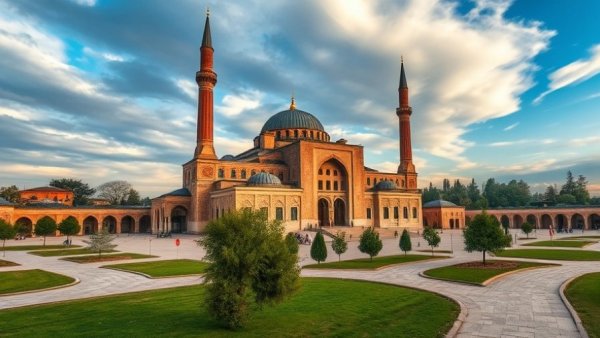
View of historic mosque and square in Iran, travel context.

Urgent Travel Advisory: U.S. Citizens Advised to Leave Iran Immediately

In a stern security alert issued by the U.S. Virtual Embassy in Iran, officials are urgently advising American citizens to "leave Iran now" in light of escalating safety concerns. The advisory highlights significant disruptions across the country, including road closures, public transportation issues, and continuing internet restrictions – all of which can complicate travel plans for those in Iran.

What’s Driving the Advisory?

The heightened alert comes as Iran grapples with widespread protests and civil unrest, leading to an unstable environment for visitors and locals alike. According to reports, dual citizens are particularly at risk due to the Iranian government's hostile stance towards any foreign nationals, especially those with American ties.

With airlines cutting back on flights in and out of Iran, Americans are strongly encouraged to consider land routes for exit. Open borders with Armenia and Turkey provide alternative pathways, although careful planning is crucial. U.S. officials stress that relying on their assistance may not be viable due to the lack of formal diplomatic relations with Iran.

Local Conditions and Risks

The travel alert details the reality of day-to-day life in Iran currently disrupted by heightened security measures and risks of arbitrary detention. As noted by the State Department, U.S. nationals cannot expect any consular support, given the absence of a physical embassy in Tehran since the Iranian Revolution of 1979. The advisory encourages citizens to keep their mobile devices charged and be prepared for continued communication outages, which can leave travelers isolated during critical moments.

The Bigger Picture: U.S.-Iran Relations in Flux

American diplomats are currently engaged in high-stakes negotiations with Iranian officials, aiming to bring about a resolution regarding Iran's nuclear ambitions. Recent military threats by the U.S. administration have added to local tensions, contributing to an unpredictable environment. The intertwining of diplomatic efforts with ground realities places American citizens in a precarious position.

Officials have emphasized that Americans should avoid large gatherings and protests, which are commonplace amidst the turmoil, as authorities are known to react swiftly and aggressively to demonstrations.

Expert Opinions and Perspectives

Travel experts recommend that all potential travelers to Iran, especially older adults in vulnerable positions, keep abreast of all media updates and be prepared for sudden changes. They advise a thorough review of travel plans, ensuring that routes to exit are clear and that any documentation or plans are ready should an emergency arise.

Additionally, for those considering travel to the area, it’s crucial to familiarize oneself with local customs and regulations to mitigate risks. Understanding the complex socio-political landscape of Iran can also aid in making informed decisions regarding safety.

What You Can Do

If you or a loved one are currently in Iran, or planning to visit, take this alert seriously. Staying informed via reliable news sources and the U.S. State Department's travel advisory updates is key. Prepare a contingency plan that does not depend on U.S. governmental assistance, and ensure that all communication devices are functional. It’s vital to stay connected and to be aware of surroundings.

For older adults considering travel or who have family in Iran, it may be a good time to discuss their safety and the options available, including evacuation routes. Stay vigilant and proactive in securing one's safety.

Given the complex dynamics at play, staying informed and prepared can make all the difference when navigating such uncertain landscapes. As we close this article, we urge readers to consider subscribing to updates or seeking advice from trusted travel advisors to stay ahead of any developments.
Travel

19 Views

Write A Comment

*
*
Please complete the captcha to submit your comment.
Related Posts All Posts
11.06.2026

Discover the Top 10 Best Things to Do in Mongolia for 2026 Adventures

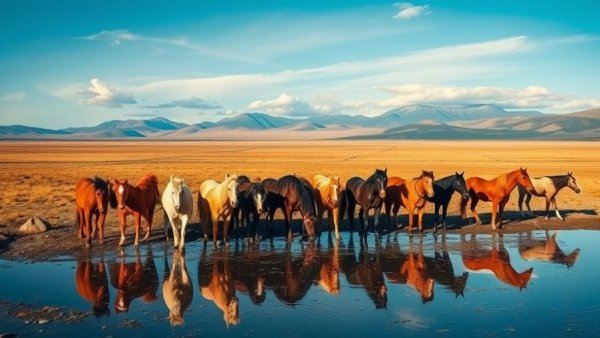
Update Unveiling the Untamed Beauty of Mongolia Mongolia, a land of endless steppes and vast deserts, offers a unique travel experience that is still relatively untouched by mass tourism. For those over 60 in Louisiana looking to explore this majestic country, we’ve compiled a list of the top 10 best things to do in Mongolia. From serene landscapes filled with nomads to the bustling heart of Ulaanbaatar, there’s something for everyone to discover.In 'Top 10 Best Things to do in Mongolia [Mongolia Travel Guide 2026]', the discussion dives into the country's breathtaking landscapes and cultural treasures, prompting a deeper exploration of all that Mongolia has to offer. Experience the Tranquility of Lake Khovsgol First on our list is Lake Khovsgol in Mongolia's north. This stunning lake, often referred to as the "Blue Pearl," is a serene haven where the fresh mountain air and shimmering waters create an oasis of tranquility. Here, travelers can enjoy horseback riding along forested slopes or simply bask in the beauty of nature while stargazing at night. The peaceful atmosphere promises a solid break from the hustle and bustle. Gorkhi-Terelj National Park: Nature’s Playground Next, the Gorkhi-Terelj National Park presents a breathtaking escape with its unique rock formations and rolling hills. It’s perfect for leisurely hikes and picnics while enjoying fresh mountain air. Nomadic families living in traditional gers offer a glimpse into pastoral life, perfect for cultural enthusiasts. Every visit here is a different experience, shaped by the changing seasons. Discover the Heart of Mongolia at Sukhbaatar Square At the heart of Ulaanbaatar, Sukhbaatar Square serves as a civic space where history and culture converge. Surrounded by important government buildings, the square is a prime spot for experiencing local culture through ceremonies and fairs. Day or night, the energy in the square reflects Mongolia’s modern spirit, making it an essential stop for any traveler. Adventure in Altai Tavan Bogd National Park Adventurers will love Altai Tavan Bogd National Park, known for its rugged terrain and dramatic landscapes. Situated in the west, this remote area is home to majestic peaks and glaciers. Travelers can connect with the local eagle hunters, preserving centuries-old traditions while taking in breathtaking views that reinvigorate the spirit of exploration. Spiritual Awakening at Gandantegchinlen Monastery Visiting the Gandantegchinlen Monastery is central to understanding Mongolia’s spiritual heritage. The atmosphere of this holy place invites reflection, enhanced by chanting monks, golden stupas, and the iconic Buddha statue, which instills calm and serenity. It’s a beautiful escape from the modern world, yet so close to the capital. Immerse Yourself in History at the National Museum The National Museum of Mongolia presents a captivating journey through the country’s rich history. From the nomadic empires to modern-day transformations, this extensive museum provides an enriching experience. Each artifact—from traditional attire to archaeological finds—tells a story of cultural evolution and a connection to the land. Explore the Vastness of the Gobi Desert For a truly unique adventure, the Gobi Desert offers vast landscapes perfect for introspection. Famous for its contrasting environments of endless dunes and rocky plains, it's a landscape that feels almost otherworldly. As you look up at the clear night skies filled with stars, the feeling of solitude invites a profound connection to nature. History and Heritage at Erdene Zuu Monastery Erdene Zuu Monastery stands as a symbol of resilience and cultural heritage, surrounded by stunning Mongolian landscapes. This sacred site, established in the 16th century, immerses visitors into the heart of Buddhist traditions, allowing a glimpse into Mongolia's spiritual history. The serene grounds echo the peace of the centuries past, enhancing the visitor experience. Zeissn Monument: A Panoramic Perspective of Ulaanbaatar Perched above the city, the Zeissn Monument offers stunning panoramic views of Ulaanbaatar. The climb is rewarded with awe-inspiring vistas and murals depicting Mongolia’s rich history. As the sun sets, the city’s skyline is set ablaze with warm tones, creating an ethereal atmosphere that captivates the heart. The Majestic Flaming Cliffs Lastly, the Flaming Cliffs, famous for their vivid colors and fossil finds, depict the stunning natural beauty of Mongolia. This remarkable site showcases the region's geological wonder while providing a fascinating backdrop for some incredible photographs at sunset. The area is steeped in history, having once been home to dinosaurs, and walking through it is like taking a step back in time. If you’re looking to explore a destination filled with rich cultural experiences and stunning natural beauty, Mongolia should undoubtedly be at the top of your travel list. Whether you're an adventurous soul or someone who enjoys the quieter side of travel, there's something in Mongolia for every traveler. If you’ve been inspired by our list, remember to start planning your adventure soon! Which attraction are you most excited to visit in Mongolia? We invite you to share your thoughts below and begin dreaming about your next great exploration!

11.06.2026

Meet ED138: The Potentially Massive Dwarf Planet Found Beyond Pluto

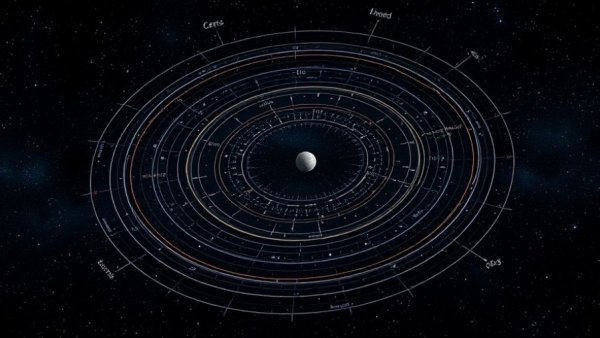
Update A Cosmic Discovery: Meet ED138, the Potentially Massive Dwarf Planet In a groundbreaking discovery that may reshape our understanding of the far reaches of our solar system, astronomers have found a dwarf planet candidate hiding beyond Pluto, known as 2026 ED138. This potential new member of the solar system's family, spotted using the advanced capabilities of the Vera C. Rubin Observatory, could be one of the largest dwarf planets ever discovered. The discovery was announced on October 27 and has ignited excitement among astronomers and space enthusiasts alike. What Makes ED138 Unique? According to scientists, ED138 measures between 370 and 930 miles in diameter, a size that, if confirmed, would place it among the giants of dwarf planets. If you think about how remarkable that is, it’s like finding a hidden treasure in your attic that once belonged to a distant ancestor. Matthew Holman, an astronomer involved in the discovery, expressed his excitement with a sense of disbelief, noting that objects of this size are indeed rare. Just imagine coming across lost artifacts or gems — that's how impactful this discovery is for researchers. The Technology Behind the Discovery The Rubin Observatory is critical to this exciting find. It operates the world’s largest digital camera and specializes in scanning the sky for previously unseen objects. The observatory's ongoing survey, which began in June 2026, monitors the Southern Hemisphere sky every night, using sophisticated algorithms to sift through a sea of data points. This technological prowess is what allowed astronomers to identify ED138, revealing how advancements in science continue to push the boundaries of what we know about our universe. With a focus on making sense of the vast expanse of space, this facility epitomizes how modern science unfurls new chapters of discovery. Why Wasn't ED138 Found Sooner? The key to ED138’s concealment lies in its location. Nestled in a crowded patch of the sky near the Milky Way, millions of stars obscured its visibility from previous telescopes. Think of it as a needle in a haystack, where the stack is not just a regular haystack but a bustling field filled with twinkling stars. This discovery illustrates how modern technology and persistence can unveil the mysteries that lie within the cosmos. Had it not been for the remarkable capabilities of the Rubin Observatory, ED138 may have continued to avoid detection indefinitely, hiding there among its stellar neighbors. What Does This Mean for Astronomy? As scientists conduct further observations of ED138, they aim to determine whether it meets the criteria to be officially classified as a dwarf planet. Dwarf planets, defined as celestial bodies large enough to assume a nearly round shape but not unique enough to clear their orbits, present unique challenges and insights for astronomers. If confirmed, ED138 will join a prestigious but small group of known dwarf planets. This could reshape our understanding of the classification and characteristics of celestial objects in our solar system, prompting future research and exploration. A Broader Perspective: The Importance of Dwarf Planets Understanding these distant worlds helps astronomers learn more about the solar system's formation and evolution. Dwarf planets like ED138 can provide valuable data on the history of our solar system and how it has transformed over billions of years. It's like peeling back the layers of an onion — each discovery reveals a little more of the history beneath. For example, their composition and orbits can shed light on the processes that shaped the solar system, making analysis of such objects crucial for our understanding of cosmic history. Louisiana's Connection to Space Exploration For residents of Louisiana, this discovery can serve as a reminder of the universe's wonders. While we may not have the mountains or clear high-altitude skies of Chile where the observatory is located, we have the community spirit that fosters curiosity. Just as neighbors gather for a potluck supper to share stories and recipes, we too can share our fascination with the stars and support local educational initiatives in astronomy. Local schools and organizations often host science fairs, talks, and stargazing nights, allowing the young and old alike to learn about astronomy in an accessible and fun way. What Comes Next? Looking ahead, the Rubin Observatory will continue its 10-year mission to capture images of the southern sky, hoping to uncover other hidden celestial bodies that have eluded earlier surveys. As one astronomer noted, “ED138 is just the tip of the iceberg.” So, who knows what else is out there waiting to be discovered? Consider the potential for even more dwarf planets or other intriguing celestial phenomena. Maybe the next groundbreaking finding will inspire a new generation of Louisiana residents to explore space science. In the meantime, let this discovery ignite your imagination! If you're feeling inspired to learn more or even pursue astronomy as a fun hobby, there are many resources available locally. From planetariums to stargazing events, the universe is calling. Local events often have experts who can answer your questions, and community observatories may host viewing nights where you can personally witness the wonders of the cosmos. Take advantage of these opportunities to connect with like-minded individuals and share your passion for space. Remember, every star in the sky has a story to tell; perhaps you'll be part of discovering the next big chapter!

11.06.2026

Why Americans Should Steer Clear of Matamoros: Safety Alert for Travelers

Update Border Travel Warning: Key TakeawaysIn the latest development concerning travel safety, U.S. officials have announced lifting a shelter-in-place order for government employees in Matamoros, a city located just across the Texas border. However, this action doesn't come without significant caveats. Residents of Louisiana should note that the U.S. State Department has classified Tamaulipas, the Mexican state encompassing Matamoros, as a Level 4 region, which means "Do Not Travel" due to serious risks like terrorism, crime, and kidnapping. This warning serves to underscore the potential dangers that still lurk in a region recently marked by violence and instability.Understanding the Current Situation in MatamorosThe shelter-in-place order was instated as a response to alarming security conditions following the arrests of key figures linked to organized crime, specifically the Gulf Cartel. After two significant arrests, authorities heightened security measures, including deploying troops and air support to improve safety in the area. Nevertheless, U.S. officials caution that despite the lifted order, the risks for civilians—especially American citizens—remain disturbingly high. The situation in Matamoros remains fluid and unpredictable, making it imperative for travelers to stay well-informed about any changes in safety protocols.A Deeper Dive Into Tamaulipas: The Crime LandscapeFor context, Tamaulipas has a notorious reputation due to ongoing violence linked to rival drug factions. The recent activities of the Gulf Cartel not only affect local residents but also pose a risk for Americans who travel to the region for business or leisure. The cartels’ infrastructural influence, which includes engagement in extortion and trafficking, creates an environment of fear and unpredictability. Unfortunately, such circumstances may turn a routine travel experience into a chaotic situation, with devastating consequences. For Louisianians planning to cross the border, it is crucial to remain vigilant.Understanding the broader context of these criminal activities can also serve as a deterrent for travel. The Gulf Cartel has been linked to an intricate web of violence—including not just ordinary crime but systematic terror targeting various groups, including those within their own ranks. Surveillance operations have revealed how deeply entrenched these cartels are in the communities they operate in, imposing a chilling effect on law enforcement and everyday life.Safety Tips for Those Considering TravelWhile the U.S. officials encourage citizens in Matamoros to monitor local media for updates and keep their loved ones informed, it is essential to recognize that news reports are often vastly undersold in terms of the gravity of the situation. If traveling isn’t absolutely necessary, it’s best to err on the side of caution. For those who must travel:Always carry identification and emergency contact numbers. Ensure that these are easily accessible in case of any emergencies.Stay abreast of local news and advisories. Local news outlets can often provide more context on ongoing situations compared to general media.Avoid displaying signs of wealth, and steer clear of known conflict areas. Being discreet can significantly reduce your profile as a target.Travel during daylight hours if possible and use transportation options that are widely recommended by travel advisories.Keep your travel itinerary flexible. If you find yourself in a situation that could become dangerous, don’t hesitate to change your plans.Keeping Communication OpenMaintaining communication with family members and friends back home can be a vital step in ensuring safety. Not only does this practice keep loved ones aware of your whereabouts, but it also provides a natural check-in point in case of adverse situations. If circumstances suddenly change, having a communication plan might save lives—yours or even someone else's. Set regular times to check in with your family, and make sure they know your itinerary so they can raise an alert if they don't hear from you as planned.The Emotional Landscape of Travel: Personal Stories MatterFor many, traveling represents an opportunity for growth, exploration, and adventure. It opens doors to cultural enrichment and personal stories that create lasting connections. Yet, these risks remind us of the importance of making informed decisions. Sharing experiences and stories within one's community, as I often do with travel-related narratives, can amplify awareness and prepare others for their own future journeys. Knowing someone else's story about an area can often add a layer of understanding that mere statistics cannot convey.Consider this: when we hear about someone's personal brush with danger in a foreign environment, it brings the risks closer to home. Conversations stem from these stories, paving the way for a stronger sense of community while encouraging a spirit of caution and care.Final Thoughts: Why Awareness Is KeyAs travel becomes a more integral part of our lives again, understanding the risks associated with certain locations is **absolutely crucial**. For Louisiana residents—especially those planning a trip across the border—consider your safety above all else. Awareness can be a powerful shield against making hasty decisions that could lead to dangerous situations. Always listen to travel advisories, stay informed, and be prepared. Your safety should always be the top priority, not only for yourself but also for those who care about you.In conclusion, while the lifting of the shelter-in-place order might suggest a return to normalcy for some, it is vital to maintain a realistic view of the potential hazards in areas like Matamoros. Take heed of warnings, weigh the risks, and make carefully considered choices about your travel plans.

Golden Years of Louisiana

GoldenYearsLA.com is Louisiana’s trusted online magazine for seniors, offering lifestyle inspiration, health tips, financial guidance, and travel ideas tailored to you.

  • Privacy Policy
  • Terms of Use
  • Advertise
  • Contact Us
  • Menu 5
  • Menu 6
Hours

AVAILABLE M-F 9AM - 5PM CST

Hall Street Media

Hall Street Media is a Louisiana-based media company creating engaging digital publications for lifestyle, health, business, and regional audiences across the Gulf South.

© 2026 Golden Years of Louisiana All Rights Reserved. Hall Street Media, Lafayette, Louisiana 70501 . Contact Us . Terms of Service . Privacy Policy

eyJjb21wYW55IjoiR29sZGVuIFllYXJzIG9mIExvdWlzaWFuYSIsImFkZHJlc3MiOiJIYWxsIFN0cmVldCBNZWRpYSIsImNpdHkiOiJMYWZheWV0dGUiLCJzdGF0ZSI6IkxvdWlzaWFuYSIsInppcCI6IjcwNTAxIiwiZW1haWwiOiJnb2xkZW55ZWFyc2xhQGdtYWlsLmNvbSIsInRvcyI6IlBIQStQSE4wY205dVp6NDhaVzArVjJobGJpQjViM1VnYzJsbmJpMXBiaUIzYVhSb0lIVnpMQ0I1YjNVZ1lYSmxJR2RwZG1sdVp5WnVZbk53T3lCNWIzVnlJSEJsY20xcGMzTnBiMjRnWVc1a0lHTnZibk5sYm5RZ2RHOGdjMlZ1WkNCNWIzVWdaVzFoYVd3Z1lXNWtMMjl5SUZOTlV5QjBaWGgwSUcxbGMzTmhaMlZ6TGlCQ2VTQmphR1ZqYTJsdVp5QjBhR1VnVkdWeWJYTWdZVzVrSUVOdmJtUnBkR2x2Ym5NZ1ltOTRJR0Z1WkNCaWVTQnphV2R1YVc1bklHbHVJSGx2ZFNCaGRYUnZiV0YwYVdOaGJHeDVJR052Ym1acGNtMGdkR2hoZENCNWIzVWdZV05qWlhCMElHRnNiQ0IwWlhKdGN5QnBiaUIwYUdseklHRm5jbVZsYldWdWRDNDhMMlZ0UGp3dmMzUnliMjVuUGp3dmNENEtDanh3UG1oMGRIQnpPaTh2WjI5c1pHVnVlV1ZoY25Oc1lTNWpiMjA4TDNBK0NnbzhjRDRtYm1KemNEczhMM0ErQ2dvOGNENDhjM1J5YjI1blBsTkZVbFpKUTBVOEwzTjBjbTl1Wno0OEwzQStDZ284Y0Q1WFpTQndjbTkyYVdSbElHRWdjMlZ5ZG1salpTQjBhR0YwSUdOMWNuSmxiblJzZVNCaGJHeHZkM01nZVc5MUlIUnZJSEpsWTJWcGRtVWdjbVZ4ZFdWemRITWdabTl5SUdabFpXUmlZV05yTENCamIyMXdZVzU1SUdsdVptOXliV0YwYVc5dUxDQndjbTl0YjNScGIyNWhiQ0JwYm1admNtMWhkR2x2Yml3Z1kyOXRjR0Z1ZVNCaGJHVnlkSE1zSUdOdmRYQnZibk1zSUdScGMyTnZkVzUwY3lCaGJtUWdiM1JvWlhJZ2JtOTBhV1pwWTJGMGFXOXVjeUIwYnlCNWIzVnlJR1Z0WVdsc0lHRmtaSEpsYzNNZ1lXNWtMMjl5SUdObGJHeDFiR0Z5SUhCb2IyNWxJRzl5SUdSbGRtbGpaUzRnV1c5MUlIVnVaR1Z5YzNSaGJtUWdZVzVrSUdGbmNtVmxJSFJvWVhRZ2RHaGxJRk5sY25acFkyVWdhWE1nY0hKdmRtbGtaV1FnSm5GMWIzUTdRVk10U1ZNbWNYVnZkRHNnWVc1a0lIUm9ZWFFnZDJVZ1lYTnpkVzFsSUc1dklISmxjM0J2Ym5OcFltbHNhWFI1SUdadmNpQjBhR1VnZEdsdFpXeHBibVZ6Y3l3Z1pHVnNaWFJwYjI0c0lHMXBjeTFrWld4cGRtVnllU0J2Y2lCbVlXbHNkWEpsSUhSdklITjBiM0psSUdGdWVTQjFjMlZ5SUdOdmJXMTFibWxqWVhScGIyNXpJRzl5SUhCbGNuTnZibUZzYVhwaGRHbHZiaUJ6WlhSMGFXNW5jeTQ4TDNBK0NnbzhjRDVaYjNVZ1lYSmxJSEpsYzNCdmJuTnBZbXhsSUdadmNpQnZZblJoYVc1cGJtY2dZV05qWlhOeklIUnZJSFJvWlNCVFpYSjJhV05sSUdGdVpDQjBhR0YwSUdGalkyVnpjeUJ0WVhrZ2FXNTJiMngyWlNCMGFHbHlaQ0J3WVhKMGVTQm1aV1Z6SUNoemRXTm9JR0Z6SUZOTlV5QjBaWGgwSUcxbGMzTmhaMlZ6TENCSmJuUmxjbTVsZENCelpYSjJhV05sSUhCeWIzWnBaR1Z5SUc5eUlHTmxiR3gxYkdGeUlHRnBjblJwYldVZ1kyaGhjbWRsY3lrdUlGbHZkU0JoY21VZ2NtVnpjRzl1YzJsaWJHVWdabTl5SUhSb2IzTmxJR1psWlhNc0lHbHVZMngxWkdsdVp5QjBhRzl6WlNCbVpXVnpJR0Z6YzI5amFXRjBaV1FnZDJsMGFDQjBhR1VnWkdsemNHeGhlU0J2Y2lCa1pXeHBkbVZ5ZVNCdlppQmxZV05vSUZOTlV5QjBaWGgwSUcxbGMzTmhaMlVnYzJWdWRDQjBieUI1YjNVZ1lua2dkWE11SUVsdUlHRmtaR2wwYVc5dUxDQjViM1VnYlhWemRDQndjbTkyYVdSbElHRnVaQ0JoY21VZ2NtVnpjRzl1YzJsaWJHVWdabTl5SUdGc2JDQmxjWFZwY0cxbGJuUWdibVZqWlhOellYSjVJSFJ2SUdGalkyVnpjeUIwYUdVZ1UyVnlkbWxqWlNCaGJtUWdjbVZqWldsMlpTQjBhR1VnVTAxVElIUmxlSFFnYldWemMyRm5aWE11SUZkbElHUnZJRzV2ZENCamFHRnlaMlVnWVc1NUlHWmxaWE1nWm05eUlHUmxiR2wyWlhKNUlHOW1JR1Z0WVdsc0lHOXlJRk5OVXk0Z1ZHaHBjeUJwY3lCaElHWnlaV1VnYzJWeWRtbGpaU0J3Y205MmFXUmxaQ0JpZVNCMWN5NGdTRzkzWlhabGNpd2djR3hsWVhObElHTm9aV05ySUhkcGRHZ2dlVzkxY2lCcGJuUmxjbTVsZENCelpYSjJhV05sSUhCeWIzWnBaR1Z5SUdGdVpDQmpaV3hzZFd4aGNpQmpZWEp5YVdWeUlHWnZjaUJoYm5rZ1kyaGhjbWRsY3lCMGFHRjBJRzFoZVNCcGJtTjFjaUJoY3lCaElISmxjM1ZzZENCbWNtOXRJSEpsWTJWcGRtbHVaeUJsYldGcGJDQmhibVFnVTAxVElIUmxlSFFnYldWemMyRm5aWE1nZEdoaGRDQjNaU0JrWld4cGRtVnlJSFZ3YjI0Z2VXOTFjaUJ2Y0hRdGFXNGdZVzVrSUhKbFoybHpkSEpoZEdsdmJpQjNhWFJvSUc5MWNpQmxiV0ZwYkNCaGJtUWdVMDFUSUhObGNuWnBZMlZ6TGlCWmIzVWdZMkZ1SUdOaGJtTmxiQ0JoZENCaGJua2dkR2x0WlM0Z1NuVnpkQ0IwWlhoMElDWnhkVzkwTzFOVVQxQW1jWFZ2ZERzZ2RHOG1ibUp6Y0RzOGFHbG5hR3hwWjJoMElHTnNZWE56UFNKamIyMXdZVzU1VTAxVFVHaHZibVZWY0dSaGRHVWlQbTUxYkd3OEwyaHBaMmhzYVdkb2RENHVJRUZtZEdWeUlIbHZkU0J6Wlc1a0lIUm9aU0JUVFZNZ2JXVnpjMkZuWlNBbWNYVnZkRHRUVkU5UUpuRjFiM1E3SUhSdklIVnpMQ0IzWlNCM2FXeHNJSE5sYm1RZ2VXOTFJR0Z1SUZOTlV5QnRaWE56WVdkbElIUnZJR052Ym1acGNtMGdkR2hoZENCNWIzVWdhR0YyWlNCaVpXVnVJSFZ1YzNWaWMyTnlhV0psWkM0Z1FXWjBaWElnZEdocGN5d2dlVzkxSUhkcGJHd2dibThnYkc5dVoyVnlJSEpsWTJWcGRtVWdVMDFUSUcxbGMzTmhaMlZ6SUdaeWIyMGdkWE11UEM5d1Bnb0tQSEErUEhOMGNtOXVaejVaVDFWU0lGSkZSMGxUVkZKQlZFbFBUaUJQUWt4SlIwRlVTVTlPVXp3dmMzUnliMjVuUGp3dmNENEtDanh3UGtsdUlHTnZibk5wWkdWeVlYUnBiMjRnYjJZZ2VXOTFjaUIxYzJVZ2IyWWdkR2hsSUZObGNuWnBZMlVzSUhsdmRTQmhaM0psWlNCMGJ6bzhMM0ErQ2dvOGIydytDZ2s4YkdrK2NISnZkbWxrWlNCMGNuVmxMQ0JoWTJOMWNtRjBaU3dnWTNWeWNtVnVkQ0JoYm1RZ1kyOXRjR3hsZEdVZ2FXNW1iM0p0WVhScGIyNGdZV0p2ZFhRZ2VXOTFjbk5sYkdZZ1lYTWdjSEp2YlhCMFpXUWdZbmtnZEdobElGTmxjblpwWTJVbUl6TTVPM01nY21WbmFYTjBjbUYwYVc5dUlHWnZjbTBnS0hOMVkyZ2dhVzVtYjNKdFlYUnBiMjRnWW1WcGJtY2dkR2hsSUNaeGRXOTBPMUpsWjJsemRISmhkR2x2YmlCRVlYUmhKbkYxYjNRN0tTQmhibVE4TDJ4cFBnb0pQR3hwUG0xaGFXNTBZV2x1SUdGdVpDQndjbTl0Y0hSc2VTQjFjR1JoZEdVZ2RHaGxJRkpsWjJsemRISmhkR2x2YmlCRVlYUmhJSFJ2SUd0bFpYQWdhWFFnZEhKMVpTd2dZV05qZFhKaGRHVXNJR04xY25KbGJuUWdZVzVrSUdOdmJYQnNaWFJsTGlCSlppQjViM1VnY0hKdmRtbGtaU0JoYm5rZ2FXNW1iM0p0WVhScGIyNGdkR2hoZENCcGN5QjFiblJ5ZFdVc0lHbHVZV05qZFhKaGRHVXNJRzV2ZENCamRYSnlaVzUwSUc5eUlHbHVZMjl0Y0d4bGRHVXNJRzl5SUhkbElHaGhkbVVnY21WaGMyOXVZV0pzWlNCbmNtOTFibVJ6SUhSdklITjFjM0JsWTNRZ2RHaGhkQ0J6ZFdOb0lHbHVabTl5YldGMGFXOXVJR2x6SUhWdWRISjFaU3dnYVc1aFkyTjFjbUYwWlN3Z2JtOTBJR04xY25KbGJuUWdiM0lnYVc1amIyMXdiR1YwWlN3Z2QyVWdhR0YyWlNCMGFHVWdjbWxuYUhRZ2RHOGdjM1Z6Y0dWdVpDQnZjaUE4YzNSeWIyNW5Qanh6Y0dGdUlITjBlV3hsUFNKamIyeHZjam9qUmtZd01EQXdPeUkrZEdWeWJXbHVZWFJsSUhsdmRYSWdZV05qYjNWdWRDOXdjbTltYVd4bElHRnVaQ0J5WldaMWMyVWdZVzU1SUdGdVpDQmhiR3dnWTNWeWNtVnVkQ0J2Y2lCbWRYUjFjbVVnZFhObElHOW1JSFJvWlNCVFpYSjJhV05sSUNodmNpQmhibmtnY0c5eWRHbHZiaUIwYUdWeVpXOW1LUzQ4TDNOd1lXNCtQQzl6ZEhKdmJtYytQQzlzYVQ0S1BDOXZiRDRLQ2p4d1BpWnVZbk53T3p3dmNENEtQR2hwWjJoc2FXZG9kQ0JqYkdGemN6MGlZMjl0Y0dGdWVVNWhiV1ZWY0dSaGRHVWlQa2R2YkdSbGJpQlpaV0Z5Y3lCdlppQk1iM1ZwYzJsaGJtRThMMmhwWjJoc2FXZG9kRDQ4WW5JZ0x6NEtQR2hwWjJoc2FXZG9kQ0JqYkdGemN6MGlZMjl0Y0dGdWVVVnRZV2xzVlhCa1lYUmxJajVuYjJ4a1pXNTVaV0Z5YzJ4aFFHZHRZV2xzTG1OdmJUd3ZhR2xuYUd4cFoyaDBQZz09IiwicHJpdmFjeSI6IlBIQStQSE4wY205dVp6NVFVa2xXUVVOWlBDOXpkSEp2Ym1jK1BDOXdQZ29LUEhBK1BITjBjbTl1Wno1VWFHVWdhVzVtYjNKdFlYUnBiMjRnY0hKdmRtbGtaV1FnWkhWeWFXNW5JSFJvYVhNZ2NtVm5hWE4wY21GMGFXOXVJR2x6SUd0bGNIUWdjSEpwZG1GMFpTQmhibVFnWTI5dVptbGtaVzUwYVdGc0xDQmhibVFnZDJsc2JDQnVaWFpsY2lCaVpTQmthWE4wY21saWRYUmxaQ3dnWTI5d2FXVmtMQ0J6YjJ4a0xDQjBjbUZrWldRZ2IzSWdjRzl6ZEdWa0lHbHVJR0Z1ZVNCM1lYa3NJSE5vWVhCbElHOXlJR1p2Y20wdUlGUm9hWE1nYVhNZ2IzVnlJR2QxWVhKaGJuUmxaUzQ4TDNOMGNtOXVaejQ4TDNBK0NnbzhjRDQ4YzNSeWIyNW5Qa2xPUkVWTlRrbFVXVHd2YzNSeWIyNW5Qand2Y0Q0S0NqeHdQanhsYlQ1WmIzVWdZV2R5WldVZ2RHOGdhVzVrWlcxdWFXWjVJR0Z1WkNCb2IyeGtJSFZ6TENCaGJtUWdhWFJ6SUhOMVluTnBaR2xoY21sbGN5d2dZV1ptYVd4cFlYUmxjeXdnYjJabWFXTmxjbk1zSUdGblpXNTBjeXdnWTI4dFluSmhibVJsY25NZ2IzSWdiM1JvWlhJZ2NHRnlkRzVsY25Nc0lHRnVaQ0JsYlhCc2IzbGxaWE1zSUdoaGNtMXNaWE56SUdaeWIyMGdZVzU1SUdOc1lXbHRJRzl5SUdSbGJXRnVaQ3dnYVc1amJIVmthVzVuSUhKbFlYTnZibUZpYkdVZ1lYUjBiM0p1WlhsekppTXpPVHNnWm1WbGN5d2diV0ZrWlNCaWVTQmhibmtnZEdocGNtUWdjR0Z5ZEhrZ1pIVmxJSFJ2SUc5eUlHRnlhWE5wYm1jZ2IzVjBJRzltSUVOdmJuUmxiblFnZVc5MUlISmxZMlZwZG1Vc0lITjFZbTFwZEN3Z2NtVndiSGtzSUhCdmMzUXNJSFJ5WVc1emJXbDBJRzl5SUcxaGEyVWdZWFpoYVd4aFlteGxJSFJvY205MVoyZ2dkR2hsSUZObGNuWnBZMlVzSUhsdmRYSWdkWE5sSUc5bUlIUm9aU0JUWlhKMmFXTmxMQ0I1YjNWeUlHTnZibTVsWTNScGIyNGdkRzhnZEdobElGTmxjblpwWTJVc0lIbHZkWElnZG1sdmJHRjBhVzl1SUc5bUlIUm9aU0JVVDFNc0lHOXlJSGx2ZFhJZ2RtbHZiR0YwYVc5dUlHOW1JR0Z1ZVNCeWFXZG9kSE1nYjJZZ1lXNXZkR2hsY2k0OEwyVnRQand2Y0Q0S0NqeHdQanh6ZEhKdmJtYytSRWxUUTB4QlNVMUZVaUJQUmlCWFFWSlNRVTVVU1VWVFBDOXpkSEp2Ym1jK1BDOXdQZ29LUEhBK1BITjBjbTl1Wno1WlQxVWdSVmhRVWtWVFUweFpJRlZPUkVWU1UxUkJUa1FnUVU1RUlFRkhVa1ZGSUZSSVFWUTZQQzl6ZEhKdmJtYytQQzl3UGdvS1BHOXNQZ29KUEd4cFBsbFBWVklnVlZORklFOUdJRlJJUlNCVFJWSldTVU5GSUVsVElFRlVJRmxQVlZJZ1UwOU1SU0JTU1ZOTExpQlVTRVVnVTBWU1ZrbERSU0JKVXlCUVVrOVdTVVJGUkNCUFRpQkJUaUFtY1hWdmREdEJVeUJKVXlaeGRXOTBPeUJCVGtRZ0puRjFiM1E3UVZNZ1FWWkJTVXhCUWt4RkpuRjFiM1E3SUVKQlUwbFRMaUFzTGlCQlRrUWdWVk1zSUVsVUppTXpPVHRUSUVOVlUxUlBUVVZTVXl3Z1JWaFFVa1ZUVTB4WklFUkpVME5NUVVsTlV5QkJURXdnVjBGU1VrRk9WRWxGVXlCUFJpQkJUbGtnUzBsT1JDd2dWMGhGVkVoRlVpQkZXRkJTUlZOVElFOVNJRWxOVUV4SlJVUXNJRWxPUTB4VlJFbE9SeXdnUWxWVUlFNVBWQ0JNU1UxSlZFVkVJRlJQSUZSSVJTQkpUVkJNU1VWRUlGZEJVbEpCVGxSSlJWTWdUMFlnVFVWU1EwaEJUbFJCUWtsTVNWUlpMQ0JHU1ZST1JWTlRJRVpQVWlCQklGQkJVbFJKUTFWTVFWSWdVRlZTVUU5VFJTQkJUa1FnVGs5T0xVbE9SbEpKVGtkRlRVVk9WQzQ4TDJ4cFBnb0pQR3hwUGsxQlMwVlRJRTVQSUZkQlVsSkJUbFJaSUZSSVFWUWdLR2twSUZSSVJTQlRSVkpXU1VORklGZEpURXdnVFVWRlZDQlpUMVZTSUZKRlVWVkpVa1ZOUlU1VVV5d2dLR2xwS1NCVVNFVWdVMFZTVmtsRFJTQlhTVXhNSUVKRklGVk9TVTVVUlZKU1ZWQlVSVVFzSUZSSlRVVk1XU3dnVTBWRFZWSkZMQ0JQVWlCRlVsSlBVaTFHVWtWRkxDQW9hV2xwS1NCVVNFVWdVa1ZUVlV4VVV5QlVTRUZVSUUxQldTQkNSU0JQUWxSQlNVNUZSQ0JHVWs5TklGUklSU0JWVTBVZ1QwWWdWRWhGSUZORlVsWkpRMFVnVjBsTVRDQkNSU0JCUTBOVlVrRlVSU0JQVWlCU1JVeEpRVUpNUlN3Z1FVNUVJQ2hwZGlrZ1FVNVpJRVZTVWs5U1V5QkpUaUJVU0VVZ1UwOUdWRmRCVWtVZ1YwbE1UQ0JDUlNCRFQxSlNSVU5VUlVRdVBDOXNhVDRLQ1R4c2FUNUJUbGtnVFVGVVJWSkpRVXdnUkU5WFRreFBRVVJGUkNCUFVpQlBWRWhGVWxkSlUwVWdUMEpVUVVsT1JVUWdWRWhTVDFWSFNDQlVTRVVnVlZORklFOUdJRlJJUlNCVFJWSldTVU5GSUVsVElFUlBUa1VnUVZRZ1dVOVZVaUJQVjA0Z1JFbFRRMUpGVkVsUFRpQkJUa1FnVWtsVFN5QkJUa1FnVkVoQlZDQlpUMVVnVjBsTVRDQkNSU0JUVDB4RlRGa2dVa1ZUVUU5T1UwbENURVVnUms5U0lFRk9XU0JFUVUxQlIwVWdWRThnV1U5VlVpQkRUMDFRVlZSRlVpQlRXVk5VUlUwZ1QxSWdURTlUVXlCUFJpQkVRVlJCSUZSSVFWUWdVa1ZUVlV4VVV5QkdVazlOSUZSSVJTQkVUMWRPVEU5QlJDQlBSaUJCVGxrZ1UxVkRTQ0JOUVZSRlVrbEJUQzQ4TDJ4cFBnb0pQR3hwUGs1UElFRkVWa2xEUlNCUFVpQkpUa1pQVWsxQlZFbFBUaXdnVjBoRlZFaEZVaUJQVWtGTUlFOVNJRmRTU1ZSVVJVNHNJRTlDVkVGSlRrVkVJRUpaSUZsUFZTQkdVazlOSUU5U0lGUklVazlWUjBnZ1QxSWdSbEpQVFNCVVNFVWdVMFZTVmtsRFJTQlRTRUZNVENCRFVrVkJWRVVnUVU1WklGZEJVbEpCVGxSWklFNVBWQ0JGV0ZCU1JWTlRURmtnVTFSQlZFVkVJRWxPSUZSSVJTQlVUMU11UEM5c2FUNEtQQzl2YkQ0S0NqeHdQanh6ZEhKdmJtYytURWxOU1ZSQlZFbFBUaUJQUmlCTVNVRkNTVXhKVkZrOEwzTjBjbTl1Wno0OEwzQStDZ284Y0Q1WlQxVWdSVmhRVWtWVFUweFpJRlZPUkVWU1UxUkJUa1FnUVU1RUlFRkhVa1ZGSUZSSVFWUWdRVTVFSUZOSVFVeE1JRTVQVkNCQ1JTQk1TVUZDVEVVZ1JrOVNJRUZPV1NCRVNWSkZRMVFzSUVsT1JFbFNSVU5VTENCSlRrTkpSRVZPVkVGTUxDQlRVRVZEU1VGTUxDQkRUMDVUUlZGVlJVNVVTVUZNSUU5U0lFVllSVTFRVEVGU1dTQkVRVTFCUjBWVExDQkpUa05NVlVSSlRrY2dRbFZVSUU1UFZDQk1TVTFKVkVWRUlGUlBMQ0JFUVUxQlIwVlRJRVpQVWlCTVQxTlRJRTlHSUZCU1QwWkpWRk1zSUVkUFQwUlhTVXhNTENCVlUwVXNJRVJCVkVFZ1QxSWdUMVJJUlZJZ1NVNVVRVTVIU1VKTVJTQk1UMU5UUlZNZ0tFVldSVTRnU1VZZ1NFRlRJRUpGUlU0Z1FVUldTVk5GUkNCUFJpQlVTRVVnVUU5VFUwbENTVXhKVkZrZ1QwWWdVMVZEU0NCRVFVMUJSMFZUS1N3Z1VrVlRWVXhVU1U1SElFWlNUMDA2UEM5d1Bnb0tQRzlzUGdvSlBHeHBQbFJJUlNCVlUwVWdUMUlnVkVoRklFbE9RVUpKVEVsVVdTQlVUeUJWVTBVZ1ZFaEZJRk5GVWxaSlEwVTdQQzlzYVQ0S0NUeHNhVDVVU0VVZ1EwOVRWQ0JQUmlCUVVrOURWVkpGVFVWT1ZDQlBSaUJUVlVKVFZFbFVWVlJGSUVkUFQwUlRJRUZPUkNCVFJWSldTVU5GVXlCU1JWTlZURlJKVGtjZ1JsSlBUU0JCVGxrZ1IwOVBSRk1zSUVSQlZFRXNJRWxPUms5U1RVRlVTVTlPSUU5U0lGTkZVbFpKUTBWVElGQlZVa05JUVZORlJDQlBVaUJQUWxSQlNVNUZSQ0JQVWlCTlJWTlRRVWRGVXlCU1JVTkZTVlpGUkNCUFVpQlVVa0ZPVTBGRFZFbFBUbE1nUlU1VVJWSkZSQ0JKVGxSUElGUklVazlWUjBnZ1QxSWdSbEpQVFNCVVNFVWdVMFZTVmtsRFJUczhMMnhwUGdvSlBHeHBQbFZPUVZWVVNFOVNTVnBGUkNCQlEwTkZVMU1nVkU4Z1QxSWdRVXhVUlZKQlZFbFBUaUJQUmlCWlQxVlNJRlJTUVU1VFRVbFRVMGxQVGxNZ1QxSWdSRUZVUVRzOEwyeHBQZ29KUEd4cFBsTlVRVlJGVFVWT1ZGTWdUMUlnUTA5T1JGVkRWQ0JQUmlCQlRsa2dWRWhKVWtRZ1VFRlNWRmtnVDA0Z1ZFaEZJRk5GVWxaSlEwVTdJRTlTUEM5c2FUNEtDVHhzYVQ1QlRsa2dUMVJJUlZJZ1RVRlVWRVZTSUZKRlRFRlVTVTVISUZSUElGUklSU0JUUlZKV1NVTkZMand2YkdrK0Nqd3ZiMncrQ2dvOGNENDhkVDVDZVNCeVpXZHBjM1JsY21sdVp5QmhibVFnYzNWaWMyTnlhV0pwYm1jZ2RHOGdiM1Z5SUdWdFlXbHNJR0Z1WkNCVFRWTWdjMlZ5ZG1salpTd2dZbmtnYjNCMExXbHVMQ0J2Ym14cGJtVWdjbVZuYVhOMGNtRjBhVzl1SUc5eUlHSjVJR1pwYkd4cGJtY2diM1YwSUdFZ1kyRnlaQ3dnSm5GMWIzUTdlVzkxSUdGbmNtVmxJSFJ2SUhSb1pYTmxJRlJGVWsxVElFOUdJRk5GVWxaSlEwVW1jWFZ2ZERzZ1lXNWtJSGx2ZFNCaFkydHViM2RzWldSblpTQmhibVFnZFc1a1pYSnpkR0Z1WkNCMGFHVWdZV0p2ZG1VZ2RHVnliWE1nYjJZZ2MyVnlkbWxqWlNCdmRYUnNhVzVsWkNCaGJtUWdaR1YwWVdsc1pXUWdabTl5SUhsdmRTQjBiMlJoZVM0OEwzVStQQzl3UGdvS1BIQStKbTVpYzNBN1BDOXdQZ284YUdsbmFHeHBaMmgwSUdOc1lYTnpQU0pqYjIxd1lXNTVUbUZ0WlZWd1pHRjBaU0krUjI5c1pHVnVJRmxsWVhKeklHOW1JRXh2ZFdsemFXRnVZVHd2YUdsbmFHeHBaMmgwUGp4aWNpQXZQZ284YUdsbmFHeHBaMmgwSUdOc1lYTnpQU0pqYjIxd1lXNTVRV1JrY21WemMxVndaR0YwWlNJK1NHRnNiQ0JUZEhKbFpYUWdUV1ZrYVdFc0lFeGhabUY1WlhSMFpTd2dURzkxYVhOcFlXNWhJRGN3TlRBeFBDOW9hV2RvYkdsbmFIUStQR0p5SUM4K0NqeG9hV2RvYkdsbmFIUWdZMnhoYzNNOUltTnZiWEJoYm5sUWFHOXVaVlZ3WkdGMFpTSStLekV6TXpjeU9EZzBOalkxUEM5b2FXZG9iR2xuYUhRK1BHSnlJQzgrQ2p4b2FXZG9iR2xuYUhRZ1kyeGhjM005SW1OdmJYQmhibmxGYldGcGJGVndaR0YwWlNJK1oyOXNaR1Z1ZVdWaGNuTnNZVUJuYldGcGJDNWpiMjA4TDJocFoyaHNhV2RvZEQ0PSJ9

Terms of Service

Privacy Policy

Core Modal Title

Sorry, no results found

You Might Find These Articles Interesting

T
Please Check Your Email
We Will Be Following Up Shortly
*
*
*