

Tragic Loss: A Pennsylvania Life Cut Short
The recent death of an unvaccinated Pennsylvania resident from measles serves as a heartbreaking reminder of the ongoing public health challenges we face in America. This incident marks the ninth measles-related fatality in the state this year, just as the United States has lost its elimination status for the virus, a distinction it had maintained since 2000. This tragic event illustrates not just the dangers of vaccine hesitancy but also the real consequences of misinformation about vaccinations. Furthermore, it inspires a collective urgency to address these crucial health issues not only in Pennsylvania but nationally.
The Measles Outbreak: A Growing Crisis
With 1,638 confirmed cases reported across 46 counties, Pennsylvania now leads the nation in measles infections, accounting for over a quarter of all cases in the U.S. This spike has been notably concentrated in regions with historically low vaccination rates, particularly among rural and Amish communities—groups that often opt out of vaccinations for cultural and lifestyle reasons. As this outbreak unfolds, it underscores a significant public health concern: the importance of vaccination in safeguarding not just individual health but community well-being.
Vaccination: The Best Defense
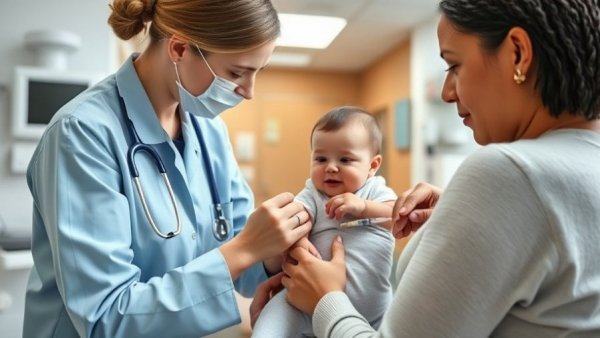
Health officials, including experts from the Pennsylvania Department of Health, are urgently advocating for the measles, mumps, and rubella (MMR) vaccine, emphasizing that vaccination is the most effective shield against measles. The Pennsylvania health department has initiated efforts at nearly 300 pop-up clinics, administering over 7,400 doses of the MMR vaccine. Despite these measures, the rising cases create an alarming trend that requires everyone’s attention.
It's crucial to understand that vaccination isn’t solely about protecting oneself; it’s also about shielding those who cannot be vaccinated—like infants or individuals with certain health conditions. This communal aspect of vaccination is essential to achieving herd immunity, which helps protect vulnerable populations while reducing the spread of contagious diseases.
Rising Hospitalizations and Public Response
Hospitalizations have also surged, increasing from 315 to 330. Of the confirmed measles cases this year, only five involved vaccinated individuals. This statistic starkly illustrates the vulnerability of those who remain unvaccinated and highlights an urgent need for ongoing community dialogue around vaccine education and accessibility. It urges broader conversations in communities, particularly focusing on the value of vaccinations that many might take for granted.
Controversy and Misinformation
The outbreak has ignited debate among public officials. Pennsylvania Governor Josh Shapiro and Health and Human Services Secretary Robert F. Kennedy Jr. are at odds over the state's response and the narrative surrounding vaccine safety. Shapiro accuses Kennedy of spreading dangerous misinformation about vaccinations, while Kennedy challenges Shapiro's characterization of the crisis as inflated. This discord illustrates the climate of confusion that complicates public health initiatives and the critical need for truthful communication through reliable channels. This situation speaks volumes about the need for clear, factual information to combat confusion and skepticism around vaccines.
The Wider Implications of Losing Elimination Status
The recent decision by the Pan American Health Organization to revoke the U.S. measles elimination status has profound implications. It signifies that measles is now considered endemic, circulating at predictable levels, much like seasonal flu. This change also raises concerns about future outbreaks and emphasizes the need for continuous vigilance. Measles is significantly more contagious than other viruses; individuals infected can unknowingly spread the virus even before showing symptoms. This characteristic makes it crucial for the community to be well-informed about the risks associated with measles and other preventable diseases.
A Call for Community Action
For residents across Louisiana and beyond, this situation bears relevance beyond mere statistics. It serves as a poignant call to action: to educate oneself and others about the benefits of vaccination and support public health initiatives. In light of such tragic events, it is crucial for communities, especially in areas with low vaccination rates, to unite in strengthening health practices. Community leaders and health advocates are instrumental in fostering environments where vaccination is viewed not only as a personal health choice but as a societal responsibility.
A Personal Reflection: Why This Matters
This situation is a reminder of our collective responsibility towards health. While measles seems like a disease of the past, the current circumstances prove it can affect anyone—especially vulnerable populations such as children under five years. As we navigate this crisis, we must reflect on the actions we can take to protect ourselves and our communities. If you or someone you know is considering vaccination, it may be helpful to reach out to your healthcare provider to discuss any questions or concerns.
Understanding the contours of this outbreak allows us to engage in meaningful conversations about health. By prioritizing vaccination and sharing factual information about its benefits, communities can foster a culture of informed decision-making. To truly foster change, we must advocate for greater immunization awareness and accessibility, stepping beyond our comfort zones to ensure that our loved ones are safe from preventable diseases.
As this calamity continues to unfold, we encourage our readership to stay informed, discuss these issues openly with family and friends, and consider how they can participate in local health initiatives aimed at protecting public health. Especially for those in Louisiana, keeping abreast of vaccination campaigns through local health departments can play an essential role in ensuring community health and safety. Together, we can work to prevent further tragedies related to preventable diseases like measles.



Write A Comment