• Home
  • Categories
    • Health
    • Money
    • Lifestyle
    • Travel
    • Entertainment
    • Louisiana News
    • Jobs and Careers
    • Featured
May 12.2026
3 Minutes Read

Unsolved Mystery: This 1981 New Orleans Homicide Still Needs Your Help

1981 New Orleans Super Bowl homicide cold case featuring a man's vintage portrait.

Justice Delayed: The Ongoing Search for Truth in a 1981 Murder

In the vibrant streets of New Orleans, where the echoes of jazz intertwine with the spirit of festivity, a haunting shadow looms over the Super Bowl weekend of 1981. It was on that fateful day, January 25th, that Donald Cedric Faul was fatally stabbed near the Riverside Moon Walk, and the city has remained grappling with the mystery of his death ever since. With more than forty years elapsed, Crimestoppers Greater New Orleans has reignited the quest for justice through a renewed call for public assistance in solving this cold case.

A Mysterious Encounter

Donald Faul, a familiar face among the tight-knit community, was brutally attacked around 6 a.m. while enjoying a walk with a friend. The gruesome details remain vivid: 15 stab wounds left Faul lifeless, a somber reality amidst a celebratory weekend in New Orleans, typically filled with fans and festivities. Eyewitness accounts claim that the assailant, described as a slender man in his late thirties wearing a cowboy hat, approached from behind, suggesting a calculated attack rather than a chance encounter.

Public Appeal: The Power of Anonymous Tips

Cops and community leaders are urging anyone with information to come forward—no matter how insignificant they believe their knowledge to be. The Crimestoppers program, allowing for anonymous reporting, has promised up to $5,000 in rewards for tips leading to an arrest and indictment. This structure reinforces the notion that community interaction is essential for uncovering the past, empowering individuals to help solve old mysteries while safeguarding their identity.

Why Solving Cold Cases Matters

Beyond the facts of the murder, cases like Donald Faul's hold a deeper significance. They represent unfinished stories that affect not only the victims and their families but also the community at large. Each cold case not only speaks to the past but also raises larger societal questions about safety, justice, and compassion for those left behind. By reopening these conversations, we rekindle not just old memories but solidarity within the community.

Current Resources and How to Help

For those wishing to assist in this ongoing search for justice, anonymous tips can be submitted by calling (504) 822-1111 or 1-877-903-STOP. Tips can also be submitted online through the Crimestoppers Greater New Orleans website. Each call helps keep the flame of hope alive for families seeking closure.

Email, Share, and Inspire Action

Sharing this story and the details of Donald Faul’s case is vital in rallying community support. Social media has proven a powerful tool to amplify voices in need of justice, creating connections that may lead to crucial breakthroughs in similar situations. Each click, share, and mention increases the chance that someone might finally come forward with the information that could resolve a decades-long mystery.

Embracing the Community's Role

As the years pass, it is imperative that the dialogue surrounding these unsolved cases continues. The community’s involvement plays a pivotal role in driving law enforcement efforts and can mobilize formerly hushed stories back into the spotlight. As the anniversary of Donald Faul's tragic end approaches, let’s honor his memory by standing united in the drive toward justice and safety in our beloved New Orleans.

If you have any information about this case or wish to assist, please consider reaching out to Crimestoppers Greater New Orleans. Let us unite in our commitment to uncovering the truth, ensuring that no voice is silenced indefinitely.
Louisiana News

22 Views

Write A Comment

*
*
Please complete the captcha to submit your comment.
Related Posts All Posts
11.09.2026

Understanding the Impact of Violent Crime: Tragedy in Freret Neighborhood

Update Unraveling the Tragedy: The Incident in Freret Neighborhood On a somber Sunday morning, the Freret neighborhood of New Orleans was shaken by a tragic incident involving a man's death characterized by bloody circumstances. Local authorities from the New Orleans Police Department (NOPD) are currently leading an active homicide investigation after they found a man bleeding from the head on South Claiborne Avenue. The exact circumstances surrounding his death remain unclear, and police have not yet released the identity of the victim. This incident not only affects the immediate area but resonates with the larger community, underscoring the urgent need for dialogue about safety and support. Understanding Homicide in Context The incident raises several questions, not only about safety in the area but also the broader implications of violent crime within New Orleans. According to recent crime reports, Louisiana has seen fluctuating crime rates, with violent crimes still posing a concern for residents, particularly in the wake of economic hardships and social unrest spurred by the pandemic. For older residents, such as our audience of seniors aged 55 and above, the fear stemming from violent crime can disrupt daily life and inhibit community engagement. It is well-documented that older adults may face unique challenges, including physical vulnerabilities and support needs, making the impact of crime even more pronounced. The reality of violence in a neighborhood can affect social routines and lead to feelings of isolation among seniors. The Social Connection: Safety Matters Local seniors may understandably feel an array of emotions following such news: anger, fear, and sadness. Safety is a vital aspect of enjoying a senior-friendly community, and when these incidents occur, they can lead to increased anxiety among residents. Building strong neighborhood ties and fostering a sense of community can help mitigate these feelings. Safety walk programs and neighborhood watch initiatives empower seniors to engage proactively, ensuring that they remain connected and supported during uncertain times. Furthermore, conversations with local law enforcement can enhance trust and facilitate a collaborative approach to safety, as officers often welcome community input to improve policing strategies. Addressing Common Misconceptions About Crime There often exists a misconception that crime in urban areas like New Orleans is isolated to certain neighborhoods or demographics; however, every community, even those that are traditionally safer, can experience such tragic events. Older adults sometimes feel they must limit their outings or interactions with their neighbors due to pervasive fears. Educational outreach and community programs can help dispel these myths, encouraging seniors to engage with their community while also remaining cautious. It's essential that older residents know they are not alone in feeling apprehensive and that accessible resources are available to help build confidence in moving through their daily lives. Engaging in community meetings or workshops can provide older adults with tools and strategies to navigate potential dangers more effectively. Lasting Effects of Violence on Communities Violent events, like the one witnessed in the Freret neighborhood, leave deep emotional scars on the community, transcending the immediate tragedy. They provoke societal conversations about the root causes of violence, including mental health issues, socio-economic disparities, and the availability of support services. For seniors, the lingering fears and emotional trauma can impact mental health, exacerbating feelings of isolation and anxiety. Accessible mental health resources and support groups can benefit older adults who may struggle with these aftermaths, helping them process their emotions and reestablish a sense of normalcy. Additionally, community centers and local organizations often offer workshops to enhance resilience and coping mechanisms among seniors, which can be particularly beneficial after unsettling events. Actionable Insights for Residents As concerns about safety loom, it is crucial for residents of Louisiana to engage in actionable measures to foster a safer neighborhood. This includes the formation of community engagement groups, participation in local safety initiatives, and open dialogues with local law enforcement about strategies for prevention and safety. Additionally, seniors can utilize technology to join neighborhood apps or platforms aimed at enhancing community watch efforts. Staying informed and involved is key to combatting crime collectively. Moreover, establishing regular community meetings can help older residents voice their concerns and share insights on safety tactics that may work effectively in their neighborhoods. A Call for Community Vigilance and Support As the investigation into this tragic event unfolds, it serves as a poignant reminder of the necessity for community solidarity and vigilance. As seniors, staying informed and engaging in local matters can have a lasting impact on both personal and communal safety. Building connections with neighbors, sharing resources, and fostering a supportive environment where everyone feels safe are essential steps. Together, we can navigate these challenging times. Furthermore, forming alliances with neighboring communities may widen the circle of support and facilitate exchanges of safety practices that prove beneficial across diverse locales. In light of this incident, it may be time to reassess personal safety strategies, connect with community resources, and support initiatives aimed at fostering safer neighborhoods for all age groups. The well-being of every resident hinges on our collective ability to act, support each other, and remain vigilant against the threats posed by violence. Through unity and proactive measures, we can cultivate a more secure environment that allows everyone, especially our seniors, to thrive.

11.09.2026

Inspiring Resilience: How a Colorado RV Park Owner Will Rebuild After Floods

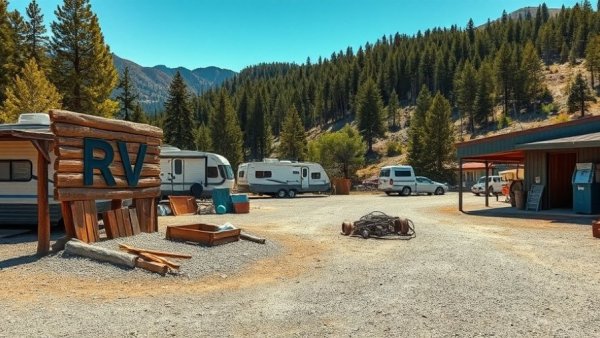
Update Finding Strength in Nature's Resilience Daryl Sprague, the owner of a beloved RV Park in Colorado, has witnessed the devastating power of nature firsthand. Following catastrophic floods that ravaged his park, he is resolutely determined to rebuild—a commitment fueled by the serene beauty of an untouched meadow he affectionately names Stage 3:16. This small patch of resilience in a terrain marred by destruction offers him hope, an example of survival that resonates deeply. The Impact of Flooding in Rural Communities Floods not only destroy physical structures but also disrupt the heart and soul of communities. RV parks, often a sanctuary for travelers and retirees seeking adventure and respite, play a vital role in local economies and social structures. These parks frequently act as gathering spots where friendships are forged, experiences shared, and cherished memories created. In the face of environmental devastation, Sprague's story is a beacon of hope. For older adults in Louisiana and beyond, it serves as a reminder that recovery is possible with resolve and support. Lessons in Resilience from Stage 3:16 The untouched meadow, Stage 3:16, symbolizes resilience and the potential for renewal in life’s most difficult moments. Sprague, inspired by this idyllic view, emphasizes the importance of community and the natural environment in overcoming adversity. His determination serves as an inspiring narrative that encourages not just the rebuilding of infrastructure but also the rebuilding of community spirit. Elderly residents, who might be fearful of change or daunting challenges, can take comfort in the notion that resilience often stems from acknowledging one's surroundings and finding strength in small, yet powerful, reminders of nature's beauty. Building Community Support Support from within the community has been crucial in these recovery efforts. Sprague highlights the vital role of neighbors and local organizations in aiding his recovery process. For seniors and retirees in Louisiana and similar areas prone to natural disasters, nurturing local connections can provide emotional support and practical resources during challenging times. This facet of community life underlines the importance of engaging with one’s neighbors, whether through block parties, shared dinner events, or local volunteering efforts. In doing so, individuals create a fabric of support that uplifts everyone, especially during turbulent times. Interactive Strategies for Resilience In encouraging local involvement, Sprague’s journey signals a broader call to action for anyone affected by disaster. Joining forces with community groups, participating in recovery meetings, or simply staying informed about local resources can make a significant difference. Older adults, who often have more time to invest in such activities, should consider their unique role as mentors and leaders in rebuilding efforts. Their life experiences lend invaluable perspectives and guide younger generations as they navigate recovery. Future Predictions: A Shift towards Resilience As more communities face the consequences of climate change, the resilience displayed by individuals like Sprague could inspire broader efforts towards sustainable rebuilding. Rural areas, often more vulnerable to disasters, need innovative planning approaches that embrace both human and environmental needs. The story of Stage 3:16 signifies the potential for transformation in disaster recovery strategies, advocating for a future where nature and community thrive together. Local governments and organizations can learn from Sprague's commitment, integrating ecological considerations into development plans and strengthening community networks to withstand future challenges. Confronting Misconceptions about Recovery One common myth surrounding recovery after natural disasters is that rebuilding is a solitary endeavor. In truth, collaborative efforts often yield the most success. By sharing resources, information, and emotional support, communities can foster a shared resilience that amplifies individual efforts. Understanding this can empower seniors, particularly in vulnerable positions, to actively engage in recovery processes. Busting this myth can lead to gathering like-minded individuals who can participate in recovery dialogues and strategies. Actionable Insights for the Future If you find yourself reflecting on the importance of community during hard times, consider ways to connect with your local resources. Joining community organizations or volunteering your time can create bonds that are essential in the recovery journey. Just as Daryl Sprague draws strength from Stage 3:16, you too can find purpose and support by engaging with those around you. Consider visiting local parks or nature reserves that speak to you; they could very well serve as a personal escape that fosters resilience. In the wake of adversity, hope can be revived. Let Daryl Sprague's commitment to rebuild inspire you to foster resilience in your own life. The connections we nurture can illuminate even the darkest moments. For older adults, it’s crucial to remember that age brings wisdom, and sharing that wisdom benefits not just individuals but the entire community. Take a moment today to reach out to your community or reflect on your own local nature spots that inspire positivity and resilience. By engaging with the environment and supporting one another, we can all contribute to our community's recovery. Whether that means organizing a cleanup, forming a discussion group, or simply inviting a neighbor over for coffee, every small step toward connection fosters larger waves of change and recovery.

11.09.2026

Remembering Jaheim Harris: How His Life Inspires Community Action

Update Honoring a Life Lost: Remembering Jaheim Harris On a sunlit Sunday, family and friends gathered to commemorate what would have been Jaheim Harris’ 12th birthday, recalling fond memories and shedding tears for the 11-year-old whose life was tragically cut short. In a heartfelt tribute, Jaheim's relatives released balloons into the bright blue sky, symbolizing their hopes, grief, and love, ensuring that his name and memories would continue to resonate within their hearts and the community. This simple yet profound act of releasing balloons serves as a powerful reminder of the bonds that tie us to loved ones, demonstrating how grief and love intertwine to create lasting memories. Understanding the Impact of Grief on Families Jaheim's untimely death due to a tragic accident is not just a family loss; it reverberates through the local community, affecting countless individuals who knew him or hear his story. For many seniors in Louisiana, this brings forth reflections on loss and the immense emotional weight that accompanies such tragedies. Grief can profoundly impact mental health, particularly among older adults who may already face isolation. Loss can exacerbate feelings of loneliness and disconnection, making it even more essential for seniors to engage with their communities during such challenging times. Many older adults have lived through numerous losses, and their experiences can provide vital insights for younger generations. By sharing their stories and offering support, they contribute to a cycle of healing that can benefit everyone involved. In such communities, sharing stories and memories becomes an essential healing process, further emphasizing the need for support systems. The Role of the Community in Healing As balloons floated away, the resilience of Jaheim's family highlighted the significance of community support during times of crisis. Neighbors and local organizations often step up to provide comfort, whether it’s through emotional support, financial assistance, or practical help such as meal deliveries and organizing fundraisers. This collective response not only comforts grieving families but also fosters a sense of solidarity among residents. Louisiana is home to many seasoned individuals who might remember similar loss. The traditions of the South often emphasize the importance of community and togetherness, reminding seniors to connect, share, and uplift one another. For older adults, reaching out to neighbors and participating in community events can significantly aid in the healing process, creating a network of supportive relationships that can withstand the test of time. Legacy and Action: Keeping Memories Alive The essence of keeping Jaheim's name alive goes beyond memory; it calls for action in preventing similar tragedies. Families often advocate for safety measures in their communities as a tribute to loved ones lost. Initiatives could include work with local authorities to improve road safety or promote awareness surrounding traffic regulations. Community engagement, especially among seniors who possess valuable life experiences and perspectives, can be a powerful catalyst for change. By lending their voices, older adults can play a significant role in ensuring safer environments for the younger generation. Moreover, community involvement encourages dialogues about safety and responsibility, emphasizing that the well-being of children should be a shared priority. Schools, local organizations, and families can collaborate to conduct safety campaigns that educate drivers, children, and parents alike. Building Emotional Resilience: The Importance of Support Networks Reflecting on the emotional side, it’s crucial that older adults who have experienced loss connect with grief support groups. These networks allow for sharing experiences and deriving comfort from others who understand the journey through mourning. Many organizations in Louisiana provide such resources, reminding seniors that they are not alone in their experiences, which is vital to emotional resilience. Additionally, such groups can offer practical tips on navigating the grieving process, from managing memorial tasks to coping with waves of sadness. By connecting with others facing similar hardships, seniors can foster connections that transform grief into shared strength. Engaging with support circles or attending workshops on healing from loss can open pathways to recovery and growth, instilling hope in a challenging time. Addressing Common Misconceptions About Grief Many people mistakenly believe that grief is something to "get over" or that one can simply move on after a certain period. However, grief is a complex journey, stemming from love and attachment, and can emerge unexpectedly long after the loss. For seniors, understanding personal grief journeys and accepting their emotions openly is essential for healing. Engaging in discussions, workshops, and even social activities that educate about grief can provide valuable insights and coping mechanisms. Seniors equipped with knowledge about grief can better navigate their emotional landscapes and help others who might be struggling. Conclusion: Reflect, Remember, Act In the end, honoring a young life like Jaheim's is a collective effort that emphasizes remembrance, community involvement, and preventive measures. As we reflect on his short-lived but impactful life, let us also consider long-term actions we can take to ensure the safety and well-being of our children and neighborhoods. By fostering a community of support and turning our grief into action, we can truly make a difference. Consider reaching out to local organizations or attending community meetings—you never know how your voice might contribute to creating a safer environment for all, helping ensure that the memories of those we have lost lead to meaningful change in our communities.

Golden Years of Louisiana

GoldenYearsLA.com is Louisiana’s trusted online magazine for seniors, offering lifestyle inspiration, health tips, financial guidance, and travel ideas tailored to you.

  • Privacy Policy
  • Terms of Use
  • Advertise
  • Contact Us
  • Menu 5
  • Menu 6
Hours

AVAILABLE M-F 9AM - 5PM CST

Hall Street Media

Hall Street Media is a Louisiana-based media company creating engaging digital publications for lifestyle, health, business, and regional audiences across the Gulf South.

© 2026 Golden Years of Louisiana All Rights Reserved. Hall Street Media, Lafayette, Louisiana 70501 . Contact Us . Terms of Service . Privacy Policy

eyJjb21wYW55IjoiR29sZGVuIFllYXJzIG9mIExvdWlzaWFuYSIsImFkZHJlc3MiOiJIYWxsIFN0cmVldCBNZWRpYSIsImNpdHkiOiJMYWZheWV0dGUiLCJzdGF0ZSI6IkxvdWlzaWFuYSIsInppcCI6IjcwNTAxIiwiZW1haWwiOiJnb2xkZW55ZWFyc2xhQGdtYWlsLmNvbSIsInRvcyI6IlBIQStQSE4wY205dVp6NDhaVzArVjJobGJpQjViM1VnYzJsbmJpMXBiaUIzYVhSb0lIVnpMQ0I1YjNVZ1lYSmxJR2RwZG1sdVp5WnVZbk53T3lCNWIzVnlJSEJsY20xcGMzTnBiMjRnWVc1a0lHTnZibk5sYm5RZ2RHOGdjMlZ1WkNCNWIzVWdaVzFoYVd3Z1lXNWtMMjl5SUZOTlV5QjBaWGgwSUcxbGMzTmhaMlZ6TGlCQ2VTQmphR1ZqYTJsdVp5QjBhR1VnVkdWeWJYTWdZVzVrSUVOdmJtUnBkR2x2Ym5NZ1ltOTRJR0Z1WkNCaWVTQnphV2R1YVc1bklHbHVJSGx2ZFNCaGRYUnZiV0YwYVdOaGJHeDVJR052Ym1acGNtMGdkR2hoZENCNWIzVWdZV05qWlhCMElHRnNiQ0IwWlhKdGN5QnBiaUIwYUdseklHRm5jbVZsYldWdWRDNDhMMlZ0UGp3dmMzUnliMjVuUGp3dmNENEtDanh3UG1oMGRIQnpPaTh2WjI5c1pHVnVlV1ZoY25Oc1lTNWpiMjA4TDNBK0NnbzhjRDRtYm1KemNEczhMM0ErQ2dvOGNENDhjM1J5YjI1blBsTkZVbFpKUTBVOEwzTjBjbTl1Wno0OEwzQStDZ284Y0Q1WFpTQndjbTkyYVdSbElHRWdjMlZ5ZG1salpTQjBhR0YwSUdOMWNuSmxiblJzZVNCaGJHeHZkM01nZVc5MUlIUnZJSEpsWTJWcGRtVWdjbVZ4ZFdWemRITWdabTl5SUdabFpXUmlZV05yTENCamIyMXdZVzU1SUdsdVptOXliV0YwYVc5dUxDQndjbTl0YjNScGIyNWhiQ0JwYm1admNtMWhkR2x2Yml3Z1kyOXRjR0Z1ZVNCaGJHVnlkSE1zSUdOdmRYQnZibk1zSUdScGMyTnZkVzUwY3lCaGJtUWdiM1JvWlhJZ2JtOTBhV1pwWTJGMGFXOXVjeUIwYnlCNWIzVnlJR1Z0WVdsc0lHRmtaSEpsYzNNZ1lXNWtMMjl5SUdObGJHeDFiR0Z5SUhCb2IyNWxJRzl5SUdSbGRtbGpaUzRnV1c5MUlIVnVaR1Z5YzNSaGJtUWdZVzVrSUdGbmNtVmxJSFJvWVhRZ2RHaGxJRk5sY25acFkyVWdhWE1nY0hKdmRtbGtaV1FnSm5GMWIzUTdRVk10U1ZNbWNYVnZkRHNnWVc1a0lIUm9ZWFFnZDJVZ1lYTnpkVzFsSUc1dklISmxjM0J2Ym5OcFltbHNhWFI1SUdadmNpQjBhR1VnZEdsdFpXeHBibVZ6Y3l3Z1pHVnNaWFJwYjI0c0lHMXBjeTFrWld4cGRtVnllU0J2Y2lCbVlXbHNkWEpsSUhSdklITjBiM0psSUdGdWVTQjFjMlZ5SUdOdmJXMTFibWxqWVhScGIyNXpJRzl5SUhCbGNuTnZibUZzYVhwaGRHbHZiaUJ6WlhSMGFXNW5jeTQ4TDNBK0NnbzhjRDVaYjNVZ1lYSmxJSEpsYzNCdmJuTnBZbXhsSUdadmNpQnZZblJoYVc1cGJtY2dZV05qWlhOeklIUnZJSFJvWlNCVFpYSjJhV05sSUdGdVpDQjBhR0YwSUdGalkyVnpjeUJ0WVhrZ2FXNTJiMngyWlNCMGFHbHlaQ0J3WVhKMGVTQm1aV1Z6SUNoemRXTm9JR0Z6SUZOTlV5QjBaWGgwSUcxbGMzTmhaMlZ6TENCSmJuUmxjbTVsZENCelpYSjJhV05sSUhCeWIzWnBaR1Z5SUc5eUlHTmxiR3gxYkdGeUlHRnBjblJwYldVZ1kyaGhjbWRsY3lrdUlGbHZkU0JoY21VZ2NtVnpjRzl1YzJsaWJHVWdabTl5SUhSb2IzTmxJR1psWlhNc0lHbHVZMngxWkdsdVp5QjBhRzl6WlNCbVpXVnpJR0Z6YzI5amFXRjBaV1FnZDJsMGFDQjBhR1VnWkdsemNHeGhlU0J2Y2lCa1pXeHBkbVZ5ZVNCdlppQmxZV05vSUZOTlV5QjBaWGgwSUcxbGMzTmhaMlVnYzJWdWRDQjBieUI1YjNVZ1lua2dkWE11SUVsdUlHRmtaR2wwYVc5dUxDQjViM1VnYlhWemRDQndjbTkyYVdSbElHRnVaQ0JoY21VZ2NtVnpjRzl1YzJsaWJHVWdabTl5SUdGc2JDQmxjWFZwY0cxbGJuUWdibVZqWlhOellYSjVJSFJ2SUdGalkyVnpjeUIwYUdVZ1UyVnlkbWxqWlNCaGJtUWdjbVZqWldsMlpTQjBhR1VnVTAxVElIUmxlSFFnYldWemMyRm5aWE11SUZkbElHUnZJRzV2ZENCamFHRnlaMlVnWVc1NUlHWmxaWE1nWm05eUlHUmxiR2wyWlhKNUlHOW1JR1Z0WVdsc0lHOXlJRk5OVXk0Z1ZHaHBjeUJwY3lCaElHWnlaV1VnYzJWeWRtbGpaU0J3Y205MmFXUmxaQ0JpZVNCMWN5NGdTRzkzWlhabGNpd2djR3hsWVhObElHTm9aV05ySUhkcGRHZ2dlVzkxY2lCcGJuUmxjbTVsZENCelpYSjJhV05sSUhCeWIzWnBaR1Z5SUdGdVpDQmpaV3hzZFd4aGNpQmpZWEp5YVdWeUlHWnZjaUJoYm5rZ1kyaGhjbWRsY3lCMGFHRjBJRzFoZVNCcGJtTjFjaUJoY3lCaElISmxjM1ZzZENCbWNtOXRJSEpsWTJWcGRtbHVaeUJsYldGcGJDQmhibVFnVTAxVElIUmxlSFFnYldWemMyRm5aWE1nZEdoaGRDQjNaU0JrWld4cGRtVnlJSFZ3YjI0Z2VXOTFjaUJ2Y0hRdGFXNGdZVzVrSUhKbFoybHpkSEpoZEdsdmJpQjNhWFJvSUc5MWNpQmxiV0ZwYkNCaGJtUWdVMDFUSUhObGNuWnBZMlZ6TGlCWmIzVWdZMkZ1SUdOaGJtTmxiQ0JoZENCaGJua2dkR2x0WlM0Z1NuVnpkQ0IwWlhoMElDWnhkVzkwTzFOVVQxQW1jWFZ2ZERzZ2RHOG1ibUp6Y0RzOGFHbG5hR3hwWjJoMElHTnNZWE56UFNKamIyMXdZVzU1VTAxVFVHaHZibVZWY0dSaGRHVWlQbTUxYkd3OEwyaHBaMmhzYVdkb2RENHVJRUZtZEdWeUlIbHZkU0J6Wlc1a0lIUm9aU0JUVFZNZ2JXVnpjMkZuWlNBbWNYVnZkRHRUVkU5UUpuRjFiM1E3SUhSdklIVnpMQ0IzWlNCM2FXeHNJSE5sYm1RZ2VXOTFJR0Z1SUZOTlV5QnRaWE56WVdkbElIUnZJR052Ym1acGNtMGdkR2hoZENCNWIzVWdhR0YyWlNCaVpXVnVJSFZ1YzNWaWMyTnlhV0psWkM0Z1FXWjBaWElnZEdocGN5d2dlVzkxSUhkcGJHd2dibThnYkc5dVoyVnlJSEpsWTJWcGRtVWdVMDFUSUcxbGMzTmhaMlZ6SUdaeWIyMGdkWE11UEM5d1Bnb0tQSEErUEhOMGNtOXVaejVaVDFWU0lGSkZSMGxUVkZKQlZFbFBUaUJQUWt4SlIwRlVTVTlPVXp3dmMzUnliMjVuUGp3dmNENEtDanh3UGtsdUlHTnZibk5wWkdWeVlYUnBiMjRnYjJZZ2VXOTFjaUIxYzJVZ2IyWWdkR2hsSUZObGNuWnBZMlVzSUhsdmRTQmhaM0psWlNCMGJ6bzhMM0ErQ2dvOGIydytDZ2s4YkdrK2NISnZkbWxrWlNCMGNuVmxMQ0JoWTJOMWNtRjBaU3dnWTNWeWNtVnVkQ0JoYm1RZ1kyOXRjR3hsZEdVZ2FXNW1iM0p0WVhScGIyNGdZV0p2ZFhRZ2VXOTFjbk5sYkdZZ1lYTWdjSEp2YlhCMFpXUWdZbmtnZEdobElGTmxjblpwWTJVbUl6TTVPM01nY21WbmFYTjBjbUYwYVc5dUlHWnZjbTBnS0hOMVkyZ2dhVzVtYjNKdFlYUnBiMjRnWW1WcGJtY2dkR2hsSUNaeGRXOTBPMUpsWjJsemRISmhkR2x2YmlCRVlYUmhKbkYxYjNRN0tTQmhibVE4TDJ4cFBnb0pQR3hwUG0xaGFXNTBZV2x1SUdGdVpDQndjbTl0Y0hSc2VTQjFjR1JoZEdVZ2RHaGxJRkpsWjJsemRISmhkR2x2YmlCRVlYUmhJSFJ2SUd0bFpYQWdhWFFnZEhKMVpTd2dZV05qZFhKaGRHVXNJR04xY25KbGJuUWdZVzVrSUdOdmJYQnNaWFJsTGlCSlppQjViM1VnY0hKdmRtbGtaU0JoYm5rZ2FXNW1iM0p0WVhScGIyNGdkR2hoZENCcGN5QjFiblJ5ZFdVc0lHbHVZV05qZFhKaGRHVXNJRzV2ZENCamRYSnlaVzUwSUc5eUlHbHVZMjl0Y0d4bGRHVXNJRzl5SUhkbElHaGhkbVVnY21WaGMyOXVZV0pzWlNCbmNtOTFibVJ6SUhSdklITjFjM0JsWTNRZ2RHaGhkQ0J6ZFdOb0lHbHVabTl5YldGMGFXOXVJR2x6SUhWdWRISjFaU3dnYVc1aFkyTjFjbUYwWlN3Z2JtOTBJR04xY25KbGJuUWdiM0lnYVc1amIyMXdiR1YwWlN3Z2QyVWdhR0YyWlNCMGFHVWdjbWxuYUhRZ2RHOGdjM1Z6Y0dWdVpDQnZjaUE4YzNSeWIyNW5Qanh6Y0dGdUlITjBlV3hsUFNKamIyeHZjam9qUmtZd01EQXdPeUkrZEdWeWJXbHVZWFJsSUhsdmRYSWdZV05qYjNWdWRDOXdjbTltYVd4bElHRnVaQ0J5WldaMWMyVWdZVzU1SUdGdVpDQmhiR3dnWTNWeWNtVnVkQ0J2Y2lCbWRYUjFjbVVnZFhObElHOW1JSFJvWlNCVFpYSjJhV05sSUNodmNpQmhibmtnY0c5eWRHbHZiaUIwYUdWeVpXOW1LUzQ4TDNOd1lXNCtQQzl6ZEhKdmJtYytQQzlzYVQ0S1BDOXZiRDRLQ2p4d1BpWnVZbk53T3p3dmNENEtQR2hwWjJoc2FXZG9kQ0JqYkdGemN6MGlZMjl0Y0dGdWVVNWhiV1ZWY0dSaGRHVWlQa2R2YkdSbGJpQlpaV0Z5Y3lCdlppQk1iM1ZwYzJsaGJtRThMMmhwWjJoc2FXZG9kRDQ4WW5JZ0x6NEtQR2hwWjJoc2FXZG9kQ0JqYkdGemN6MGlZMjl0Y0dGdWVVVnRZV2xzVlhCa1lYUmxJajVuYjJ4a1pXNTVaV0Z5YzJ4aFFHZHRZV2xzTG1OdmJUd3ZhR2xuYUd4cFoyaDBQZz09IiwicHJpdmFjeSI6IlBIQStQSE4wY205dVp6NVFVa2xXUVVOWlBDOXpkSEp2Ym1jK1BDOXdQZ29LUEhBK1BITjBjbTl1Wno1VWFHVWdhVzVtYjNKdFlYUnBiMjRnY0hKdmRtbGtaV1FnWkhWeWFXNW5JSFJvYVhNZ2NtVm5hWE4wY21GMGFXOXVJR2x6SUd0bGNIUWdjSEpwZG1GMFpTQmhibVFnWTI5dVptbGtaVzUwYVdGc0xDQmhibVFnZDJsc2JDQnVaWFpsY2lCaVpTQmthWE4wY21saWRYUmxaQ3dnWTI5d2FXVmtMQ0J6YjJ4a0xDQjBjbUZrWldRZ2IzSWdjRzl6ZEdWa0lHbHVJR0Z1ZVNCM1lYa3NJSE5vWVhCbElHOXlJR1p2Y20wdUlGUm9hWE1nYVhNZ2IzVnlJR2QxWVhKaGJuUmxaUzQ4TDNOMGNtOXVaejQ4TDNBK0NnbzhjRDQ4YzNSeWIyNW5Qa2xPUkVWTlRrbFVXVHd2YzNSeWIyNW5Qand2Y0Q0S0NqeHdQanhsYlQ1WmIzVWdZV2R5WldVZ2RHOGdhVzVrWlcxdWFXWjVJR0Z1WkNCb2IyeGtJSFZ6TENCaGJtUWdhWFJ6SUhOMVluTnBaR2xoY21sbGN5d2dZV1ptYVd4cFlYUmxjeXdnYjJabWFXTmxjbk1zSUdGblpXNTBjeXdnWTI4dFluSmhibVJsY25NZ2IzSWdiM1JvWlhJZ2NHRnlkRzVsY25Nc0lHRnVaQ0JsYlhCc2IzbGxaWE1zSUdoaGNtMXNaWE56SUdaeWIyMGdZVzU1SUdOc1lXbHRJRzl5SUdSbGJXRnVaQ3dnYVc1amJIVmthVzVuSUhKbFlYTnZibUZpYkdVZ1lYUjBiM0p1WlhsekppTXpPVHNnWm1WbGN5d2diV0ZrWlNCaWVTQmhibmtnZEdocGNtUWdjR0Z5ZEhrZ1pIVmxJSFJ2SUc5eUlHRnlhWE5wYm1jZ2IzVjBJRzltSUVOdmJuUmxiblFnZVc5MUlISmxZMlZwZG1Vc0lITjFZbTFwZEN3Z2NtVndiSGtzSUhCdmMzUXNJSFJ5WVc1emJXbDBJRzl5SUcxaGEyVWdZWFpoYVd4aFlteGxJSFJvY205MVoyZ2dkR2hsSUZObGNuWnBZMlVzSUhsdmRYSWdkWE5sSUc5bUlIUm9aU0JUWlhKMmFXTmxMQ0I1YjNWeUlHTnZibTVsWTNScGIyNGdkRzhnZEdobElGTmxjblpwWTJVc0lIbHZkWElnZG1sdmJHRjBhVzl1SUc5bUlIUm9aU0JVVDFNc0lHOXlJSGx2ZFhJZ2RtbHZiR0YwYVc5dUlHOW1JR0Z1ZVNCeWFXZG9kSE1nYjJZZ1lXNXZkR2hsY2k0OEwyVnRQand2Y0Q0S0NqeHdQanh6ZEhKdmJtYytSRWxUUTB4QlNVMUZVaUJQUmlCWFFWSlNRVTVVU1VWVFBDOXpkSEp2Ym1jK1BDOXdQZ29LUEhBK1BITjBjbTl1Wno1WlQxVWdSVmhRVWtWVFUweFpJRlZPUkVWU1UxUkJUa1FnUVU1RUlFRkhVa1ZGSUZSSVFWUTZQQzl6ZEhKdmJtYytQQzl3UGdvS1BHOXNQZ29KUEd4cFBsbFBWVklnVlZORklFOUdJRlJJUlNCVFJWSldTVU5GSUVsVElFRlVJRmxQVlZJZ1UwOU1SU0JTU1ZOTExpQlVTRVVnVTBWU1ZrbERSU0JKVXlCUVVrOVdTVVJGUkNCUFRpQkJUaUFtY1hWdmREdEJVeUJKVXlaeGRXOTBPeUJCVGtRZ0puRjFiM1E3UVZNZ1FWWkJTVXhCUWt4RkpuRjFiM1E3SUVKQlUwbFRMaUFzTGlCQlRrUWdWVk1zSUVsVUppTXpPVHRUSUVOVlUxUlBUVVZTVXl3Z1JWaFFVa1ZUVTB4WklFUkpVME5NUVVsTlV5QkJURXdnVjBGU1VrRk9WRWxGVXlCUFJpQkJUbGtnUzBsT1JDd2dWMGhGVkVoRlVpQkZXRkJTUlZOVElFOVNJRWxOVUV4SlJVUXNJRWxPUTB4VlJFbE9SeXdnUWxWVUlFNVBWQ0JNU1UxSlZFVkVJRlJQSUZSSVJTQkpUVkJNU1VWRUlGZEJVbEpCVGxSSlJWTWdUMFlnVFVWU1EwaEJUbFJCUWtsTVNWUlpMQ0JHU1ZST1JWTlRJRVpQVWlCQklGQkJVbFJKUTFWTVFWSWdVRlZTVUU5VFJTQkJUa1FnVGs5T0xVbE9SbEpKVGtkRlRVVk9WQzQ4TDJ4cFBnb0pQR3hwUGsxQlMwVlRJRTVQSUZkQlVsSkJUbFJaSUZSSVFWUWdLR2twSUZSSVJTQlRSVkpXU1VORklGZEpURXdnVFVWRlZDQlpUMVZTSUZKRlVWVkpVa1ZOUlU1VVV5d2dLR2xwS1NCVVNFVWdVMFZTVmtsRFJTQlhTVXhNSUVKRklGVk9TVTVVUlZKU1ZWQlVSVVFzSUZSSlRVVk1XU3dnVTBWRFZWSkZMQ0JQVWlCRlVsSlBVaTFHVWtWRkxDQW9hV2xwS1NCVVNFVWdVa1ZUVlV4VVV5QlVTRUZVSUUxQldTQkNSU0JQUWxSQlNVNUZSQ0JHVWs5TklGUklSU0JWVTBVZ1QwWWdWRWhGSUZORlVsWkpRMFVnVjBsTVRDQkNSU0JCUTBOVlVrRlVSU0JQVWlCU1JVeEpRVUpNUlN3Z1FVNUVJQ2hwZGlrZ1FVNVpJRVZTVWs5U1V5QkpUaUJVU0VVZ1UwOUdWRmRCVWtVZ1YwbE1UQ0JDUlNCRFQxSlNSVU5VUlVRdVBDOXNhVDRLQ1R4c2FUNUJUbGtnVFVGVVJWSkpRVXdnUkU5WFRreFBRVVJGUkNCUFVpQlBWRWhGVWxkSlUwVWdUMEpVUVVsT1JVUWdWRWhTVDFWSFNDQlVTRVVnVlZORklFOUdJRlJJUlNCVFJWSldTVU5GSUVsVElFUlBUa1VnUVZRZ1dVOVZVaUJQVjA0Z1JFbFRRMUpGVkVsUFRpQkJUa1FnVWtsVFN5QkJUa1FnVkVoQlZDQlpUMVVnVjBsTVRDQkNSU0JUVDB4RlRGa2dVa1ZUVUU5T1UwbENURVVnUms5U0lFRk9XU0JFUVUxQlIwVWdWRThnV1U5VlVpQkRUMDFRVlZSRlVpQlRXVk5VUlUwZ1QxSWdURTlUVXlCUFJpQkVRVlJCSUZSSVFWUWdVa1ZUVlV4VVV5QkdVazlOSUZSSVJTQkVUMWRPVEU5QlJDQlBSaUJCVGxrZ1UxVkRTQ0JOUVZSRlVrbEJUQzQ4TDJ4cFBnb0pQR3hwUGs1UElFRkVWa2xEUlNCUFVpQkpUa1pQVWsxQlZFbFBUaXdnVjBoRlZFaEZVaUJQVWtGTUlFOVNJRmRTU1ZSVVJVNHNJRTlDVkVGSlRrVkVJRUpaSUZsUFZTQkdVazlOSUU5U0lGUklVazlWUjBnZ1QxSWdSbEpQVFNCVVNFVWdVMFZTVmtsRFJTQlRTRUZNVENCRFVrVkJWRVVnUVU1WklGZEJVbEpCVGxSWklFNVBWQ0JGV0ZCU1JWTlRURmtnVTFSQlZFVkVJRWxPSUZSSVJTQlVUMU11UEM5c2FUNEtQQzl2YkQ0S0NqeHdQanh6ZEhKdmJtYytURWxOU1ZSQlZFbFBUaUJQUmlCTVNVRkNTVXhKVkZrOEwzTjBjbTl1Wno0OEwzQStDZ284Y0Q1WlQxVWdSVmhRVWtWVFUweFpJRlZPUkVWU1UxUkJUa1FnUVU1RUlFRkhVa1ZGSUZSSVFWUWdRVTVFSUZOSVFVeE1JRTVQVkNCQ1JTQk1TVUZDVEVVZ1JrOVNJRUZPV1NCRVNWSkZRMVFzSUVsT1JFbFNSVU5VTENCSlRrTkpSRVZPVkVGTUxDQlRVRVZEU1VGTUxDQkRUMDVUUlZGVlJVNVVTVUZNSUU5U0lFVllSVTFRVEVGU1dTQkVRVTFCUjBWVExDQkpUa05NVlVSSlRrY2dRbFZVSUU1UFZDQk1TVTFKVkVWRUlGUlBMQ0JFUVUxQlIwVlRJRVpQVWlCTVQxTlRJRTlHSUZCU1QwWkpWRk1zSUVkUFQwUlhTVXhNTENCVlUwVXNJRVJCVkVFZ1QxSWdUMVJJUlZJZ1NVNVVRVTVIU1VKTVJTQk1UMU5UUlZNZ0tFVldSVTRnU1VZZ1NFRlRJRUpGUlU0Z1FVUldTVk5GUkNCUFJpQlVTRVVnVUU5VFUwbENTVXhKVkZrZ1QwWWdVMVZEU0NCRVFVMUJSMFZUS1N3Z1VrVlRWVXhVU1U1SElFWlNUMDA2UEM5d1Bnb0tQRzlzUGdvSlBHeHBQbFJJUlNCVlUwVWdUMUlnVkVoRklFbE9RVUpKVEVsVVdTQlVUeUJWVTBVZ1ZFaEZJRk5GVWxaSlEwVTdQQzlzYVQ0S0NUeHNhVDVVU0VVZ1EwOVRWQ0JQUmlCUVVrOURWVkpGVFVWT1ZDQlBSaUJUVlVKVFZFbFVWVlJGSUVkUFQwUlRJRUZPUkNCVFJWSldTVU5GVXlCU1JWTlZURlJKVGtjZ1JsSlBUU0JCVGxrZ1IwOVBSRk1zSUVSQlZFRXNJRWxPUms5U1RVRlVTVTlPSUU5U0lGTkZVbFpKUTBWVElGQlZVa05JUVZORlJDQlBVaUJQUWxSQlNVNUZSQ0JQVWlCTlJWTlRRVWRGVXlCU1JVTkZTVlpGUkNCUFVpQlVVa0ZPVTBGRFZFbFBUbE1nUlU1VVJWSkZSQ0JKVGxSUElGUklVazlWUjBnZ1QxSWdSbEpQVFNCVVNFVWdVMFZTVmtsRFJUczhMMnhwUGdvSlBHeHBQbFZPUVZWVVNFOVNTVnBGUkNCQlEwTkZVMU1nVkU4Z1QxSWdRVXhVUlZKQlZFbFBUaUJQUmlCWlQxVlNJRlJTUVU1VFRVbFRVMGxQVGxNZ1QxSWdSRUZVUVRzOEwyeHBQZ29KUEd4cFBsTlVRVlJGVFVWT1ZGTWdUMUlnUTA5T1JGVkRWQ0JQUmlCQlRsa2dWRWhKVWtRZ1VFRlNWRmtnVDA0Z1ZFaEZJRk5GVWxaSlEwVTdJRTlTUEM5c2FUNEtDVHhzYVQ1QlRsa2dUMVJJUlZJZ1RVRlVWRVZTSUZKRlRFRlVTVTVISUZSUElGUklSU0JUUlZKV1NVTkZMand2YkdrK0Nqd3ZiMncrQ2dvOGNENDhkVDVDZVNCeVpXZHBjM1JsY21sdVp5QmhibVFnYzNWaWMyTnlhV0pwYm1jZ2RHOGdiM1Z5SUdWdFlXbHNJR0Z1WkNCVFRWTWdjMlZ5ZG1salpTd2dZbmtnYjNCMExXbHVMQ0J2Ym14cGJtVWdjbVZuYVhOMGNtRjBhVzl1SUc5eUlHSjVJR1pwYkd4cGJtY2diM1YwSUdFZ1kyRnlaQ3dnSm5GMWIzUTdlVzkxSUdGbmNtVmxJSFJ2SUhSb1pYTmxJRlJGVWsxVElFOUdJRk5GVWxaSlEwVW1jWFZ2ZERzZ1lXNWtJSGx2ZFNCaFkydHViM2RzWldSblpTQmhibVFnZFc1a1pYSnpkR0Z1WkNCMGFHVWdZV0p2ZG1VZ2RHVnliWE1nYjJZZ2MyVnlkbWxqWlNCdmRYUnNhVzVsWkNCaGJtUWdaR1YwWVdsc1pXUWdabTl5SUhsdmRTQjBiMlJoZVM0OEwzVStQQzl3UGdvS1BIQStKbTVpYzNBN1BDOXdQZ284YUdsbmFHeHBaMmgwSUdOc1lYTnpQU0pqYjIxd1lXNTVUbUZ0WlZWd1pHRjBaU0krUjI5c1pHVnVJRmxsWVhKeklHOW1JRXh2ZFdsemFXRnVZVHd2YUdsbmFHeHBaMmgwUGp4aWNpQXZQZ284YUdsbmFHeHBaMmgwSUdOc1lYTnpQU0pqYjIxd1lXNTVRV1JrY21WemMxVndaR0YwWlNJK1NHRnNiQ0JUZEhKbFpYUWdUV1ZrYVdFc0lFeGhabUY1WlhSMFpTd2dURzkxYVhOcFlXNWhJRGN3TlRBeFBDOW9hV2RvYkdsbmFIUStQR0p5SUM4K0NqeG9hV2RvYkdsbmFIUWdZMnhoYzNNOUltTnZiWEJoYm5sUWFHOXVaVlZ3WkdGMFpTSStLekV6TXpjeU9EZzBOalkxUEM5b2FXZG9iR2xuYUhRK1BHSnlJQzgrQ2p4b2FXZG9iR2xuYUhRZ1kyeGhjM005SW1OdmJYQmhibmxGYldGcGJGVndaR0YwWlNJK1oyOXNaR1Z1ZVdWaGNuTnNZVUJuYldGcGJDNWpiMjA4TDJocFoyaHNhV2RvZEQ0PSJ9

Terms of Service

Privacy Policy

Core Modal Title

Sorry, no results found

You Might Find These Articles Interesting

T
Please Check Your Email
We Will Be Following Up Shortly
*
*
*