
• Home
  • Categories
    • Health
    • Money
    • Lifestyle
    • Travel
    • Entertainment
    • Louisiana News
    • Jobs and Careers
    • Featured
May 22.2026
3 Minutes Read

Unlocking Health: How the Carnivore Diet Reduces Pain & Inflammation

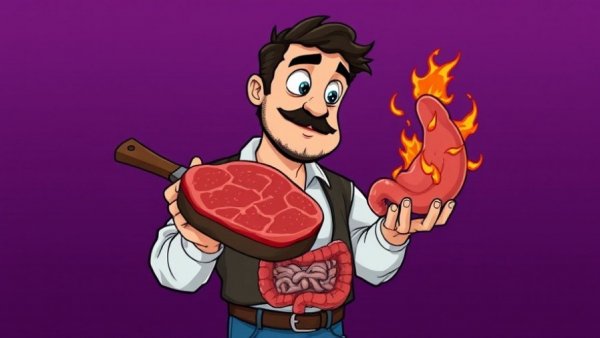
Cartoon man with steak examines inflamed intestines.

How the Carnivore Diet Could Transform Your Health

The carnivore diet has gained traction among those seeking a radical departure from traditional dietary patterns, especially among individuals struggling with various health challenges. If you've been feeling the effects of chronic pain, inflammation, or even depression, understanding how this unique diet may offer relief could be pivotal to your well-being. There’s a paradox at play that might surprise you: while the carnivore diet is high in meat, it doesn’t necessarily supply high amounts of vitamin D. Instead, it facilitates the body’s ability to absorb this essential vitamin through various cofactors, allowing individuals to feel better and experience less pain.

In 'Eat THIS to Reduce Pain & Inflammation,' the discussion dives into the benefits of the carnivore diet, exploring key insights that sparked deeper analysis on our end.

The Role of Vitamin D and Its Essential Cofactors

Vitamin D is crucial for your overall health, and deficiencies are often linked to autoimmune diseases, joint pain, and mood disorders. The common perception is that simply increasing vitamin D intake can heal these issues. However, without key cofactors like magnesium, zinc, and vitamin K2, along with healthy cholesterol levels, the body struggles to utilize vitamin D effectively. While it may seem counterintuitive, the animal-based nutrients found in a carnivore diet can enable the absorption of vitamin D from sources within your body, allowing it to work effectively.

Gut Health: The Foundation of Wellness

It's essential to appreciate the central role that gut health plays in vitamin D absorption and overall health. Bottlenecks in the gut can impair nutrient absorption, leaving you feeling lethargic and unwell. Many have discovered that adhering to the carnivore diet for a period can significantly alleviate gut inflammation. By removing potential irritants inherent in grains and sugars, this diet tends to eliminate factors contributing to poor gut health. Not only does this enhance vitamin D absorption, but it also triggers autophagy, helping the body dispose of damaged cells, which may contribute to chronic health issues.

Breaking Down Barriers: The Carnivore Diet and Receptor Resistance

Another critical aspect is the phenomenon known as vitamin D receptor resistance. Having sufficient levels of vitamin D circulating in the blood does not guarantee that your cells can utilize it. High levels of inflammation can block these receptors, often leading to persistent deficiencies despite supplementation. The carnivore diet excels at reducing systemic inflammation, a primary culprit behind receptor resistance. By giving the immune system and gut a break, this approach may pave the way for better usage of vitamin D, ultimately addressing issues like joint pain and immune responses more efficiently.

A Comprehensive Approach to Health

While the carnivore diet provides a unique angle on dietary health, it’s critical to view it as part of a broader health strategy. Many individuals struggling with obesity or metabolic syndrome may find that this dietary adjustment leads to lower insulin resistance—a significant barrier preventing nutrient absorption. By choosing to adopt this pattern for a few months, many can enhance their overall health, tackle chronic inflammation, and foster better mental health.

What Can You Do?

If you’re intrigued by the potential benefits of the carnivore diet, consider exploring this dietary pattern mindfully. While it’s not a one-size-fits-all approach, starting with a short-term commitment can provide insights into how your body responds. It's recommended to approach any major dietary changes under the supervision of a healthcare professional familiar with your health history, especially if you have existing medical conditions.

Understanding Your Body Through Self-Discovery

Curious about how your health signals can guide your nutrition choices? As an additional resource, consider taking advantage of Dr. Berg's free 2-minute quiz that identifies the primary health signals affecting you. Transforming your understanding of how your body operates can open up new health pathways.

Conclusion: Unleash the Power Within You

Understanding the intricacies of health and nutrition can feel overwhelming, but it's essential to take the journey toward better well-being. The insights regarding the carnivore diet and its implications for vitamin D absorption and gut health can serve as stepping stones in your quest for wellness. Embrace the process, stay informed, and don’t shy away from seeking the dietary changes that can lead to a more fulfilling life.


Health

6 Views

Write A Comment

*
*
Please complete the captcha to submit your comment.
Related Posts All Posts
11.20.2026

Sailing Safely: Keeping Seniors Healthy During Caribbean Cruises

Update Prevalence of Illness on Cruise Ships: A Growing Concern? The Caribbean always beckons with its picturesque beaches and vibrant culture, making it a dream destination for many. However, recent reports have sparked unease among travelers, particularly around cruise ship health. Nearly 150 passengers and crew members aboard the Caribbean Princess fell ill, raising questions about safety standards on vessels popular among older adults seeking leisure time at sea. What Happened on the Caribbean Princess? During a recent voyage, authorities reported that approximately 150 individuals, including both passengers and crew members, fell victim to an unidentified illness, resulting in symptoms such as nausea, vomiting, and diarrhea. As this illness spread through the ship, it led to the cancellation of multiple onboard activities and entertainment options, which are part of the full cruise experience. Many people look forward to enjoying shows, themed dinners, and leisure activities while at sea, making these cancellations particularly disappointing. This incident is not just a singular event but highlights the need for persistent attention to health issues on cruise ships. Reports about sickness outbreaks on these ships aren’t rare, especially since many travelers onboard are seniors who may have pre-existing conditions that make them more vulnerable to illnesses. For those who are planning a vacation, understanding these risks is important to help ensure a healthy and enjoyable trip. Understanding the Outbreak: Experts Weigh In Health experts generally remind travelers that cruise ships, while often considered luxurious gateways to adventure, can also present unique health risks. An outbreak of gastrointestinal illnesses, for instance, can spread rapidly in close quarters, and the cruise environment fosters this type of spread due to shared dining options and communal activities. The cruise experience, while enjoyable, requires some awareness and caution. In a discussion with Dr. Emily Johnson, a public health specialist, she succinctly stated, "The tight-knit living quarters and shared facilities make it simple for viruses to transmit quickly. It's essential for seniors, or anyone with a compromised immune system, to be especially cautious and practice good hygiene while traveling on cruise ships." Understanding how quickly illnesses can spread aboard cruise ships emphasizes the importance of health precautions, especially for older adults. Preventative Measures: Safeguarding Your Health on Cruises For seniors considering a cruise, there are vital actions you can take to minimize the risk of illness: PRACTICE GOOD HAND HYGIENE: Regularly washing your hands with soap or using hand sanitizer can significantly reduce the risk of spreading germs. Make it a habit to wash or sanitize before meals and after using shared facilities. STAY HYDRATED: Drinking plenty of water can help support your immune system. It’s crucial to ensure that the source is safe to avoid waterborne illnesses as well, as dehydration can make you more susceptible to infections. AVOID BUFFETS: Consider avoiding buffet-style dining where multiple hands can handle utensils, leading to contamination. Opt for freshly made meals or dining options that limit shared contacts. GET VACCINATED: Before embarking on your cruise, ensure that you are up to date with your vaccinations, especially those related to flu and gastrointestinal viruses. This will help bolster your immunity while traveling. ENGAGE IN HEALTHY HABITS: Maintain a balanced diet prior to and during your cruise, focusing on foods rich in vitamins and minerals to boost your immune system. Future Predictions: What Does This Mean for Upcoming Cruises? This recent incident invites speculation about how cruise lines will respond to future health concerns. There is increasing pressure for enhanced measures, such as increased sanitation protocols and improved medical facilities aboard ships. Cruise companies might implement more rigorous cleaning procedures to ensure the health safety of all guests. As the popularity of cruising increases, especially among seniors, cruise lines may need to enforce preventive measures, particularly during cold and flu season. Experts believe that as we continue to navigate post-pandemic travel, future protocols could include mandatory health screenings at ports before boarding. This proactive approach may help to keep both passengers and crews healthier on voyages. Sharing Your Experiences: Building Community and Awareness If you’ve experienced an illness during travel, especially on a cruise, sharing your story could help raise awareness. Many individuals may not realize the implications of common illnesses on cruises, and by sharing your story, you could contribute to broader conversations about safety and health standards. Online platforms and social media serve as excellent avenues for sharing these experiences. This community-building can empower others to make informed choices about their travel plans. Engage with forums or social media platforms dedicated to travel discussions; your insights might help shape future cruise experiences for seniors. The more we talk about these concerns, the more informed our travel community becomes. Supporting Senior Health on Cruises: A Call to Action In light of recent events, it’s crucial that we advocate for safer travel conditions for senior citizens. Whether through petitioning cruise lines for better hygiene standards or encouraging broader discussions on health awareness in travel, we all play a part in ensuring our travels remain joyous and safe. Consider discussing your concerns with travel agencies about health measures they endorse when booking cruises. So, as you plan your next adventure on the high seas, don’t forget to incorporate these health-conscious practices into your itinerary. It is the little steps we take that make a big difference. Staying informed, aware, and connected to fellow travelers will help ensure that your cruise experience is both fulfilling and secure.

11.20.2026

Navigating Caregiving: Tips for Self-Care and Mood Enhancement

Update Understanding the Caregiving Crisis: Stats That MatterIn recent years, the role of caregivers has become more prominent than ever. Approximately three in ten U.S. adults, according to new survey findings, have stepped into the shoes of a caregiver for a loved one over the past year. This statistic is more than just a number; it reflects a growing population who often face emotional and physical tolls that can affect their health. In particular, this issue resonates with senior citizens in Louisiana, where family structures often compel older adults to take on caregiving roles for spouses, siblings, or even grandchildren.Interestingly, a significant portion of these caregivers report that their own health has suffered as a direct result of their caregiving responsibilities. Many caregivers find themselves juggling jobs, family duties, and personal health needs, leading to elevated stress levels and subsequent health deteriorations. This scenario can be especially challenging for seniors, who may already be managing their health concerns. They often shoulder the additional burden of providing care while coping with their own medical issues, making it crucial to address both their needs and those of their loved ones.Combatting Caregiver Burnout: The Importance of Self-CareWith such responsibilities, it's paramount for caregivers to prioritize self-care. Implementing simple strategies can make a world of difference in maintaining one’s well-being amid the stresses of caregiving. Regular breaks, whether for leisurely walks, engaging in hobbies, or simply resting, can recharge one’s mental batteries. Exercise is another vital element, as even 20 minutes of light activity can significantly elevate mood and overall well-being. For our senior caregivers in Louisiana, walking in the local parks can be a delightful option, combining physical activity with the benefits of nature.A recent survey highlights the difficulty caregivers face in putting their health first, often citing guilt as a barrier. The key is understanding that by taking care of themselves, caregivers can better assist their loved ones. Thus, practical self-care tips such as maintaining a balanced diet, ensuring regular sleep patterns, and setting aside time for relaxation should be part of everyday routines. Additionally, mindfulness practices like yoga or meditation can be easily incorporated into daily life, allowing caregivers to reduce stress and foster a sense of calm.Redefining Spaces: The Mood-Boosting Power of Early DecoratingAlongside self-care, a surprisingly uplifting practice involves decorating one's living space, which, according to experts, can enhance mental health significantly. This might seem trivial, but studies have shown that engaging with one’s environment can elevate mood, particularly during tough seasons. For instance, decorating early for the upcoming holidays can send positive signals to the brain, fostering a sense of joy and anticipation. This is particularly relevant as we head toward the festive months, where many find comfort and happiness in familiar traditions.Imagine this: a cozy living room adorned with warm hues and twinkling lights, a safe haven amid the stresses of caregiving. The act of decorating is not just creative expression; it can also serve as an emotional release, allowing caregivers to articulate their feelings through colors, textures, and personal touches. Simple decorations or family pictures can create a pleasant atmosphere that encourages warmth and connection, which is especially beneficial during family gatherings. As many families in Louisiana gather to celebrate their heritage and traditions, creating such spaces can also reflect the heart and soul of their family values and history.Creating Connections: Community Support for CaregiversFinding community support can also be a vital resource for caregivers. In Louisiana, local organizations or even support groups encourage sharing experiences that can alleviate feelings of isolation. Workshops focusing on caregiving techniques, mental health resources, and peer support can equip caregivers with the tools they need to balance their responsibilities without sacrificing their well-being. Many communities have been proactive in forming networks to uplift those in caregiving roles, recognizing that shared experiences contribute to strength.Moreover, technology can play a key role here as well, providing innovative platforms for connecting with fellow caregivers who understand their personal challenges firsthand. Virtual meet-ups or social forum discussions can foster a sense of community, reminding caregivers that they are not alone in their journeys. Especially during times when physical gatherings are limited, these digital connections can provide vital emotional support, exchange of advice, and compassion.Empowering Yourself as a CaregiverIn conclusion, as caregivers navigate these demanding waters, it’s essential to arm themselves not only with knowledge about self-care and mental well-being but also to forge connections that uplift and empower. Self-care isn't a luxury; it is an absolute necessity. This is particularly important for senior caregivers, who may face additional challenges related to their health and well-being. They deserve every bit of support available to them.Step into the coming seasons with grace, light up your space, and remember that caring for yourself is just as important as caring for others. Prioritize your own health and happiness; it can lead to healthier caregiving and a revitalized spirit that positively impacts everyone involved. By taking these essential steps, caregivers not only support their loved ones but also nurture their own personal growth and resilience through the caregiving journey.

11.20.2026

Predicting Cognitive Decline: Revolutionary Blood Test for Alzheimer’s

Update The Future of Alzheimer’s Predictions: A New Blood Test Imagine a world where a simple blood test could inform older adults about their risk of cognitive decline years before any symptoms manifest. Recent research from the Mayo Clinic suggests we may be closer to that reality. This groundbreaking study looked into phosphorylated tau 217 (p-tau217), a protein linked to Alzheimer’s disease, found in the blood of 2,178 cognitively unimpaired adults aged 60 to 90. This type of predictive analysis carries immense implications for individuals, families, and health care providers, especially in Louisiana, where the elderly population is growing rapidly. With nearly 1 in 5 residents in Louisiana being over the age of 65, the importance of understanding and mitigating risks associated with cognitive decline cannot be overstated. Understanding the Research Behind the Blood Marker Published in JAMA Neurology, the study uncovered that levels of p-tau217 can be pivotal in predicting whether someone might develop cognitive decline within 5 to 10 years. Research lead Clifford Jack Jr. pointed out that as levels of this protein rise, so does the risk of transitioning from normal cognitive function to impairment. For instance, a 65-year-old with elevated p-tau217 might face a 6% likelihood of developing mild cognitive impairment over five years, whereas that risk skyrockets to 37% for an 85-year-old. Such stark differences highlight the urgent need for early detection, especially in a demographic that is often overlooked. How Does This Test Work? The study utilized intricate methodologies including blood biomarker testing, genetic evaluations, and multiple cognitive assessments. It considered factors such as age, gender, and the presence of the APOE ε4 genetic variant. Jack emphasizes the test’s non-invasive nature compared to traditional methods, like PET scans, which assess amyloid burden—a hallmark of Alzheimer’s. "The test tells you, just by taking a blood sample, whether someone has that pathology in the brain," Jack explained. Such progress could simplify the way we approach the diagnostics of Alzheimer’s and other dementias and motivate those who are concerned to seek timely medical advice. The Hope for Preventive Treatments With further advancements in treatment, the implications of this study could be transformative. If preventive therapies are shown to be effective, understanding an individual's risk could guide important conversations regarding treatment options. According to Alicia Algeciras-Schimnich, the test aims to provide more than just a positive or negative result; it seeks to quantify risk in a meaningful way, enhancing the patient's ability to make informed decisions about their health. This could also spur health care providers in Louisiana to explore community-based strategies that promote early intervention and risk management. Limitations and Considerations Despite these exciting prospects, it’s essential to note the study's limitations. The research population was primarily from southeast Minnesota, which may not accurately represent elderly Americans nationwide. As Jack cautioned, risk estimations must be validated in diverse populations before they can be routinely implemented. Additionally, it is crucial to acknowledge the current absence of approved treatments for asymptomatic individuals who may harbor the disease in their brains. The researchers have stated that the risk prediction model is not ready for routine screening of people without cognitive symptoms. "There is no treatment that’s been approved for people who are [asymptomatic] but have the disease in the brain," Jack told Fox News Digital. "Therefore, there’s no reason to do the test. … The results of the test would not change your medical management at all since there’s no treatment available.” What This Means for Older Adults in Louisiana For those residing in Louisiana, the implications of such research could be profound. With an aging population in the state, the ability to predict cognitive decline offers hopes not just for individuals but their families who may be burdened with caregiving responsibilities. Understanding potential risks early enables individuals to prepare and make choices regarding lifestyle changes or preemptive health strategies. Moreover, as community resources evolve, there could be increased availability of programs focusing on cognitive health and wellness, empowering individuals to take proactive measures. Families may benefit from support networks that can provide guidance on coping strategies and resources as they navigate the complexities of aging. Preparing for a Future with Uncertain Predictions As we step into this new paradigm of health awareness, discussions surrounding Alzheimer's and cognitive health are more critical than ever. The Mayo Clinic study represents a beacon of hope; however, it also invites us to acknowledge that not all who carry Alzheimer’s-related pathology will experience symptoms. Jack reminds us, "Many elderly people who have the pathology in the brain at lower levels will never develop symptoms in their lifetime." This highlights the importance of personalized health strategies tailored to the unique needs of each individual. What You Can Do Stay informed about the latest advancements in Alzheimer’s research and take proactive steps towards maintaining cognitive health. Engage in regular physical activity, maintain a balanced diet filled with fruits, vegetables, and whole grains, and participate in social activities to bolster brain health. Social engagement and cognitive stimulation are particularly vital for maintaining mental acuity. Additionally, have open conversations with healthcare providers about available testing and treatments, especially if you or a loved one are at risk. These discussions can empower you to make informed decisions regarding potential interventions and lifestyle adjustments, offering a path toward a healthier future. This information is not merely academic but a call to action for the elderly population in Louisiana to remain vigilant and engaged in their health journeys.

Golden Years of Louisiana

GoldenYearsLA.com is Louisiana’s trusted online magazine for seniors, offering lifestyle inspiration, health tips, financial guidance, and travel ideas tailored to you.

  • Privacy Policy
  • Terms of Use
  • Advertise
  • Contact Us
  • Menu 5
  • Menu 6
Hours

AVAILABLE M-F 9AM - 5PM CST

Hall Street Media

Hall Street Media is a Louisiana-based media company creating engaging digital publications for lifestyle, health, business, and regional audiences across the Gulf South.

© 2026 Golden Years of Louisiana All Rights Reserved. Hall Street Media, Lafayette, Louisiana 70501 . Contact Us . Terms of Service . Privacy Policy

eyJjb21wYW55IjoiR29sZGVuIFllYXJzIG9mIExvdWlzaWFuYSIsImFkZHJlc3MiOiJIYWxsIFN0cmVldCBNZWRpYSIsImNpdHkiOiJMYWZheWV0dGUiLCJzdGF0ZSI6IkxvdWlzaWFuYSIsInppcCI6IjcwNTAxIiwiZW1haWwiOiJnb2xkZW55ZWFyc2xhQGdtYWlsLmNvbSIsInRvcyI6IlBIQStQSE4wY205dVp6NDhaVzArVjJobGJpQjViM1VnYzJsbmJpMXBiaUIzYVhSb0lIVnpMQ0I1YjNVZ1lYSmxJR2RwZG1sdVp5WnVZbk53T3lCNWIzVnlJSEJsY20xcGMzTnBiMjRnWVc1a0lHTnZibk5sYm5RZ2RHOGdjMlZ1WkNCNWIzVWdaVzFoYVd3Z1lXNWtMMjl5SUZOTlV5QjBaWGgwSUcxbGMzTmhaMlZ6TGlCQ2VTQmphR1ZqYTJsdVp5QjBhR1VnVkdWeWJYTWdZVzVrSUVOdmJtUnBkR2x2Ym5NZ1ltOTRJR0Z1WkNCaWVTQnphV2R1YVc1bklHbHVJSGx2ZFNCaGRYUnZiV0YwYVdOaGJHeDVJR052Ym1acGNtMGdkR2hoZENCNWIzVWdZV05qWlhCMElHRnNiQ0IwWlhKdGN5QnBiaUIwYUdseklHRm5jbVZsYldWdWRDNDhMMlZ0UGp3dmMzUnliMjVuUGp3dmNENEtDanh3UG1oMGRIQnpPaTh2WjI5c1pHVnVlV1ZoY25Oc1lTNWpiMjA4TDNBK0NnbzhjRDRtYm1KemNEczhMM0ErQ2dvOGNENDhjM1J5YjI1blBsTkZVbFpKUTBVOEwzTjBjbTl1Wno0OEwzQStDZ284Y0Q1WFpTQndjbTkyYVdSbElHRWdjMlZ5ZG1salpTQjBhR0YwSUdOMWNuSmxiblJzZVNCaGJHeHZkM01nZVc5MUlIUnZJSEpsWTJWcGRtVWdjbVZ4ZFdWemRITWdabTl5SUdabFpXUmlZV05yTENCamIyMXdZVzU1SUdsdVptOXliV0YwYVc5dUxDQndjbTl0YjNScGIyNWhiQ0JwYm1admNtMWhkR2x2Yml3Z1kyOXRjR0Z1ZVNCaGJHVnlkSE1zSUdOdmRYQnZibk1zSUdScGMyTnZkVzUwY3lCaGJtUWdiM1JvWlhJZ2JtOTBhV1pwWTJGMGFXOXVjeUIwYnlCNWIzVnlJR1Z0WVdsc0lHRmtaSEpsYzNNZ1lXNWtMMjl5SUdObGJHeDFiR0Z5SUhCb2IyNWxJRzl5SUdSbGRtbGpaUzRnV1c5MUlIVnVaR1Z5YzNSaGJtUWdZVzVrSUdGbmNtVmxJSFJvWVhRZ2RHaGxJRk5sY25acFkyVWdhWE1nY0hKdmRtbGtaV1FnSm5GMWIzUTdRVk10U1ZNbWNYVnZkRHNnWVc1a0lIUm9ZWFFnZDJVZ1lYTnpkVzFsSUc1dklISmxjM0J2Ym5OcFltbHNhWFI1SUdadmNpQjBhR1VnZEdsdFpXeHBibVZ6Y3l3Z1pHVnNaWFJwYjI0c0lHMXBjeTFrWld4cGRtVnllU0J2Y2lCbVlXbHNkWEpsSUhSdklITjBiM0psSUdGdWVTQjFjMlZ5SUdOdmJXMTFibWxqWVhScGIyNXpJRzl5SUhCbGNuTnZibUZzYVhwaGRHbHZiaUJ6WlhSMGFXNW5jeTQ4TDNBK0NnbzhjRDVaYjNVZ1lYSmxJSEpsYzNCdmJuTnBZbXhsSUdadmNpQnZZblJoYVc1cGJtY2dZV05qWlhOeklIUnZJSFJvWlNCVFpYSjJhV05sSUdGdVpDQjBhR0YwSUdGalkyVnpjeUJ0WVhrZ2FXNTJiMngyWlNCMGFHbHlaQ0J3WVhKMGVTQm1aV1Z6SUNoemRXTm9JR0Z6SUZOTlV5QjBaWGgwSUcxbGMzTmhaMlZ6TENCSmJuUmxjbTVsZENCelpYSjJhV05sSUhCeWIzWnBaR1Z5SUc5eUlHTmxiR3gxYkdGeUlHRnBjblJwYldVZ1kyaGhjbWRsY3lrdUlGbHZkU0JoY21VZ2NtVnpjRzl1YzJsaWJHVWdabTl5SUhSb2IzTmxJR1psWlhNc0lHbHVZMngxWkdsdVp5QjBhRzl6WlNCbVpXVnpJR0Z6YzI5amFXRjBaV1FnZDJsMGFDQjBhR1VnWkdsemNHeGhlU0J2Y2lCa1pXeHBkbVZ5ZVNCdlppQmxZV05vSUZOTlV5QjBaWGgwSUcxbGMzTmhaMlVnYzJWdWRDQjBieUI1YjNVZ1lua2dkWE11SUVsdUlHRmtaR2wwYVc5dUxDQjViM1VnYlhWemRDQndjbTkyYVdSbElHRnVaQ0JoY21VZ2NtVnpjRzl1YzJsaWJHVWdabTl5SUdGc2JDQmxjWFZwY0cxbGJuUWdibVZqWlhOellYSjVJSFJ2SUdGalkyVnpjeUIwYUdVZ1UyVnlkbWxqWlNCaGJtUWdjbVZqWldsMlpTQjBhR1VnVTAxVElIUmxlSFFnYldWemMyRm5aWE11SUZkbElHUnZJRzV2ZENCamFHRnlaMlVnWVc1NUlHWmxaWE1nWm05eUlHUmxiR2wyWlhKNUlHOW1JR1Z0WVdsc0lHOXlJRk5OVXk0Z1ZHaHBjeUJwY3lCaElHWnlaV1VnYzJWeWRtbGpaU0J3Y205MmFXUmxaQ0JpZVNCMWN5NGdTRzkzWlhabGNpd2djR3hsWVhObElHTm9aV05ySUhkcGRHZ2dlVzkxY2lCcGJuUmxjbTVsZENCelpYSjJhV05sSUhCeWIzWnBaR1Z5SUdGdVpDQmpaV3hzZFd4aGNpQmpZWEp5YVdWeUlHWnZjaUJoYm5rZ1kyaGhjbWRsY3lCMGFHRjBJRzFoZVNCcGJtTjFjaUJoY3lCaElISmxjM1ZzZENCbWNtOXRJSEpsWTJWcGRtbHVaeUJsYldGcGJDQmhibVFnVTAxVElIUmxlSFFnYldWemMyRm5aWE1nZEdoaGRDQjNaU0JrWld4cGRtVnlJSFZ3YjI0Z2VXOTFjaUJ2Y0hRdGFXNGdZVzVrSUhKbFoybHpkSEpoZEdsdmJpQjNhWFJvSUc5MWNpQmxiV0ZwYkNCaGJtUWdVMDFUSUhObGNuWnBZMlZ6TGlCWmIzVWdZMkZ1SUdOaGJtTmxiQ0JoZENCaGJua2dkR2x0WlM0Z1NuVnpkQ0IwWlhoMElDWnhkVzkwTzFOVVQxQW1jWFZ2ZERzZ2RHOG1ibUp6Y0RzOGFHbG5hR3hwWjJoMElHTnNZWE56UFNKamIyMXdZVzU1VTAxVFVHaHZibVZWY0dSaGRHVWlQbTUxYkd3OEwyaHBaMmhzYVdkb2RENHVJRUZtZEdWeUlIbHZkU0J6Wlc1a0lIUm9aU0JUVFZNZ2JXVnpjMkZuWlNBbWNYVnZkRHRUVkU5UUpuRjFiM1E3SUhSdklIVnpMQ0IzWlNCM2FXeHNJSE5sYm1RZ2VXOTFJR0Z1SUZOTlV5QnRaWE56WVdkbElIUnZJR052Ym1acGNtMGdkR2hoZENCNWIzVWdhR0YyWlNCaVpXVnVJSFZ1YzNWaWMyTnlhV0psWkM0Z1FXWjBaWElnZEdocGN5d2dlVzkxSUhkcGJHd2dibThnYkc5dVoyVnlJSEpsWTJWcGRtVWdVMDFUSUcxbGMzTmhaMlZ6SUdaeWIyMGdkWE11UEM5d1Bnb0tQSEErUEhOMGNtOXVaejVaVDFWU0lGSkZSMGxUVkZKQlZFbFBUaUJQUWt4SlIwRlVTVTlPVXp3dmMzUnliMjVuUGp3dmNENEtDanh3UGtsdUlHTnZibk5wWkdWeVlYUnBiMjRnYjJZZ2VXOTFjaUIxYzJVZ2IyWWdkR2hsSUZObGNuWnBZMlVzSUhsdmRTQmhaM0psWlNCMGJ6bzhMM0ErQ2dvOGIydytDZ2s4YkdrK2NISnZkbWxrWlNCMGNuVmxMQ0JoWTJOMWNtRjBaU3dnWTNWeWNtVnVkQ0JoYm1RZ1kyOXRjR3hsZEdVZ2FXNW1iM0p0WVhScGIyNGdZV0p2ZFhRZ2VXOTFjbk5sYkdZZ1lYTWdjSEp2YlhCMFpXUWdZbmtnZEdobElGTmxjblpwWTJVbUl6TTVPM01nY21WbmFYTjBjbUYwYVc5dUlHWnZjbTBnS0hOMVkyZ2dhVzVtYjNKdFlYUnBiMjRnWW1WcGJtY2dkR2hsSUNaeGRXOTBPMUpsWjJsemRISmhkR2x2YmlCRVlYUmhKbkYxYjNRN0tTQmhibVE4TDJ4cFBnb0pQR3hwUG0xaGFXNTBZV2x1SUdGdVpDQndjbTl0Y0hSc2VTQjFjR1JoZEdVZ2RHaGxJRkpsWjJsemRISmhkR2x2YmlCRVlYUmhJSFJ2SUd0bFpYQWdhWFFnZEhKMVpTd2dZV05qZFhKaGRHVXNJR04xY25KbGJuUWdZVzVrSUdOdmJYQnNaWFJsTGlCSlppQjViM1VnY0hKdmRtbGtaU0JoYm5rZ2FXNW1iM0p0WVhScGIyNGdkR2hoZENCcGN5QjFiblJ5ZFdVc0lHbHVZV05qZFhKaGRHVXNJRzV2ZENCamRYSnlaVzUwSUc5eUlHbHVZMjl0Y0d4bGRHVXNJRzl5SUhkbElHaGhkbVVnY21WaGMyOXVZV0pzWlNCbmNtOTFibVJ6SUhSdklITjFjM0JsWTNRZ2RHaGhkQ0J6ZFdOb0lHbHVabTl5YldGMGFXOXVJR2x6SUhWdWRISjFaU3dnYVc1aFkyTjFjbUYwWlN3Z2JtOTBJR04xY25KbGJuUWdiM0lnYVc1amIyMXdiR1YwWlN3Z2QyVWdhR0YyWlNCMGFHVWdjbWxuYUhRZ2RHOGdjM1Z6Y0dWdVpDQnZjaUE4YzNSeWIyNW5Qanh6Y0dGdUlITjBlV3hsUFNKamIyeHZjam9qUmtZd01EQXdPeUkrZEdWeWJXbHVZWFJsSUhsdmRYSWdZV05qYjNWdWRDOXdjbTltYVd4bElHRnVaQ0J5WldaMWMyVWdZVzU1SUdGdVpDQmhiR3dnWTNWeWNtVnVkQ0J2Y2lCbWRYUjFjbVVnZFhObElHOW1JSFJvWlNCVFpYSjJhV05sSUNodmNpQmhibmtnY0c5eWRHbHZiaUIwYUdWeVpXOW1LUzQ4TDNOd1lXNCtQQzl6ZEhKdmJtYytQQzlzYVQ0S1BDOXZiRDRLQ2p4d1BpWnVZbk53T3p3dmNENEtQR2hwWjJoc2FXZG9kQ0JqYkdGemN6MGlZMjl0Y0dGdWVVNWhiV1ZWY0dSaGRHVWlQa2R2YkdSbGJpQlpaV0Z5Y3lCdlppQk1iM1ZwYzJsaGJtRThMMmhwWjJoc2FXZG9kRDQ4WW5JZ0x6NEtQR2hwWjJoc2FXZG9kQ0JqYkdGemN6MGlZMjl0Y0dGdWVVVnRZV2xzVlhCa1lYUmxJajVuYjJ4a1pXNTVaV0Z5YzJ4aFFHZHRZV2xzTG1OdmJUd3ZhR2xuYUd4cFoyaDBQZz09IiwicHJpdmFjeSI6IlBIQStQSE4wY205dVp6NVFVa2xXUVVOWlBDOXpkSEp2Ym1jK1BDOXdQZ29LUEhBK1BITjBjbTl1Wno1VWFHVWdhVzVtYjNKdFlYUnBiMjRnY0hKdmRtbGtaV1FnWkhWeWFXNW5JSFJvYVhNZ2NtVm5hWE4wY21GMGFXOXVJR2x6SUd0bGNIUWdjSEpwZG1GMFpTQmhibVFnWTI5dVptbGtaVzUwYVdGc0xDQmhibVFnZDJsc2JDQnVaWFpsY2lCaVpTQmthWE4wY21saWRYUmxaQ3dnWTI5d2FXVmtMQ0J6YjJ4a0xDQjBjbUZrWldRZ2IzSWdjRzl6ZEdWa0lHbHVJR0Z1ZVNCM1lYa3NJSE5vWVhCbElHOXlJR1p2Y20wdUlGUm9hWE1nYVhNZ2IzVnlJR2QxWVhKaGJuUmxaUzQ4TDNOMGNtOXVaejQ4TDNBK0NnbzhjRDQ4YzNSeWIyNW5Qa2xPUkVWTlRrbFVXVHd2YzNSeWIyNW5Qand2Y0Q0S0NqeHdQanhsYlQ1WmIzVWdZV2R5WldVZ2RHOGdhVzVrWlcxdWFXWjVJR0Z1WkNCb2IyeGtJSFZ6TENCaGJtUWdhWFJ6SUhOMVluTnBaR2xoY21sbGN5d2dZV1ptYVd4cFlYUmxjeXdnYjJabWFXTmxjbk1zSUdGblpXNTBjeXdnWTI4dFluSmhibVJsY25NZ2IzSWdiM1JvWlhJZ2NHRnlkRzVsY25Nc0lHRnVaQ0JsYlhCc2IzbGxaWE1zSUdoaGNtMXNaWE56SUdaeWIyMGdZVzU1SUdOc1lXbHRJRzl5SUdSbGJXRnVaQ3dnYVc1amJIVmthVzVuSUhKbFlYTnZibUZpYkdVZ1lYUjBiM0p1WlhsekppTXpPVHNnWm1WbGN5d2diV0ZrWlNCaWVTQmhibmtnZEdocGNtUWdjR0Z5ZEhrZ1pIVmxJSFJ2SUc5eUlHRnlhWE5wYm1jZ2IzVjBJRzltSUVOdmJuUmxiblFnZVc5MUlISmxZMlZwZG1Vc0lITjFZbTFwZEN3Z2NtVndiSGtzSUhCdmMzUXNJSFJ5WVc1emJXbDBJRzl5SUcxaGEyVWdZWFpoYVd4aFlteGxJSFJvY205MVoyZ2dkR2hsSUZObGNuWnBZMlVzSUhsdmRYSWdkWE5sSUc5bUlIUm9aU0JUWlhKMmFXTmxMQ0I1YjNWeUlHTnZibTVsWTNScGIyNGdkRzhnZEdobElGTmxjblpwWTJVc0lIbHZkWElnZG1sdmJHRjBhVzl1SUc5bUlIUm9aU0JVVDFNc0lHOXlJSGx2ZFhJZ2RtbHZiR0YwYVc5dUlHOW1JR0Z1ZVNCeWFXZG9kSE1nYjJZZ1lXNXZkR2hsY2k0OEwyVnRQand2Y0Q0S0NqeHdQanh6ZEhKdmJtYytSRWxUUTB4QlNVMUZVaUJQUmlCWFFWSlNRVTVVU1VWVFBDOXpkSEp2Ym1jK1BDOXdQZ29LUEhBK1BITjBjbTl1Wno1WlQxVWdSVmhRVWtWVFUweFpJRlZPUkVWU1UxUkJUa1FnUVU1RUlFRkhVa1ZGSUZSSVFWUTZQQzl6ZEhKdmJtYytQQzl3UGdvS1BHOXNQZ29KUEd4cFBsbFBWVklnVlZORklFOUdJRlJJUlNCVFJWSldTVU5GSUVsVElFRlVJRmxQVlZJZ1UwOU1SU0JTU1ZOTExpQlVTRVVnVTBWU1ZrbERSU0JKVXlCUVVrOVdTVVJGUkNCUFRpQkJUaUFtY1hWdmREdEJVeUJKVXlaeGRXOTBPeUJCVGtRZ0puRjFiM1E3UVZNZ1FWWkJTVXhCUWt4RkpuRjFiM1E3SUVKQlUwbFRMaUFzTGlCQlRrUWdWVk1zSUVsVUppTXpPVHRUSUVOVlUxUlBUVVZTVXl3Z1JWaFFVa1ZUVTB4WklFUkpVME5NUVVsTlV5QkJURXdnVjBGU1VrRk9WRWxGVXlCUFJpQkJUbGtnUzBsT1JDd2dWMGhGVkVoRlVpQkZXRkJTUlZOVElFOVNJRWxOVUV4SlJVUXNJRWxPUTB4VlJFbE9SeXdnUWxWVUlFNVBWQ0JNU1UxSlZFVkVJRlJQSUZSSVJTQkpUVkJNU1VWRUlGZEJVbEpCVGxSSlJWTWdUMFlnVFVWU1EwaEJUbFJCUWtsTVNWUlpMQ0JHU1ZST1JWTlRJRVpQVWlCQklGQkJVbFJKUTFWTVFWSWdVRlZTVUU5VFJTQkJUa1FnVGs5T0xVbE9SbEpKVGtkRlRVVk9WQzQ4TDJ4cFBnb0pQR3hwUGsxQlMwVlRJRTVQSUZkQlVsSkJUbFJaSUZSSVFWUWdLR2twSUZSSVJTQlRSVkpXU1VORklGZEpURXdnVFVWRlZDQlpUMVZTSUZKRlVWVkpVa1ZOUlU1VVV5d2dLR2xwS1NCVVNFVWdVMFZTVmtsRFJTQlhTVXhNSUVKRklGVk9TVTVVUlZKU1ZWQlVSVVFzSUZSSlRVVk1XU3dnVTBWRFZWSkZMQ0JQVWlCRlVsSlBVaTFHVWtWRkxDQW9hV2xwS1NCVVNFVWdVa1ZUVlV4VVV5QlVTRUZVSUUxQldTQkNSU0JQUWxSQlNVNUZSQ0JHVWs5TklGUklSU0JWVTBVZ1QwWWdWRWhGSUZORlVsWkpRMFVnVjBsTVRDQkNSU0JCUTBOVlVrRlVSU0JQVWlCU1JVeEpRVUpNUlN3Z1FVNUVJQ2hwZGlrZ1FVNVpJRVZTVWs5U1V5QkpUaUJVU0VVZ1UwOUdWRmRCVWtVZ1YwbE1UQ0JDUlNCRFQxSlNSVU5VUlVRdVBDOXNhVDRLQ1R4c2FUNUJUbGtnVFVGVVJWSkpRVXdnUkU5WFRreFBRVVJGUkNCUFVpQlBWRWhGVWxkSlUwVWdUMEpVUVVsT1JVUWdWRWhTVDFWSFNDQlVTRVVnVlZORklFOUdJRlJJUlNCVFJWSldTVU5GSUVsVElFUlBUa1VnUVZRZ1dVOVZVaUJQVjA0Z1JFbFRRMUpGVkVsUFRpQkJUa1FnVWtsVFN5QkJUa1FnVkVoQlZDQlpUMVVnVjBsTVRDQkNSU0JUVDB4RlRGa2dVa1ZUVUU5T1UwbENURVVnUms5U0lFRk9XU0JFUVUxQlIwVWdWRThnV1U5VlVpQkRUMDFRVlZSRlVpQlRXVk5VUlUwZ1QxSWdURTlUVXlCUFJpQkVRVlJCSUZSSVFWUWdVa1ZUVlV4VVV5QkdVazlOSUZSSVJTQkVUMWRPVEU5QlJDQlBSaUJCVGxrZ1UxVkRTQ0JOUVZSRlVrbEJUQzQ4TDJ4cFBnb0pQR3hwUGs1UElFRkVWa2xEUlNCUFVpQkpUa1pQVWsxQlZFbFBUaXdnVjBoRlZFaEZVaUJQVWtGTUlFOVNJRmRTU1ZSVVJVNHNJRTlDVkVGSlRrVkVJRUpaSUZsUFZTQkdVazlOSUU5U0lGUklVazlWUjBnZ1QxSWdSbEpQVFNCVVNFVWdVMFZTVmtsRFJTQlRTRUZNVENCRFVrVkJWRVVnUVU1WklGZEJVbEpCVGxSWklFNVBWQ0JGV0ZCU1JWTlRURmtnVTFSQlZFVkVJRWxPSUZSSVJTQlVUMU11UEM5c2FUNEtQQzl2YkQ0S0NqeHdQanh6ZEhKdmJtYytURWxOU1ZSQlZFbFBUaUJQUmlCTVNVRkNTVXhKVkZrOEwzTjBjbTl1Wno0OEwzQStDZ284Y0Q1WlQxVWdSVmhRVWtWVFUweFpJRlZPUkVWU1UxUkJUa1FnUVU1RUlFRkhVa1ZGSUZSSVFWUWdRVTVFSUZOSVFVeE1JRTVQVkNCQ1JTQk1TVUZDVEVVZ1JrOVNJRUZPV1NCRVNWSkZRMVFzSUVsT1JFbFNSVU5VTENCSlRrTkpSRVZPVkVGTUxDQlRVRVZEU1VGTUxDQkRUMDVUUlZGVlJVNVVTVUZNSUU5U0lFVllSVTFRVEVGU1dTQkVRVTFCUjBWVExDQkpUa05NVlVSSlRrY2dRbFZVSUU1UFZDQk1TVTFKVkVWRUlGUlBMQ0JFUVUxQlIwVlRJRVpQVWlCTVQxTlRJRTlHSUZCU1QwWkpWRk1zSUVkUFQwUlhTVXhNTENCVlUwVXNJRVJCVkVFZ1QxSWdUMVJJUlZJZ1NVNVVRVTVIU1VKTVJTQk1UMU5UUlZNZ0tFVldSVTRnU1VZZ1NFRlRJRUpGUlU0Z1FVUldTVk5GUkNCUFJpQlVTRVVnVUU5VFUwbENTVXhKVkZrZ1QwWWdVMVZEU0NCRVFVMUJSMFZUS1N3Z1VrVlRWVXhVU1U1SElFWlNUMDA2UEM5d1Bnb0tQRzlzUGdvSlBHeHBQbFJJUlNCVlUwVWdUMUlnVkVoRklFbE9RVUpKVEVsVVdTQlVUeUJWVTBVZ1ZFaEZJRk5GVWxaSlEwVTdQQzlzYVQ0S0NUeHNhVDVVU0VVZ1EwOVRWQ0JQUmlCUVVrOURWVkpGVFVWT1ZDQlBSaUJUVlVKVFZFbFVWVlJGSUVkUFQwUlRJRUZPUkNCVFJWSldTVU5GVXlCU1JWTlZURlJKVGtjZ1JsSlBUU0JCVGxrZ1IwOVBSRk1zSUVSQlZFRXNJRWxPUms5U1RVRlVTVTlPSUU5U0lGTkZVbFpKUTBWVElGQlZVa05JUVZORlJDQlBVaUJQUWxSQlNVNUZSQ0JQVWlCTlJWTlRRVWRGVXlCU1JVTkZTVlpGUkNCUFVpQlVVa0ZPVTBGRFZFbFBUbE1nUlU1VVJWSkZSQ0JKVGxSUElGUklVazlWUjBnZ1QxSWdSbEpQVFNCVVNFVWdVMFZTVmtsRFJUczhMMnhwUGdvSlBHeHBQbFZPUVZWVVNFOVNTVnBGUkNCQlEwTkZVMU1nVkU4Z1QxSWdRVXhVUlZKQlZFbFBUaUJQUmlCWlQxVlNJRlJTUVU1VFRVbFRVMGxQVGxNZ1QxSWdSRUZVUVRzOEwyeHBQZ29KUEd4cFBsTlVRVlJGVFVWT1ZGTWdUMUlnUTA5T1JGVkRWQ0JQUmlCQlRsa2dWRWhKVWtRZ1VFRlNWRmtnVDA0Z1ZFaEZJRk5GVWxaSlEwVTdJRTlTUEM5c2FUNEtDVHhzYVQ1QlRsa2dUMVJJUlZJZ1RVRlVWRVZTSUZKRlRFRlVTVTVISUZSUElGUklSU0JUUlZKV1NVTkZMand2YkdrK0Nqd3ZiMncrQ2dvOGNENDhkVDVDZVNCeVpXZHBjM1JsY21sdVp5QmhibVFnYzNWaWMyTnlhV0pwYm1jZ2RHOGdiM1Z5SUdWdFlXbHNJR0Z1WkNCVFRWTWdjMlZ5ZG1salpTd2dZbmtnYjNCMExXbHVMQ0J2Ym14cGJtVWdjbVZuYVhOMGNtRjBhVzl1SUc5eUlHSjVJR1pwYkd4cGJtY2diM1YwSUdFZ1kyRnlaQ3dnSm5GMWIzUTdlVzkxSUdGbmNtVmxJSFJ2SUhSb1pYTmxJRlJGVWsxVElFOUdJRk5GVWxaSlEwVW1jWFZ2ZERzZ1lXNWtJSGx2ZFNCaFkydHViM2RzWldSblpTQmhibVFnZFc1a1pYSnpkR0Z1WkNCMGFHVWdZV0p2ZG1VZ2RHVnliWE1nYjJZZ2MyVnlkbWxqWlNCdmRYUnNhVzVsWkNCaGJtUWdaR1YwWVdsc1pXUWdabTl5SUhsdmRTQjBiMlJoZVM0OEwzVStQQzl3UGdvS1BIQStKbTVpYzNBN1BDOXdQZ284YUdsbmFHeHBaMmgwSUdOc1lYTnpQU0pqYjIxd1lXNTVUbUZ0WlZWd1pHRjBaU0krUjI5c1pHVnVJRmxsWVhKeklHOW1JRXh2ZFdsemFXRnVZVHd2YUdsbmFHeHBaMmgwUGp4aWNpQXZQZ284YUdsbmFHeHBaMmgwSUdOc1lYTnpQU0pqYjIxd1lXNTVRV1JrY21WemMxVndaR0YwWlNJK1NHRnNiQ0JUZEhKbFpYUWdUV1ZrYVdFc0lFeGhabUY1WlhSMFpTd2dURzkxYVhOcFlXNWhJRGN3TlRBeFBDOW9hV2RvYkdsbmFIUStQR0p5SUM4K0NqeG9hV2RvYkdsbmFIUWdZMnhoYzNNOUltTnZiWEJoYm5sUWFHOXVaVlZ3WkdGMFpTSStLekV6TXpjeU9EZzBOalkxUEM5b2FXZG9iR2xuYUhRK1BHSnlJQzgrQ2p4b2FXZG9iR2xuYUhRZ1kyeGhjM005SW1OdmJYQmhibmxGYldGcGJGVndaR0YwWlNJK1oyOXNaR1Z1ZVdWaGNuTnNZVUJuYldGcGJDNWpiMjA4TDJocFoyaHNhV2RvZEQ0PSJ9

Terms of Service

Privacy Policy

Core Modal Title

Sorry, no results found

You Might Find These Articles Interesting

T
Please Check Your Email
We Will Be Following Up Shortly
*
*
*