



The Return of Measles: A Wake-Up Call for the U.S.
For many in the United States, measles was once a distant memory—an illness that had been relegated to the history books thanks to widespread vaccination efforts. Yet, recent reports indicate that the U.S. has lost its status as a measles elimination nation after a significant surge in cases. With the rising numbers of infections, particularly amidst vulnerable populations, it is an alarming reminder of the importance of immunizations.
A Closer Look at the Measles Outbreak
The World Health Organization had previously declared the United States measles-free in 2000; however, recent spikes in cases, particularly in regions with low vaccination rates, have changed this status. According to the CDC, there were over 300 confirmed measles cases in the last few years alone, reminding us that outbreaks can occur, especially in communities where misinformation about vaccines is rampant. The highest increases were seen in areas where vaccine hesitancy was prevalent, highlighting the critical need for outreach and education about the benefits of immunization.
The Consequences for Senior Citizens
For seniors, the stakes are particularly high. Older adults may have a weakened immune system and be more susceptible to complications from diseases like measles. Many seniors might not have received the MMR (measles, mumps, rubella) vaccine when they were younger, as vaccinations were not universally mandated at that time. Understanding the risks associated with this resurgence is essential for elderly populations, both for their own safety and the safety of their families.
Moreover, families in Louisiana may find themselves facing the reality of outbreaks, particularly as communities see clusters of cases in areas where vaccination rates are low. This could mean more than just health risks; it can strain local healthcare systems and resources. Therefore, it’s crucial for the senior population to advocate for their health and that of those around them.
Why Vaccination Matters
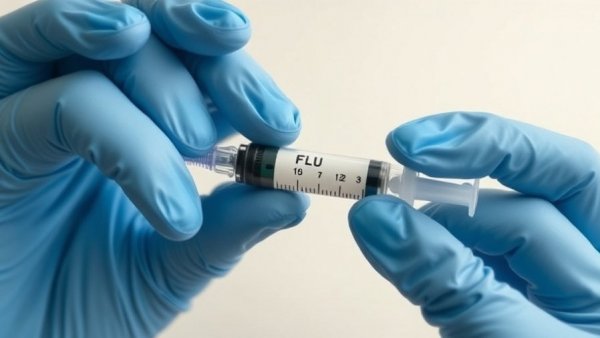
Vaccination protects individuals and communities by preventing the spread of diseases. The measles vaccine is not only effective in preventing the illness, but it also plays a crucial role in achieving herd immunity—where a significant portion of the population becomes immune, thereby protecting those who are unable to be vaccinated due to medical reasons. This collective safety nets higher-risk groups, including seniors, who might face more severe complications if they contract measles.
It’s essential to recognize that measles is highly contagious; just being in the same room as someone infected can put individuals at risk, particularly those who are unvaccinated or have compromised immune systems. The urgency to vaccinate extends beyond personal health—it’s about safeguarding the community, especially those who may not have the option to vaccinate.
Common Misconceptions and the Power of Education
Misunderstandings regarding vaccines have proliferated in recent years, fueled by misinformation spreading across social media platforms and communities. Many might falsely believe that vaccines are more harmful than the diseases they prevent. In reality, vaccines undergo rigorous testing and have a long track record of safety. For seniors in Louisiana, understanding the benefits of vaccination and combating these myths is crucial for community health.
Parents and caregivers play a vital role in this education process by sharing facts about vaccines. For instance, measles can lead to serious complications such as pneumonia and encephalitis, which can be life-threatening. Explaining these risks can help dispel myths and encourage families to actively participate in vaccination efforts.
Taking Proactive Steps: What Can You Do?
As seniors, staying informed and advocating for your health is essential. Here are a few practical tips to consider:
- Consult with Healthcare Providers: Ask about your vaccination history and whether you need to update your immunizations; healthcare providers can offer personalized recommendations based on your health status.
- Educate Yourself: Read credible sources and engage in discussions about the importance of vaccines; local health departments and reputable health websites can be excellent resources.
- Community Engagement: Consider joining local health forums or groups aimed at addressing vaccine-related questions and concerns; being part of such dialogues can empower you and those around you.
- Advocate for Others: Share your knowledge and experiences with friends and family. Encourage them to vaccinate, particularly younger generations who may be exposed to misleading information.
The Takeaway: A Healthy Future for All
Ultimately, the resurgence of measles is a stark reminder of how critical vaccination remains. Senior citizens in Louisiana, along with their caregivers and families, must recognize the importance of staying informed and proactive in their health choices. By ensuring that they are vaccinated and understanding the sacrifices made by past generations, they contribute to a healthier future for everyone.
As we navigate these challenging times, it's vital to remain engaged and supportive of one another. By valuing health, educating one another, and safeguarding our communities, we can fight against diseases that were once on the verge of extinction. We all play a part in this effort—let's commit to fostering a health-conscious community that thrives on knowledge and care.



Write A Comment