


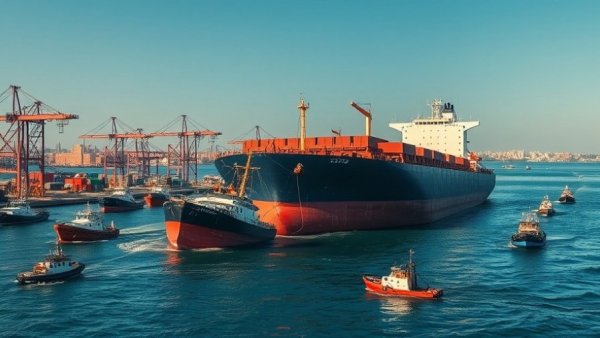
The Collision Incident: Unfolding Events
The recent collision between a chemical tanker and a cruise ship off the coast of Louisiana has raised numerous concerns regarding maritime safety, especially in waters frequented by both commercial and recreational vessels. The National Transportation Safety Board (NTSB) has announced a briefing scheduled to discuss the incident, which left many local residents anxious about the implications for their beloved waterways. This unfortunate event reminds us that, while maritime travel can be an enjoyable experience for both tourists and locals, it also carries inherent risks that must be carefully managed.
Understanding the Significance of Maritime Safety
This incident serves as a stark reminder of the importance of maritime safety regulations. Thousands of tourists and locals enjoy the beauty of the Gulf Coast every year, but this tragic collision underscores the potential dangers lurking beneath the surface. Experts in maritime law stress that maintaining stringent safety protocols is crucial to prevent accidents that can disrupt communities and cause significant harm. The waters off Louisiana are not just highways for commerce; they are also vital for recreational activities, from fishing to boating, which play a significant role in local traditions.
What We Know So Far
While initial reports indicate that there were no casualties from the collision, the potential for environmental damage, particularly to the marine ecosystem, is alarming. The Gulf of Mexico is home to a rich diversity of marine life, and even minor incidents can have a cascading effect on the local ecosystem. Furthermore, local fishermen and tourism operators are anxiously awaiting news on how this incident may affect their livelihoods, as any change in water quality or access could have dire financial implications. The fishing community, which boasts deep roots and traditions, is facing uncertainty. It’s vital for the community to stay informed about the developments that arise from the upcoming NTSB briefing, as knowledge can empower residents in these challenging times.
The Impact on Local Communities
Louisiana’s coastal communities often rely heavily on both commercial and recreational fishing industries, which contribute significantly to their local economies. Fishermen, often part of families with legacies in these practices, represent more than just workers; they are stewards of their communities. When incidents like this occur, fishermen and local businesses may find themselves grappling with the fallout—whether that be temporary restrictions on waters for fishing or a decline in tourist interest due to safety concerns. The ripple effects of such events can last long after the incident itself, impacting everything from local restaurants to supply chains that depend on fresh seafood.
Voices from the Community
In instances of maritime accidents, the human impact is often overlooked. Local fisherman James, who has been navigating these waters for over 30 years, expressed his worries about the future of fishing in the area. "Every incident makes it harder for us to trust that the waters we depend on remain safe and sustainable. We need to know what precautions are being taken to prevent such incidents in the future,” he reflects. The concerns of residents like James highlight the connection between local culture and maritime activities. In addition to personal stories, many community members are concerned about the long-term implications for their children's futures in these industries, which have been passed down through generations.
Looking Ahead: Environmental and Economic Considerations
As the NTSB prepares to discuss findings, experts predict that discussions will include preventative measures that could emerge from this incident. Environmental advocates emphasize that ensuring the preservation of our waterways is not just a matter of safety but also about protecting our heritage and livelihoods. The Gulf Coast has long been known for its unique ecosystems, from the marshlands to the open seas, and the protection of this environment is crucial for future generations. Ongoing dialogues within the community about sustainable practices and their implementation could help restore confidence and bolster community resilience. Furthermore, as regulations evolve, incorporating community insights and experiences will be vital in crafting effective safety protocols.
Community Engagement and Advocacy
Community engagement plays a significant role in shaping the future of maritime safety policies. By participating in forums and discussions following the NTSB briefing, residents can voice their concerns and contribute to creating a safer maritime environment. Local advocacy groups focused on environmental protection and maritime safety are already mobilizing to ensure that community interests are represented. Workshops and informational sessions about maritime regulations and best practices for safety could also empower local fishermen and business owners to be proactive in their operations. As the community rallies together, there can be greater strength in advocating for measures that prioritize both safety and the preservation of local livelihoods.
Conclusion: Preparing for Tomorrow
As we await more information from the NTSB briefing, it is crucial for residents to stay engaged and informed. By understanding the facts surrounding such incidents, communities can advocate for necessary safety protocols and environmental protections that meet the needs of both the economy and public safety. If you find concern for our waters and community paramount, mark your calendars for the NTSB's briefing and stay connected. The future of Louisiana’s coastal regions depends on our collective action and commitment to protecting the waters we cherish.





Write A Comment