Add Row
Add Element
Add Element
UPDATE
Add Element
  • update
  • update
  • update
  • update
  • update
  • update
  • update
  • Home
  • Categories
    • Health
    • Money
    • Lifestyle
    • Travel
    • Entertainment
    • Louisiana News
    • Jobs and Careers
    • Featured
July 07.2025
3 Minutes Read

Understanding the Barriers: Why Obesity Drug Access Remains Challenging

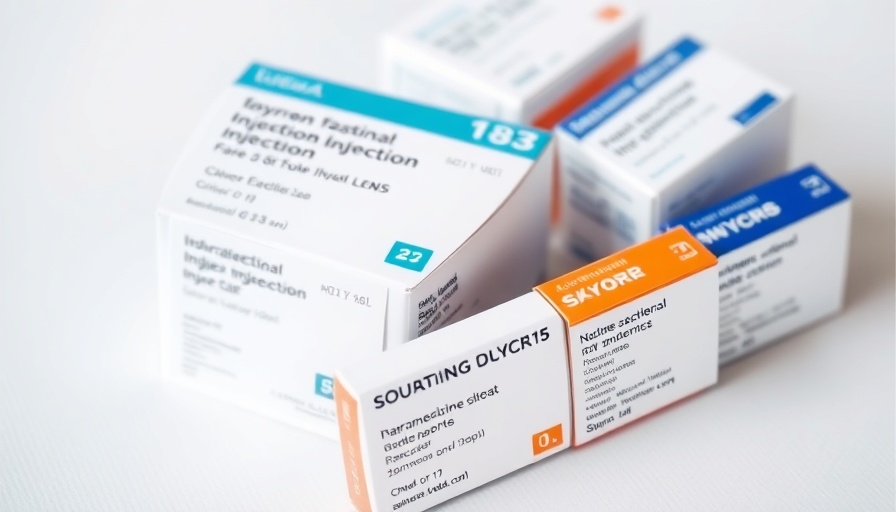
Injection boxes highlighting obesity drugs access issues.

Prices Are Dropping, Yet Access Remains Elusive

Recent years have witnessed a surge in demand for obesity medications like Wegovy and Zepbound, particularly among senior citizens seeking sustainable solutions for weight management. As prices for these treatments reportedly decline, the reality for many remains that access is anything but certain. The frustration felt by patients highlights the critical issue of drug availability in a health system improving in some facets while still leaving many behind.

The Cost Barrier: A Persistent Challenge

Despite a reduction in prices, currently hovering around $500 per month without insurance, these drugs remain financially daunting for many. For those with insurance, coverage varies significantly, with some patients still effectively priced out due to out-of-pocket expenses. As healthcare consultant Matt Maciejewski notes, “The medications should be available, the question is at what price can people sustain that?” This question is not just a logistical challenge; it touches on the broader implications of healthcare accessibility, especially for the senior community.

Understanding GLP-1 Drugs and Their Impact

Category of medications such as Wegovy and Zepbound belong to GLP-1 receptor agonists, which have gained significant traction in recent years. Their rise in popularity is not incidental; many individuals, particularly older adults, are recognizing the benefits in managing their weight. Zepbound generated a whopping $2.3 billion in sales in just the first quarter of the year, pointing towards the increasing acceptance of these drugs as viable solutions.

Insurance Coverage: A Mixed Bag

On a brighter note, recent analyses suggest a rising trend in insurance coverage for GLP-1 medications among businesses. According to the consultant Mercer, larger businesses, particularly those with at least 500 employees, are beginning to include coverage for these drugs under their health plans. This shift is beneficial, but it’s important to note that not all businesses are following suit. While 85% of patients with insurance pay significantly less, this still does not guarantee access for everyone, especially those in smaller firms or with less comprehensive plans.

The Emotional Toll of Availability Challenges

Living with obesity can create emotional stress, particularly as many seniors might feel they are once again at the mercy of a healthcare system that isn’t responsive to their needs. The continued high demand for these medications amid ongoing access issues illustrates a delicate balance of health priorities versus patient realities. Encouragingly, many healthcare providers are finding creative methods to offer alternatives and support to those unable to access these drugs. Education and resources are paramount in helping individuals find the tools needed to navigate their weight loss journeys.

Hope on the Horizon: The Future of Obesity Treatments

While currently challenging, there is hope for the future of obesity medications. Experts believe that as more patients advocate for better access and coverage, the healthcare industry will continue to adapt. Furthermore, the pressure on pharmaceutical companies and insurers to expand access to these life-changing medications is mounting. With support from advocacy groups and the aging population itself, movement towards a more inclusive healthcare model can grow stronger.

Your Role in This Narrative: Taking Action

There’s power in numbers. As seniors in Louisiana, your voices matter in the conversation about healthcare policies and drug accessibility. Reach out to local representatives, share your concerns and stories, and advocate for better access to essential medications. Each action can lead to broader changes, creating a future where obesity drugs like Wegovy and Zepbound are attainable for everyone who needs them.

In exploring the evolving landscape of obesity medications and their accessibility, it’s essential to actively engage in discussions, pursue information on emerging alternatives, and rally for comprehensive plans that prioritize patient health.

Health

6 Views

Write A Comment

*
*
Please complete the captcha to submit your comment.
Related Posts All Posts
04.08.2026

Graco Recall Highlights Safety Concerns: What Senior Caregivers Should Know

Update Graco's Recent Recall: Understanding the Structural Issue In a significant move this week, Graco launched a recall affecting certain models of their rotating car seats, citing structural issues that could potentially compromise child safety. This alert has raised concerns among parents and caregivers, especially among senior citizens in Louisiana who may be responsible for transporting grandchildren and other young children. The recall directly affects the SnugRide Turn2Slide seat, known for its ability to rotate for easier access to the child. Why This Matters to Families For many families, a car seat isn't just an accessory; it’s a vital safety tool that ensures the well-being of little ones while on the road. As grandparents, many individuals are stepping into caretaking roles, often needing to transport grandchildren safely and comfortably. The knowledge of defects in these car seats can feel daunting, prompting many to seek clarity on how to address this situation effectively. Graco's Safety Commitment Graco has reassured customers that safety remains their top priority. This recall reflects the company's commitment to proactive measures, ensuring that any potential risks are addressed swiftly. The affected models can be identified by their manufacturing dates between specific ranges, which Graco has provided. Customers are encouraged to check their car seats against these details to confirm if their product is impacted. Practical Steps to Take If you own one of the affected car seats, here are some important steps to follow: Determine if your car seat is affected: Visit Graco's official website or reach out to their customer service for verification. Cease use immediately: If your car seat is affected, stop using it right away to ensure the safety of your child. Follow recall instructions: Follow Graco's guidelines for returning the seat or accessing any replacement options they might provide. Looking Ahead: The Future of Child Safety Products This incident invites a broader conversation about the safety standards of car seats and children's safety products. It’s vital to stay informed about recalls and updates in safety regulations that prioritize a child’s security. As more companies innovate in this space, consumers can expect advancements in technology that enhance safety features. Staying Informed: Resources and Support For seniors navigating the complexities of childcare, accessing resources on safety product updates is crucial. Websites such as the Consumer Product Safety Commission (CPSC) offer timely information on recalls and potential hazards associated with child products. Additionally, joining community groups or forums can provide shared experiences and insights into best practices in child safety. Conclusion: Take Safety Seriously The Graco recall serves as a pertinent reminder of the importance of staying vigilant about child safety products. With many seniors stepping into caregiving roles, understanding how to manage these products effectively is essential. We encourage all caregivers—especially seniors—to stay updated on recalls, seek out support networks, and actively participate in keeping little ones safe during travel. Take action now: if you're unsure whether your car seat is affected, check Graco's guidelines today to ensure peace of mind for you and your family.

04.08.2026

USDA Retracts Health Alert About Walmart Dinosaur Nuggets: What This Means for Consumers

Update Reassuring News for Walmart Shoppers: Health Alert Lifted In a recent turn of events, the U.S. Department of Agriculture (USDA) has retracted a health alert regarding the potentially contaminated Great Value Fully Cooked Dino Shaped Chicken Breast Nuggets sold at Walmart stores nationwide. Just a week after the initial warning highlighted elevated lead levels in the product, further testing revealed no such concerns, providing much-needed reassurance for families, especially those with children who enjoy these fun-shaped nuggets. Understanding the Initial Concern On April 1, 2026, the USDA issued a health alert influenced by routine surveillance tests conducted by the New York State Department of Public Health. The initial report suggested the nuggets contained trace levels of lead, causing alarm among consumers. The USDA noted the importance of the alert given that the product is commonly consumed by children, who are particularly vulnerable to lead exposure. With a 'best if used by' date of February 10, 2027, the alert impacted 29-ounce bags labeled with lot code "0416DPO1215" and establishment number "P44164". Quick Action and Immediate Response Although the alert was promptly issued, it was equally quickly revised. Following thorough retesting, the USDA confirmed, “no elevated levels of lead in the product.” This statement was crucial for the many individuals worried about potential health risks associated with the nuggets. The USDA concluded that the product does not pose a public health concern, and no recall was issued since the affected items were no longer available in stores. The Risk of Misinformation: A Local Perspective For residents of Louisiana, the retraction serves as a powerful reminder of how public health announcements can impact consumer behavior. Seniors and caregivers often rely on these notifications to ensure the wellbeing of their families. Misinformation, even when unintentional, can generate misunderstandings and unnecessary panic, emphasizing the importance of clear communication from health authorities. Lessons from the Incident: Staying Informed One positive takeaway from this situation is the emphasis on vigilance in food safety protocols. The original health alert underscores the need for regular inspections and testing by food companies and state health departments. Consumers should feel empowered to stay informed about the products they purchase. Here are a few practical tips: Check for Alerts: Regularly review health alerts issued by the USDA or local health departments regarding food products. Educate Family: Teach younger family members about the importance of food safety and listening to recalls to foster informed choices. Contact Vendors: Do not hesitate to reach out to brands or retailers with concerns to get accurate information. The Bigger Picture: Public Trust in Food Safety As children’s health and nutrition remain a top priority for parents, incidents like this shine a light on the importance of transparency and trust in food supply chains. The USDA’s quick retraction demonstrates efforts to maintain public confidence in food safety, showing that while mistakes can happen, appropriate measures are taken to rectify them. This vigilance aligns with broader health trends emphasizing consumer education, which is especially critical in communities with high proportions of senior citizens. Moving Forward: Encouraging Healthy Eating Habits In light of this recent news, families might find a renewed interest in understanding what’s on their plates. Engaging with health issues through recipes, nutrition education, and community discussions can promote healthier eating habits and foster a sense of connection amid uncertainty. Drawing from local resources and partnering with community health initiatives can further enhance awareness of what safe food practices look like. As consumers, staying informed and proactive about food safety ensures the health of our families is prioritized. Let’s make the commitment not just to enjoy our meals but to engage critically with the sources of our food!

04.08.2026

A Lafayette Family’s Journey to Hope and Healing Through Hogs for the Cause

Update Healing Through Community: The Power of Festivals When families face enormous health challenges, community support can be transformative. For the Naquin family from Lafayette, Louisiana, the Hogs for the Cause festival has become a beacon of hope amidst their struggles. Alyse Naquin, a 19-year-old who has battled a severe kidney disorder, recently experienced the joy of walking alongside her sister, Adeline, on the path to her wedding, a luxury she wasn't guaranteed just a few years ago. Counting the Blessings After Trials Alyse's journey is a heart-wrenching narrative of resilience. Diagnosed with nephrotic syndrome at just 11, her early teenage years were dominated by the pain and strain of dialysis. As her mother, Melissa Naquin, recounted, the experience was both taxing and incredibly challenging: “She did all four years of high school on dialysis.” Despite these hurdles, the family remained hopeful, supported by the surrounding community, particularly through Hogs House—a facility created by funds raised during the Hogs for the Cause festival that offers housing for families staying near hospital facilities. A Lifesaving Gift In an extraordinary display of love, Melissa became her daughter's kidney donor. The emotional depth of such a decision cannot be overstated. “As a mother, you say, ‘Take mine,’” she remarked, showcasing the profound sacrifice and commitment parents often make. Their story is not only about survival but about coming together during the darkest times. A Bright Future: Alyse’s Next Steps Today, after enduring several trials, including the loss of her mother’s kidney after its initial transplant failed, Alyse has received a new kidney, gifted from a family who understands grief and generosity. As she stated, “This gift of a kidney is more than I could have ever imagined. Just having the second chance in life is amazing.” This second chance offers her not just relief, but a platform to give back—Alyse now runs a foundation that provides scholarships to young people with similar health challenges. The Role of Hogs for the Cause Festivals The impact of events like Hogs for the Cause extends far beyond delicious food and enjoyable music. This year marks the 18th anniversary of the festival, which has raised over $18.5 million to benefit families facing medical struggles. The funds help maintain Hogs House, which offers a home-away-from-home during treatments, alleviating some emotional and financial burdens for families like the Naquins. It becomes clear that this community-driven event is more than just a festival, but a lifeline to those in need. Future Trends in Health and Community Support As the healthcare landscape evolves, grassroots movements like those behind Hogs for the Cause grow ever more essential. They shine a light on the importance of community support in healthcare, turning the tide for countless families. The fusion of activism and joyous celebration fosters collaboration among healthcare professionals, patients, and their families. Making a Difference: Actions You Can Take Events like Hogs for the Cause provide opportunities for everyone to contribute to meaningful change. For those inspired by Alyse’s journey, participating in fundraising efforts, volunteering, or attending local events can help sustain initiatives that support families in their times of need. Consider making a donation to Hogs for the Cause or getting involved with local health initiatives in your community. As we celebrate life’s precious moments—the weddings, graduations, and community festivities—let us not forget those who give their all for a chance at a healthier future. As Alyse beautifully encapsulates, “Having the second chance in life is amazing.” It is through such shared stories and efforts that hope continues to thrive.

Terms of Service

Privacy Policy

Core Modal Title

Sorry, no results found

You Might Find These Articles Interesting

T
Please Check Your Email
We Will Be Following Up Shortly
*
*
*