


Navigating the Unexpected Effects of Space Exploration on Daily Life
The realm of space exploration is often thought of as distant and abstract, yet its repercussions can be felt directly here on Earth, especially among seniors who increasingly rely on technology for communication and navigation. As NASA's Artemis II rocket launch recently made headlines, some researchers suggest that it may have unintentionally disturbed the ionosphere—an upper layer of the atmosphere crucial for GPS signals. This phenomenon raises significant questions about the intersections between advanced space missions and everyday technology we take for granted.
The Ionosphere and Its Role in GPS Functionality
The ionosphere is a vital region of the Earth's atmosphere that consists of charged particles. It plays an essential role in the transmission of satellite signals, including GPS. Any disturbances in this layer can lead to significant navigation errors, affecting everything from personal navigation devices to broader systems used in public service and transportation. For older adults who increasingly depend on these technologies for safety and independence in everyday activities, understanding these disturbances offers insight into how far-reaching the effects of space missions can be.
What Happened During the Launch?
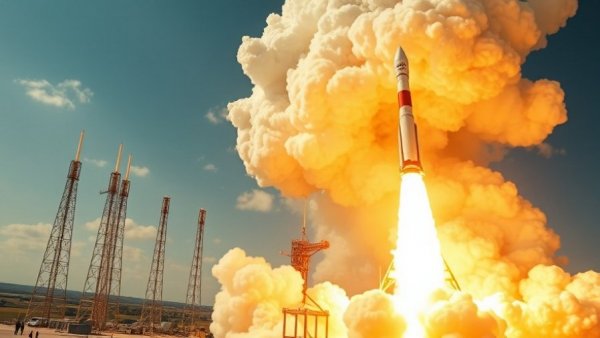
NASA's Artemis II rocket launched with grand ambitions, aiming to return humans to the Moon and pave the way for future interplanetary travel. However, as the rocket ascended, researchers observed alterations in the ionosphere's usual patterns. They suggest this may have stemmed from the intense electromagnetic fields generated by the rocket during launch. While the long-term consequences of this disturbance remain unclear, it serves as a cautionary tale, signaling that the effects of space travel may not just be confined to outer space.
Why GPS Disturbances Matter to Louisiana Residents
In Louisiana, where many individuals—especially seniors—depend on GPS for navigation, the implications of such disturbances can be profound. Navigating the often complex roadways or finding their way to essential services like healthcare providers can become increasingly daunting without reliable GPS assistance. Many seniors lead active lives, connecting with friends and family or participating in local community events. When technology falters, that freedom can quickly turn to worry and frustration.
Moreover, Louisiana's diverse geography, ranging from urban hubs like New Orleans to more rural areas, means that reliable GPS systems are crucial for safe travel. In these areas, where local landmarks may not always be visible, the disruption of GPS technology can make a significant difference. For older adults, the loss of such a safety net can hinder their autonomy, as mobility is a key factor in maintaining their social connections and overall well-being.
Future Predictions for GPS Technology
Looking ahead, researchers are delving into the implications of these findings. As NASA expands its initiatives in space exploration, they aim to understand how future launches could be managed to mitigate atmospheric disturbances. This research might lead to technological advancements that could reduce GPS errors and improve navigation systems for everyone, particularly older adults who require dependable assistance for their daily travels.
Innovations in GPS technology, such as enhanced signal processing or alternate communication methods, could further alleviate the burden on senior users who increasingly navigate life with the help of smartphones and other devices. Researchers are exploring various avenues that could provide backup navigation methods, acting as a safeguard against such atmospheric disruptions. It's essential that ongoing collaboration between space scientists and technology developers takes place to ensure that advancements in space do not come at the cost of reliability on Earth.
Emotional Reactions to Technological Reliance
It is important to recognize the emotional impact that disruptions in technology can have on older adults. Many people have cultivated a relationship with their GPS and navigation devices, which provide not only guidance but also a sense of security and independence. Imagine an elder who relies on GPS to visit family or medical appointments feeling utterly disoriented due to signal loss. Such scenarios highlight the human aspect of technological disruptions, bridging the gap between what occurs in the atmosphere and its real-life implications.
Understanding these dynamics also invites greater empathy for those experiencing anxiety over technology failures. The relationship many seniors have with their navigational tools is deeply intertwined with their daily routines, and disruptions can feel destabilizing. As communities, it is vital to foster conversations regarding these technological interdependencies, encouraging both awareness and resilience among seniors.
Conclusion: A Call for Awareness and Communication
As NASA continues to explore the cosmos, the onus falls on scientists, engineers, and policy-makers to communicate how these exciting advancements may affect daily life here on Earth. For residents, especially seniors in Louisiana, it's crucial to stay informed and adapt as technology evolves. Educating ourselves about these impacts not only helps us navigate our surroundings safely but also allows us to engage confidently with the world around us.
In conclusion, as we look to the skies with wonder, we must also pay heed to how these extraordinary happenings might touch our lives in the most ordinary ways. Let's pave the way for a more informed and equipped community, capable of turning even the unexpected challenges posed by our technological landscape into opportunities for resilience and growth. Just as space exploration continues to push boundaries, so too must we enhance our understanding of everyday technology, helping to ensure that those who rely on it can navigate their lives with confidence and ease.





Write A Comment