Add Row
Add Element
Add Element
UPDATE
Add Element
  • update
  • update
  • update
  • update
  • update
  • update
  • update
  • Home
  • Categories
    • Health
    • Money
    • Lifestyle
    • Travel
    • Entertainment
    • Louisiana News
    • Jobs and Careers
    • Featured
September 09.2025
3 Minutes Read

Transforming Panic into Purpose: The Bell Project's Journey to Inspire Cancer Patients

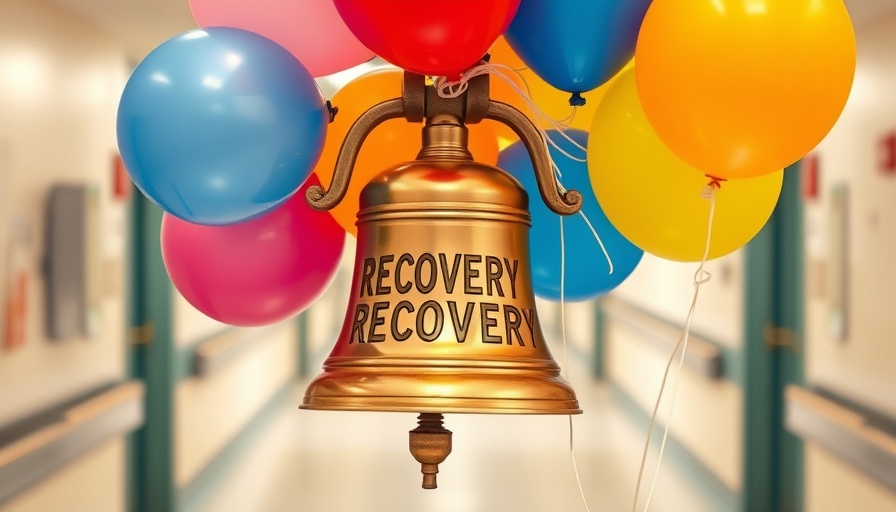
Hope for cancer patients celebrated with bell and balloons.

From Chaos to Hope: The Bell Project's Origins

In the face of despair, Belle Spar, a student at Tulane University, transformed a personal crisis into a beacon of hope. Her journey began with her mother’s devastating cancer diagnosis, a moment that instilled a deep sense of fear in the young student. Rather than allowing this fear to consume her, Belle took action, channeling her energy into a project that aims to uplift others grappling with similar fears.

Inspired by the symbolic act of ringing a bell—a tradition often used to signify the end of treatment—Belle founded her nonprofit organization. To date, she has successfully donated over 130 bells to cancer treatment centers across the nation, offering a glimmer of hope and a tangible reminder for patients that they are not alone. This story reflects how personal adversity can lead to collective healing, fostering a community of support among those facing similar challenges.

Creating Connections Through Community

Belle’s initiative resonates deeply with many, especially seniors and families who have been affected by cancer. The act of ringing the bell has become a profound ritual in treatment centers, fostering a sense of camaraderie and community among patients and their families. As Belle notes, each bell represents a story—a journey of struggle, perseverance, and ultimately, triumph over adversity.

Many seniors, who may be feeling isolated during treatment or struggling with the emotional toll of illness, find solace in such initiatives. It reminds them that support exists beyond their immediate circle. The bells serve as a centerpiece in treatment centers, creating a shared experience among patients, helping break the cycle of solitude often experienced during their battles with cancer.

Future Insights: Expanding the Impact

Looking ahead, Belle hopes to expand her project, exploring partnerships with more healthcare providers and integrating educational workshops that focus on the emotional aspects of battling cancer. These workshops would not only encompass the physical challenges of illness but also emphasize mental well-being, which is often sidelined in conventional treatment narratives.

Involving local artists or students could add an enriching layer to her project, creating custom-designed bells that resonate with personal stories. This unique touch could enhance the emotional connection for patients and families alike, enriching the shared experience even further.

The Ripple Effect: Benefits of Supporting Such Initiatives

The inspirational momentum behind Belle's initiative offers broad benefits to the community. Firstly, it encourages volunteer engagement, motivating others to partake in altruistic endeavors that can uplift the spirits of those facing tough times. Additionally, initiatives like these foster a stronger support network among cancer patients and their caregivers, which is crucial for healing and emotional resilience.

Moreover, by highlighting the importance of both mental and physical health, Belle’s initiative could pave the way for broader conversations about holistic health. This can encourage seniors and others to seek both medical treatment and emotional support, creating a health-oriented community that values overall well-being.

Empowering Through Awareness: How to Get Involved

For those looking to contribute to Belle's mission, several opportunities exist. From donating directly to her nonprofit to helping spread awareness through social media, every little bit can further the reach of the project. Engaging in community efforts that emphasize health and wellness is a powerful way to contribute to the well-being of oneself and others.

Seniors and community members can participate in fundraising events or awareness campaigns, echoing the vital message that together, we can support one another through adversities like cancer. Foundations that prioritize such causes are also emerging, making it easier for individuals to contribute to meaningful change.

Conclusion: Transforming Life's Challenges into Opportunities

Belle Spar’s story of courage and compassion serves as a profound reminder of the impact that one individual can have on countless lives. By turning panic into purpose, she has not only provided hope to cancer patients but has also inspired others to take action in their communities.

As we reflect on Bell’s journey, let it motivate us to create our own ripples of positivity. By supporting initiatives that promote healing and solidarity, especially within vulnerable communities, we help cultivate an environment where health and well-being thrive. So, consider how you might contribute—whether it’s volunteering your time, donating resources, or simply passing on the message of hope.

Health

23 Views

Write A Comment

*
*
Related Posts All Posts
02.21.2026

Louisiana's New SNAP Restrictions: Healthier Choices or Unfair Limits?

Update New SNAP Restrictions: What Louisiana Residents Can and Can't Buy The recent prohibition of candy, soda, and energy drinks from purchases made with Supplemental Nutrition Assistance Program (SNAP) benefits in Louisiana represents a fundamental shift in the way nutritional guidelines are applied in the state. This new measure, effective from Ash Wednesday, aims to address pressing health issues such as diabetes and obesity, which are rampant in Louisiana. By encouraging SNAP recipients to focus on healthier food choices, advocates hope to foster better diet choices among a population that often struggles with access to nutritious foods. Community Reactions: Mixed Feelings At local grocery stores, the response has been palpable. Many customers express frustration over their inability to purchase the treats they've enjoyed for years. Employees at Banks Meat Market, witnessing firsthand the impact of the new SNAP restrictions, often confront disappointed shoppers at the register. Mohammad Ayyad, an employee at the store, has noted declines in sales of soft drinks and snacks that were previously popular among SNAP users. While some welcome the aim of promoting healthier options, many believe the changes could hurt families who are already facing significant food accessibility challenges. Health Goals Vs. Accessibility Dr. Jennifer Avegno, New Orleans’ Deputy Mayor for Health and Human Services, stresses that merely implementing restrictions isn’t enough. Families often face difficulties accessing fresh, healthy food options, and these barriers need to be addressed concurrently if the health outcomes in the community are to improve. Similarly, critical voices like Dafnee Chatman of the Save the Children Action Network echo concerns that the legislation may stigmatize SNAP recipients. "You’re essentially saying to individuals that they can’t be trusted to make their own choices," she argues. This speaks to a more significant dilemma in public health: how to effectively close the gap between awareness and action when it comes to nutrition. Revised Priorities: The Role of Other Sugary Products The SNAP restrictions may seem straightforward, but they raise complex questions about which items remain eligible. Interestingly, not all sugary snacks are banned; for example, many granola bars and Little Debbie snack cakes can still be purchased with SNAP benefits. This disparity highlights a potential inconsistency that could confuse shoppers about what is deemed nutritious. Bridging the Gap: Community Initiatives As part of the overarching effort to improve public health, the Louisiana Carrot Initiative offers a promising avenue for SNAP recipients, providing financial incentives to purchase fresh produce. For each dollar spent on qualifying items, participants receive a 30-cent bonus, striving to instill better eating habits. This initiative, along with the SNAP restrictions, reflects a dual approach. While the goal is to shift consumer behavior towards healthier choices, the success of these programs will largely depend on ensuring that all families have access to fresh produce in the first place. Looking Ahead: Embracing Change for Better Health In the long run, a significant focus should be placed not just on restricting certain products but also on broadening access to healthier alternatives. Engaging local farmers, supporting community gardens, and improving transportation options to grocery stores carrying fresh foods are all critical components of a well-rounded public health strategy. Ultimately, as Louisiana implements these new SNAP restrictions, it's vital for community leaders, lawmakers, and residents to work collaboratively towards creating a healthier environment where everyone has the necessary tools available to thrive. For seniors like many living in Louisiana who may rely on SNAP benefits, staying informed about these changes and exploring community resources for healthy options can empower them to make better choices moving forward. To explore enrollment options for SNAP benefits and learn more about community initiatives supporting healthy eating, reach out to local health departments or visit official state resources.

02.21.2026

Mardi Gras Aftereffects: Flu Spike Alerts for Seniors

Update The Mardi Gras Aftermath: A Cautionary Tale for Seniors Mardi Gras is a time of joyous celebration, vibrant parades, and communal gatherings in Louisiana. But as the celebrations wind down, a less festive reality begins to unfold—an alarming uptick in flu cases following large gatherings. For seniors, the aftermath of Mardi Gras can be more than just feeling sluggish; it can signal a higher risk of serious illness from viral infections. The Current Flu Landscape in Louisiana According to the Centers for Disease Control and Prevention (CDC), Louisiana has experienced one of the highest levels of flu activity in the nation since November. As festivities occur, public health officials are all the more concerned about the increasing cases reported. With 40 flu-related deaths in the state, health experts emphasize the importance of preventive measures, especially among vulnerable populations such as seniors. Understanding Flu Transmission Risks Mardi Gras events create the perfect storm for flu and other viral infections due to crowded conditions, shared drinks, and a general disregard for hygiene practices amid the excitement. Kelly Baquet, a nurse practitioner at The Clinic NOLA, points out that respiratory viruses thrive in such environments. “When we gather in close quarters, the risk of transmission increases significantly,” she states, adding that these patterns are seen year after year. Take Precaution: Where to Begin? While the festive spirit should remain high, it's crucial to instill good health practices. Seniors are particularly encouraged to: Wash hands frequently with soap and water Maintain social distance, especially in crowded or enclosed spaces If feeling unwell, prioritize staying home or wearing a mask to protect others Seek medical assistance promptly if flu symptoms develop, ideally within the first 24 to 48 hours for better outcomes with antiviral medications Dr. Mark Laperouse from Our Lady of the Lake recommends that anyone experiencing symptoms such as fever, cough, or fatigue should get tested early to determine if it is influenza, COVID-19, or another infection. What if You're Already Feeling Unwell? The term “post-Mardi Gras blues” has taken on a new meaning. Many parade-goers experience exhaustion and illness after the festivities end, much like Brittany Nicholas, who shared her journey of recovery amidst laryngitis and fatigue. However, the symptoms could extend beyond typical tiredness, presenting actual health risks amid the ongoing flu season. As a senior, understanding the difference between feeling tired and the early signs of flu can be vital for health preservation. Future Event Precautions: New Orleans on the Horizon With upcoming events like the French Quarter Festival and the New Orleans Jazz & Heritage Festival, maintaining vigilance is key for seniors planning to attend large gatherings. Health officials again highlight the importance of vaccinations—as flu shots can dramatically reduce the severity of illness and additionally encourage loved ones to do the same. The next few months could be the perfect time to check vaccine statuses, grab some hand sanitizer, and develop a personal plan for socializing safely. The Human Cost of Ignoring Symptoms The reality of Mardi Gras can be a contradiction—celebratory on one hand, yet precarious concerning health on the other. Ignoring symptoms or pushing through illness can lead seniors to face unforeseen complications. Keeping a watchful eye on oneself and loved ones ensures everyone can cherish the memories without facing the consequences later on. Finding balance in festive enjoyment and health caution cannot be overstated. Community and Family Care: Support Matters In Louisiana, the communal spirit is incredibly vital; helping each other stay healthy is an extension of togetherness. Seniors should feel empowered to ask family members to help them navigate crowds or even to shop for essentials during high-risk seasons. Advise older relatives to lean on community resources or health programs available locally. Let's Be Proactive: Staying Healthy Beyond the Celebrations As loyal participants of Mardi Gras and similar events, Louisiana's seniors have a unique connection to their culture. However, it’s essential to keep health at the forefront. Preparing appropriately for festive gatherings — whether that means planning hydration breaks, resting more, or reducing overcrowded participation — can make all the difference. Together, we can ensure that Mardi Gras remains a time of joy rather than a health risk.

02.21.2026

CVS Pharmacy's $45M Settlement: Impacts on Louisiana Seniors

Update CVS Pharmacy's $45M Settlement: A Closer Look In a significant development for senior citizens in Louisiana and across the country, CVS Pharmacy has agreed to a $45 million settlement to resolve three lawsuits that alleged overbilling practices concerning Medicare and Medicaid. This settlement is a stark reminder of the importance of transparency and integrity in healthcare, particularly for our most vulnerable populations, including seniors. Understanding the Allegations The lawsuits brought forth concerns that between 2010 and 2020, CVS engaged in practices that intentionally misrepresented the quantity and timing of prescriptions filled, specifically for insulin pens. This improper billing not only resulted in financial loss for government healthcare programs but also potentially affected patient care. Pharmacies play a crucial role in the health of individuals, especially seniors who depend on regular medications. When pharmacies like CVS overfill or alter prescriptions without justification, it can lead to patients having excess medication that they do not need, risking their health and safety. Implications for Seniors on Medicare and Medicaid With many seniors enrolled in Medicare or Medicaid, this settlement could have widespread implications for how these groups interact with pharmacies in the future. It raises pressing questions about the oversight of pharmaceutical practices and the protections in place for older adults who may be subjected to unnecessary prescriptions. The Broader Context: Historical Precedent This settlement isn't the first time CVS has faced allegations of improper billing. A previous case saw CVS agreeing to pay a substantial $37.8 million to settle claims of false overbilling involving government health care programs. The repeated occurrence of such settlements calls into question the regulatory frameworks protecting our healthcare systems. Future Trends: Protecting Patients As the legal landscape continues to evolve, there is hope for enhanced protections for seniors. Regulatory bodies may ramp up checks and balances within pharmacies to ensure compliance with ethical medication dispensing. The outcomes from cases like this push the dialogue further toward stronger accountability in healthcare, particularly relevant for seniors relying on these systems. What Can Seniors Do? Seniors and their families should remain vigilant about the prescriptions they receive. Understanding the medications prescribed and questioning any changes in routine can help safeguard against potential overprescriptions. It’s essential for patients to communicate openly with their healthcare providers about their medication needs to foster safe and effective treatment plans. Community Response and Support The CVS settlement is an essential reminder for all members of the community to advocate for transparency in healthcare practices. By staying informed, seniors in Louisiana can engage actively with local healthcare initiatives aiming to protect their rights and ensure their health needs are met effectively. Conclusion: The Path Forward As CVS takes steps to resolve these allegations, it’s vital for seniors to be aware of their rights regarding medication and pharmacy interactions. Knowledge is power, and seniors need to feel empowered to seek out the best care by understanding the operational practices of the pharmacies they trust. Ultimately, it is our duty to advocate for a healthcare system that prioritizes the welfare of our seniors. Continuous dialogue, alongside community support, can pave the way for better practices in pharmacy care.

Terms of Service

Privacy Policy

Core Modal Title

Sorry, no results found

You Might Find These Articles Interesting

T
Please Check Your Email
We Will Be Following Up Shortly
*
*
*