

How Language Shapes Our Lives Post-60s
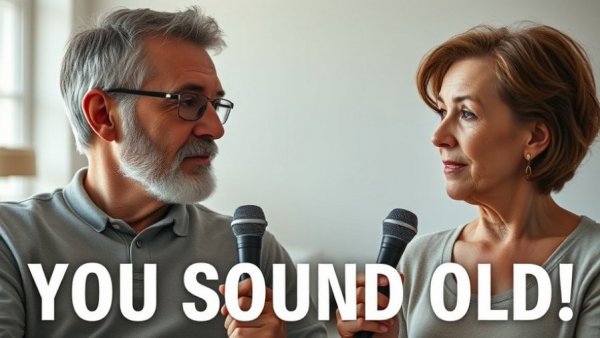
In a recent video titled 7 Phrases We Stopped Saying After 60 (And Why You Should Too), presenters Mark and Jody delve into an often overlooked aspect of aging: the profound impact of the language we use about ourselves. They highlight seven specific phrases that, once said frequently, might not just age us in spirit but could contribute to a decline in our overall quality of life. This concept resonates especially with retirees in Louisiana, where community involvement and active participation can greatly enrich one’s life.
In 7 Phrases We Stopped Saying After 60, the discussion dives into how our language influences our aging process, and we’re breaking down its key ideas while adding our own perspective.
Understanding the Importance of Positive Self-Talk
Research from Yale University studied over 660 participants aged 50 and above for two decades, uncovering that those who maintained a positive dialogue about their lives lived an average of 7.5 years longer than their less optimistic counterparts. This statistic serves as a stark reminder that our self-talk is more than mere words; it transforms into our lived reality. When you start framing your dialogue negatively — such as stating "I used to do this" — you set a precedent that can isolate you and hinder your desire to engage in new experiences. In a state like Louisiana, where social connections are vital, this kind of language can alienate you from loved ones and community events.
Words Carry Weight: Reinventing Your Narrative
The presenters identify phrases like "I'm too old for that" as not just limiting beliefs but as veils for deeper fears. By perceiving oneself as too old to try new ventures—be it learning a new skill, joining a club, or even pursuing physical fitness—you risk retreating into self-imposed limitations. Instead of succumbing to fear, seniors are encouraged to reinterpret these statements as invitations to grow and learn, a perspective that keeps their social lives and mental health robust. For example, instead of rejecting an invitation to join a new painting class because of perceived age limitations, reconsidering it as a chance to explore a long-neglected hobby can open doors to friendship and creativity.
From Someday to Now: The Perils of Procrastination
The phrase "someday" often morphs into procrastination, enabling dreams and plans to slumber indefinitely. Mark and Jody encourage a shift away from this elusive term, arguing that replacing it with specific time frames (like "next Tuesday") fosters accountability and actual action. The presenters share personal anecdotes of their struggles to get moving in the gym, ultimately reinforcing that if they can persist despite their initial challenges, so can others. This is especially useful for Louisiana retirees looking to engage in outdoor activities, such as kayaking or fishing, where simply replacing "someday" with "this weekend" can motivate participation.
Retirement Drift: The Dangers of Too Much Free Time
Another insight from the video is the notion of "retirement drift," a term used to describe how retirees can slide into days filled with unstructured time, leading to unfulfilled lives. Instead, they advocate for embracing life's new chapter with intention and vigor. The personalized morning rituals that both Mark and Jody champion reflect the importance of structure in fostering productivity and joy in retirement years. For retirees in communities across Louisiana, establishing daily habits can help break the cycle of drift, enabling them to participate in local events, volunteer, or even take up gardening—all fulfilling pursuits that foster connections with others.
The Mind-Body Connection: Breaking the Cycle of Fatigue
A recurring sentiment among many retirees is a sense of constant fatigue, echoed through the expression "I'm just so tired today." Mark and Jody caution against this phrase, as continually repeating such negative assertions can inadvertently solidify their truth. Developing healthier habits—like a deliberate and nutritious diet—combined with regular physical activity can counter these feelings and invigorate a person's outlook on life. So instead of claiming fatigue, one might say, "I've accomplished my tasks for today; I’m ready to relax," creating a more empowering narrative. This can be especially useful for people in warm climates like Louisiana, where outdoor activity can boost energy levels, especially when balanced with proper hydration and nutrition.
Facing the Aging Process with Positivity
As Mark and Jody conclude their discussion, they pose reflective questions about the mindset toward aging. They stress that age is just a number; a viewpoint echoed by many experts in gerontology who argue that with advancements in healthcare, individuals can maintain high energy and vitality well into their 70s and beyond. Instead of relegating themselves to outdated stereotypes, retirees should embrace the motto: "I am as young as I feel, and I will approach every opportunity with enthusiasm!" This positive mindset can significantly alter how retirees in Louisiana view their golden years, encouraging them to explore new avenues for enjoyment and fulfillment.
In light of these insights from the 7 Phrases We Stopped Saying After 60 video, retirees, especially those in Louisiana, can benefit immensely from adopting a proactive approach to language and thought. This perspective shift can not only pave the way for a more fulfilling retirement but significantly enhance the quality of life. Becoming actively engaged in community events, trying new activities, and forming new relationships are all ways that retirees can transcend the limitations of age, ensuring their later years are vibrant and meaningful. In a state known for its rich culture and community spirit, taking these steps can lead to cherished experiences and lasting memories.




Write A Comment