


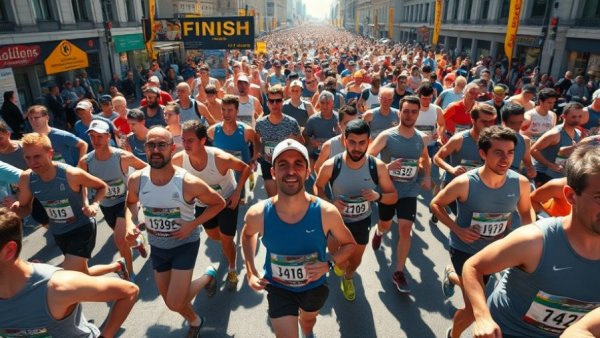
Heartbreaking News from the New York City Marathon
A tragic incident unfolded during the New York City Marathon, where a 24-year-old woman from Pennsylvania lost her life after collapsing just two miles away from the finish line. This was her first time participating in the event, and she was passionately raising funds for a charity that supports those living with Parkinson's disease. The event, which took place in a city renowned for its vibrant culture and enthusiasm around sporting events, turned somber as reports of her condition circulated—emphasizing the risks sometimes involved in strenuous athletic endeavors.
The Memory of a Young Philanthropist
While the details surrounding her collapse remain unclear, her journey leading up to the marathon highlights her dedication not just to physical fitness but also to philanthropic efforts. Friends and family described her as someone who lit up a room, a caring individual who sought to make a difference. She was known for her passion for helping others, often engaging in multiple charity runs in her community. This tragedy serves as a harrowing reminder of the fine line runners walk between ambition and health, particularly in high-stakes environments such as marathons, where thousands gather to challenge their limits.
Understanding the Risks Faced by Athletes
For older adults, the discussion around health during cardiovascular activities is particularly critical. The sudden loss of a young individual in an event that many seniors may consider taking part in can stir concerns. Heart problems, heat exhaustion, dehydration, and other medical emergencies can affect runners of all ages, and myriad factors—including pre-existing health conditions—often lie underneath these incidents. Older runners, especially, need to be aware of their specific health considerations and should partake in medical assessments before engaging in strenuous events. Moreover, as individuals age, their bodies undergo changes that may impact their endurance levels, making it essential to adopt a mindful approach.
Health Awareness: A Collective Responsibility
This incident sheds light on the importance of health awareness, particularly when participating in strenuous events. The need for medical personnel empowered to address emergencies during running events cannot be understated. Many marathons now incorporate extensive safety measures and medical teams stationed along the routes; however, there is still room for improvement in ensuring all participants are safe. Moreover, community support for charities focusing on health screenings and education can create a safer environment for runners and raise awareness of critical health issues. Participants and their supporters voice concerns about how preparation, training, and appropriate medical facilities need to be integral parts of any marathon or athletic event.
Insights from a Community in Mourning
The local community in Pennsylvania is mourning the loss of a promising individual who had just begun to make her mark through charity work. Friends and family are reflecting on her impactful spirit and vibrant contributions to causes in their area. It is a vivid reminder of the fragility of life and the importance of community engagement in health initiatives. Such events challenge us to guide conversations about fitness and health management within our local contexts. Older residents, in particular, can play a vital role in contributing to these discussions, sharing their stories, and showing support for younger generations through shared experiences.
Reflecting on the Impact of the Incident
This incident has reverberated through the marathon community and beyond, reminding participants that life can change in a moment. Awareness campaigns following the event aim to elevate discussions around athlete health and safety. For many older people in Louisiana, witnessing such events can incite a need for critical reflections on their health and fitness. It is vital to consider participation in running and similar activities, understanding one's body, and recognizing the importance of proper training, hydration, and medical support. It also emphasizes the necessity of leading a balanced lifestyle, inclusive of regular check-ups and heart health screenings, which can facilitate a longer, healthier life.
Take Action for Your Health
In light of this tragedy, let us advocate for health awareness and safety in athletic events. Engaging with local support groups can empower older adults to share their stories and experiences, helping to shape a culture of health and safety across the community. By championing the initiatives that promote fitness and health education—alongside fundamental medical resources—we can ensure such a heartbreaking loss does not happen in vain. Encouraging older adults to connect with fitness instructors or join community running clubs can provide both motivation and educational support, leading to healthier choices in their everyday lives.
In memory of the brave participants who embody the spirit of charity and sportsmanship, let us come together as a community to uplift each other and promote health awareness among all generations. By fostering a culture of caring and engagement within our communities, we can transform this tragedy into a motivation for improving health initiatives that ultimately benefit all. Only through collective action and a commitment to vigilance in health can we promote longevity and wellness for our loved ones and future generations.





Write A Comment