


Understanding the Texas Organ Donation Dispute
The recent organ donation dispute in Texas serves as a poignant reminder of the complexities surrounding health decisions, particularly during the holiday season. As families prepare for Thanksgiving, it's crucial to reflect not only on gratitude but also on the importance of discussing organ donation and end-of-life preferences with loved ones.
This case underscores the necessity for open conversations among family members about their wishes regarding organ donation. For many, the decision to become an organ donor is deeply personal and can evoke a range of emotions. Educational initiatives across Louisiana encourage individuals to register as donors, making sure that their voices are heard should the need arise. In a state that often leads the nation in transplant waiting lists, understanding and advocating for organ donation can truly save lives. It is essential for families to discuss their preferences, as these conversations can help clarify intentions and make difficult decisions somewhat easier during moments of crisis.
Moreover, it’s worth noting that many national and local organizations provide resources to help families navigate the organ donation process. Resources include pamphlets, community workshops, and online portals for easier registration. As citizens of Louisiana, being proactive about such life-saving measures not only benefits families but also strengthens our community's overall health and well-being.
Tips to Stay Healthy While Traveling
Holiday travel can bring joy, but it often comes with an increased risk of exposure to germs, especially for our senior community. To minimize illness during your travels, consider the following tips:
- Carry hand sanitizer: Keep a small bottle of hand sanitizer in your purse or pocket. Frequent hand washing is key to staying healthy. Use it especially after touching surfaces in public places.
- Avoid crowded places: Whenever possible, steer clear of over-crowded buses or airports, as they can harbor a multitude of germs. If you must be in a crowded area, consider wearing a mask to reduce your risk.
- Stay hydrated: Drink plenty of water. Staying hydrated helps maintain immune function, which is especially important as we age. Carrying a reusable water bottle can make this easier on the go.
- Wear comfortable clothing: Dress in layers so you can adjust to the temperature changes in different environments. This will help you feel comfortable and less stressed during your travels.
- Plan for meal breaks: Before traveling, think ahead about where you can stop for a healthy meal. Avoiding fast food and choosing wholesome options can help you feel better during and after your journey.
Implementing these strategies can make a significant difference in avoiding common travel-related illnesses and help ensure that your holiday season remains joyful and infection-free.
Safe Leftover Practices for Your Holiday Feast
After the Thanksgiving feast, leftovers can be a tempting and tasty option. However, it's vital to store them safely to avoid foodborne illnesses. Here are some suggestions for ensuring your delicious leftovers are safe to eat:
- Refrigerate leftovers promptly: Aim to refrigerate leftover food within two hours after cooking. This limits the time bacteria have to grow. If food is left out for more than two hours, it could become unsafe to eat.
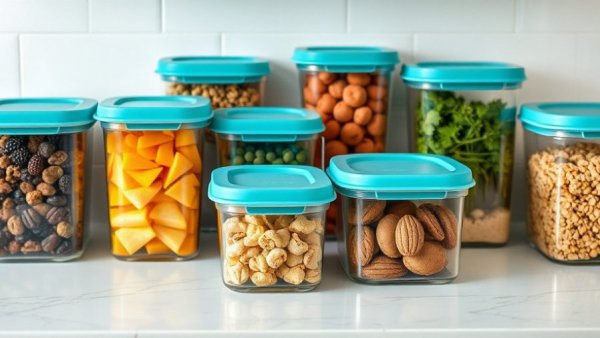
- Use airtight containers: Store leftovers in airtight containers to preserve freshness and prevent cross-contamination. This also keeps your fridge cleaner and reduces the chance of odors mixing.
- Label your leftovers: Writing dates on your containers will help you keep track of how long your food has been stored and reduce waste. It's easy to forget how long something has been in the fridge, so dates can be a useful reminder.
- Reheat thoroughly: When you're ready to enjoy those leftovers, make sure to reheat them to an internal temperature of 165°F to ensure they are safe to eat. Use a food thermometer if you have one.
Being mindful of food storage helps you enjoy your holiday leftovers without the worry of spoilage or illness. Not only does this practice contribute to your health, but it can also save you money by reducing food waste during this festive season.
The Benefits of Short Walks: A Simple Guide
Amid the hustle and bustle of the holiday season, taking time to step outside for a short walk can be incredibly beneficial for your mental and physical health. Here’s how short walks can help manage blood sugar and improve your mood:
- Blood sugar management: Short, regular walks can help regulate blood sugar levels, especially after meals. This is particularly helpful after indulging in those holiday treats, like pies and cakes, which are often loaded with sugar.
- Boosting mental clarity: A brisk walk can refresh your mind and help combat the stress that sometimes accompanies holiday planning. It has been shown to improve memory and cognitive function, important aspects as we age.
- Social interactions: Consider walking in groups with family or friends. This not only encourages physical activity but also strengthens social connections. The more you can incorporate loved ones into your walks, the more enjoyable they become.
- Enhancing mood: Physical activity releases endorphins, which can elevate your mood and reduce feelings of anxiety or depression. During a season that can be overwhelming, short walks can provide a much-needed boost.
Incorporating short walks into your routine can lead to a multitude of health benefits, proving that even small efforts can yield significant results. Try setting a timer for just 10 minutes each day to start; you may be surprised by the positive effects it has on your overall well-being.
Conclusion: Prioritize Your Health This Holiday Season
This Thanksgiving, as you gather with family and friends, take a moment to reflect on your health choices. Whether it’s discussing organ donation, staying healthy while traveling, safely storing your holiday leftovers, or taking short walks, every small step counts toward a happier and healthier lifestyle. By prioritizing these aspects, you not only care for yourself but also set an example for those around you, fostering a culture of health awareness in your family and community.
As you celebrate the joy of the season, remember that your health is the greatest gift you can give yourself and those you love. Embrace this holiday season with open discussions, proactive health measures, and the joy that comes from being present!





Write A Comment