


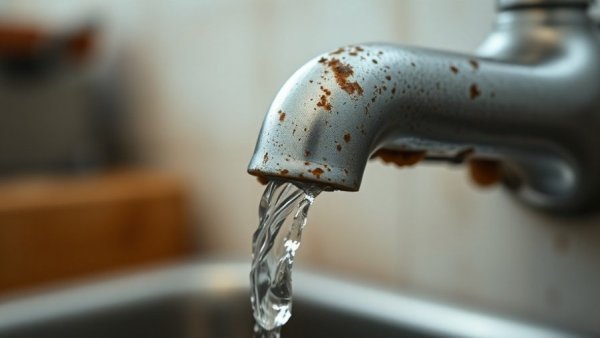
Understanding the Water Pressure Issues in New Orleans
In recent times, the issue of water pressure has escalated and affected neighborhoods across New Orleans, with senior residents facing the brunt of this challenge. Communities such as Broadmoor and Gentilly are now experiencing noticeable drops in water pressure. This has raised alarm bells, particularly for the elderly who rely heavily on consistent municipal water supply for their daily needs, including hydration, home maintenance, and hygiene.
The Impact on Daily Life for Seniors
Water pressure problems affect much more than just the ability to fill a bathtub or do laundry; for senior citizens, this issue can be quite serious. Many older adults have health requirements that mandate a reliable water supply. Whether it's for cooking, cleaning, or maintaining good hygiene, a drop in water pressure can lead to inconveniences that jeopardize not only comfort but also health and safety. The inability to access water for daily life might even lead to missed medication timings, as some health-related routines depend heavily on having sufficient water available.
Residents are understandably frustrated as they face restrictions on their daily activities. Simple tasks such as showering, washing hands, or preparing meals can become increasingly daunting when water pressure is unreliable. This not only impacts their immediate lifestyle but can also lead to long-term health risks, such as dehydration or infections from unclean conditions. Moreover, these challenges disproportionately affect seniors who may not have the same mobility or capacity to adapt as younger residents, making it vital to address these issues swiftly.
Historical Context: The Aging Infrastructure
The current water pressure challenges are symptomatic of a broader issue - the aging infrastructure of the city's water system. New Orleans has grappled with the need for modernized utilities for years, and many pipes date back several decades. Frequent repairs and inconsistent maintenance have compounded the problem, with residents often caught up in a cycle of disruptions. This aging infrastructure isn't just a technical challenge; it has deep-rooted implications for community trust in local government and common health standards.
Examining the historical context of New Orleans' water systems can be quite insightful. These systems were not built to accommodate the growing population and changing weather patterns effectively. With heavy rainfall and floods being common, any inefficiency in the water grid can quickly escalate, leading to issues like those currently being experienced. It's important to remember that the challenges with water pressure aren't isolated incidents; they reflect significant investment gaps and a history of deferred maintenance that many cities face.
Community Voices: What Seniors Are Saying
Seniors across New Orleans are expressing their concerns about these water issues. During a recent community meeting, many shared stories of how the water pressure affects their daily routines and well-being. One resident shared, "It’s frustrating not being able to trust that I can turn on my faucet and get water. At my age, I shouldn’t be worrying about clean water.” This sentiment is echoed by many others who feel that their basic needs are being compromised.
This sense of insecurity surrounding an essential resource lays bare the emotional impact of the situation, often weighing heavily on seniors who already face various health challenges. The worry about health implications related to poor water supply adds to the stress of everyday life, making it essential for local authorities to reassure and support their senior populations.
Actionable Steps Seniors Can Take
While the city continues to address these infrastructure issues, there are some proactive steps that seniors can take to mitigate the immediate impacts of low water pressure:
- Store Water: Keep several gallons of clean water stored at home for emergencies. Having a few containers filled can provide peace of mind as well as a temporary solution during low-pressure times.
- Stay Informed: Regularly check local news or community bulletins to stay updated on the progress of repairs. Many local stations and community centers provide information on water service notices, which can alert seniors to anticipated changes in service.
- Reach Out: Get in touch with local representatives to express concerns. Regular feedback can highlight issues that may otherwise be overlooked and advocate for better infrastructure funding. Joining local advocacy groups can amplify those voices.
- Connect with Neighbors: Maintaining close communication with neighbors can foster shared resources and emergency plans, which can be invaluable during times of low water pressure.
Future Insights: Hope on the Horizon?
As the city grapples with these pressing issues, there is hope on the horizon. Recent discussions among city officials indicate that there may be plans to invest in upgrading the water infrastructure. Enhancements in technological approaches and community-focused projects could significantly ease the pain many residents experience today.
For example, innovative solutions such as smart water management systems may come into play. These systems would help monitor water pressure in real time and allow for quicker responses to emerging issues. By integrating technology with infrastructure, the city can improve not only water management but also enhance communication with residents about the status of their services.
Conclusion: The Importance of Advocacy
In summary, while water pressure problems in New Orleans are a pressing concern for many, particularly for our senior citizens, taking steps to understand the root causes and actively participating in community discussions can foster positive change. Advocacy for better infrastructure is essential, and being informed can empower residents. Remember, every voice matters when it comes to our essential resources.
Stay tuned as we continue to provide updates on this situation and remember that informed citizens can be agents of change. Consider reaching out to your local representative today and participating in community meetings to share your experiences. Together, we can advocate for a future where clean and reliable water service is not just a hope but a guarantee for all residents.





Write A Comment