


Did you know that over 20% of Louisiana nursing home residents experience neglect or abuse—more than double the national average? If your loved one depends on a Louisiana nursing home for care, spotting the early signs of neglect could save their life. In this comprehensive guide, you’ll find the critical warning signs, legal standards, and decisive action steps necessary to protect your family from the often-hidden dangers of nursing home neglect in Louisiana . Learn how to recognize red flags, hold negligent facilities accountable, and demand the respect and care that every elder deserves.
The Alarming Reality of Nursing Home Neglect in Louisiana: Essential Facts & Statistics
"Over 20% of Louisiana nursing home residents experience at least one form of neglect or abuse, far surpassing the national average." – Louisiana Department of Health

Defining Nursing Home Neglect in Louisiana and Why It’s an Urgent Concern
Nursing home neglect in Louisiana means much more than missed medications or occasional untidiness. It encompasses a persistent failure by a care facility or staff member to meet the basic physical, emotional, or medical needs of elderly residents. Neglect can result from understaffing, lack of training, or outright disregard for resident safety and dignity. Unfortunately, Louisiana’s high rates of home negligence put thousands of vulnerable elders at risk each year, with the consequences ranging from emotional trauma to wrongful death .
The urgent concern arises because subtle forms of home neglect often go unnoticed. Whether it's a nursing home resident left isolated in their room, missed healthcare routines, or unsafe living environments, the risk is real and pressing. As the population ages and more families rely on nursing homes, understanding these red flags becomes an essential safeguard against elder abuse and home abuse. Recognizing when substandard care transitions into legal negligence or potential nursing home abuse is vital in defending the rights of your loved ones under Louisiana law.
Why Early Detection of Nursing Home Neglect in Louisiana Is Vital
-
Protecting loved ones from long-term harm
-
Preventing escalation to nursing home abuse or wrongful death
-
Ensuring accountability for Louisiana nursing homes
-
Activating protective services efficiently
The sooner you spot the warning signs of nursing home neglect in Louisiana , the greater your ability to intervene and prevent irreversible outcomes. Early action not only shields your family member from long-term damage but also triggers timely involvement from adult protective services and legal authorities. Taking immediate steps also sends a powerful message to Louisiana nursing homes that neglect and home abuse will not go unnoticed or unpunished.
Moreover, reporting suspected home negligence ensures that all incidents are officially documented, supporting later claims of nursing home negligence or even medical malpractice . This vigilance keeps facilities accountable and helps improve overall standards of care. In fact, most cases of wrongful death or catastrophic harm could have been prevented if red flags had been acknowledged and acted upon earlier, making awareness a literal lifesaver.
What You'll Learn: Key Insights on Nursing Home Neglect in Louisiana
-
How to identify physical, emotional, and environmental warning signs
-
Legal guidelines governing Louisiana nursing home neglect
-
Immediate steps to take when you suspect neglect or home negligence
-
How to leverage protective services and legal resources
By the end of this article, you’ll be empowered with the tools and knowledge to spot, address, and report nursing home neglect in Louisiana Whether dealing with a subtle case of emotional neglect or visible physical injuries, these expert-backed insights will enable you to protect your family and seek justice for mistreated nursing home residents .
Understanding the Types of Nursing Home Neglect in Louisiana
|
Type |
Signs |
|---|---|
|
Physical Neglect |
Bedsores, untreated infections, unexplained injuries |
|
Emotional Neglect |
Withdrawal, depression, sudden mood changes |
|
Basic Needs Neglect |
Poor hygiene, malnutrition, dehydration |
|
Medical Neglect |
Missed medications, inadequate pain management |
|
Environmental Neglect |
Unsafe premises, lack of cleanliness |

Nursing home neglect in Louisiana manifests in diverse forms, from unattended medical needs and ignored emotional distress to failing to provide essential daily care. Understanding these categories helps family members pinpoint if their loved one is receiving the comprehensive support they deserve. For example, persistent infections or poor hygiene may point to systemic nursing home negligence , while sudden mood changes could signal emotional neglect or elder abuse —each requiring a different approach for intervention.
Louisiana law recognizes that neglect can be active or passive. Whether abuse comes from deliberate malice, overloaded staff members, or institutional mismanagement, the impact on nursing home residents can be severe. Staying vigilant to these types of neglect ensures you respond proactively before the problem escalates into serious injuries, illnesses, or even wrongful death —all while supporting accountability within our state’s care facilities.
Physical and Emotional Warning Signs of Nursing Home Neglect in Louisiana
Common Red Flags of Nursing Home Neglect You Must Watch For
-
Unexplained bruises or injuries (possible home abuse or home negligence)
-
Frequent falls or fractures
-
Rapid weight loss or malnutrition
-
Chronic dehydration
-
Persistent infections or untreated sores
-
Sudden withdrawal or changes in behavior (potential elder abuse)
-
Fear of staff or other residents

Some of the clearest indicators of nursing home neglect in Louisiana are those you can see or sense. Physical signs such as unexplained bruises, cuts, or fractures often point to possible home abuse , improper supervision, or nursing home negligence . Similarly, sudden weight loss, ongoing dehydration, and untreated sores are urgent warnings that daily needs are not being met. These symptoms call for immediate intervention and professional evaluation by a healthcare provider.
Emotional and psychological cues are equally alarming. If a nursing home resident suddenly appears anxious, withdrawn, or fearful, this could indicate ongoing home neglect or elder abuse . A once-friendly loved one who now seems depressed or avoids staff members might be reacting to poor treatment, neglect, or even abuse behind closed doors. In every case, documenting these changes and investigating promptly is essential.
Environmental and Institutional Signs of Negligence in Louisiana Nursing Homes
-
Dirty or hazardous living conditions
-
Broken furniture or faulty safety features
-
Medication errors or missing medical records (medical malpractice risk)
-
Inadequate staffing levels
-
Ignored call buttons or requests for help
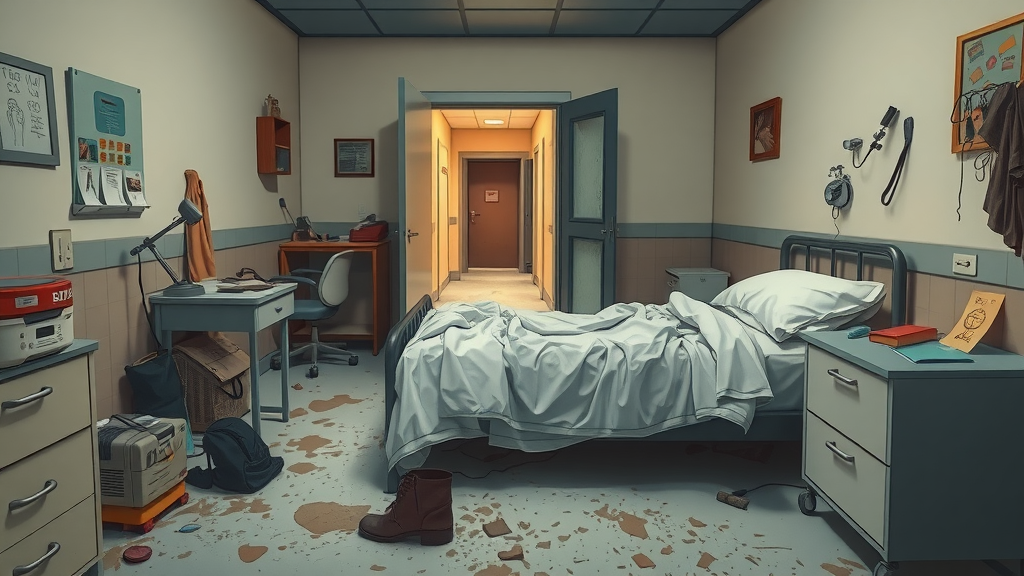
Environmental cues often serve as silent alarms for deeper issues inside a Louisiana nursing home. Filthy surroundings, cluttered or dangerous halls, and malfunctioning safety devices are not only violations of state health codes, but can also pose immediate dangers—such as falls or infection risk. These red flags may indicate mismanagement, chronic understaffing, or a culture of cutting corners, each of which exacerbates nursing home neglect.
Institutional neglect can become evident through medication administration errors, lack of proper documentation, or recurring staff shortages—factors known to enable both nursing home negligence and medical malpractice . If requests for assistance go ignored or residents are left alone for extended periods, urgent action is required. Families should feel empowered to report these conditions directly to the relevant authorities and seek help from an experienced abuse attorney if necessary.
The Legal Landscape: Louisiana Nursing Home Regulations and Standards
What is Considered Negligence in a Nursing Home in Louisiana?
Defined under Louisiana law, nursing home negligence occurs when a facility or staff member fails to provide the reasonable standard of care that a similarly situated community would. Negligence incorporates both acts and omissions—so not providing food, water, medication, safety measures, or emotional support can all qualify as home negligence or nursing home abuse . The state of Louisiana has clear regulations regarding staffing, reporting requirements, and care protocols, making it legally actionable when these are breached.
In practical terms, proving nursing home neglect in Louisiana often involves demonstrating a pattern of disregard or chronic failure to adhere to accepted standards of care—through staff negligence, poor facility management, or lack of necessary resources. Families may seek damages through personal injury or wrongful death actions, especially when the neglect leads to serious harm. Consulting a dedicated abuse attorney or home abuse lawyer is the best way to understand your rights and options under state law.
Common Causes of Nursing Home Neglect and Abuse in Louisiana
-
Understaffed or untrained personnel
-
Negligent supervision by management
-
Lack of resources due to mismanagement or cost-cutting
-
Failure to follow care plans and state regulations
-
Ineffective reporting or response to complaints
One of the leading drivers of nursing home neglect in Louisiana is chronic understaffing—a problem frequently reported in both large and small care facilities . When there are too few or inadequately trained staff members, essential needs go unmet, and the risk of both obvious neglect and hidden home abuse rises. Mismanagement and cost-cutting measures by facility operators can lead to outdated equipment, insufficient supplies, and an overall decline in safety standards, worsening the risk for vulnerable residents.
Another common cause is the disconnect between administrative supervision and direct-care staff. When management fails to enforce accountability, neglect can become normalized. Complaints may be ignored, and patterns of substandard care can continue unchecked, enabling both home negligence and serious situations that may result in wrongful death . Regular monitoring and prompt reporting are essential in stopping these dangerous cycles and ensuring safety for your family member in any Louisiana nursing home.
The Five-Year Rule: Financial and Legal Considerations in Louisiana Nursing Homes
What is the 5 Year Rule for Nursing Homes in Louisiana?
The so-called “Five-Year Rule” is a Medicaid regulation that affects financial eligibility for long-term care in Louisiana nursing homes. It stipulates that financial gifts or asset transfers made within five years prior to a Medicaid application can result in a period of ineligibility for nursing home coverage. This rule is designed to prevent families from transferring assets solely to become eligible for Medicaid-paid care and is strictly enforced under Louisiana law.
Families considering future placement in a Medicaid-certified facility must plan finances carefully and consult a qualified attorney. Violating the Five-Year Rule can delay vital care, and misunderstanding this regulation could leave your loved one without access to proper assisted living or nursing homes . If you believe financial exploitation is part of your loved one’s nursing home neglect in Louisiana experience, this may also trigger both Medicaid fraud investigations and Civil actions for home abuse or home negligence .
How to Report Nursing Home Neglect in Louisiana: Steps for Families
Reporting Nursing Home Neglect to Protective Services and Legal Authorities
-
Document signs of nursing home neglect or abuse (photos, notes, witness statements)
-
File a formal complaint with Louisiana Adult Protective Services
-
Contact the Louisiana Department of Health’s Health Standards Section
-
Engage a nursing home abuse attorney for legal support

How to report nursing home neglect in Louisiana?
Begin by thoroughly documenting all signs of neglect or home abuse , including clear photographs, dated notes, and statements from other home residents or witnesses. Next, file a formal complaint with Louisiana Adult Protective Services (APS) . APS will investigate and take protective action when required, especially for vulnerable adults in assisted living facilities and nursing homes .
You should also contact the Louisiana Department of Health (LDH) Health Standards Section , which monitors licensing and compliance for all louisiana nursing homes . When the signs point to potential criminal acts, or you are not satisfied with the state’s response, consult a specialized abuse attorney —such as a law firm with expertise in nursing home abuse , medical malpractice , or wrongful death . Legal professionals advocate fiercely for victims and their families, ensuring your loved ones’ rights are upheld.
What Is Considered Neglect in Louisiana? Legal Definitions & Implications
Under Louisiana law, “neglect” is defined as the failure—intentional or unintentional—to provide food, shelter, health care, or protection, resulting in harm or the threat of harm to an elder or disabled adult. In the context of nursing home neglect in Louisiana , this includes not only blatant cases of home abuse , but also the gradual impact of being deprived of clean living conditions, adequate supervision, necessary medical treatment, or emotional support.
These legal definitions give families recourse to file complaints, pursue damages for personal injury , or even initiate wrongful death actions when neglect results in fatality. If you suspect your loved one has suffered from nursing home negligence , it is crucial to take immediate, documented action. Not only does this protect your rights under Louisiana law , but it may also prevent further tragedy for other vulnerable residents in the state’s nursing homes .
Consequences of Nursing Home Neglect in Louisiana: From Injury to Wrongful Death
When Nursing Home Neglect Leads to Wrongful Death
"Neglect can escalate to fatal consequences if left unaddressed, leading families to pursue wrongful death lawsuits against Louisiana nursing homes." – Legal Advocate
The most tragic outcome of nursing home neglect in Louisiana is the loss of life. When preventable conditions—such as bedsores, untreated infections, or chronic malnutrition—lead to fatal results, families may seek justice through a wrongful death lawsuit. These actions can hold negligent facilities accountable, provide compensation, and drive systemic change within the Louisiana long-term care industry.
Serious injuries short of fatality can have lifelong costs: worsened disabilities, psychological trauma, and extensive medical bills. Under both Louisiana law and federal regulations, victims (or their estates) have the right to compensation not only for direct costs but also for pain, suffering, and loss of companionship. If you believe a loved one’s death or severe injury was caused by neglect, consulting an experienced abuse attorney or law firm is essential for justice.
Protective Services and Legal Options for Loved Ones in Louisiana
-
Adult Protective Services interventions
-
Filing nursing home neglect or nursing home abuse lawsuits
-
Consulting with a dedicated abuse attorney
-
Pursuing claims for home negligence or medical malpractice
Louisiana’s Adult Protective Services is tasked with intervening when a nursing home resident faces immediate danger. Their role is crucial in both stopping ongoing home abuse and arranging safer placement. For ongoing or systemic cases of nursing home neglect in Louisiana , legal remedies may be required—from personal injury suits for physical harm to wrongful death and even medical malpractice claims when clinical standards are breached.
Victims and their families should meet promptly with an abuse attorney who specializes in nursing home negligence and elder abuse . These professionals bring experience in navigating regulatory filings, insurance negotiations, and litigation—ensuring that nursing homes or assisted living facilities are held responsible for harm caused by substandard care. Don’t hesitate to pursue the full spectrum of legal and protective strategies available to keep your loved ones safe.
Practical Checklist: What to Do if You Suspect Nursing Home Neglect in Louisiana
-
Document all observed evidence
-
Communicate concerns directly with nursing home administration
-
Report issues to appropriate state agencies
-
Seek medical assessments for your loved one
-
Consult with legal experts specializing in nursing home negligence
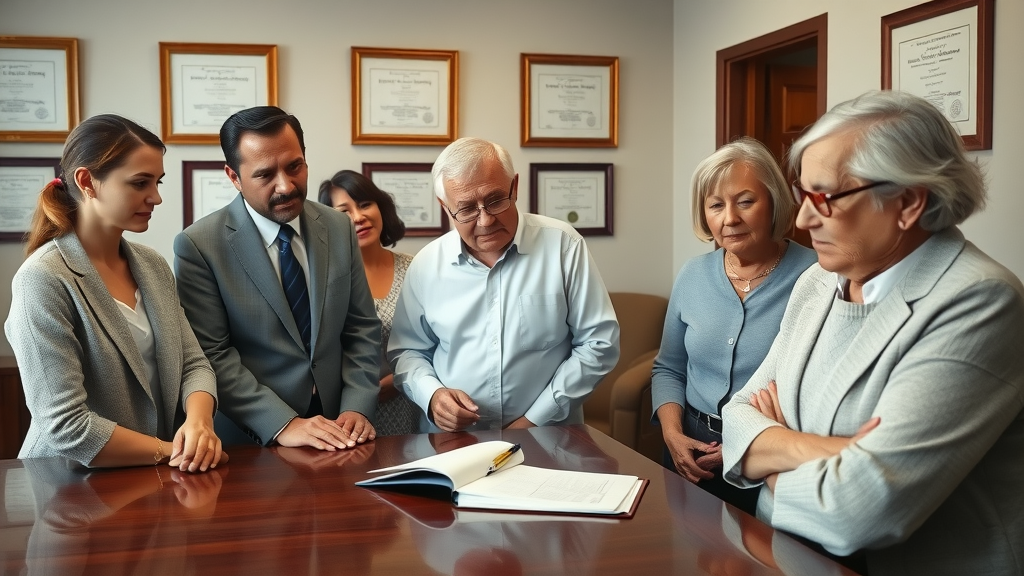
Taking immediate, systematic action is your strongest safeguard against worsening nursing home neglect in Louisiana . Begin by collecting detailed evidence, including photos, written descriptions, and accounts from other residents or staff members. Speak directly with nursing home leadership to address concerns and request a written response outlining corrective measures.
If issues persist, or you suspect the negligence is severe, report the matter to Adult Protective Services , the Louisiana Department of Health , or law enforcement, as appropriate. A licensed physician should perform an independent examination to assess your loved one’s health and document any abuse or home neglect . Finally, seek out a reputable law firm or nursing home abuse lawyer familiar with Louisiana regulations—they can coordinate with authorities and help secure both interim protection and long-term remediation.
Illustrative Case Studies: Louisiana Nursing Home Neglect in Real Life
-
Case 1: Ignored bedsores leading to fatal infection
-
Case 2: Emotional neglect causing rapid psychological decline
-
Case 3: Medication administration errors and adverse outcomes
These real-life situations demonstrate that nursing home neglect in Louisiana is not theoretical. In one Baton Rouge incident, an unattended bedsore became infected and led to sepsis—a preventable tragedy that ended in wrongful death . Another case saw a resident rapidly deteriorate due to isolation and lack of emotional engagement, compelling family members to relocate and file a claim for home neglect . Medication mix-ups, often from understaffing or poor supervision, have resulted in hospitalizations and lasting harm, exposing gaps in compliance with state and federal guidelines.
These examples underscore why families must watch for both visible injuries and subtle declines in mood, weight, or clarity. Every sign of home negligence matters—report it early and consult professionals without delay. Lives may depend on your vigilance and courage to act.
Frequently Asked Questions about Nursing Home Neglect in Louisiana
-
Who is most at risk for nursing home abuse or neglect in Louisiana? Elderly individuals with cognitive impairments, physical disabilities, or limited family support face the greatest risk. Those with dementia or who are unable to communicate effectively are particularly vulnerable to both abuse and neglect in Louisiana nursing homes.
-
How can I verify the complaint history of a Louisiana nursing home? Review public inspection reports via the Louisiana Department of Health or Medicare’s Care Compare tool. This documentation provides important insights into past violations, substantiated complaints, and the overall quality standards maintained by the nursing home.
-
What compensation is available for victims of nursing home negligence? Victims may recover damages for medical bills, pain and suffering, and, in fatal cases, wrongful death compensation. Louisiana law provides pathways for victims and their families to seek justice and financial redress through both settlement and jury trial.
Empowering Families: Resources and Best Practices for Preventing Nursing Home Neglect
-
Visit frequently and unannounced
-
Engage with staff and management about care plans
-
Educate yourself on residents’ rights and Louisiana regulations
-
Keep detailed records of all concerns or incidents
-
Join or form family councils for collective advocacy
Preventing nursing home neglect in Louisiana requires both vigilance and collaboration. Frequent, unscheduled visits put staff on notice that families are engaged, while building relationships with caregivers and administrators supports open communication. Keeping thorough records of interactions and incidents can prove invaluable if official complaints or legal actions become necessary.
Empower yourself further by joining family advocacy councils and participating in community watchdog activities. The more involved you are, the better protected your loved one will be from nursing home negligence or home abuse . Remember—proactive families are a powerful deterrent to substandard care in any Louisiana nursing home or assisted living facility .
Key Points to Remember About Nursing Home Neglect in Louisiana
-
Neglect is often subtle but carries severe risks
-
Early action is critical to prevent escalation
-
Legal and protective services play essential roles in safeguarding loved ones
Staying proactive and alert is the surest way to keep your family member safe from nursing home neglect in Louisiana . Recognize early warning signs, take swift action, and leverage every available resource to uphold your loved one’s dignity and well-being.
For more information, watch our in-depth video tutorial on spotting neglect in Louisiana nursing homes.
Learn step-by-step how to file a formal complaint about nursing home neglect in Louisiana and ensure your loved one gets the protection and respect they need.
Take Action: Hold Louisiana Nursing Homes Accountable Today
If you suspect nursing home neglect in Louisiana , don’t wait: document what you see, report early, and seek guidance from a qualified nursing home abuse lawyer. For legal guidance and immediate support, contact Louisiana's Nursing Home Accountability Lawyer – StPelaw.com .
Act swiftly to protect your loved one—recognize red flags, report confidently, and demand accountability from every Louisiana nursing home.
To further understand and address nursing home neglect in Louisiana, consider exploring the following resources:
-
The article “ How to File a Complaint Against a Nursing Home in Louisiana ” provides a comprehensive guide on recognizing signs of abuse and the steps to report them effectively.
-
The piece “ Louisiana likely to make it harder to sue nursing homes over wrongful deaths ” discusses recent legislative changes that may impact legal actions against nursing homes, offering insights into the evolving legal landscape.
These resources offer valuable information on identifying neglect and navigating the reporting and legal processes in Louisiana.


Write A Comment