


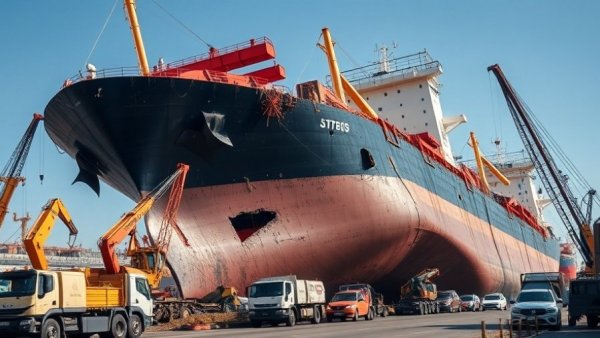
Tragedy Strikes on the Mississippi: Tanker Collision Details
On a seemingly ordinary day on the Mississippi River, a tanker collided with a boat carrying approximately 129 passengers, leaving many shaken and raising serious questions about safety regulations on one of America’s most significant waterways. Emergency response teams, including the U.S. Coast Guard, Port NOLA Harbor Police, and local fire and police departments, quickly mobilized to the scene, showcasing the critical importance of preparedness in the face of maritime disasters. Thankfully, the rapid response was pivotal in providing the necessary care for those injured and ensuring the safety of other vessels in the vicinity.
The Human Impact: Passengers and Their Families
As the news broke, families and friends of the passengers were left in a state of concern and fear, anxiously waiting for updates on their loved ones. For older adults, the distress can be particularly acute as they navigate the uncertainties surrounding health and safety on recreational outings. Many older adults enjoy exploring the scenic beauty of the Mississippi River, making this incident especially resonant within the community. The emotional toll of such incidents often extends beyond the immediate accident, reminding us of the ripple effects many crises have on the community and the importance of having robust support systems in place.
Community Support: Reaching Out in Times of Need
In light of this tragic event, community organizations and local leaders have mobilized to support the families affected. Churches, senior centers, and various volunteer groups are stepping up to offer emotional support, counseling, and practical assistance to those impacted. This type of community solidarity is crucial, as it helps individuals process their fears and grief while reminding them they are not alone. Older adults, in particular, benefit from these networks, as they may feel isolated in their distress if they are unable to travel or engage as easily as younger individuals.
Safety Regulations Under Scrutiny: What Needs to Change?
The incident has prompted many to call for a re-evaluation of safety measures on the river. Critics argue that increased traffic on the Mississippi River necessitates stricter oversight and regulations for both tankers and passenger vessels. The complexities of navigating this critical waterway call for a cooperative approach among regulatory bodies to ensure that such tragic accidents can be avoided in the future. For instance, implementing mandatory safety drills for all recreational vessels could be one progressive step toward enhancing safety standards. Examining whether existing traffic control measures are effective also warrants consideration, as clearer communication between vessels could potentially prevent future collisions.
Reflections on River Safety: A Community Conversation
In the wake of the accident, discussions around river safety have gained momentum, particularly among community members in Louisiana. Local leaders and advocacy groups have emphasized the need for enhanced training for boat operators and better communication with passengers regarding safety protocols. There are calls for both public and private sector collaboration to create awareness campaigns focusing on safe boating practices and survival techniques. For older adults in particular, it’s vital to raise awareness of these issues, fostering discussions about safe practices during outings. Engaging with local news and safety organizations can empower the community to advocate for their own safety, highlighting that everyone has a role to play in promoting a culture of safety.
Emergency Preparedness: Lessons Learned
The swift response from emergency services highlights the importance of preparedness for unexpected circumstances. In times of crisis, knowing how to react can save lives. Educational efforts should focus on helping seniors understand their surroundings, stay informed about safety measures, and know what to do in emergencies, especially as they explore recreational activities that may involve inherent risks. For example, local communities might consider organizing workshops that teach seniors basic first aid and emergency protocols, ensuring they feel more equipped to handle unforeseen situations. Even simple know-how, like understanding the location of life jackets and safety equipment aboard vessels, can make a significant difference.
Looking Forward: Insights for a Safer Future on the Mississippi
As investigations continue and details about the collision unfold, it is clear that there will be lasting implications for river safety regulations. Passive acceptance of current practices can no longer be the norm; advocacy for change and improved safety measures will be crucial in ensuring that this type of accident does not repeat itself. The community, particularly its older members, must leverage their voices and experiences to push for necessary reforms, emphasizing how access to safe recreational activities contributes significantly to mental well-being and social engagement. Local advocacy efforts could include town hall meetings discussing safety reforms, or even petitions aimed at local lawmakers to address these safety concerns.
Conclusion: A Call to Action for Community Engagement
In conclusion, as we reflect on this concerning incident, it’s essential to acknowledge the importance of community involvement in discussions of safety standards, emergency preparation, and health initiatives. The Mississippi River is not just a waterway but a vital artery that connects and nourishes many communities. Remember, every voice matters in shaping a safer environment for all on the Mississippi River. Stay informed, engaged, and prepared to advocate for safety in our community. Ultimately, the experience and insights from older adults can help inform a broader understanding of what safety means in our recreational spaces, fostering a collective commitment to ensuring that such tragedies do not occur in the future.





Write A Comment