


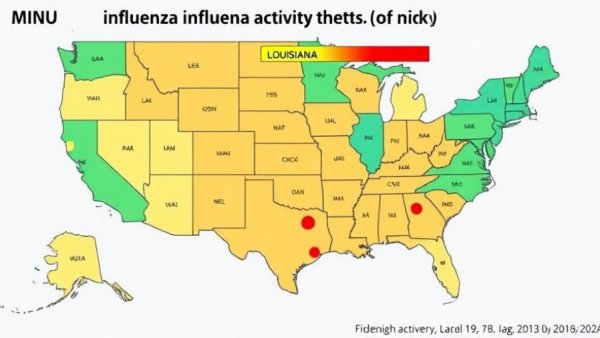
Understanding the Unprecedented Flu Surge in Louisiana
As winter approaches, Louisiana finds itself grappling with the highest flu activity in the nation, with a startling positivity rate of 14%. This figure is five percentage points above the national average, which has raised alarms not just among health officials, but also within the communities. For senior citizens, in particular, the stakes are incredibly high, as the flu poses a significant health risk to this vulnerable group.
What This Means for Our Senior Community
With seniors being at a heightened risk for severe flu complications, the current statistics translate to urgent calls for vaccinations and preventive measures. The elderly can be particularly vulnerable due to weakened immune systems, and flu complications can lead to serious health issues requiring hospitalization. Common complications include pneumonia, worsening of chronic medical conditions, and, in some cases, it can even be fatal. It is vital for seniors to stay informed and proactive about their health.
Why is Louisiana Seeing Such High Flu Rates?
Several factors contribute to Louisiana's high flu infection rates. Health experts highlight that the state's low initial vaccination rates, combined with a lack of community awareness regarding the importance of flu vaccines, play a crucial role. The U.S. Centers for Disease Control and Prevention (CDC) recommends that everyone aged six months and older get vaccinated annually. However, Louisiana has struggled to meet these recommendations.
Additionally, unique environmental factors, such as the state's humidity and mild winter climate, may facilitate flu virus transmission, gathering more individuals around indoor activities during the colder months. Furthermore, the flu virus can thrive in conditions typically found in crowded indoor spaces, which are prevalent in the winter season, especially in regions like Louisiana where people may congregate to escape the chill.
Protecting Yourself: Essential Tips for Seniors
Here are a few practical steps seniors can take to protect themselves during this flu surge:
- Get Vaccinated: Even if you haven't been vaccinated yet this season, it's not too late to get your flu shot. It remains the most effective way to prevent the virus. The vaccine is formulated each year to combat the most common strains circulating, making it a critical step in flu prevention, especially this year.
- Practice Good Hygiene: Regular handwashing and using hand sanitizers can significantly lower your risk of contracting the flu. Don't forget to wash your hands after being in public places and before eating or touching your face.
- Avoid Crowded Places: Steering clear of crowded environments can reduce exposure to the flu virus, especially during peak flu season. If possible, plan errands for less busy times of the day, and consider using online shopping options.
- Stay Home When Sick: If you start exhibiting symptoms like a fever, cough, or body aches, it is crucial to rest and recover at home. This not only helps you heal faster but also protects others in your community from potential exposure.
- Maintain a Healthy Diet: Eating a balanced diet rich in vitamins and minerals can bolster your immune system. Foods high in vitamin C—like oranges, strawberries, and spinach—can help strengthen your body’s defenses against illnesses.
Community Health Resources and Support
Local health departments and community organizations are stepping up to provide resources for vaccinations and health education. Many clinics and pharmacies offer flu shots, often at no cost or a reduced cost for seniors. It’s important to check in with community centers and trusted local health resource centers for more information on where and how to get vaccinated. Additionally, outreach efforts are being made to ensure that all seniors, especially those in rural areas, have access to these crucial vaccinations.
Moreover, many local agencies have organized educational workshops focusing on flu prevention and wellness. Participating in these workshops can provide valuable information and encourage community cohesion, which can be empowering in tough times.
Emotional Well-being: A Crucial Component
While physical health is vital, emotional well-being is equally essential, especially during sickness outbreaks. Seniors should reach out to family, friends, or support groups to foster connections and share experiences. Isolation can exacerbate feelings of anxiety related to health issues; thus, maintaining social bonds can greatly support mental health during these challenging times. Emphasizing conversations about health within family networks can also help promote prevention in a friendly manner, encouraging everyone to take their health seriously without causing panic.
Looking Ahead: Future Flu Trends
Experts forecast that flu cases may continue to rise this year, potentially leading to a strain on healthcare systems. Staying updated with reliable health information and being prepared for potential hospital visits or home care situations is paramount for seniors. Preparing a list of emergency contacts and ensuring you have necessary medical supplies, such as over-the-counter medications and a first aid kit, can provide peace of mind during peak flu season. Don’t hesitate to discuss any concerns with your healthcare provider, who can help tailor advice specific to your health situation.
Conclusion: Act Now for a Healthier Tomorrow
The current flu situation in Louisiana is a wake-up call for the senior community. By taking proactive steps, seeking vaccinations, and maintaining social connections, seniors can significantly enhance their well-being and resilience against the flu. Remember, your health is invaluable, and every action you take today can lead to a healthier tomorrow. The proactive measures you take not only protect you but also help safeguard your loved ones and the entire community.





Write A Comment