• Home
  • Categories
    • Health
    • Money
    • Lifestyle
    • Travel
    • Entertainment
    • Louisiana News
    • Jobs and Careers
    • Featured
July 22.2025
5 Minutes Read

Imagine Combining the Science of Conventional Medicine with the Art of Botanical Herbs

Dr. Sola Natural Medicine

📍 Address: 13061 Great Tern Ave Suite A, Baton Rouge, LA 70810, USA

📞 Phone: +1 225-334-8680

🌐 Website: http://www.drsolanaturalmedicine.com/

★★★★★

Rating:5.0


The Timeless Appeal and Modern Science of Natural Medicine

Imagine a healthy lifestyle where every small change in your daily routine ripples outward to dramatically improve your overall well-being and physical health. What if evidence-based botanical therapies, personalized nutrition, and a gentle approach to healing could address what conventional medicine sometimes overlooks? Today, millions seek alternatives that honor the body’s natural ability to heal, driven by rising concerns about medication side effects and the desire for more individualized care. The answer, for many, lies within the rich and growing field of natural medicine—a path where ancient wisdom and contemporary science intersect.

Natural medicine is a thoughtful approach that pursues the root causes of illness, not just the symptoms. From clinical nutrition and bloodwork analysis to evidence-based botanicals, the world of natural medicine draws on global traditions and rigorous scientific inquiry. Understanding what sets this approach apart is essential for anyone interested in restoring balance, preventing chronic conditions, or seeking a deeper connection with their health. The journey to optimal well-being often means learning ways to honor the body—every personal story, every unique condition, and every small step has the power to make a profound difference.

What Makes Natural Medicine a Foundational Approach to Whole-Body Health?

At its core, natural medicine is defined by its commitment to treating individuals—not just medical conditions—using gentler, less invasive therapies informed by both tradition and science. Naturopathic physicians aim to restore the body’s innate healing mechanisms by leveraging approaches such as botanical medicine, clinical nutrition, and classical homeopathy. Unlike one-size-fits-all treatments, natural medicine is inherently personalized: an approach that respects the unique story, preferences, and physiology of each patient.

What Drives Dr. Sola Natural Medicine’s Approach to Primary Care Medicine?

As a recognized expert and advocate in the field, Dr. Sola Natural Medicine in Baton Rouge exemplifies the thoughtful integration of modern research and traditional healing. Rather than categorizing individuals by their conditions alone, the practice approaches care as a partnership—listening intently to each person’s story and viewing the patient not as a case, but as a whole, dynamic individual. Using tools like detailed bloodwork analysis, practitioners tailor every supplement, herb, or nutrition plan based on specific needs and optimal wellness targets, rather than settling for "within normal limits."

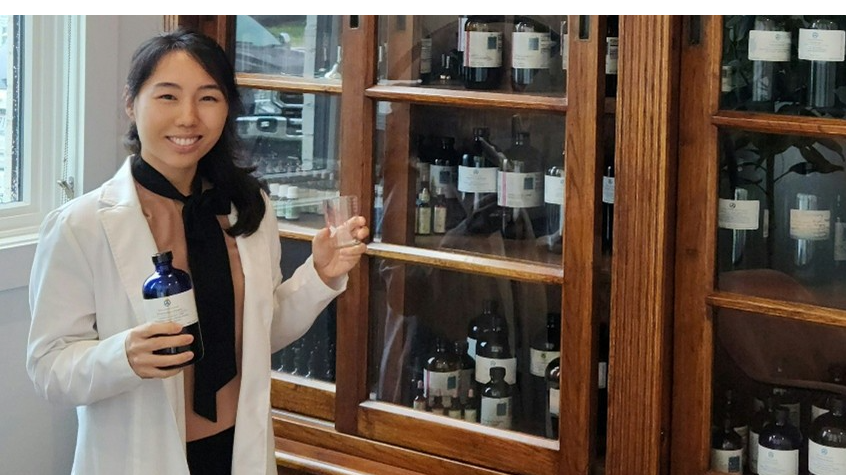
Naturopath crafting herbal tincture in peaceful botanical clinic

Managing chronic health conditions such as diabetes, hypertension, thyroid imbalances, pain management, and digestive disorders demands attentive, evidence-based care. Baton Rouge’s Dr. Sola Loy, ND excels in combining conventional diagnostics with natural interventions—botanical medicine, lifestyle change, advanced nutrition, sleep quality, and chronic stress reduction.

  • What sets Dr. Sola apart from conventional care? Dr. Sola enjoys empowering and educating  you and your loved ones with tailored treatments and whole-person support.

  • Compelling statistical evidence: Nearly 40% of Americans now seek integrative health solutions.

  • What does a typical appointment with a primary care naturopathic doctor involve? Patients can expect a thorough review of their medical history, lifestyle, and health goals.  Dr. Sola will review bloodwork in great detail, order relevant diagnostic tests, and spend extra time exploring the root cause of symptoms, crafting a tailored treatment plan.

  • Pediatric through geriatric health: When prescribed by a trained and licensed naturopathic doctor, botanical medicine and supplements are tailored to every age, health condition, and medication profile, ensuring safety and effectiveness for your entire family.

  • What is the difference between a naturopath and a naturopathic physician (ND)? The key difference between a naturopath and a naturopathic doctor (ND) lies in their education, training, and scope of practice. While both may utilize natural therapies, a licensed ND attended a four-year, accredited naturopathic medical school, completing coursework in basic sciences, diagnostics, and natural therapies. They are qualified to diagnose and treat patients, and can pursue licensure and prescribe certain medications in some jurisdictions. NDs can diagnose, treat, and manage illnesses, including prescribing certain medications and performing minor surgery in some jurisdictions, similar to a primary care physician. A traditional naturopath, on the other hand, has typically completed shorter programs, often online, and is not licensed to diagnose or prescribe.  Dr. Sola Loy, ND has graduated from the prestigious Bastyr University’s medical school in Seattle, WA.  She has returned to her home state of Louisiana to serve her community, enjoy being an LSU Tiger, and loves spending time with her family and friends.

“I can’t say enough good things about her. She is simply wonderful—professional, talented, and genuinely passionate about what she does. Her attention to detail, creativity, and dedication shine through in every aspect of her work. I highly recommend her!” ~ Patient of Dr. Sola

The philosophy at Dr. Sola Natural Medicine centers on deep curiosity and respect for the individual story. Rejecting a cookie-cutter approach, the clinic’s methods draw from years of scientific training and an abiding passion for both modern research and traditional practices. Each patient encounter feels more like an intimate therapy session than a regular 15-minute doctor’s visit.  Time is devoted to truly listening, understanding past traumas and current drama, and teaching patients about their bodies and options.

Key pillars of this approach include a keen eye for optimal lab values (not just “normal” numbers), quality control with effective dosages in regards to medical-grade supplements, and a heart for empowering patients to be proactive in their health journey. Botanical medicine is more than a prescription; it’s an art, with bespoke formulas crafted to address complex health combinations. Ultimately, the mission is to see what each body is truly capable of at its very best, supporting every step toward lasting vitality.

The Future of Health: Why Embracing Natural Medicine Matters Now

As healthcare evolves, the possibilities within natural medicine are expanding—bridging traditional wisdom with the rigor of contemporary research. The practice’s expert perspective demonstrates how individualized, evidence-based strategies can illuminate the root causes of illness and promote genuine healing. In a landscape too often dominated by quick fixes and impersonal protocols, natural medicine stands as a beacon of hope, proving that change is possible and health can be both a science and an art.

Visit www.drsolanaturalmedicine.com to schedule a free 15-min Welcome Call today.

Dr. Sola Natural Medicine contributes significantly to the growing authority of this approach, offering Louisiana and the surrounding states a distinctive blend of research-backed medicine and heartfelt connection. For those ready to explore their healthiest future, engaging with natural medicine provides the pathway to transformation—every success story building momentum for lasting, meaningful change.

Location and Hours for Dr. Sola Natural Medicine

📍 Address: 13061 Great Tern Ave Suite A, Baton Rouge, LA 70810, USA
📞 Phone: +1 225-334-8680
🌐 Website: http://www.drsolanaturalmedicine.com/

🕒 Hours of Operation:
📅 Monday: 9:00 AM – 5:00 PM
📅 Tuesday: 9:00 AM – 5:00 PM
📅 Wednesday: 9:00 AM – 5:00 PM
📅 Thursday: 9:00 AM – 5:00 PM
📅 Friday: 9:00 AM – 5:00 PM
📅 Saturday: ❌ Closed
📅 Sunday: ❌ Closed
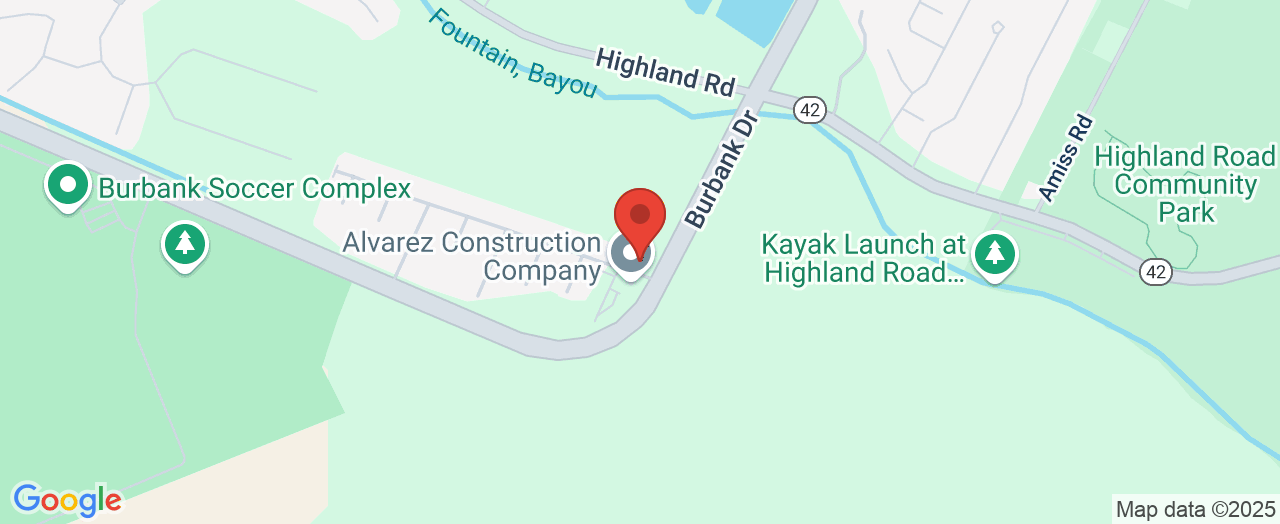
Location Map
Health Featured

64 Views

Related Posts All Posts
08.21.2026

Protect Yourself From the Jalapeno Salmonella Outbreak: Key Insights for Seniors

Update Jalapeno Salmonella Outbreak: What Seniors Need to Know A recent salmonella outbreak linked to jalapeno peppers has spread across 32 states, causing over 400 reported illnesses, according to the latest update from the Centers for Disease Control and Prevention (CDC) and the Food and Drug Administration (FDA). With Louisiana being one of the states affected, it’s crucial for our senior citizens to stay informed and take necessary precautions. Understanding the outreach and impact of this outbreak can help you protect your health and make safer food choices. Understanding the Risks Associated with Salmonella Salmonella is a type of bacteria that can lead to severe gastrointestinal illness, particularly in vulnerable populations such as older adults, young children, and individuals with weakened immune systems. Symptoms typically include diarrhea, fever, and abdominal cramps, which can onset anywhere from six hours to six days after exposure. For seniors, these symptoms can escalate quickly and may lead to serious health complications or even hospitalization. It’s especially important to recognize the risks associated with recent food trends and to remain aware of how common foods can pose serious threats. Moreover, it’s worth noting that certain factors may increase the risk of severe illness from salmonella in the elderly, such as existing health conditions, medications that suppress the immune system, and age-related changes in digestive health. This means that seniors need to be particularly vigilant in preventing infections. The Connection Between Jalapenos and the Outbreak Investigations have identified contaminated jalapeno peppers as the source of the outbreak. The FDA is actively collaborating with local and state agencies to trace the affected products, working hard to prevent further illness. In response to the outbreak, consumers are urged to check their kitchens for any recalled jalapenos, and food distributors are also under scrutiny to ensure safety standards are being met. Ensuring food safety is a shared responsibility, and it’s essential for everyone, especially seniors, to remain vigilant about the food they are purchasing and consuming. What Are the Symptoms of Salmonella Infection? While many people recover from salmonella without complications, it’s important to know the symptoms and take them seriously. Symptoms can include: Diarrhea (which may be bloody) Fever Abdominal cramps Nausea Vomiting If you or someone you know is experiencing these symptoms, especially if there are pre-existing health conditions, it is crucial to consult with a healthcare professional promptly. Practical Tips for Food Safety in Your Home For seniors, practicing safe food handling can significantly reduce the risk of salmonella infections. Here are some essential tips to keep your kitchen safe and your meals healthy: Wash Hands Regularly: Always wash hands with soap and water for at least 20 seconds before and after handling food. Thoroughly Cook Foods: Ensure all meals, especially those containing peppers, are cooked to safe internal temperatures. The USDA recommends cooking poultry to at least 165°F and ground meats to at least 160°F. Store Food Safely: Keep perishable items refrigerated and be mindful to avoid consuming foods past their expiration dates. Regularly check your refrigerator to ensure food is stored correctly. Investigate Sources: Be attentive to news regarding food recalls and outbreaks, particularly those affecting your local area. Take action if you find any products in your home that have been listed in these warnings. Community Resources for Additional Support Living in Louisiana, you have access to various community resources designed to inform and support healthy living. The Louisiana Department of Health frequently updates its guidelines to protect the public from foodborne illnesses. Keeping an eye on their website for updates regarding food safety can provide further reassurance and knowledge about your food choices. Additionally, local health organizations may offer educational sessions that can help seniors learn more about safe food handling practices and how to maintain a healthy lifestyle. Staying Safe During Food Outbreaks It’s important to remember that foodborne illnesses can be prevented with knowledge and proper practices. Awareness about outbreaks, such as the current salmonella situation, is crucial. Staying informed about the foods you consume—knowing about the products involved, the locations where they are sold, and the recommended safety measures—equips you to make healthier choices that can safeguard your health. Looking Ahead: Future Predictions and Trends in Food Safety In the wake of recent outbreaks, experts suggest that food safety practices will increasingly focus on transparency in sourcing and handling food products. This emphasizes the importance of consumer education. As outbreaks and related news spread quickly, awareness about safe practices will likely continue to grow. This trend benefits everyone, especially vulnerable populations like seniors, who can greatly enhance their well-being through increased knowledge and awareness. Conclusion: Taking Action to Protect Your Health As we navigate through these complex challenges in food safety, it’s essential to take proactive steps to ensure your well-being and that of your loved ones. Pay attention to updates regarding food recalls and outbreaks. By staying informed, practicing safe food handling, and maintaining good hygiene, Louisiana seniors can significantly reduce their risk of illness. Remember, your health is paramount, and you have the power to make informed decisions about your food choices that ultimately lead to a healthier and happier lifestyle. Don’t hesitate to reach out to local health resources for further assistance and support!

08.21.2026

Why Americans' Drinking Levels at Record Low is Great News for Seniors

Update Understanding the Shift: Americans Drink Less Than EverIn an astonishing trend noted over the last two years, a significant number of Americans are reported to be drinking less alcohol, with the latest survey revealing that their drinking levels remain at a record low. This change is particularly striking as it contrasts sharply with previous decades, where drinking was often viewed as a social norm. For senior citizens in Louisiana, this trend may have profound implications not only for personal health but also for community engagement and overall well-being.The Survey Insights: What's Behind the Numbers?The recent Gallup poll highlights a stark decrease in drinking habits among adults, shedding light on evolving social attitudes towards alcohol consumption. The survey indicates that only 61% of American adults reported drinking alcohol in the past month, a significant drop from 67% just two years ago. This decrease can be attributed to a growing awareness of health and wellness, especially among older adults who are increasingly prioritizing their physical condition and mental clarity.This shift is not just about abstaining from alcohol; it's part of a broader lifestyle transformation that includes healthier eating, regular exercise, and strong mental health practices. As seniors in Louisiana become more informed about the health risks associated with excessive alcohol consumption, they are making conscious choices that reflect a commitment to living healthier and more fulfilling lives.Health Benefits of Reduced Alcohol ConsumptionFor seniors, reducing alcohol intake can lead to substantial health improvements. With lower alcohol consumption, individuals typically experience better sleep quality, enhanced mood stability, and a reduced risk of chronic diseases such as liver ailments and certain cancers. As our bodies change with age, adopting a more health-conscious lifestyle becomes crucial, and this trend reflects a broader, positive shift towards healthier practices.Moreover, cutting back on alcohol can also reduce the chances of falls and injuries, which are significant risks for seniors. The National Institute on Alcohol Abuse and Alcoholism notes that excessive drinking can impact balance and coordination, both of which are vital for maintaining independence. By fostering healthier habits, seniors can continue to enjoy their activities without the added risks that come from alcohol consumption.Community Connection: How Changes Influence LifestyleThe decline in drinking not only speaks to individual choices but also reflects changes in social dynamics. For many seniors, the traditional environment where drinking was commonplace is evolving. This opens up opportunities for more inclusive and diverse community activities that do not center around alcohol, such as fitness classes, book clubs, and crafting workshops. These community-building activities not only provide seniors with engaging pastimes but also create supportive networks where shared interests can flourish.Furthermore, local organizations in Louisiana can help catalyze this transformation by organizing alcohol-free events, such as potluck dinners featuring healthy dishes or guided nature walks. These activities promote a sense of belonging and demonstrate that enjoyable social experiences do not have to involve alcohol.Future Predictions: The Changing Landscape of Social HabitsWhat does the future hold for alcohol consumption tendencies? Experts predict that as the public becomes more health-oriented, these trends may continue to evolve in favor of alternatives. Non-alcoholic beverages, for instance, are becoming increasingly popular, with more businesses offering innovative options tailored for those who choose to abstain. This could further foster community activities that focus more on health and wellness over traditional drinking settings.Moreover, the rise of mocktails—non-alcoholic cocktails—means that even social gatherings can retain a festive atmosphere without the negative health implications of alcohol. For seniors especially, these options provide an appealing way to engage in social settings without feeling left out.Encouraging Healthy Choices Within Your CommunityFor seniors in Louisiana, embracing this trend means recognizing the benefits of cutting back on alcohol for both physical and mental well-being. Community leaders and family members can play a pivotal role by encouraging non-alcoholic options during social gatherings and promoting activities that foster connections without the need for alcohol. Start conversations about health, share personal stories about transitions, and support each other in embracing a healthier lifestyle.Additionally, forming support groups focused on wellness can be advantageous in this journey. These gatherings can serve as platforms where seniors can share coping strategies, celebrate milestones in their health journey, and encourage one another to maintain their commitment to reduced alcohol intake.The Role of Mindfulness in Making Lifestyle ChangesA vital aspect of this shift involves mindfulness—being aware of alcohol's impacts on health and social interactions. Mindfulness can empower seniors to make informed choices about their drinking habits and engage in alternative activities that contribute positively to their well-being. Whether it’s having loose tea with friends instead of cocktails or joining a community walk instead of a bar outing, these mindfulness-based choices can significantly enhance life quality.Practicing mindfulness may also involve reflection on the motivations behind drinking. Understanding the social pressures or personal habits that lead to alcohol consumption can help in devising strategies to either modify or replace those behaviors with healthier alternatives.Conclusion: A Shift Towards WellnessThis trend of decreased alcohol consumption among Americans represents more than just a statistic; it symbolizes a shift towards wellness and healthier living that resonates deeply within the senior community in Louisiana. By focusing on healthier habits, the potential for improved community connections and individual health outcomes is enormous. Now is the time to embrace these changes and actively participate in a lifestyle that prioritizes well-being. Together, seniors can pave the way for a supportive environment that champions health, vitality, and joyful living, marking a new era of engaging in life fully, without alcohol as a central theme.

08.21.2026

Personalized Melanoma Vaccine: A Beacon of Hope for Seniors in Louisiana

Update Groundbreaking Developments in Melanoma Treatment For many seniors in Louisiana, dealing with health issues like cancer can be overwhelming, especially as the year progresses. However, recent advances in melanoma treatment are offering fresh hope. A personalized vaccine to prevent the return of melanoma—a type of skin cancer—has shown promising results. This vaccine not only targets specific cancer cells but also aims to enhance the body’s immune response against future instances of this disease. With skin cancer being one of the most common forms of cancer among older adults, news of such advancements is particularly significant. How the Personalized Melanoma Vaccine Works This innovative approach involves tailoring vaccines to each individual’s cancer profile. By analyzing tumor DNA, researchers create a vaccine that trains the body’s immune system to recognize and attack melanoma cells if they attempt to return. This personalized treatment offers a significant advantage, especially for seniors who may have weaker immune systems due to age or other health conditions, potentially reducing the recurrence of melanoma. Unlike traditional vaccines that produce a general immune response, personalized melanoma vaccines are designed to stimulate a specific immune attack on cancer cells unique to the patient. By focusing on the genetic makeup of the individual’s tumor, the vaccine acts like a key, fitting perfectly with the lock of the cancer cell's surface. This innovative process not only fine-tunes the defense mechanisms of the body but also increases the likelihood that the immune system will successfully eliminate any remaining cancer cells before they can multiply and cause further complications. The Impact on Patients’ Lives Many participants in clinical trials for these vaccines have reported an impact on their quality of life, experiencing not only physical health benefits but also emotional well-being due to a heightened sense of control over their health journeys. For example, one participant—a retired teacher from Baton Rouge—shared how feeling empowered by taking control of her health through this new treatment has positively influenced her life. For seniors facing cancer, engaging in discussions about personalized medicine can motivate proactive health management. Moreover, the emotional aspects of cancer recovery cannot be overlooked. Participants often find that knowing there are tailored treatment options available allows them to approach their health with renewed hope. This sense of agency in the face of a daunting diagnosis can lead to improved mental health outcomes. Access to personalized treatment pathways helps seniors not only to visualize their future without cancer but also to share this journey with family, providing an added layer of support. Future Predictions for Melanoma Vaccination Experts predict that as research continues, personalized cancer vaccines could become a standard treatment for melanoma and potentially other cancers. This future trend may allow older adults more comprehensive options for preventing cancer’s return and improving their overall health outlook. Staying informed about such developments is crucial for anyone facing the challenges of cancer treatments. The ongoing research in cancer vaccination is promising. As scientists learn more about the specific genes that drive individual cancer growth, the potential for effective treatments continues to grow. For seniors, this means that they may someday have access to vaccines that are not only more effective but also tailored to their unique medical histories and lifestyle choices. Therefore, keeping abreast of these advancements could empower seniors to engage in informed discussions with healthcare providers about the best options available. Relevance in Current Health Discussions As health technology advances, more seniors are hopeful about the possibilities of living cancer-free. With the growing emphasis on personalized medicine, discussions about health management have shifted focus toward proactive strategies. Seniors in Louisiana and across the globe are encouraged to stay aware of emerging treatments, which could reflect positively on the continuous efforts against cancer recurrence. It’s vital for seniors and caregivers to engage with healthcare professionals, ask questions, and advocate for what may be the most appropriate course of action. Decisions You Can Make with This Information Understanding these advancements can empower seniors and their caregivers to make informed health decisions. Patients are encouraged to ask their healthcare providers about personalized vaccine options that might be suitable for their specific situations. This knowledge can serve as a stepping stone to discuss preventative measures and interventions with medical professionals. It’s essential for individuals to feel confident in discussing their health options; this is especially relevant for those battling serious illnesses like melanoma. Additionally, seniors should not hesitate to seek second opinions or consult specialists when considering cancer treatment options. Knowledge is power, and being informed about the latest health innovations can significantly alter the trajectory of treatment and recovery. This proactive approach may lead to better health outcomes and enhanced quality of life. Bringing Hope Through Community Awareness Finally, community education plays a vital role in combating cancer. Seniors should consider participating in local health seminars or cancer awareness workshops. Engaging with fellow community members can provide crucial support, enabling individuals to share their experiences and learn from one another. If you are passionate about health and wellness in your community, consider advocating for discussions around personalized medicine. Effective health awareness can start in your community, so consider reaching out to local health departments or organizations. Engaging with your neighbors about cancer awareness and prevention resources could lead to stronger community ties and sharing of invaluable information. Moreover, community-led initiatives can encourage collaborative efforts to support those undergoing treatment and recovery. In conclusion, the promise of personalized melanoma vaccines represents a beacon of hope for many seniors. By understanding and embracing these new developments, individuals in Louisiana and beyond can take charge of their health in this evolving landscape of cancer treatment.

Golden Years of Louisiana

GoldenYearsLA.com is Louisiana’s trusted online magazine for seniors, offering lifestyle inspiration, health tips, financial guidance, and travel ideas tailored to you.

  • Privacy Policy
  • Terms of Use
  • Advertise
  • Contact Us
  • Menu 5
  • Menu 6
Hours

AVAILABLE M-F 9AM - 5PM CST

Hall Street Media

Hall Street Media is a Louisiana-based media company creating engaging digital publications for lifestyle, health, business, and regional audiences across the Gulf South.

© 2026 Golden Years of Louisiana All Rights Reserved. Hall Street Media, Lafayette, Louisiana 70501 . Contact Us . Terms of Service . Privacy Policy

eyJjb21wYW55IjoiR29sZGVuIFllYXJzIG9mIExvdWlzaWFuYSIsImFkZHJlc3MiOiJIYWxsIFN0cmVldCBNZWRpYSIsImNpdHkiOiJMYWZheWV0dGUiLCJzdGF0ZSI6IkxvdWlzaWFuYSIsInppcCI6IjcwNTAxIiwiZW1haWwiOiJnb2xkZW55ZWFyc2xhQGdtYWlsLmNvbSIsInRvcyI6IlBIQStQSE4wY205dVp6NDhaVzArVjJobGJpQjViM1VnYzJsbmJpMXBiaUIzYVhSb0lIVnpMQ0I1YjNVZ1lYSmxJR2RwZG1sdVp5WnVZbk53T3lCNWIzVnlJSEJsY20xcGMzTnBiMjRnWVc1a0lHTnZibk5sYm5RZ2RHOGdjMlZ1WkNCNWIzVWdaVzFoYVd3Z1lXNWtMMjl5SUZOTlV5QjBaWGgwSUcxbGMzTmhaMlZ6TGlCQ2VTQmphR1ZqYTJsdVp5QjBhR1VnVkdWeWJYTWdZVzVrSUVOdmJtUnBkR2x2Ym5NZ1ltOTRJR0Z1WkNCaWVTQnphV2R1YVc1bklHbHVJSGx2ZFNCaGRYUnZiV0YwYVdOaGJHeDVJR052Ym1acGNtMGdkR2hoZENCNWIzVWdZV05qWlhCMElHRnNiQ0IwWlhKdGN5QnBiaUIwYUdseklHRm5jbVZsYldWdWRDNDhMMlZ0UGp3dmMzUnliMjVuUGp3dmNENEtDanh3UG1oMGRIQnpPaTh2WjI5c1pHVnVlV1ZoY25Oc1lTNWpiMjA4TDNBK0NnbzhjRDRtYm1KemNEczhMM0ErQ2dvOGNENDhjM1J5YjI1blBsTkZVbFpKUTBVOEwzTjBjbTl1Wno0OEwzQStDZ284Y0Q1WFpTQndjbTkyYVdSbElHRWdjMlZ5ZG1salpTQjBhR0YwSUdOMWNuSmxiblJzZVNCaGJHeHZkM01nZVc5MUlIUnZJSEpsWTJWcGRtVWdjbVZ4ZFdWemRITWdabTl5SUdabFpXUmlZV05yTENCamIyMXdZVzU1SUdsdVptOXliV0YwYVc5dUxDQndjbTl0YjNScGIyNWhiQ0JwYm1admNtMWhkR2x2Yml3Z1kyOXRjR0Z1ZVNCaGJHVnlkSE1zSUdOdmRYQnZibk1zSUdScGMyTnZkVzUwY3lCaGJtUWdiM1JvWlhJZ2JtOTBhV1pwWTJGMGFXOXVjeUIwYnlCNWIzVnlJR1Z0WVdsc0lHRmtaSEpsYzNNZ1lXNWtMMjl5SUdObGJHeDFiR0Z5SUhCb2IyNWxJRzl5SUdSbGRtbGpaUzRnV1c5MUlIVnVaR1Z5YzNSaGJtUWdZVzVrSUdGbmNtVmxJSFJvWVhRZ2RHaGxJRk5sY25acFkyVWdhWE1nY0hKdmRtbGtaV1FnSm5GMWIzUTdRVk10U1ZNbWNYVnZkRHNnWVc1a0lIUm9ZWFFnZDJVZ1lYTnpkVzFsSUc1dklISmxjM0J2Ym5OcFltbHNhWFI1SUdadmNpQjBhR1VnZEdsdFpXeHBibVZ6Y3l3Z1pHVnNaWFJwYjI0c0lHMXBjeTFrWld4cGRtVnllU0J2Y2lCbVlXbHNkWEpsSUhSdklITjBiM0psSUdGdWVTQjFjMlZ5SUdOdmJXMTFibWxqWVhScGIyNXpJRzl5SUhCbGNuTnZibUZzYVhwaGRHbHZiaUJ6WlhSMGFXNW5jeTQ4TDNBK0NnbzhjRDVaYjNVZ1lYSmxJSEpsYzNCdmJuTnBZbXhsSUdadmNpQnZZblJoYVc1cGJtY2dZV05qWlhOeklIUnZJSFJvWlNCVFpYSjJhV05sSUdGdVpDQjBhR0YwSUdGalkyVnpjeUJ0WVhrZ2FXNTJiMngyWlNCMGFHbHlaQ0J3WVhKMGVTQm1aV1Z6SUNoemRXTm9JR0Z6SUZOTlV5QjBaWGgwSUcxbGMzTmhaMlZ6TENCSmJuUmxjbTVsZENCelpYSjJhV05sSUhCeWIzWnBaR1Z5SUc5eUlHTmxiR3gxYkdGeUlHRnBjblJwYldVZ1kyaGhjbWRsY3lrdUlGbHZkU0JoY21VZ2NtVnpjRzl1YzJsaWJHVWdabTl5SUhSb2IzTmxJR1psWlhNc0lHbHVZMngxWkdsdVp5QjBhRzl6WlNCbVpXVnpJR0Z6YzI5amFXRjBaV1FnZDJsMGFDQjBhR1VnWkdsemNHeGhlU0J2Y2lCa1pXeHBkbVZ5ZVNCdlppQmxZV05vSUZOTlV5QjBaWGgwSUcxbGMzTmhaMlVnYzJWdWRDQjBieUI1YjNVZ1lua2dkWE11SUVsdUlHRmtaR2wwYVc5dUxDQjViM1VnYlhWemRDQndjbTkyYVdSbElHRnVaQ0JoY21VZ2NtVnpjRzl1YzJsaWJHVWdabTl5SUdGc2JDQmxjWFZwY0cxbGJuUWdibVZqWlhOellYSjVJSFJ2SUdGalkyVnpjeUIwYUdVZ1UyVnlkbWxqWlNCaGJtUWdjbVZqWldsMlpTQjBhR1VnVTAxVElIUmxlSFFnYldWemMyRm5aWE11SUZkbElHUnZJRzV2ZENCamFHRnlaMlVnWVc1NUlHWmxaWE1nWm05eUlHUmxiR2wyWlhKNUlHOW1JR1Z0WVdsc0lHOXlJRk5OVXk0Z1ZHaHBjeUJwY3lCaElHWnlaV1VnYzJWeWRtbGpaU0J3Y205MmFXUmxaQ0JpZVNCMWN5NGdTRzkzWlhabGNpd2djR3hsWVhObElHTm9aV05ySUhkcGRHZ2dlVzkxY2lCcGJuUmxjbTVsZENCelpYSjJhV05sSUhCeWIzWnBaR1Z5SUdGdVpDQmpaV3hzZFd4aGNpQmpZWEp5YVdWeUlHWnZjaUJoYm5rZ1kyaGhjbWRsY3lCMGFHRjBJRzFoZVNCcGJtTjFjaUJoY3lCaElISmxjM1ZzZENCbWNtOXRJSEpsWTJWcGRtbHVaeUJsYldGcGJDQmhibVFnVTAxVElIUmxlSFFnYldWemMyRm5aWE1nZEdoaGRDQjNaU0JrWld4cGRtVnlJSFZ3YjI0Z2VXOTFjaUJ2Y0hRdGFXNGdZVzVrSUhKbFoybHpkSEpoZEdsdmJpQjNhWFJvSUc5MWNpQmxiV0ZwYkNCaGJtUWdVMDFUSUhObGNuWnBZMlZ6TGlCWmIzVWdZMkZ1SUdOaGJtTmxiQ0JoZENCaGJua2dkR2x0WlM0Z1NuVnpkQ0IwWlhoMElDWnhkVzkwTzFOVVQxQW1jWFZ2ZERzZ2RHOG1ibUp6Y0RzOGFHbG5hR3hwWjJoMElHTnNZWE56UFNKamIyMXdZVzU1VTAxVFVHaHZibVZWY0dSaGRHVWlQbTUxYkd3OEwyaHBaMmhzYVdkb2RENHVJRUZtZEdWeUlIbHZkU0J6Wlc1a0lIUm9aU0JUVFZNZ2JXVnpjMkZuWlNBbWNYVnZkRHRUVkU5UUpuRjFiM1E3SUhSdklIVnpMQ0IzWlNCM2FXeHNJSE5sYm1RZ2VXOTFJR0Z1SUZOTlV5QnRaWE56WVdkbElIUnZJR052Ym1acGNtMGdkR2hoZENCNWIzVWdhR0YyWlNCaVpXVnVJSFZ1YzNWaWMyTnlhV0psWkM0Z1FXWjBaWElnZEdocGN5d2dlVzkxSUhkcGJHd2dibThnYkc5dVoyVnlJSEpsWTJWcGRtVWdVMDFUSUcxbGMzTmhaMlZ6SUdaeWIyMGdkWE11UEM5d1Bnb0tQSEErUEhOMGNtOXVaejVaVDFWU0lGSkZSMGxUVkZKQlZFbFBUaUJQUWt4SlIwRlVTVTlPVXp3dmMzUnliMjVuUGp3dmNENEtDanh3UGtsdUlHTnZibk5wWkdWeVlYUnBiMjRnYjJZZ2VXOTFjaUIxYzJVZ2IyWWdkR2hsSUZObGNuWnBZMlVzSUhsdmRTQmhaM0psWlNCMGJ6bzhMM0ErQ2dvOGIydytDZ2s4YkdrK2NISnZkbWxrWlNCMGNuVmxMQ0JoWTJOMWNtRjBaU3dnWTNWeWNtVnVkQ0JoYm1RZ1kyOXRjR3hsZEdVZ2FXNW1iM0p0WVhScGIyNGdZV0p2ZFhRZ2VXOTFjbk5sYkdZZ1lYTWdjSEp2YlhCMFpXUWdZbmtnZEdobElGTmxjblpwWTJVbUl6TTVPM01nY21WbmFYTjBjbUYwYVc5dUlHWnZjbTBnS0hOMVkyZ2dhVzVtYjNKdFlYUnBiMjRnWW1WcGJtY2dkR2hsSUNaeGRXOTBPMUpsWjJsemRISmhkR2x2YmlCRVlYUmhKbkYxYjNRN0tTQmhibVE4TDJ4cFBnb0pQR3hwUG0xaGFXNTBZV2x1SUdGdVpDQndjbTl0Y0hSc2VTQjFjR1JoZEdVZ2RHaGxJRkpsWjJsemRISmhkR2x2YmlCRVlYUmhJSFJ2SUd0bFpYQWdhWFFnZEhKMVpTd2dZV05qZFhKaGRHVXNJR04xY25KbGJuUWdZVzVrSUdOdmJYQnNaWFJsTGlCSlppQjViM1VnY0hKdmRtbGtaU0JoYm5rZ2FXNW1iM0p0WVhScGIyNGdkR2hoZENCcGN5QjFiblJ5ZFdVc0lHbHVZV05qZFhKaGRHVXNJRzV2ZENCamRYSnlaVzUwSUc5eUlHbHVZMjl0Y0d4bGRHVXNJRzl5SUhkbElHaGhkbVVnY21WaGMyOXVZV0pzWlNCbmNtOTFibVJ6SUhSdklITjFjM0JsWTNRZ2RHaGhkQ0J6ZFdOb0lHbHVabTl5YldGMGFXOXVJR2x6SUhWdWRISjFaU3dnYVc1aFkyTjFjbUYwWlN3Z2JtOTBJR04xY25KbGJuUWdiM0lnYVc1amIyMXdiR1YwWlN3Z2QyVWdhR0YyWlNCMGFHVWdjbWxuYUhRZ2RHOGdjM1Z6Y0dWdVpDQnZjaUE4YzNSeWIyNW5Qanh6Y0dGdUlITjBlV3hsUFNKamIyeHZjam9qUmtZd01EQXdPeUkrZEdWeWJXbHVZWFJsSUhsdmRYSWdZV05qYjNWdWRDOXdjbTltYVd4bElHRnVaQ0J5WldaMWMyVWdZVzU1SUdGdVpDQmhiR3dnWTNWeWNtVnVkQ0J2Y2lCbWRYUjFjbVVnZFhObElHOW1JSFJvWlNCVFpYSjJhV05sSUNodmNpQmhibmtnY0c5eWRHbHZiaUIwYUdWeVpXOW1LUzQ4TDNOd1lXNCtQQzl6ZEhKdmJtYytQQzlzYVQ0S1BDOXZiRDRLQ2p4d1BpWnVZbk53T3p3dmNENEtQR2hwWjJoc2FXZG9kQ0JqYkdGemN6MGlZMjl0Y0dGdWVVNWhiV1ZWY0dSaGRHVWlQa2R2YkdSbGJpQlpaV0Z5Y3lCdlppQk1iM1ZwYzJsaGJtRThMMmhwWjJoc2FXZG9kRDQ4WW5JZ0x6NEtQR2hwWjJoc2FXZG9kQ0JqYkdGemN6MGlZMjl0Y0dGdWVVVnRZV2xzVlhCa1lYUmxJajVuYjJ4a1pXNTVaV0Z5YzJ4aFFHZHRZV2xzTG1OdmJUd3ZhR2xuYUd4cFoyaDBQZz09IiwicHJpdmFjeSI6IlBIQStQSE4wY205dVp6NVFVa2xXUVVOWlBDOXpkSEp2Ym1jK1BDOXdQZ29LUEhBK1BITjBjbTl1Wno1VWFHVWdhVzVtYjNKdFlYUnBiMjRnY0hKdmRtbGtaV1FnWkhWeWFXNW5JSFJvYVhNZ2NtVm5hWE4wY21GMGFXOXVJR2x6SUd0bGNIUWdjSEpwZG1GMFpTQmhibVFnWTI5dVptbGtaVzUwYVdGc0xDQmhibVFnZDJsc2JDQnVaWFpsY2lCaVpTQmthWE4wY21saWRYUmxaQ3dnWTI5d2FXVmtMQ0J6YjJ4a0xDQjBjbUZrWldRZ2IzSWdjRzl6ZEdWa0lHbHVJR0Z1ZVNCM1lYa3NJSE5vWVhCbElHOXlJR1p2Y20wdUlGUm9hWE1nYVhNZ2IzVnlJR2QxWVhKaGJuUmxaUzQ4TDNOMGNtOXVaejQ4TDNBK0NnbzhjRDQ4YzNSeWIyNW5Qa2xPUkVWTlRrbFVXVHd2YzNSeWIyNW5Qand2Y0Q0S0NqeHdQanhsYlQ1WmIzVWdZV2R5WldVZ2RHOGdhVzVrWlcxdWFXWjVJR0Z1WkNCb2IyeGtJSFZ6TENCaGJtUWdhWFJ6SUhOMVluTnBaR2xoY21sbGN5d2dZV1ptYVd4cFlYUmxjeXdnYjJabWFXTmxjbk1zSUdGblpXNTBjeXdnWTI4dFluSmhibVJsY25NZ2IzSWdiM1JvWlhJZ2NHRnlkRzVsY25Nc0lHRnVaQ0JsYlhCc2IzbGxaWE1zSUdoaGNtMXNaWE56SUdaeWIyMGdZVzU1SUdOc1lXbHRJRzl5SUdSbGJXRnVaQ3dnYVc1amJIVmthVzVuSUhKbFlYTnZibUZpYkdVZ1lYUjBiM0p1WlhsekppTXpPVHNnWm1WbGN5d2diV0ZrWlNCaWVTQmhibmtnZEdocGNtUWdjR0Z5ZEhrZ1pIVmxJSFJ2SUc5eUlHRnlhWE5wYm1jZ2IzVjBJRzltSUVOdmJuUmxiblFnZVc5MUlISmxZMlZwZG1Vc0lITjFZbTFwZEN3Z2NtVndiSGtzSUhCdmMzUXNJSFJ5WVc1emJXbDBJRzl5SUcxaGEyVWdZWFpoYVd4aFlteGxJSFJvY205MVoyZ2dkR2hsSUZObGNuWnBZMlVzSUhsdmRYSWdkWE5sSUc5bUlIUm9aU0JUWlhKMmFXTmxMQ0I1YjNWeUlHTnZibTVsWTNScGIyNGdkRzhnZEdobElGTmxjblpwWTJVc0lIbHZkWElnZG1sdmJHRjBhVzl1SUc5bUlIUm9aU0JVVDFNc0lHOXlJSGx2ZFhJZ2RtbHZiR0YwYVc5dUlHOW1JR0Z1ZVNCeWFXZG9kSE1nYjJZZ1lXNXZkR2hsY2k0OEwyVnRQand2Y0Q0S0NqeHdQanh6ZEhKdmJtYytSRWxUUTB4QlNVMUZVaUJQUmlCWFFWSlNRVTVVU1VWVFBDOXpkSEp2Ym1jK1BDOXdQZ29LUEhBK1BITjBjbTl1Wno1WlQxVWdSVmhRVWtWVFUweFpJRlZPUkVWU1UxUkJUa1FnUVU1RUlFRkhVa1ZGSUZSSVFWUTZQQzl6ZEhKdmJtYytQQzl3UGdvS1BHOXNQZ29KUEd4cFBsbFBWVklnVlZORklFOUdJRlJJUlNCVFJWSldTVU5GSUVsVElFRlVJRmxQVlZJZ1UwOU1SU0JTU1ZOTExpQlVTRVVnVTBWU1ZrbERSU0JKVXlCUVVrOVdTVVJGUkNCUFRpQkJUaUFtY1hWdmREdEJVeUJKVXlaeGRXOTBPeUJCVGtRZ0puRjFiM1E3UVZNZ1FWWkJTVXhCUWt4RkpuRjFiM1E3SUVKQlUwbFRMaUFzTGlCQlRrUWdWVk1zSUVsVUppTXpPVHRUSUVOVlUxUlBUVVZTVXl3Z1JWaFFVa1ZUVTB4WklFUkpVME5NUVVsTlV5QkJURXdnVjBGU1VrRk9WRWxGVXlCUFJpQkJUbGtnUzBsT1JDd2dWMGhGVkVoRlVpQkZXRkJTUlZOVElFOVNJRWxOVUV4SlJVUXNJRWxPUTB4VlJFbE9SeXdnUWxWVUlFNVBWQ0JNU1UxSlZFVkVJRlJQSUZSSVJTQkpUVkJNU1VWRUlGZEJVbEpCVGxSSlJWTWdUMFlnVFVWU1EwaEJUbFJCUWtsTVNWUlpMQ0JHU1ZST1JWTlRJRVpQVWlCQklGQkJVbFJKUTFWTVFWSWdVRlZTVUU5VFJTQkJUa1FnVGs5T0xVbE9SbEpKVGtkRlRVVk9WQzQ4TDJ4cFBnb0pQR3hwUGsxQlMwVlRJRTVQSUZkQlVsSkJUbFJaSUZSSVFWUWdLR2twSUZSSVJTQlRSVkpXU1VORklGZEpURXdnVFVWRlZDQlpUMVZTSUZKRlVWVkpVa1ZOUlU1VVV5d2dLR2xwS1NCVVNFVWdVMFZTVmtsRFJTQlhTVXhNSUVKRklGVk9TVTVVUlZKU1ZWQlVSVVFzSUZSSlRVVk1XU3dnVTBWRFZWSkZMQ0JQVWlCRlVsSlBVaTFHVWtWRkxDQW9hV2xwS1NCVVNFVWdVa1ZUVlV4VVV5QlVTRUZVSUUxQldTQkNSU0JQUWxSQlNVNUZSQ0JHVWs5TklGUklSU0JWVTBVZ1QwWWdWRWhGSUZORlVsWkpRMFVnVjBsTVRDQkNSU0JCUTBOVlVrRlVSU0JQVWlCU1JVeEpRVUpNUlN3Z1FVNUVJQ2hwZGlrZ1FVNVpJRVZTVWs5U1V5QkpUaUJVU0VVZ1UwOUdWRmRCVWtVZ1YwbE1UQ0JDUlNCRFQxSlNSVU5VUlVRdVBDOXNhVDRLQ1R4c2FUNUJUbGtnVFVGVVJWSkpRVXdnUkU5WFRreFBRVVJGUkNCUFVpQlBWRWhGVWxkSlUwVWdUMEpVUVVsT1JVUWdWRWhTVDFWSFNDQlVTRVVnVlZORklFOUdJRlJJUlNCVFJWSldTVU5GSUVsVElFUlBUa1VnUVZRZ1dVOVZVaUJQVjA0Z1JFbFRRMUpGVkVsUFRpQkJUa1FnVWtsVFN5QkJUa1FnVkVoQlZDQlpUMVVnVjBsTVRDQkNSU0JUVDB4RlRGa2dVa1ZUVUU5T1UwbENURVVnUms5U0lFRk9XU0JFUVUxQlIwVWdWRThnV1U5VlVpQkRUMDFRVlZSRlVpQlRXVk5VUlUwZ1QxSWdURTlUVXlCUFJpQkVRVlJCSUZSSVFWUWdVa1ZUVlV4VVV5QkdVazlOSUZSSVJTQkVUMWRPVEU5QlJDQlBSaUJCVGxrZ1UxVkRTQ0JOUVZSRlVrbEJUQzQ4TDJ4cFBnb0pQR3hwUGs1UElFRkVWa2xEUlNCUFVpQkpUa1pQVWsxQlZFbFBUaXdnVjBoRlZFaEZVaUJQVWtGTUlFOVNJRmRTU1ZSVVJVNHNJRTlDVkVGSlRrVkVJRUpaSUZsUFZTQkdVazlOSUU5U0lGUklVazlWUjBnZ1QxSWdSbEpQVFNCVVNFVWdVMFZTVmtsRFJTQlRTRUZNVENCRFVrVkJWRVVnUVU1WklGZEJVbEpCVGxSWklFNVBWQ0JGV0ZCU1JWTlRURmtnVTFSQlZFVkVJRWxPSUZSSVJTQlVUMU11UEM5c2FUNEtQQzl2YkQ0S0NqeHdQanh6ZEhKdmJtYytURWxOU1ZSQlZFbFBUaUJQUmlCTVNVRkNTVXhKVkZrOEwzTjBjbTl1Wno0OEwzQStDZ284Y0Q1WlQxVWdSVmhRVWtWVFUweFpJRlZPUkVWU1UxUkJUa1FnUVU1RUlFRkhVa1ZGSUZSSVFWUWdRVTVFSUZOSVFVeE1JRTVQVkNCQ1JTQk1TVUZDVEVVZ1JrOVNJRUZPV1NCRVNWSkZRMVFzSUVsT1JFbFNSVU5VTENCSlRrTkpSRVZPVkVGTUxDQlRVRVZEU1VGTUxDQkRUMDVUUlZGVlJVNVVTVUZNSUU5U0lFVllSVTFRVEVGU1dTQkVRVTFCUjBWVExDQkpUa05NVlVSSlRrY2dRbFZVSUU1UFZDQk1TVTFKVkVWRUlGUlBMQ0JFUVUxQlIwVlRJRVpQVWlCTVQxTlRJRTlHSUZCU1QwWkpWRk1zSUVkUFQwUlhTVXhNTENCVlUwVXNJRVJCVkVFZ1QxSWdUMVJJUlZJZ1NVNVVRVTVIU1VKTVJTQk1UMU5UUlZNZ0tFVldSVTRnU1VZZ1NFRlRJRUpGUlU0Z1FVUldTVk5GUkNCUFJpQlVTRVVnVUU5VFUwbENTVXhKVkZrZ1QwWWdVMVZEU0NCRVFVMUJSMFZUS1N3Z1VrVlRWVXhVU1U1SElFWlNUMDA2UEM5d1Bnb0tQRzlzUGdvSlBHeHBQbFJJUlNCVlUwVWdUMUlnVkVoRklFbE9RVUpKVEVsVVdTQlVUeUJWVTBVZ1ZFaEZJRk5GVWxaSlEwVTdQQzlzYVQ0S0NUeHNhVDVVU0VVZ1EwOVRWQ0JQUmlCUVVrOURWVkpGVFVWT1ZDQlBSaUJUVlVKVFZFbFVWVlJGSUVkUFQwUlRJRUZPUkNCVFJWSldTVU5GVXlCU1JWTlZURlJKVGtjZ1JsSlBUU0JCVGxrZ1IwOVBSRk1zSUVSQlZFRXNJRWxPUms5U1RVRlVTVTlPSUU5U0lGTkZVbFpKUTBWVElGQlZVa05JUVZORlJDQlBVaUJQUWxSQlNVNUZSQ0JQVWlCTlJWTlRRVWRGVXlCU1JVTkZTVlpGUkNCUFVpQlVVa0ZPVTBGRFZFbFBUbE1nUlU1VVJWSkZSQ0JKVGxSUElGUklVazlWUjBnZ1QxSWdSbEpQVFNCVVNFVWdVMFZTVmtsRFJUczhMMnhwUGdvSlBHeHBQbFZPUVZWVVNFOVNTVnBGUkNCQlEwTkZVMU1nVkU4Z1QxSWdRVXhVUlZKQlZFbFBUaUJQUmlCWlQxVlNJRlJTUVU1VFRVbFRVMGxQVGxNZ1QxSWdSRUZVUVRzOEwyeHBQZ29KUEd4cFBsTlVRVlJGVFVWT1ZGTWdUMUlnUTA5T1JGVkRWQ0JQUmlCQlRsa2dWRWhKVWtRZ1VFRlNWRmtnVDA0Z1ZFaEZJRk5GVWxaSlEwVTdJRTlTUEM5c2FUNEtDVHhzYVQ1QlRsa2dUMVJJUlZJZ1RVRlVWRVZTSUZKRlRFRlVTVTVISUZSUElGUklSU0JUUlZKV1NVTkZMand2YkdrK0Nqd3ZiMncrQ2dvOGNENDhkVDVDZVNCeVpXZHBjM1JsY21sdVp5QmhibVFnYzNWaWMyTnlhV0pwYm1jZ2RHOGdiM1Z5SUdWdFlXbHNJR0Z1WkNCVFRWTWdjMlZ5ZG1salpTd2dZbmtnYjNCMExXbHVMQ0J2Ym14cGJtVWdjbVZuYVhOMGNtRjBhVzl1SUc5eUlHSjVJR1pwYkd4cGJtY2diM1YwSUdFZ1kyRnlaQ3dnSm5GMWIzUTdlVzkxSUdGbmNtVmxJSFJ2SUhSb1pYTmxJRlJGVWsxVElFOUdJRk5GVWxaSlEwVW1jWFZ2ZERzZ1lXNWtJSGx2ZFNCaFkydHViM2RzWldSblpTQmhibVFnZFc1a1pYSnpkR0Z1WkNCMGFHVWdZV0p2ZG1VZ2RHVnliWE1nYjJZZ2MyVnlkbWxqWlNCdmRYUnNhVzVsWkNCaGJtUWdaR1YwWVdsc1pXUWdabTl5SUhsdmRTQjBiMlJoZVM0OEwzVStQQzl3UGdvS1BIQStKbTVpYzNBN1BDOXdQZ284YUdsbmFHeHBaMmgwSUdOc1lYTnpQU0pqYjIxd1lXNTVUbUZ0WlZWd1pHRjBaU0krUjI5c1pHVnVJRmxsWVhKeklHOW1JRXh2ZFdsemFXRnVZVHd2YUdsbmFHeHBaMmgwUGp4aWNpQXZQZ284YUdsbmFHeHBaMmgwSUdOc1lYTnpQU0pqYjIxd1lXNTVRV1JrY21WemMxVndaR0YwWlNJK1NHRnNiQ0JUZEhKbFpYUWdUV1ZrYVdFc0lFeGhabUY1WlhSMFpTd2dURzkxYVhOcFlXNWhJRGN3TlRBeFBDOW9hV2RvYkdsbmFIUStQR0p5SUM4K0NqeG9hV2RvYkdsbmFIUWdZMnhoYzNNOUltTnZiWEJoYm5sUWFHOXVaVlZ3WkdGMFpTSStLekV6TXpjeU9EZzBOalkxUEM5b2FXZG9iR2xuYUhRK1BHSnlJQzgrQ2p4b2FXZG9iR2xuYUhRZ1kyeGhjM005SW1OdmJYQmhibmxGYldGcGJGVndaR0YwWlNJK1oyOXNaR1Z1ZVdWaGNuTnNZVUJuYldGcGJDNWpiMjA4TDJocFoyaHNhV2RvZEQ0PSJ9

Terms of Service

Privacy Policy

Core Modal Title

Sorry, no results found

You Might Find These Articles Interesting

T
Please Check Your Email
We Will Be Following Up Shortly
*
*
*