


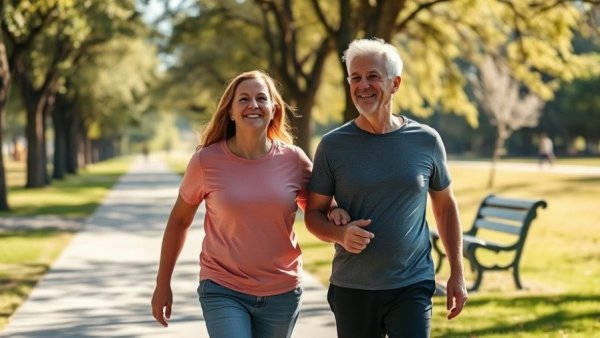
Does Your Walking Speed Hold Secrets to Longevity?
In an era when health and aging are more intertwined than ever, recent research underscores the potentially telling link between walking speed and longevity. A study published in JAMA Network Open reveals a noteworthy connection, suggesting that a person's usual walking pace can serve as a simple yet powerful indicator of their overall health and life expectancy.
A Glimpse into the Study
This significant research tracked 4,067 adults in the U.K., averaging around 69 years old. Participants underwent a short walking test at their normal pace and wore wrist activity trackers over a nine-day period, capturing their everyday walking speeds. Over nearly 12 years of follow-up, data showed that those who walked faster—both in the test and in daily life—had a lower risk of death, suggesting that pace may offer a broader view of how well bodily systems are functioning.
What Your Walking Speed Reveals
As Beth Templin, a geriatric clinical specialist, puts it, "Walking speed is often referred to as the 'sixth vital sign.'" It provides a snapshot of various wellness indicators, including healthy leg muscles, respiratory function, and even cognitive coordination. Observing changes in walking speed might reveal underlying health issues before they are detectable through traditional lab tests. She advises that when one's walking speed begins to decline, it could signal diminishing strength in the muscles or heart function.
Empowering Health Through Improved Walking
For older adults aspiring to enhance their walking speed and overall health, merely walking more is not always enough. Templin stresses the importance of building foundational strength and balance. Simple exercises, such as rising from a chair without hand support and performing heel raises while holding onto a counter, are effective ways to boost leg strength. Additionally, incorporating intervals of brisk walking can elevate the quality of one's movement: walking fast for one minute, then slowing down for two, and gradually increasing the faster intervals.
Building Strength for Longevity
While walking faster is linked to lower mortality rates, experts caution that the study demonstrates correlation, not causation. Faster walking alone won't guarantee a longer life. Most participants in the study had a healthier baseline than the general population, and the method for assessing walking pace via wrist trackers lacks a uniform standard. Future research will be essential to confirm these findings across diverse demographics.
Making the Most of Your Walking Routine
Older adults in Louisiana looking to benefit from these insights should consider not just the distance they walk but how they walk. Integrating strength-training exercises with routine walking can better prepare your body to engage at higher speeds and, most importantly, promote overall vitality. Feeling stronger and more balanced can also enhance confidence and foster a more adventurous spirit in daily life.
The Local Context: Walking in Louisiana
In Louisiana, where outdoor activities can be a significant part of community life, walking can be both a solitary pursuit and a social endeavor. Whether it’s strolling through a local park, participating in a walking group, or enjoying a scenic route alongside the beautiful bayous, consistency is key. Engaging with others can make the process more enjoyable and encourage continued participation. Local senior centers and community organizations often offer walking clubs or health initiatives tailored for older residents, providing additional community support and motivation to stay active.
Creating a Walking Plan
To get started, consider evaluating your current fitness level and determine realistic goals for your walking routine. Begin by tracking how many steps you take in a day and gradually build up your pace and distance. If you're new to exercise or unsure where to start, consulting with a healthcare professional or a physical therapist can provide personalized guidance tailored to your abilities and health status. They can help create a plan that safely incorporates strength training and walking, ensuring that you progress appropriately without risking injury.
Conclusion: Steps Toward a Healthier Future
Incorporating intentional walking habits and strength-building exercises can pave the way for enduring health and well-being. As we age, maintaining agility and strength can make all the difference. Remember, the journey toward better health isn’t just about steps taken but strides made toward lasting vitality.
If you are over 55 and looking for more insights into improving your health and longevity, consider joining community fitness programs or seeking advice from a health professional to create a personalized walking plan that incorporates strength training. Additionally, don't hesitate to reach out to local health resources, as they may offer workshops or classes tailored to enhance not only your walking technique but your overall physical health. By taking proactive steps today, you can build a healthier, more robust future for yourself.





Write A Comment