


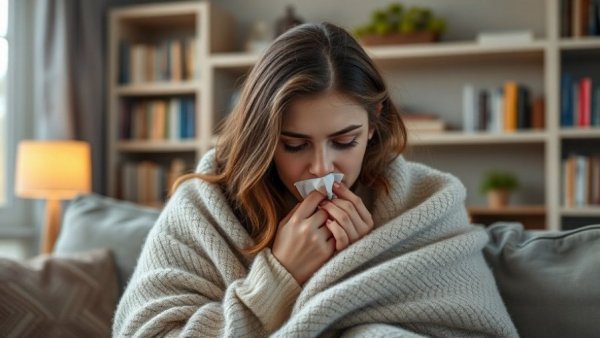
Flu Season Kicks Off: What You Need to Know
Cases of the flu are becoming increasingly reported across the U.S., with the Centers for Disease Control and Prevention (CDC) highlighting an early spike in seasonal flu activity. As of the week ending Nov. 7, nearly 11% of flu tests at clinical labs returned positive results, which is significantly higher than the usual figures for this time of year. With over 3% of visits to doctors being related to flu-like symptoms, it's crucial for everyone, especially those in high-risk groups, to stay informed and take necessary precautions. The information on flu activity is particularly relevant as we approach the busy holiday season, when interactions with family and friends increase the likelihood of spreading illnesses.
At-Risk Populations: Why Flu Vaccination Matters
For individuals over 55, particularly in Louisiana where the flu has been classified as "very high," this information is particularly vital. The CDC estimates around 2.6 million flu illnesses have been reported for this season, coupled with 36,000 hospitalizations and 2,100 deaths. Among these fatalities, five children have succumbed to the illness, underscoring the need for proactive health measures. Dr. Anna Durbin from Johns Hopkins University expressed alarm that the hospitalization rate this October was the highest recorded in 15 years. The message is clear: getting a flu vaccine is one of the simplest yet most effective ways to shield oneself from the flu. This proactive approach can significantly reduce the chances of severe illness and complications.
Insights from Health Experts on Flu Preparedness
As Thanksgiving approaches, Dr. Fred Lopez, an infectious diseases specialist at the LSU Health Sciences Center, warned that the combination of holiday travel and gatherings will likely exacerbate the spread of the flu and other respiratory viruses. His advice? Don’t wait—get vaccinated now. Vaccination significantly reduces the risk of severe illness. The CDC recommends everyone aged 6 months and older receive an annual flu vaccine, positioning this as a simple, critical step for public health. The added layer of protection is particularly beneficial for older adults and those with underlying health conditions.
Understanding the Variants: What to Expect This Season
This season, the influenza A(H1N1)pdm09 strain is reportedly the most prevalent, a strain that has not only survived but thrived since its pandemic emergence in 2009. Understanding which viruses are circulating is vital for tracking and managing flu outbreaks. While the CDC cautions that an early uptick in flu cases doesn’t necessarily predict a more severe season, vigilance remains paramount. Additionally, public health officials emphasize the importance of staying updated on the latest variants circulating during the flu season. Interpretation of flu trends can help inform individual decisions about vaccination and health practices.
Immunity Boosting: Nutrition and Lifestyle Tips
For our audience in Louisiana who may be considering lifestyle adjustments, nutrition plays a pivotal role in boosting your immune response. Foods rich in vitamins C and D, such as citrus fruits and fortified dairy, can strengthen your body's defenses against influenza. Similarly, consuming leafy greens and foods rich in antioxidants may help the immune system function optimally. Additionally, ensuring you get enough sleep and staying hydrated are essential practices. Incorporating physical activity into your routine can also help bolster your immune system, decreasing the likelihood of flu infection. Even small changes, such as opting for a daily walk or including a variety of fruits and vegetables in your diet, can enhance overall health.
What If You Get Sick? Knowing the Next Steps
If flu-like symptoms develop, it’s crucial to take timely action. Prescription antiviral drugs, such as oseltamivir, are most effective when taken within the first 48 hours of symptoms. Those at highest risk, particularly older adults, should seek treatment promptly. Monitoring symptoms—like fever, cough, and sore throat—and communicating with healthcare providers effectively can help ensure a smoother recovery. Awareness of when to seek medical attention is also key. For those with worsening symptoms or difficulty breathing, immediate medical evaluation is advised.
Conclusion: Be Proactive This Flu Season
The CDC's data offers a sobering reminder for everyone, especially for those over 55 in Louisiana. With flu activity peaking and public events approaching, staying vigilant, getting vaccinated, and maintaining a healthy lifestyle are integral actions to take this season. Protect yourself and your loved ones by being proactive, and make this the healthiest holiday season yet. By prioritizing flu prevention, you contribute not only to your own health but also to the well-being of your community.
Before you gather around the Thanksgiving table, make flu prevention a priority. Schedule your vaccine today and explore healthy habits that may help you dodge the flu. As you prepare for festive gatherings, remember the simple yet effective steps that can create a healthier family environment. Foster conversations about health with loved ones and remind each other of the importance of vaccinations, healthy eating, and staying informed about flu updates.





Write A Comment