
• Home
  • Categories
    • Health
    • Money
    • Lifestyle
    • Travel
    • Entertainment
    • Louisiana News
    • Jobs and Careers
    • Featured
January 10.2026
4 Minutes Read

How the $1.3 Million from Pro Bono Publico Foundation Will Transform New Orleans Schools

Pro Bono Publico Foundation awards grant to New Orleans schools at festive event.

Strengthening the Future: $1.3 Million Investment in New Orleans Schools

In a pivotal moment for education in New Orleans, the Pro Bono Publico Foundation has announced a remarkable contribution of over $1.3 million in grants aimed at bolstering public schools and education programs across the city. This year marks the foundation's 11th consecutive year of providing more than $1 million, highlighting an enduring commitment to enhancing the quality of education for local students.

Since its inception in 2006, the Pro Bono Publico Foundation, a charitable arm of the Rex organization established to help rebuild the educational landscape after Hurricane Katrina, has channeled over $16 million to various educational initiatives. As many educational institutions grapple with funding shortages, this funding represents not just financial aid, but a lifeline for daily operational needs—granting school leaders the flexibility to support essential programs and resources.

A Diverse Array of Funding: Supporting Schools and Students

This year's funding encompasses 77 grants to schools and non-profit organizations, including over 20 public schools. Most notably, the grant distribution includes 74 operational grants, which directly enhance school budgets and provide students with enriched learning experiences.

Among the major beneficiaries is Manning Family Children’s Hospital, which received a multi-year strategic grant of $250,000 aimed at expanding access to physical and mental health services for students. Emily Wolff, the Vice President for Community Impact at Manning Family Children's, emphasizes that this funding is crucial in closing gaps in care, particularly for students facing challenging circumstances. She shared a touching story of a sixth-grade student who, through this support, was able to turn his life around following a personal loss.

Investing in Educators: Strategic Grants for Lasting Change

In addition to operational grants, this year’s awards included targeted strategic funding. For instance, New Schools for New Orleans received $100,000 to support teacher recruitment and retention through its innovative “grow your own” initiative, which equips high school students interested in teaching with real classroom experience. This investment not only addresses critical staffing challenges but also aims to inspire the next generation of educators.

Such comprehensive funding strategies signify a thoughtful approach to education in New Orleans, emphasizing the importance of long-term investments in both students and educators. Merritt Lane, a board member of the foundation, stated, "We have made tremendous progress, but we recognize there is much work still to be done to ensure excellence in all of our schools." This acknowledgment of ongoing challenges reflects a commitment to continually adapt and invest in the educational ecosystem of New Orleans.

The Ripple Effect: What This Means for the Community

The impact of these grants extends beyond the immediate educational benefits; they also encourage national funders to recognize New Orleans as a vibrant and supportive environment for educational investment. According to Lane, this level of commitment signals to those outside the region that local financial support remains strong, potentially leading to more resources pouring into the community.

As we reflect on these generous grants fueled by the Pro Bono Publico Foundation, it’s crucial to acknowledge the broader implications for children's health, well-being, and overall academic success in the New Orleans community. Education lays the groundwork for a brighter future, and these continued investments reveal a community dedicated to ensuring that every child has the opportunity to thrive.

Looking Ahead: The Future of Education in New Orleans

As we look to the future, the support provided by the Pro Bono Publico Foundation serves as a source of inspiration for both current and prospective educational initiatives. With this funding stream, educational leaders can pursue innovative programs that respond to the evolving needs of students, such as mental health services and enhanced learning experiences.

Moreover, the collective efforts of local foundations and the Pro Bono Publico Foundation highlight a community united in the pursuit of educational equity and excellence. For those directly impacted by these changes—students, educators, and families—the benefits of such funding are apparent. Students will have better access to services and resources, which ultimately leads to a more well-rounded education.

Conclusion: A Call to Action for Community Engagement

The ongoing commitment to education showcased by the Pro Bono Publico Foundation serves as a reminder of the intrinsic value of investing in our youth. As local stakeholders and community members, it is essential to engage with these initiatives actively. Volunteering time, supporting local schools, and advocating for educational resources can help reinforce these efforts and create a stronger future for New Orleans' children. Every action counts in this unified goal to elevate public education and ensure that all students reach their full potential.


Louisiana News

27 Views

Write A Comment

*
*
Please complete the captcha to submit your comment.
Related Posts All Posts
11.23.2026

The Water Crisis in Plaquemines Parish: Understanding the Impact on Seniors

Update The Water Crisis in Plaquemines Parish: A Community's Challenge A break in a critical water line south of Daybrook Fisheries has caused significant water disruption, affecting residents from Empire to Venice. For many who live in this region of Plaquemines Parish, this isn't just an inconvenience; it's a distressing reality that emphasizes the need for reliable infrastructure. Residents, especially seniors, are left grappling with the challenges of accessing clean water, which many may take for granted. In our everyday lives, the ability to turn on a faucet and obtain fresh, safe drinking water seems like a basic expectation. Unfortunately, as recent events show, this expectation has been turned on its head for some in the community. Understanding the Impact on Seniors The implications of this waterline break are profound, particularly for seniors aged 55 and older. Many in this demographic might have mobility issues or health concerns, making the search for alternative water sources a daunting task. Health officials stress that access to clean and consistent water is crucial for staying hydrated, especially for older adults who may be at a higher risk for dehydration or other water-related health issues. Additionally, seniors often require more water for medications and daily living activities, making loss of access even more critical. Furthermore, the psychological impact of such disruptions can weigh heavily on older individuals. Many seniors may feel uncertain or anxious, not only due to lack of water but also due to the concerns that arise with disruptions to their routines. The stress of navigating through these circumstances can easily take a toll on their overall well-being, highlighting the importance of community support during such trying times. Infrastructure and Its Importance This incident highlights broader questions about infrastructure maintenance in Louisiana. Aging water lines and insufficient investment in public utilities have long been a pressing issue in many areas. Infrastructure failures not only disrupt daily life but also expose the vulnerabilities in local governance and community preparedness. The incident in Plaquemines Parish is a stark reminder of how critical it is to prioritize these services, particularly for areas that house many seniors. The area’s location along the coast makes it particularly susceptible to natural disasters, yet inadequate measures have historically been taken to enhance the resilience of essential services such as water supply. Moreover, older infrastructure can often exacerbate issues, as temporary fixes may be employed rather than long-term solutions. The community's reliance on outdated systems necessitates a significant overhaul to ensure that essential services are safeguarded against potential breakdowns. This is an urgent call to action for both local governments and citizens. Their collective advocacy can help secure the funding and policies needed to modernize water systems. Community Response and Resilience In the wake of this disruption, community leaders and officials are mobilizing to address the immediate needs of affected residents. Distribution points for bottled water have been set up, easing some of the urgency felt among the community. However, this moment of crisis also serves as an opportunity for community solidarity. Many locals have stepped up to assist their neighbors, showcasing the strong ties that exist within this tight-knit region. Neighbors are checking in on one another, reaching out to those who may need additional help, and forming support networks to share resources and information about available assistance. Volunteer groups are playing a pivotal role in helping deliver water to those unable to get to distribution points, particularly vulnerable seniors and individuals with disabilities. These initiatives highlight the spirit of the community and the collective willingness to support each other, particularly during challenging times. Such resilience not only helps mitigate the immediate effects of the crisis but fosters deeper connections within the neighborhood. Looking Ahead: Solutions for a Sustainable Future The future of water service in Plaquemines Parish calls for a reevaluation of current infrastructure and its sustainability. Experts suggest that proactive measures should be implemented to prevent such situations in the future; this includes potential upgrades to the waterline system and investments that prioritize resilience against natural disasters, which are likely to impact this coastal community. A long-term plan for infrastructure development will aid in ensuring reliable access to water and protecting the residents from similar crises. A Call for Engagement As residents of Plaquemines Parish navigate this challenging time, seniors can play a crucial role in advocating for better services and infrastructure. Engaging with local representatives, attending town hall meetings, and voicing the specific challenges faced by the older population can help drive the changes needed in community planning and resource allocation. The experiences of seniors should be front and center in discussions about future infrastructure projects. Their insights can offer valuable perspectives on how these services can be improved to better serve the community's needs. Why Staying Informed Matters For seniors and their families, understanding local issues such as these can be empowering. Knowledge is crucial; it helps individuals know their rights and what services should be available to them. As these water issues continue to unfold, keeping communication open with neighbors and local organizations can provide vital support networks during emergencies. Ensuring that seniors are included in informational campaigns helps demystify water issues and promotes community education, ultimately benefiting the entire population. Encouragement to Take Action As this incident illustrates, water disruptions can affect anyone, but they disproportionately impact the vulnerable. Seniors are encouraged to remain engaged and take action, whether that be advocating for better infrastructure or simply ensuring they are prepared for emergencies. Regularly checking in with local news and being part of community discussions can foster an environment of safety and preparedness. Stay informed about local service updates and community resources, and discuss with your peers how you can collectively address these kinds of challenges in the future. Awareness and preparedness can go a long way in mitigating the effects of future disruptions in vital services, ensuring that no one is left without essential support when crises arise.

11.23.2026

Important Safety Alert: Honda Recalls 810,000 Vehicles Amid Takata Airbag Risks

Update Understanding the Honda Recall Impacting 810,000 Vehicles Honda has announced a significant recall of over 810,000 vehicles due to a serious safety concern involving defective Takata airbag inflators. This action has sparked alarms among drivers, particularly among older adults who might rely heavily on their vehicles for daily activities such as grocery shopping, socializing with friends, and attending medical appointments. The concern revolves around the potential for these inflators to rupture, sending metal shrapnel into the passenger compartment where drivers and passengers are seated. This serious malfunction underscores the ongoing repercussions of the Takata airbag crisis, which has proven to be one of the largest automotive recalls in history, impacting millions of vehicles globally. The Origins of the Takata Airbag Crisis To fully grasp the severity of this issue, it's essential to reflect on the history of Takata airbag inflators. Initially lauded for their safety features, these airbags became infamous due to manufacturing defects linked to an explosive chemical called ammonium nitrate. This chemical can degrade over time, especially in humid conditions, which is particularly relevant for many areas in Louisiana known for their high humidity. The result has been a series of recalls spanning over a decade, involving various auto manufacturers and millions of vehicles. Older vehicle owners in Louisiana, many of whom cherish their independence and mobility, may find themselves grappling with the implications of this longstanding problem. Why This Matters to Older Drivers in Louisiana For many residents of Louisiana aged 55 and older, vehicles are not just means of transportation; they are lifelines enabling access to medical appointments, social gatherings, and essential services. As the population ages, the importance of vehicle safety for this demographic is increasingly evident. Older drivers are often more susceptible to severe injuries from vehicle accidents, making the Takata airbag issue especially pertinent. Furthermore, the ability to drive safely can greatly influence the quality of life for older adults, ensuring they maintain their freedom and independence. Honda owners within this age group must act promptly and thoroughly comprehend the implications of this recall. Steps to Take as a Honda Owner If you're among the many Honda owners impacted by this recall, following the recall process is crucial for ensuring your safety. First, check your vehicle identification number (VIN) against the National Highway Traffic Safety Administration (NHTSA) database or Honda’s official site to confirm if your vehicle is affected. If it is, be proactive in scheduling a service appointment with your local dealer, who will replace the defective inflators at no charge. Additionally, older drivers may want to bring a trusted family member or friend along to discuss the recall and ask important questions during the service visit. Having someone by your side can also make the process feel less daunting, as they can help navigate any technical jargon or paperwork involved. Other Vehicles Affected by Takata Recalls This extensive recall isn't limited to Honda alone. Other manufacturers, including Ford, BMW, and Nissan, have also been forced to address issues related to Takata inflators. Many of Louisiana's residents may own vehicles from different manufacturers, which highlights the importance of being aware of the safety status of any vehicle, regardless of the make. This wide-reaching problem emphasizes the interconnectedness of automotive safety standards and recalls across brands, reminding all vehicle owners, particularly older individuals, to remain vigilant regarding the safety of their vehicles. Checking regularly for any recalls is a good habit that can help ensure your safety on the roads. Community and Health Implications Addressing the safety of vehicles goes beyond the individual; it fosters a community discourse about transportation safety. Local service stations and community organizations are urged to assist affected individuals by providing information about recalls and safety checks, particularly for elderly drivers who may feel overwhelmed by the process. Building supportive networks can help ensure seniors stay informed and safe on the road. Community workshops or informational sessions hosted by senior centers could serve as valuable resources to educate older drivers about vehicle safety and recall processes, helping everyone feel empowered. Final Thoughts: The Importance of Staying Informed Understanding vehicle safety recalls is essential, particularly for senior drivers who may be less accustomed to technology and information sources. Awareness empowers individuals to act, ensuring their safety and the safety of their loved ones while on the road. As trends in automotive safety continue to evolve, retaining a commitment to stay informed about vehicle safety recalls is vital for everyone, especially those in the most vulnerable age groups. As Honda proceeds with this large-scale recall, community discussions about automotive safety are as crucial as ever. Keeping older adults informed and engaged in the conversation around vehicle safety is essential. By empowering our community to address— and ultimately reduce—the risks associated with potentially defective vehicles, we can foster not only safer driving environments but also enhance the quality of life for older residents throughout Louisiana. Regular communication between drivers, family, and community organizations can create a robust support system, helping seniors maintain their independence while navigating the complexities of vehicle safety.

11.23.2026

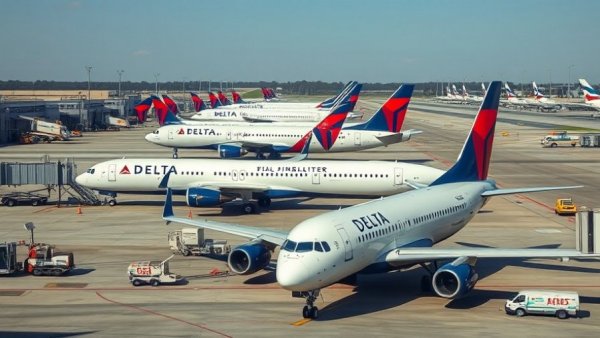
Ground Delay Hits Delta Flights: What Louisiana Seniors Should Know

Update Understanding the Ground Delay: What Happened? On a recent Sunday, the Federal Aviation Administration (FAA) issued a ground delay affecting Delta flights to and from Hartsfield-Jackson Airport in Atlanta. This decision stemmed from a technical issue related to weight balance automation, which is essential for ensuring safe aviation operations. Such automation helps ensure that aircraft are loaded correctly, balancing the aircraft to enable safe takeoff and landing. When a fault is detected in this system, it is crucial for safety reasons to pause operations until the issue can be resolved, which ultimately delays flights. Why This Matters for Travelers If you're planning to travel from Louisiana, particularly if you are 55 and older, this news is especially important for your travel plans. Older travelers may have specific needs and preferences when it comes to flying, such as needing more time for boarding or requiring assistance with mobility. Thus, delays can significantly impact schedules, leading to longer wait times and fractured itineraries, ultimately affecting your journey. In some cases, such delays may lead to missed connections, which can be particularly stressful if you have appointments, family commitments, or travel for leisure. Being informed about flight delays helps you make better travel arrangements and avoid last-minute surprises. Potential Emotional Impact Traveling can be a stressful experience at any age. However, for those in their 50s, 60s, and beyond, unexpected delays add a layer of stress that can exacerbate feelings of anxiety, particularly for those who may already find airport environments overwhelming. For older adults, whose trips may involve more planning to accommodate health and mobility issues, such interruptions can be particularly disheartening. Knowing what to expect can alleviate some of that apprehension. Have a mental checklist in place about coping strategies to maintain calm during these moments can help enhance your travel experience. Practical Tips for Navigating Flight Delays To turn a frustrating situation into a manageable one, here are some practical tips that may help ease the strain of delays: Stay Informed: Regularly check your flight status online or through your airline’s app. Many airlines now offer notifications via text or email, so consider signing up for these updates for enhanced convenience. Connect with Staff: Don’t hesitate to contact airport or airline staff for help in rebooking or addressing your concerns. Airport personnel are often trained to assist passengers in navigating delays and can provide guidance on the next possible steps. Have a Backup Plan: Consider scheduling later flights or researching alternative routes that may be less prone to delays. If your travel is flexible, having an alternative plan can save you time and reduce stress. Stay Patient: Remember to remain calm and patient; stressful situations are best handled with a clear mind. Finding a place to sit and take a few deep breaths may help you stay centered. Pack Smart: Always keep essential items—like medications, snacks, and entertainment—accessible during long waits. This is especially important for seniors who may need specific dietary items or medications at regular intervals. Looking Ahead: Future Flight Safety Improvements As technology continues to advance in air travel, airlines and regulatory bodies like the FAA aim to improve flight safety and efficiency continually. Current setbacks, like the ground delay mentioned, serve as reminders of the systems' need for constant checks and balances. Future innovations may include better automated systems for balance checks, improved real-time monitoring of equipment, and more seamless communication between airlines and passengers. These advancements will benefit all travelers, particularly older adults, by reducing the frequency and duration of delays. Insights from Frequent Travelers Many experienced travelers offer valuable insights into how to make the most of unexpected delays. To ensure comfort, they suggest keeping essential items—like medication, snacks, and entertainment—accessible during long waits. Personal anecdotes show that having something to engage with, like a good book or crossword puzzle, can make delays less daunting. Additionally, some travelers recommend current technology tools such as downloading games or puzzles on a device beforehand to stay occupied during any unexpected downtime. The Role of Support Networks For seniors, having a support network when traveling can be incredibly beneficial. Whether traveling solo or with family or friends, familiar faces can be a source of comfort when delays happen. Consider discussing flight plans with loved ones before departure, so they can offer assistance in case of changes or complications. Additionally, many airline services offer travel assistance for older adults, providing extra support during turbulent travel times. This could be in the form of help with boarding, navigating through terminals, or offering priority services during delays. Final Thoughts As we navigate an increasingly complex air travel landscape, it is pivotal for travelers, especially seniors, to stay informed about current conditions. This knowledge helps manage expectations and ensures a safer, smoother experience. In an era where travel can quickly become unpredictable, remember that staying prepared is empowering. Keeping abreast of developments regarding your flights, as well as knowing your rights as a passenger, can not only help you in effectively managing your travel plans but also offers a sense of comfort. Knowledge is not just power but also a source of reassurance on your travels. As you embark on your next trip, keep these tips in mind to help navigate potential delays with grace and ease. Safe travels!

Golden Years of Louisiana

GoldenYearsLA.com is Louisiana’s trusted online magazine for seniors, offering lifestyle inspiration, health tips, financial guidance, and travel ideas tailored to you.

  • Privacy Policy
  • Terms of Use
  • Advertise
  • Contact Us
  • Menu 5
  • Menu 6
Hours

AVAILABLE M-F 9AM - 5PM CST

Hall Street Media

Hall Street Media is a Louisiana-based media company creating engaging digital publications for lifestyle, health, business, and regional audiences across the Gulf South.

© 2026 Golden Years of Louisiana All Rights Reserved. Hall Street Media, Lafayette, Louisiana 70501 . Contact Us . Terms of Service . Privacy Policy

eyJjb21wYW55IjoiR29sZGVuIFllYXJzIG9mIExvdWlzaWFuYSIsImFkZHJlc3MiOiJIYWxsIFN0cmVldCBNZWRpYSIsImNpdHkiOiJMYWZheWV0dGUiLCJzdGF0ZSI6IkxvdWlzaWFuYSIsInppcCI6IjcwNTAxIiwiZW1haWwiOiJnb2xkZW55ZWFyc2xhQGdtYWlsLmNvbSIsInRvcyI6IlBIQStQSE4wY205dVp6NDhaVzArVjJobGJpQjViM1VnYzJsbmJpMXBiaUIzYVhSb0lIVnpMQ0I1YjNVZ1lYSmxJR2RwZG1sdVp5WnVZbk53T3lCNWIzVnlJSEJsY20xcGMzTnBiMjRnWVc1a0lHTnZibk5sYm5RZ2RHOGdjMlZ1WkNCNWIzVWdaVzFoYVd3Z1lXNWtMMjl5SUZOTlV5QjBaWGgwSUcxbGMzTmhaMlZ6TGlCQ2VTQmphR1ZqYTJsdVp5QjBhR1VnVkdWeWJYTWdZVzVrSUVOdmJtUnBkR2x2Ym5NZ1ltOTRJR0Z1WkNCaWVTQnphV2R1YVc1bklHbHVJSGx2ZFNCaGRYUnZiV0YwYVdOaGJHeDVJR052Ym1acGNtMGdkR2hoZENCNWIzVWdZV05qWlhCMElHRnNiQ0IwWlhKdGN5QnBiaUIwYUdseklHRm5jbVZsYldWdWRDNDhMMlZ0UGp3dmMzUnliMjVuUGp3dmNENEtDanh3UG1oMGRIQnpPaTh2WjI5c1pHVnVlV1ZoY25Oc1lTNWpiMjA4TDNBK0NnbzhjRDRtYm1KemNEczhMM0ErQ2dvOGNENDhjM1J5YjI1blBsTkZVbFpKUTBVOEwzTjBjbTl1Wno0OEwzQStDZ284Y0Q1WFpTQndjbTkyYVdSbElHRWdjMlZ5ZG1salpTQjBhR0YwSUdOMWNuSmxiblJzZVNCaGJHeHZkM01nZVc5MUlIUnZJSEpsWTJWcGRtVWdjbVZ4ZFdWemRITWdabTl5SUdabFpXUmlZV05yTENCamIyMXdZVzU1SUdsdVptOXliV0YwYVc5dUxDQndjbTl0YjNScGIyNWhiQ0JwYm1admNtMWhkR2x2Yml3Z1kyOXRjR0Z1ZVNCaGJHVnlkSE1zSUdOdmRYQnZibk1zSUdScGMyTnZkVzUwY3lCaGJtUWdiM1JvWlhJZ2JtOTBhV1pwWTJGMGFXOXVjeUIwYnlCNWIzVnlJR1Z0WVdsc0lHRmtaSEpsYzNNZ1lXNWtMMjl5SUdObGJHeDFiR0Z5SUhCb2IyNWxJRzl5SUdSbGRtbGpaUzRnV1c5MUlIVnVaR1Z5YzNSaGJtUWdZVzVrSUdGbmNtVmxJSFJvWVhRZ2RHaGxJRk5sY25acFkyVWdhWE1nY0hKdmRtbGtaV1FnSm5GMWIzUTdRVk10U1ZNbWNYVnZkRHNnWVc1a0lIUm9ZWFFnZDJVZ1lYTnpkVzFsSUc1dklISmxjM0J2Ym5OcFltbHNhWFI1SUdadmNpQjBhR1VnZEdsdFpXeHBibVZ6Y3l3Z1pHVnNaWFJwYjI0c0lHMXBjeTFrWld4cGRtVnllU0J2Y2lCbVlXbHNkWEpsSUhSdklITjBiM0psSUdGdWVTQjFjMlZ5SUdOdmJXMTFibWxqWVhScGIyNXpJRzl5SUhCbGNuTnZibUZzYVhwaGRHbHZiaUJ6WlhSMGFXNW5jeTQ4TDNBK0NnbzhjRDVaYjNVZ1lYSmxJSEpsYzNCdmJuTnBZbXhsSUdadmNpQnZZblJoYVc1cGJtY2dZV05qWlhOeklIUnZJSFJvWlNCVFpYSjJhV05sSUdGdVpDQjBhR0YwSUdGalkyVnpjeUJ0WVhrZ2FXNTJiMngyWlNCMGFHbHlaQ0J3WVhKMGVTQm1aV1Z6SUNoemRXTm9JR0Z6SUZOTlV5QjBaWGgwSUcxbGMzTmhaMlZ6TENCSmJuUmxjbTVsZENCelpYSjJhV05sSUhCeWIzWnBaR1Z5SUc5eUlHTmxiR3gxYkdGeUlHRnBjblJwYldVZ1kyaGhjbWRsY3lrdUlGbHZkU0JoY21VZ2NtVnpjRzl1YzJsaWJHVWdabTl5SUhSb2IzTmxJR1psWlhNc0lHbHVZMngxWkdsdVp5QjBhRzl6WlNCbVpXVnpJR0Z6YzI5amFXRjBaV1FnZDJsMGFDQjBhR1VnWkdsemNHeGhlU0J2Y2lCa1pXeHBkbVZ5ZVNCdlppQmxZV05vSUZOTlV5QjBaWGgwSUcxbGMzTmhaMlVnYzJWdWRDQjBieUI1YjNVZ1lua2dkWE11SUVsdUlHRmtaR2wwYVc5dUxDQjViM1VnYlhWemRDQndjbTkyYVdSbElHRnVaQ0JoY21VZ2NtVnpjRzl1YzJsaWJHVWdabTl5SUdGc2JDQmxjWFZwY0cxbGJuUWdibVZqWlhOellYSjVJSFJ2SUdGalkyVnpjeUIwYUdVZ1UyVnlkbWxqWlNCaGJtUWdjbVZqWldsMlpTQjBhR1VnVTAxVElIUmxlSFFnYldWemMyRm5aWE11SUZkbElHUnZJRzV2ZENCamFHRnlaMlVnWVc1NUlHWmxaWE1nWm05eUlHUmxiR2wyWlhKNUlHOW1JR1Z0WVdsc0lHOXlJRk5OVXk0Z1ZHaHBjeUJwY3lCaElHWnlaV1VnYzJWeWRtbGpaU0J3Y205MmFXUmxaQ0JpZVNCMWN5NGdTRzkzWlhabGNpd2djR3hsWVhObElHTm9aV05ySUhkcGRHZ2dlVzkxY2lCcGJuUmxjbTVsZENCelpYSjJhV05sSUhCeWIzWnBaR1Z5SUdGdVpDQmpaV3hzZFd4aGNpQmpZWEp5YVdWeUlHWnZjaUJoYm5rZ1kyaGhjbWRsY3lCMGFHRjBJRzFoZVNCcGJtTjFjaUJoY3lCaElISmxjM1ZzZENCbWNtOXRJSEpsWTJWcGRtbHVaeUJsYldGcGJDQmhibVFnVTAxVElIUmxlSFFnYldWemMyRm5aWE1nZEdoaGRDQjNaU0JrWld4cGRtVnlJSFZ3YjI0Z2VXOTFjaUJ2Y0hRdGFXNGdZVzVrSUhKbFoybHpkSEpoZEdsdmJpQjNhWFJvSUc5MWNpQmxiV0ZwYkNCaGJtUWdVMDFUSUhObGNuWnBZMlZ6TGlCWmIzVWdZMkZ1SUdOaGJtTmxiQ0JoZENCaGJua2dkR2x0WlM0Z1NuVnpkQ0IwWlhoMElDWnhkVzkwTzFOVVQxQW1jWFZ2ZERzZ2RHOG1ibUp6Y0RzOGFHbG5hR3hwWjJoMElHTnNZWE56UFNKamIyMXdZVzU1VTAxVFVHaHZibVZWY0dSaGRHVWlQbTUxYkd3OEwyaHBaMmhzYVdkb2RENHVJRUZtZEdWeUlIbHZkU0J6Wlc1a0lIUm9aU0JUVFZNZ2JXVnpjMkZuWlNBbWNYVnZkRHRUVkU5UUpuRjFiM1E3SUhSdklIVnpMQ0IzWlNCM2FXeHNJSE5sYm1RZ2VXOTFJR0Z1SUZOTlV5QnRaWE56WVdkbElIUnZJR052Ym1acGNtMGdkR2hoZENCNWIzVWdhR0YyWlNCaVpXVnVJSFZ1YzNWaWMyTnlhV0psWkM0Z1FXWjBaWElnZEdocGN5d2dlVzkxSUhkcGJHd2dibThnYkc5dVoyVnlJSEpsWTJWcGRtVWdVMDFUSUcxbGMzTmhaMlZ6SUdaeWIyMGdkWE11UEM5d1Bnb0tQSEErUEhOMGNtOXVaejVaVDFWU0lGSkZSMGxUVkZKQlZFbFBUaUJQUWt4SlIwRlVTVTlPVXp3dmMzUnliMjVuUGp3dmNENEtDanh3UGtsdUlHTnZibk5wWkdWeVlYUnBiMjRnYjJZZ2VXOTFjaUIxYzJVZ2IyWWdkR2hsSUZObGNuWnBZMlVzSUhsdmRTQmhaM0psWlNCMGJ6bzhMM0ErQ2dvOGIydytDZ2s4YkdrK2NISnZkbWxrWlNCMGNuVmxMQ0JoWTJOMWNtRjBaU3dnWTNWeWNtVnVkQ0JoYm1RZ1kyOXRjR3hsZEdVZ2FXNW1iM0p0WVhScGIyNGdZV0p2ZFhRZ2VXOTFjbk5sYkdZZ1lYTWdjSEp2YlhCMFpXUWdZbmtnZEdobElGTmxjblpwWTJVbUl6TTVPM01nY21WbmFYTjBjbUYwYVc5dUlHWnZjbTBnS0hOMVkyZ2dhVzVtYjNKdFlYUnBiMjRnWW1WcGJtY2dkR2hsSUNaeGRXOTBPMUpsWjJsemRISmhkR2x2YmlCRVlYUmhKbkYxYjNRN0tTQmhibVE4TDJ4cFBnb0pQR3hwUG0xaGFXNTBZV2x1SUdGdVpDQndjbTl0Y0hSc2VTQjFjR1JoZEdVZ2RHaGxJRkpsWjJsemRISmhkR2x2YmlCRVlYUmhJSFJ2SUd0bFpYQWdhWFFnZEhKMVpTd2dZV05qZFhKaGRHVXNJR04xY25KbGJuUWdZVzVrSUdOdmJYQnNaWFJsTGlCSlppQjViM1VnY0hKdmRtbGtaU0JoYm5rZ2FXNW1iM0p0WVhScGIyNGdkR2hoZENCcGN5QjFiblJ5ZFdVc0lHbHVZV05qZFhKaGRHVXNJRzV2ZENCamRYSnlaVzUwSUc5eUlHbHVZMjl0Y0d4bGRHVXNJRzl5SUhkbElHaGhkbVVnY21WaGMyOXVZV0pzWlNCbmNtOTFibVJ6SUhSdklITjFjM0JsWTNRZ2RHaGhkQ0J6ZFdOb0lHbHVabTl5YldGMGFXOXVJR2x6SUhWdWRISjFaU3dnYVc1aFkyTjFjbUYwWlN3Z2JtOTBJR04xY25KbGJuUWdiM0lnYVc1amIyMXdiR1YwWlN3Z2QyVWdhR0YyWlNCMGFHVWdjbWxuYUhRZ2RHOGdjM1Z6Y0dWdVpDQnZjaUE4YzNSeWIyNW5Qanh6Y0dGdUlITjBlV3hsUFNKamIyeHZjam9qUmtZd01EQXdPeUkrZEdWeWJXbHVZWFJsSUhsdmRYSWdZV05qYjNWdWRDOXdjbTltYVd4bElHRnVaQ0J5WldaMWMyVWdZVzU1SUdGdVpDQmhiR3dnWTNWeWNtVnVkQ0J2Y2lCbWRYUjFjbVVnZFhObElHOW1JSFJvWlNCVFpYSjJhV05sSUNodmNpQmhibmtnY0c5eWRHbHZiaUIwYUdWeVpXOW1LUzQ4TDNOd1lXNCtQQzl6ZEhKdmJtYytQQzlzYVQ0S1BDOXZiRDRLQ2p4d1BpWnVZbk53T3p3dmNENEtQR2hwWjJoc2FXZG9kQ0JqYkdGemN6MGlZMjl0Y0dGdWVVNWhiV1ZWY0dSaGRHVWlQa2R2YkdSbGJpQlpaV0Z5Y3lCdlppQk1iM1ZwYzJsaGJtRThMMmhwWjJoc2FXZG9kRDQ4WW5JZ0x6NEtQR2hwWjJoc2FXZG9kQ0JqYkdGemN6MGlZMjl0Y0dGdWVVVnRZV2xzVlhCa1lYUmxJajVuYjJ4a1pXNTVaV0Z5YzJ4aFFHZHRZV2xzTG1OdmJUd3ZhR2xuYUd4cFoyaDBQZz09IiwicHJpdmFjeSI6IlBIQStQSE4wY205dVp6NVFVa2xXUVVOWlBDOXpkSEp2Ym1jK1BDOXdQZ29LUEhBK1BITjBjbTl1Wno1VWFHVWdhVzVtYjNKdFlYUnBiMjRnY0hKdmRtbGtaV1FnWkhWeWFXNW5JSFJvYVhNZ2NtVm5hWE4wY21GMGFXOXVJR2x6SUd0bGNIUWdjSEpwZG1GMFpTQmhibVFnWTI5dVptbGtaVzUwYVdGc0xDQmhibVFnZDJsc2JDQnVaWFpsY2lCaVpTQmthWE4wY21saWRYUmxaQ3dnWTI5d2FXVmtMQ0J6YjJ4a0xDQjBjbUZrWldRZ2IzSWdjRzl6ZEdWa0lHbHVJR0Z1ZVNCM1lYa3NJSE5vWVhCbElHOXlJR1p2Y20wdUlGUm9hWE1nYVhNZ2IzVnlJR2QxWVhKaGJuUmxaUzQ4TDNOMGNtOXVaejQ4TDNBK0NnbzhjRDQ4YzNSeWIyNW5Qa2xPUkVWTlRrbFVXVHd2YzNSeWIyNW5Qand2Y0Q0S0NqeHdQanhsYlQ1WmIzVWdZV2R5WldVZ2RHOGdhVzVrWlcxdWFXWjVJR0Z1WkNCb2IyeGtJSFZ6TENCaGJtUWdhWFJ6SUhOMVluTnBaR2xoY21sbGN5d2dZV1ptYVd4cFlYUmxjeXdnYjJabWFXTmxjbk1zSUdGblpXNTBjeXdnWTI4dFluSmhibVJsY25NZ2IzSWdiM1JvWlhJZ2NHRnlkRzVsY25Nc0lHRnVaQ0JsYlhCc2IzbGxaWE1zSUdoaGNtMXNaWE56SUdaeWIyMGdZVzU1SUdOc1lXbHRJRzl5SUdSbGJXRnVaQ3dnYVc1amJIVmthVzVuSUhKbFlYTnZibUZpYkdVZ1lYUjBiM0p1WlhsekppTXpPVHNnWm1WbGN5d2diV0ZrWlNCaWVTQmhibmtnZEdocGNtUWdjR0Z5ZEhrZ1pIVmxJSFJ2SUc5eUlHRnlhWE5wYm1jZ2IzVjBJRzltSUVOdmJuUmxiblFnZVc5MUlISmxZMlZwZG1Vc0lITjFZbTFwZEN3Z2NtVndiSGtzSUhCdmMzUXNJSFJ5WVc1emJXbDBJRzl5SUcxaGEyVWdZWFpoYVd4aFlteGxJSFJvY205MVoyZ2dkR2hsSUZObGNuWnBZMlVzSUhsdmRYSWdkWE5sSUc5bUlIUm9aU0JUWlhKMmFXTmxMQ0I1YjNWeUlHTnZibTVsWTNScGIyNGdkRzhnZEdobElGTmxjblpwWTJVc0lIbHZkWElnZG1sdmJHRjBhVzl1SUc5bUlIUm9aU0JVVDFNc0lHOXlJSGx2ZFhJZ2RtbHZiR0YwYVc5dUlHOW1JR0Z1ZVNCeWFXZG9kSE1nYjJZZ1lXNXZkR2hsY2k0OEwyVnRQand2Y0Q0S0NqeHdQanh6ZEhKdmJtYytSRWxUUTB4QlNVMUZVaUJQUmlCWFFWSlNRVTVVU1VWVFBDOXpkSEp2Ym1jK1BDOXdQZ29LUEhBK1BITjBjbTl1Wno1WlQxVWdSVmhRVWtWVFUweFpJRlZPUkVWU1UxUkJUa1FnUVU1RUlFRkhVa1ZGSUZSSVFWUTZQQzl6ZEhKdmJtYytQQzl3UGdvS1BHOXNQZ29KUEd4cFBsbFBWVklnVlZORklFOUdJRlJJUlNCVFJWSldTVU5GSUVsVElFRlVJRmxQVlZJZ1UwOU1SU0JTU1ZOTExpQlVTRVVnVTBWU1ZrbERSU0JKVXlCUVVrOVdTVVJGUkNCUFRpQkJUaUFtY1hWdmREdEJVeUJKVXlaeGRXOTBPeUJCVGtRZ0puRjFiM1E3UVZNZ1FWWkJTVXhCUWt4RkpuRjFiM1E3SUVKQlUwbFRMaUFzTGlCQlRrUWdWVk1zSUVsVUppTXpPVHRUSUVOVlUxUlBUVVZTVXl3Z1JWaFFVa1ZUVTB4WklFUkpVME5NUVVsTlV5QkJURXdnVjBGU1VrRk9WRWxGVXlCUFJpQkJUbGtnUzBsT1JDd2dWMGhGVkVoRlVpQkZXRkJTUlZOVElFOVNJRWxOVUV4SlJVUXNJRWxPUTB4VlJFbE9SeXdnUWxWVUlFNVBWQ0JNU1UxSlZFVkVJRlJQSUZSSVJTQkpUVkJNU1VWRUlGZEJVbEpCVGxSSlJWTWdUMFlnVFVWU1EwaEJUbFJCUWtsTVNWUlpMQ0JHU1ZST1JWTlRJRVpQVWlCQklGQkJVbFJKUTFWTVFWSWdVRlZTVUU5VFJTQkJUa1FnVGs5T0xVbE9SbEpKVGtkRlRVVk9WQzQ4TDJ4cFBnb0pQR3hwUGsxQlMwVlRJRTVQSUZkQlVsSkJUbFJaSUZSSVFWUWdLR2twSUZSSVJTQlRSVkpXU1VORklGZEpURXdnVFVWRlZDQlpUMVZTSUZKRlVWVkpVa1ZOUlU1VVV5d2dLR2xwS1NCVVNFVWdVMFZTVmtsRFJTQlhTVXhNSUVKRklGVk9TVTVVUlZKU1ZWQlVSVVFzSUZSSlRVVk1XU3dnVTBWRFZWSkZMQ0JQVWlCRlVsSlBVaTFHVWtWRkxDQW9hV2xwS1NCVVNFVWdVa1ZUVlV4VVV5QlVTRUZVSUUxQldTQkNSU0JQUWxSQlNVNUZSQ0JHVWs5TklGUklSU0JWVTBVZ1QwWWdWRWhGSUZORlVsWkpRMFVnVjBsTVRDQkNSU0JCUTBOVlVrRlVSU0JQVWlCU1JVeEpRVUpNUlN3Z1FVNUVJQ2hwZGlrZ1FVNVpJRVZTVWs5U1V5QkpUaUJVU0VVZ1UwOUdWRmRCVWtVZ1YwbE1UQ0JDUlNCRFQxSlNSVU5VUlVRdVBDOXNhVDRLQ1R4c2FUNUJUbGtnVFVGVVJWSkpRVXdnUkU5WFRreFBRVVJGUkNCUFVpQlBWRWhGVWxkSlUwVWdUMEpVUVVsT1JVUWdWRWhTVDFWSFNDQlVTRVVnVlZORklFOUdJRlJJUlNCVFJWSldTVU5GSUVsVElFUlBUa1VnUVZRZ1dVOVZVaUJQVjA0Z1JFbFRRMUpGVkVsUFRpQkJUa1FnVWtsVFN5QkJUa1FnVkVoQlZDQlpUMVVnVjBsTVRDQkNSU0JUVDB4RlRGa2dVa1ZUVUU5T1UwbENURVVnUms5U0lFRk9XU0JFUVUxQlIwVWdWRThnV1U5VlVpQkRUMDFRVlZSRlVpQlRXVk5VUlUwZ1QxSWdURTlUVXlCUFJpQkVRVlJCSUZSSVFWUWdVa1ZUVlV4VVV5QkdVazlOSUZSSVJTQkVUMWRPVEU5QlJDQlBSaUJCVGxrZ1UxVkRTQ0JOUVZSRlVrbEJUQzQ4TDJ4cFBnb0pQR3hwUGs1UElFRkVWa2xEUlNCUFVpQkpUa1pQVWsxQlZFbFBUaXdnVjBoRlZFaEZVaUJQVWtGTUlFOVNJRmRTU1ZSVVJVNHNJRTlDVkVGSlRrVkVJRUpaSUZsUFZTQkdVazlOSUU5U0lGUklVazlWUjBnZ1QxSWdSbEpQVFNCVVNFVWdVMFZTVmtsRFJTQlRTRUZNVENCRFVrVkJWRVVnUVU1WklGZEJVbEpCVGxSWklFNVBWQ0JGV0ZCU1JWTlRURmtnVTFSQlZFVkVJRWxPSUZSSVJTQlVUMU11UEM5c2FUNEtQQzl2YkQ0S0NqeHdQanh6ZEhKdmJtYytURWxOU1ZSQlZFbFBUaUJQUmlCTVNVRkNTVXhKVkZrOEwzTjBjbTl1Wno0OEwzQStDZ284Y0Q1WlQxVWdSVmhRVWtWVFUweFpJRlZPUkVWU1UxUkJUa1FnUVU1RUlFRkhVa1ZGSUZSSVFWUWdRVTVFSUZOSVFVeE1JRTVQVkNCQ1JTQk1TVUZDVEVVZ1JrOVNJRUZPV1NCRVNWSkZRMVFzSUVsT1JFbFNSVU5VTENCSlRrTkpSRVZPVkVGTUxDQlRVRVZEU1VGTUxDQkRUMDVUUlZGVlJVNVVTVUZNSUU5U0lFVllSVTFRVEVGU1dTQkVRVTFCUjBWVExDQkpUa05NVlVSSlRrY2dRbFZVSUU1UFZDQk1TVTFKVkVWRUlGUlBMQ0JFUVUxQlIwVlRJRVpQVWlCTVQxTlRJRTlHSUZCU1QwWkpWRk1zSUVkUFQwUlhTVXhNTENCVlUwVXNJRVJCVkVFZ1QxSWdUMVJJUlZJZ1NVNVVRVTVIU1VKTVJTQk1UMU5UUlZNZ0tFVldSVTRnU1VZZ1NFRlRJRUpGUlU0Z1FVUldTVk5GUkNCUFJpQlVTRVVnVUU5VFUwbENTVXhKVkZrZ1QwWWdVMVZEU0NCRVFVMUJSMFZUS1N3Z1VrVlRWVXhVU1U1SElFWlNUMDA2UEM5d1Bnb0tQRzlzUGdvSlBHeHBQbFJJUlNCVlUwVWdUMUlnVkVoRklFbE9RVUpKVEVsVVdTQlVUeUJWVTBVZ1ZFaEZJRk5GVWxaSlEwVTdQQzlzYVQ0S0NUeHNhVDVVU0VVZ1EwOVRWQ0JQUmlCUVVrOURWVkpGVFVWT1ZDQlBSaUJUVlVKVFZFbFVWVlJGSUVkUFQwUlRJRUZPUkNCVFJWSldTVU5GVXlCU1JWTlZURlJKVGtjZ1JsSlBUU0JCVGxrZ1IwOVBSRk1zSUVSQlZFRXNJRWxPUms5U1RVRlVTVTlPSUU5U0lGTkZVbFpKUTBWVElGQlZVa05JUVZORlJDQlBVaUJQUWxSQlNVNUZSQ0JQVWlCTlJWTlRRVWRGVXlCU1JVTkZTVlpGUkNCUFVpQlVVa0ZPVTBGRFZFbFBUbE1nUlU1VVJWSkZSQ0JKVGxSUElGUklVazlWUjBnZ1QxSWdSbEpQVFNCVVNFVWdVMFZTVmtsRFJUczhMMnhwUGdvSlBHeHBQbFZPUVZWVVNFOVNTVnBGUkNCQlEwTkZVMU1nVkU4Z1QxSWdRVXhVUlZKQlZFbFBUaUJQUmlCWlQxVlNJRlJTUVU1VFRVbFRVMGxQVGxNZ1QxSWdSRUZVUVRzOEwyeHBQZ29KUEd4cFBsTlVRVlJGVFVWT1ZGTWdUMUlnUTA5T1JGVkRWQ0JQUmlCQlRsa2dWRWhKVWtRZ1VFRlNWRmtnVDA0Z1ZFaEZJRk5GVWxaSlEwVTdJRTlTUEM5c2FUNEtDVHhzYVQ1QlRsa2dUMVJJUlZJZ1RVRlVWRVZTSUZKRlRFRlVTVTVISUZSUElGUklSU0JUUlZKV1NVTkZMand2YkdrK0Nqd3ZiMncrQ2dvOGNENDhkVDVDZVNCeVpXZHBjM1JsY21sdVp5QmhibVFnYzNWaWMyTnlhV0pwYm1jZ2RHOGdiM1Z5SUdWdFlXbHNJR0Z1WkNCVFRWTWdjMlZ5ZG1salpTd2dZbmtnYjNCMExXbHVMQ0J2Ym14cGJtVWdjbVZuYVhOMGNtRjBhVzl1SUc5eUlHSjVJR1pwYkd4cGJtY2diM1YwSUdFZ1kyRnlaQ3dnSm5GMWIzUTdlVzkxSUdGbmNtVmxJSFJ2SUhSb1pYTmxJRlJGVWsxVElFOUdJRk5GVWxaSlEwVW1jWFZ2ZERzZ1lXNWtJSGx2ZFNCaFkydHViM2RzWldSblpTQmhibVFnZFc1a1pYSnpkR0Z1WkNCMGFHVWdZV0p2ZG1VZ2RHVnliWE1nYjJZZ2MyVnlkbWxqWlNCdmRYUnNhVzVsWkNCaGJtUWdaR1YwWVdsc1pXUWdabTl5SUhsdmRTQjBiMlJoZVM0OEwzVStQQzl3UGdvS1BIQStKbTVpYzNBN1BDOXdQZ284YUdsbmFHeHBaMmgwSUdOc1lYTnpQU0pqYjIxd1lXNTVUbUZ0WlZWd1pHRjBaU0krUjI5c1pHVnVJRmxsWVhKeklHOW1JRXh2ZFdsemFXRnVZVHd2YUdsbmFHeHBaMmgwUGp4aWNpQXZQZ284YUdsbmFHeHBaMmgwSUdOc1lYTnpQU0pqYjIxd1lXNTVRV1JrY21WemMxVndaR0YwWlNJK1NHRnNiQ0JUZEhKbFpYUWdUV1ZrYVdFc0lFeGhabUY1WlhSMFpTd2dURzkxYVhOcFlXNWhJRGN3TlRBeFBDOW9hV2RvYkdsbmFIUStQR0p5SUM4K0NqeG9hV2RvYkdsbmFIUWdZMnhoYzNNOUltTnZiWEJoYm5sUWFHOXVaVlZ3WkdGMFpTSStLekV6TXpjeU9EZzBOalkxUEM5b2FXZG9iR2xuYUhRK1BHSnlJQzgrQ2p4b2FXZG9iR2xuYUhRZ1kyeGhjM005SW1OdmJYQmhibmxGYldGcGJGVndaR0YwWlNJK1oyOXNaR1Z1ZVdWaGNuTnNZVUJuYldGcGJDNWpiMjA4TDJocFoyaHNhV2RvZEQ0PSJ9

Terms of Service

Privacy Policy

Core Modal Title

Sorry, no results found

You Might Find These Articles Interesting

T
Please Check Your Email
We Will Be Following Up Shortly
*
*
*