• Home
  • Categories
    • Health
    • Money
    • Lifestyle
    • Travel
    • Entertainment
    • Louisiana News
    • Jobs and Careers
    • Featured
June 25.2025
3 Minutes Read

How Fortified Homes in New Orleans Can Slash Your Insurance Costs

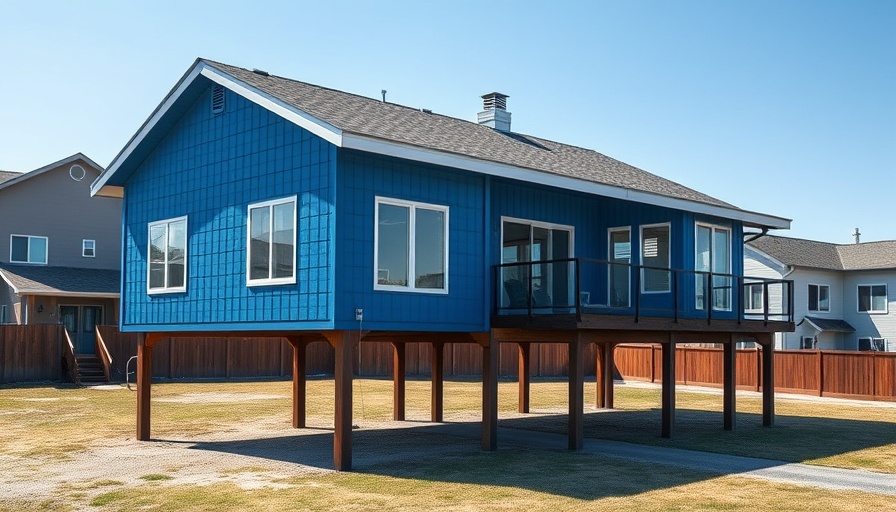
Modern fortified home in New Orleans, side view, daylight.

Fortified Homes: A New Hope for Gulf Coast Homeowners

As hurricane season sweeps across the Gulf Coast, anxiety rises among homeowners who are all too familiar with the devastation wrought by storms. In New Orleans, developer Oji Alexander has launched a promising initiative: the construction of storm-resistant homes designed not only to withstand the fury of nature but also to cut insurance costs significantly. The calculated move to build fortified homes comes at a critical time for residents who fear losing both their properties and their financial security.

The Financial Burden of Homeowners Insurance

Homeowners in Louisiana know the costly burden of insurance premiums, especially when risks associated with hurricanes loom large. Traditional homes suffer from severe damage in storms, leading to skyrocketing insurance rates to cover potential losses. However, fortified homes constructed with highly resilient materials aim to lower these costs by demonstrating reduced risk to insurance companies—potentially saving homeowners thousands annually.

A Closer Look at Design Innovations

What makes these homes fortified? The answer lies in innovative architectural designs and robust materials engineered to endure extreme weather. This includes wind-resistant structures, impact-resistant windows, and elevated foundations. As a result, homeowners can rest easy knowing they reside in a sturdy environment designed to weather the worst storms, thereby minimizing property damage risk.

Local Impacts: Economic and Emotional Relief

For many, the fear of losing their homes is intertwined with the emotional toll of natural disasters. The anxiety over storms can be overwhelming, especially for those aged 55 and older, who may be more vulnerable in emergency situations. Alexander’s homes promise to provide not just physical security but also peace of mind, allowing residents to focus on evacuation plans, rather than fretting about their homes being destroyed. This creates a gentler narrative of resilience, as families can return home to find their property intact after a storm.

Community Responses: Hope and Skepticism

As with any new development, reactions from the community are varied. Some local homeowners express optimism, recognizing the potential financial relief that lower insurance rates could bring. However, skepticism remains as well. Questions about the affordability of such homes and their long-term impact on the housing market circulate within community discussions. Advocates argue that the benefits outweigh the challenges, seeing this initiative as a pioneering step towards future-proof housing.

Future Trends in Sustainable Housing

The push for fortified homes in New Orleans reflects broader trends in sustainable and disaster-resilient housing. Experts believe this could set a precedent for other regions prone to natural disasters, showcasing how investment in durable homes can shift community perspectives on insurance and risk management. As demand for these homes increases, there could be ripple effects in construction techniques nationally, emphasizing safety as a fundamental design principle.

Decisions Homeowners Can Make Now

For homeowners facing the threat of hurricanes, the introduction of fortified homes provides new avenues to explore. Whether considering moving or renovating existing properties to withstand severe weather, residents should assess their options carefully. Investing in resilience can not only safeguard businesses and families but may lead to tangible financial savings via reduced insurance premiums.

Call to Action: Embrace Resilience

In light of these developments, it’s essential to stay informed and actively consider the role of home fortification in personal and community safety strategies. Engage with local builders and inquire about options for fortified homes or renovations that enhance your safety. By prioritizing building resilience, residents can foster a safer, more secure environment in the face of uncertainty.

Louisiana News

12 Views

Write A Comment

*
*
Please complete the captcha to submit your comment.
Related Posts All Posts
08.22.2026

Wildfires Expose WWII Bombs: A Hidden Crisis for Seniors

Update How Wildfires Uncover Hidden Dangers from the Past In recent years, Europe has witnessed an alarming surge in wildfires, exacerbated by the effects of climate change. These changing climate conditions create a perfect storm for catastrophic blazes, with rising temperatures and prolonged droughts contributing to ecological distress. However, beneath the charred landscapes lie not only ashes and debris but also a dangerous legacy from two World Wars: buried bombs and mines. These relics of warfare are not just historical artifacts; they pose serious threats to the communities that inhabit these regions. As the flames consume the forests and scrub, they inadvertently expose explosive remnants that have been dormant for decades. The Overlooked Dangers of Buried Explosives World War I and World War II left scars on the European landscape in more ways than one. Areas that saw heavy combat became graveyards of munitions, with a reported 1.5 million tons of unexploded ordnance remaining in various parts of Europe. The bombs, landmines, and other explosives that were buried deep in the ground are now being unearthed by the raging wildfires. Local authorities and humanitarian organizations are struggling to keep up with the revelations these fires are exposing. Emergency responders are often faced with the daunting task of balancing fire suppression with bomb disposal, creating a complicated landscape of risk and urgency. During a recent wildfire in Germany, for instance, officials reported multiple explosions attributed to old ordnance, forcing evacuations and disrupting firefighting efforts. As authorities rushed to defuse these bombs, they not only faced the immediate danger of the inferno but also the immense challenge of ensuring safety for nearby residents. The past is literally breaking through to the present, highlighting the ongoing ramifications of historical conflicts and the interconnectedness of environmental and historical issues. A Historical Context and Ongoing Risks For those who lived through the wars or have family ties to those events, this exposure of forgotten places and perilous devices serves as a striking reminder of how history continues to affect our lives today. The devastation from wildfires is one thing, but the uncovered explosives add another layer of complexity and danger. Social safety nets must adapt and consider these historical threats as they prepare for emergencies, especially in areas with significant historical ties to warfare. In such regions, communities can no longer view historical impact as a relic; it is a present danger that requires readiness and response strategies. The Human Cost of Ignoring the Past Imagine being a senior citizen in a historically rich area like Louisiana, where your community may bear witness to echoes of warfare in the landscapes around you. Older adults often possess a deep understanding of the history embedded in their surroundings, yet these threats are not just environmental but social. Older residents, who may already feel vulnerable due to health and mobility issues, can be particularly susceptible to evacuation and safety precautions when authorities declare areas unsafe due to detected munitions. The stress associated with sudden evacuations can significantly impact their mental health and overall well-being, making it paramount that local governments implement comprehensive support systems to aid this demographic during emergencies. Future Predictions: The Impact of Climate Change Experts forecast that as climate change progresses, we may see more frequent and intense wildfires across various regions. Southern Europe, in particular, is expected to experience worsening conditions, putting communities at increased risk of discovering explosive remnants. Wildfire season may become a year-round concern in some climatological models, leading to an increasingly complex threat landscape for both residents and emergency responders. This begs the question: how prepared are we for the consequences of our historical actions? As climate patterns shift, the realization that the past can disrupt the present grows increasingly urgent, emphasizing the need for robust disaster preparedness plans. Lessons Learned and Actionable Steps It’s crucial for communities to remain vigilant and proactive. Older adults in places prone to wildfires, including those in Louisiana, should stay informed about local emergency plans, especially as they relate to historical wartime dangers that may not be immediately visible. Participating in local workshops or community resilience programs can empower seniors to engage with local governments and advocate for better safety measures. Their voices, shaped by years of experience, can lead to significant improvements in community policies. Furthermore, by understanding the history behind these dangers, residents can champion educational programs that help younger generations appreciate the past and the implications it brings. These initiatives can also promote social engagement, creating bonds between different age groups as they work together toward a common goal. Ultimately, fostering a dialogue between seniors and local leaders can bridge the gap in addressing these pressing concerns with compassion and inclusivity. Conclusion: Connecting History with Current Needs The unearthing of buried bombs and mines by wildfires serves as a poignant reminder of the interwoven fates of our past and present. It highlights the need for awareness and preparedness, particularly among vulnerable populations such as seniors. Learning these lessons not only acknowledges a painful history but also empowers communities to protect themselves against evolving threats. By prioritizing education and dialogue, communities can create safe environments that respect their historical narratives while preparing for uncertain futures. As we reflect on the lessons of warfare and its enduring consequences, we must advocate for a future where historical dangers are not merely memories but informed actions toward safety and social responsibility. To remain safe, stay connected with your local news and community discussions, especially regarding fire safety and historical preservation. Your awareness and vocal support can contribute significantly to protecting our treasured landscapes and one another. Remember, being informed is the first step toward community resilience, especially in times of crisis.

08.22.2026

Everything You Need to Know About Resumed Livestock Sales and the Screwworm Risk

Update Understanding the New Regulations: What They Mean for Livestock Sales Recently, Mexico has resumed livestock sales to the United States after extensive measures have been implemented to address concerns over the New World screwworm risk. This is a key development for both Mexican ranchers and U.S. consumers who rely on livestock for various agricultural products. The screwworm, a devastating parasite that can harm livestock, prompted the need for thorough checks and protocols before resuming exports. This move reflects a collaborative effort to ensure that animal health remains a priority in trade negotiations. Why the Screwworm Matters: A Closer Look at Agricultural Health The New World screwworm can inflict serious damage on livestock, leading to significant financial losses for farmers. This pest lays its eggs in open wounds of animals, causing severe infections and often resulting in death if not promptly treated. Beyond the immediate health risks to the livestock, infestations can derail entire operations and threaten the livelihood of ranchers. The resumption of livestock sales indicates that authorities are taking proactive steps to manage this threat. The increased inspections and control measures underscore the importance of maintaining rigorous biosecurity protocols, essential not just for Mexican exporters but for American farmers as well. The Impact on Louisiana Livestock: A Regional Perspective For Louisiana, a state known for its diverse agricultural output, which includes cattle, pigs, and poultry, the reopening of trade with Mexico signifies potential economic benefits. Many older adults, who often have considerable experience in farming, may find new opportunities arising from the influx of livestock and products coming from Mexico. The state’s livestock market could see a boost from access to new breeds and genetics, which can improve the resilience and productivity of local herds. Increased competition may also lead to lower prices and improved quality for consumers, benefiting families who rely on these products in their daily lives. Historical Context: How We Got Here Understanding the journey to this point is crucial for anyone involved in the agricultural sector. Past outbreaks of the screwworm have led to severe restrictions on livestock trade, resulting in economic hardships for ranchers. In the 1950s, a screwworm eradication program was successfully implemented in the United States, significantly reducing the threat for decades. However, the threat never fully disappeared, showcasing the necessity for continuous monitoring and readiness. The holistic approach taken today reflects lessons learned from the past, highlighting the need for vigilance and cooperation in agricultural trade to ensure that both countries can benefit from a safe and stable market. Future Predictions: What Lies Ahead for Livestock Trade As Mexico continues to manage biosecurity risks effectively, we can expect a gradual normalization of livestock trade. However, it is essential to remain alert and proactive. Louisiana's agricultural stakeholders should prepare for potential market fluctuations and the introduction of new livestock breeds, which could reshape the industry. Farmers should also be aware that these changes come with challenges, including the need for additional training on pest management and adherence to new health protocols. Future predictions also indicate that technology may play a critical role in monitoring and controlling agricultural health challenges, improving the security of livestock trade through real-time data sharing and improved tracking systems. Actionable Insights for Louisiana Farmers and Vendors For Louisiana farmers, staying informed is key in this rapidly evolving landscape. They should keep up with the latest biosecurity measures, attend agricultural workshops, and take advantage of new trading opportunities that may arise with this renewed access to livestock from Mexico. Joining local agricultural groups can provide crucial information regarding market conditions, product demand, and effective pest management practices. Additionally, investing in technology to monitor livestock health can offer a competitive edge, minimizing losses and ensuring the well-being of cattle and other animals. Emotional and Human Interest Angle: Stories from the Field For many Louisiana farmers, livestock isn't just an economic endeavor; it’s a cherished way of life. Older adults who have dedicated years to nurturing their herds often reflect a deep emotional connection to farming and land stewardship. Capturing their stories can help highlight the resilience of the agricultural community, showcasing how they adapt not only to market changes but also to challenges posed by pests like the screwworm. Many of these farmers have witnessed tides of change, from technological advancements to new regulations, yet their commitment to their land and livestock remains steadfast. Their experiences can serve as both inspiration and practical lessons for the next generation of farmers. In conclusion, the resumption of livestock sales from Mexico opens up significant opportunities for farmers and consumers alike. Understanding the significance of these changes—and the risks associated with pests like the New World screwworm—can help older adults navigate this evolving agricultural landscape effectively. As markets continue to adapt, remaining informed and connected will be crucial in fostering resilience and innovation within Louisiana’s agricultural sectors.

08.22.2026

Cirque du Soleil's $16.75M Lawsuit Highlights Performer Safety Concerns

Update The High Stakes of Aerial Performance: Safety on Stage In a shocking incident that highlights the often-overlooked risks of the circus arts, Mariia Konfektova, an aerial performer with Cirque du Soleil, is suing the company for $16.75 million after suffering severe injuries from a 15-foot fall. This incident serves as a stark reminder of the physical dangers that performers face in the name of art and entertainment. Konfektova's lawsuit alleges that the company failed to provide adequate fall protection and ignored her warnings about rigging concerns. This case is not just a financial battle; it raises important questions about safety protocols in high-risk performance environments. Previous Safety Concerns: A Pattern of Neglect? Konfektova's fall is not an isolated incident. Records from the Oregon Occupational Safety and Health Division (OSHA) show that Cirque du Soleil was fined for safety violations just months after her accident. OSHA found the company failed to implement safety measures and cited them for inadequate fall protection. This brings to light potential systemic issues within the organization. Konfektova's lawsuit also references other reports of injuries and at least two fatalities related to falls during performances. Such trends beg the question: what has been done to protect performers in environments where every act is a high-wire act, both literally and figuratively? The Human Cost of Entertaining Others For the audience, the performances are a dazzling display of skill and artistry. However, the intense physical demands placed on performers are immense. Konfektova, who shared harrowing images of her injuries—including a black eye and a bloodied nose—had previously been an acclaimed artist, holding a Guinness World Record for the number of seated aerial hoop rotations in 30 seconds. This jaw-dropping achievement underscores her expertise, yet it also highlights that even seasoned professionals are vulnerable to accidents. Such circumstances can often lead to lasting physical and emotional repercussions, affecting not just the injured, but their families, friends, and loved ones. Age and Experience: Bridging the Gap Many performers are younger individuals chasing their artistic dreams. Yet older adults may find themselves fascinated by the world of aerial performance from a different angle—perhaps as fans, advocates, or community supporters. For those 55 and older, the implications of this lawsuit illustrate a broader concern related to the arts—a continued commitment to safety and well-being, as well as consideration for how arts programs can benefit the aging population. As the demographics of aerial arts enthusiasts expand, so too must the dialogue about safety standards. A Call for Change: Advocating for Performer's Rights The controversy surrounding Konfektova's lawsuit is igniting a dialogue about the rights of performers and the responsibilities of production companies. Just as workers in other high-risk industries have the right to safe working conditions, so too should entertainers. Advocates suggest that performers deserve robust health protections, especially in companies known for high-risk acts. As more stories emerge about injuries within the circus arts community, it becomes imperative for organizations to reevaluate their safety protocols to prevent similar incidents. Community Engagement: Elder's Role in Advocating for Change As community-minded individuals with a wealth of experience and insight, older adults can play a crucial role in advocating for the safety of performers. They can support initiatives promoting safety standards and share their experiences to alert others about the potential dangers inherent in high-risk performances. By rallying around issues like those presented in Konfektova's case, seniors can help generate a broader appeal for reform in safety regulations, ensuring that both artists and audiences can enjoy the spectacle of live performance without the shadow of tragedy. Reflecting on the Impact of Performance Arts on Health The ongoing legal dispute serves not only as a spotlight on safety in performance arts but also on the aging population's perspective towards activities that cross the lines of physical endurance and artistry. As Louisiana's culture is rich with artistic expression, it is essential to remember that with the lush tapestry of creativity comes the responsibility to protect those who bring it to life. Engaging in conversations about health, safety, and advocacy ensures that performances remain a joyful celebration of life, rather than a cautionary tale. Taking Action: Moving Forward Together This incident leads us to reflect deeply on our personal experiences in light of the events unraveling within the arts community. For many older adults witnessing or participating in discussions about performing arts, it is essential to advocate for change. Reaching out to local arts organizations, demanding safety reforms, or sharing personal narratives can collectively strengthen the movement towards reform in performance safety. After all, fostering an environment where safety is prioritized ensures that the arts can continue to thrive, inspiring future generations.

Golden Years of Louisiana

GoldenYearsLA.com is Louisiana’s trusted online magazine for seniors, offering lifestyle inspiration, health tips, financial guidance, and travel ideas tailored to you.

  • Privacy Policy
  • Terms of Use
  • Advertise
  • Contact Us
  • Menu 5
  • Menu 6
Hours

AVAILABLE M-F 9AM - 5PM CST

Hall Street Media

Hall Street Media is a Louisiana-based media company creating engaging digital publications for lifestyle, health, business, and regional audiences across the Gulf South.

© 2026 Golden Years of Louisiana All Rights Reserved. Hall Street Media, Lafayette, Louisiana 70501 . Contact Us . Terms of Service . Privacy Policy

eyJjb21wYW55IjoiR29sZGVuIFllYXJzIG9mIExvdWlzaWFuYSIsImFkZHJlc3MiOiJIYWxsIFN0cmVldCBNZWRpYSIsImNpdHkiOiJMYWZheWV0dGUiLCJzdGF0ZSI6IkxvdWlzaWFuYSIsInppcCI6IjcwNTAxIiwiZW1haWwiOiJnb2xkZW55ZWFyc2xhQGdtYWlsLmNvbSIsInRvcyI6IlBIQStQSE4wY205dVp6NDhaVzArVjJobGJpQjViM1VnYzJsbmJpMXBiaUIzYVhSb0lIVnpMQ0I1YjNVZ1lYSmxJR2RwZG1sdVp5WnVZbk53T3lCNWIzVnlJSEJsY20xcGMzTnBiMjRnWVc1a0lHTnZibk5sYm5RZ2RHOGdjMlZ1WkNCNWIzVWdaVzFoYVd3Z1lXNWtMMjl5SUZOTlV5QjBaWGgwSUcxbGMzTmhaMlZ6TGlCQ2VTQmphR1ZqYTJsdVp5QjBhR1VnVkdWeWJYTWdZVzVrSUVOdmJtUnBkR2x2Ym5NZ1ltOTRJR0Z1WkNCaWVTQnphV2R1YVc1bklHbHVJSGx2ZFNCaGRYUnZiV0YwYVdOaGJHeDVJR052Ym1acGNtMGdkR2hoZENCNWIzVWdZV05qWlhCMElHRnNiQ0IwWlhKdGN5QnBiaUIwYUdseklHRm5jbVZsYldWdWRDNDhMMlZ0UGp3dmMzUnliMjVuUGp3dmNENEtDanh3UG1oMGRIQnpPaTh2WjI5c1pHVnVlV1ZoY25Oc1lTNWpiMjA4TDNBK0NnbzhjRDRtYm1KemNEczhMM0ErQ2dvOGNENDhjM1J5YjI1blBsTkZVbFpKUTBVOEwzTjBjbTl1Wno0OEwzQStDZ284Y0Q1WFpTQndjbTkyYVdSbElHRWdjMlZ5ZG1salpTQjBhR0YwSUdOMWNuSmxiblJzZVNCaGJHeHZkM01nZVc5MUlIUnZJSEpsWTJWcGRtVWdjbVZ4ZFdWemRITWdabTl5SUdabFpXUmlZV05yTENCamIyMXdZVzU1SUdsdVptOXliV0YwYVc5dUxDQndjbTl0YjNScGIyNWhiQ0JwYm1admNtMWhkR2x2Yml3Z1kyOXRjR0Z1ZVNCaGJHVnlkSE1zSUdOdmRYQnZibk1zSUdScGMyTnZkVzUwY3lCaGJtUWdiM1JvWlhJZ2JtOTBhV1pwWTJGMGFXOXVjeUIwYnlCNWIzVnlJR1Z0WVdsc0lHRmtaSEpsYzNNZ1lXNWtMMjl5SUdObGJHeDFiR0Z5SUhCb2IyNWxJRzl5SUdSbGRtbGpaUzRnV1c5MUlIVnVaR1Z5YzNSaGJtUWdZVzVrSUdGbmNtVmxJSFJvWVhRZ2RHaGxJRk5sY25acFkyVWdhWE1nY0hKdmRtbGtaV1FnSm5GMWIzUTdRVk10U1ZNbWNYVnZkRHNnWVc1a0lIUm9ZWFFnZDJVZ1lYTnpkVzFsSUc1dklISmxjM0J2Ym5OcFltbHNhWFI1SUdadmNpQjBhR1VnZEdsdFpXeHBibVZ6Y3l3Z1pHVnNaWFJwYjI0c0lHMXBjeTFrWld4cGRtVnllU0J2Y2lCbVlXbHNkWEpsSUhSdklITjBiM0psSUdGdWVTQjFjMlZ5SUdOdmJXMTFibWxqWVhScGIyNXpJRzl5SUhCbGNuTnZibUZzYVhwaGRHbHZiaUJ6WlhSMGFXNW5jeTQ4TDNBK0NnbzhjRDVaYjNVZ1lYSmxJSEpsYzNCdmJuTnBZbXhsSUdadmNpQnZZblJoYVc1cGJtY2dZV05qWlhOeklIUnZJSFJvWlNCVFpYSjJhV05sSUdGdVpDQjBhR0YwSUdGalkyVnpjeUJ0WVhrZ2FXNTJiMngyWlNCMGFHbHlaQ0J3WVhKMGVTQm1aV1Z6SUNoemRXTm9JR0Z6SUZOTlV5QjBaWGgwSUcxbGMzTmhaMlZ6TENCSmJuUmxjbTVsZENCelpYSjJhV05sSUhCeWIzWnBaR1Z5SUc5eUlHTmxiR3gxYkdGeUlHRnBjblJwYldVZ1kyaGhjbWRsY3lrdUlGbHZkU0JoY21VZ2NtVnpjRzl1YzJsaWJHVWdabTl5SUhSb2IzTmxJR1psWlhNc0lHbHVZMngxWkdsdVp5QjBhRzl6WlNCbVpXVnpJR0Z6YzI5amFXRjBaV1FnZDJsMGFDQjBhR1VnWkdsemNHeGhlU0J2Y2lCa1pXeHBkbVZ5ZVNCdlppQmxZV05vSUZOTlV5QjBaWGgwSUcxbGMzTmhaMlVnYzJWdWRDQjBieUI1YjNVZ1lua2dkWE11SUVsdUlHRmtaR2wwYVc5dUxDQjViM1VnYlhWemRDQndjbTkyYVdSbElHRnVaQ0JoY21VZ2NtVnpjRzl1YzJsaWJHVWdabTl5SUdGc2JDQmxjWFZwY0cxbGJuUWdibVZqWlhOellYSjVJSFJ2SUdGalkyVnpjeUIwYUdVZ1UyVnlkbWxqWlNCaGJtUWdjbVZqWldsMlpTQjBhR1VnVTAxVElIUmxlSFFnYldWemMyRm5aWE11SUZkbElHUnZJRzV2ZENCamFHRnlaMlVnWVc1NUlHWmxaWE1nWm05eUlHUmxiR2wyWlhKNUlHOW1JR1Z0WVdsc0lHOXlJRk5OVXk0Z1ZHaHBjeUJwY3lCaElHWnlaV1VnYzJWeWRtbGpaU0J3Y205MmFXUmxaQ0JpZVNCMWN5NGdTRzkzWlhabGNpd2djR3hsWVhObElHTm9aV05ySUhkcGRHZ2dlVzkxY2lCcGJuUmxjbTVsZENCelpYSjJhV05sSUhCeWIzWnBaR1Z5SUdGdVpDQmpaV3hzZFd4aGNpQmpZWEp5YVdWeUlHWnZjaUJoYm5rZ1kyaGhjbWRsY3lCMGFHRjBJRzFoZVNCcGJtTjFjaUJoY3lCaElISmxjM1ZzZENCbWNtOXRJSEpsWTJWcGRtbHVaeUJsYldGcGJDQmhibVFnVTAxVElIUmxlSFFnYldWemMyRm5aWE1nZEdoaGRDQjNaU0JrWld4cGRtVnlJSFZ3YjI0Z2VXOTFjaUJ2Y0hRdGFXNGdZVzVrSUhKbFoybHpkSEpoZEdsdmJpQjNhWFJvSUc5MWNpQmxiV0ZwYkNCaGJtUWdVMDFUSUhObGNuWnBZMlZ6TGlCWmIzVWdZMkZ1SUdOaGJtTmxiQ0JoZENCaGJua2dkR2x0WlM0Z1NuVnpkQ0IwWlhoMElDWnhkVzkwTzFOVVQxQW1jWFZ2ZERzZ2RHOG1ibUp6Y0RzOGFHbG5hR3hwWjJoMElHTnNZWE56UFNKamIyMXdZVzU1VTAxVFVHaHZibVZWY0dSaGRHVWlQbTUxYkd3OEwyaHBaMmhzYVdkb2RENHVJRUZtZEdWeUlIbHZkU0J6Wlc1a0lIUm9aU0JUVFZNZ2JXVnpjMkZuWlNBbWNYVnZkRHRUVkU5UUpuRjFiM1E3SUhSdklIVnpMQ0IzWlNCM2FXeHNJSE5sYm1RZ2VXOTFJR0Z1SUZOTlV5QnRaWE56WVdkbElIUnZJR052Ym1acGNtMGdkR2hoZENCNWIzVWdhR0YyWlNCaVpXVnVJSFZ1YzNWaWMyTnlhV0psWkM0Z1FXWjBaWElnZEdocGN5d2dlVzkxSUhkcGJHd2dibThnYkc5dVoyVnlJSEpsWTJWcGRtVWdVMDFUSUcxbGMzTmhaMlZ6SUdaeWIyMGdkWE11UEM5d1Bnb0tQSEErUEhOMGNtOXVaejVaVDFWU0lGSkZSMGxUVkZKQlZFbFBUaUJQUWt4SlIwRlVTVTlPVXp3dmMzUnliMjVuUGp3dmNENEtDanh3UGtsdUlHTnZibk5wWkdWeVlYUnBiMjRnYjJZZ2VXOTFjaUIxYzJVZ2IyWWdkR2hsSUZObGNuWnBZMlVzSUhsdmRTQmhaM0psWlNCMGJ6bzhMM0ErQ2dvOGIydytDZ2s4YkdrK2NISnZkbWxrWlNCMGNuVmxMQ0JoWTJOMWNtRjBaU3dnWTNWeWNtVnVkQ0JoYm1RZ1kyOXRjR3hsZEdVZ2FXNW1iM0p0WVhScGIyNGdZV0p2ZFhRZ2VXOTFjbk5sYkdZZ1lYTWdjSEp2YlhCMFpXUWdZbmtnZEdobElGTmxjblpwWTJVbUl6TTVPM01nY21WbmFYTjBjbUYwYVc5dUlHWnZjbTBnS0hOMVkyZ2dhVzVtYjNKdFlYUnBiMjRnWW1WcGJtY2dkR2hsSUNaeGRXOTBPMUpsWjJsemRISmhkR2x2YmlCRVlYUmhKbkYxYjNRN0tTQmhibVE4TDJ4cFBnb0pQR3hwUG0xaGFXNTBZV2x1SUdGdVpDQndjbTl0Y0hSc2VTQjFjR1JoZEdVZ2RHaGxJRkpsWjJsemRISmhkR2x2YmlCRVlYUmhJSFJ2SUd0bFpYQWdhWFFnZEhKMVpTd2dZV05qZFhKaGRHVXNJR04xY25KbGJuUWdZVzVrSUdOdmJYQnNaWFJsTGlCSlppQjViM1VnY0hKdmRtbGtaU0JoYm5rZ2FXNW1iM0p0WVhScGIyNGdkR2hoZENCcGN5QjFiblJ5ZFdVc0lHbHVZV05qZFhKaGRHVXNJRzV2ZENCamRYSnlaVzUwSUc5eUlHbHVZMjl0Y0d4bGRHVXNJRzl5SUhkbElHaGhkbVVnY21WaGMyOXVZV0pzWlNCbmNtOTFibVJ6SUhSdklITjFjM0JsWTNRZ2RHaGhkQ0J6ZFdOb0lHbHVabTl5YldGMGFXOXVJR2x6SUhWdWRISjFaU3dnYVc1aFkyTjFjbUYwWlN3Z2JtOTBJR04xY25KbGJuUWdiM0lnYVc1amIyMXdiR1YwWlN3Z2QyVWdhR0YyWlNCMGFHVWdjbWxuYUhRZ2RHOGdjM1Z6Y0dWdVpDQnZjaUE4YzNSeWIyNW5Qanh6Y0dGdUlITjBlV3hsUFNKamIyeHZjam9qUmtZd01EQXdPeUkrZEdWeWJXbHVZWFJsSUhsdmRYSWdZV05qYjNWdWRDOXdjbTltYVd4bElHRnVaQ0J5WldaMWMyVWdZVzU1SUdGdVpDQmhiR3dnWTNWeWNtVnVkQ0J2Y2lCbWRYUjFjbVVnZFhObElHOW1JSFJvWlNCVFpYSjJhV05sSUNodmNpQmhibmtnY0c5eWRHbHZiaUIwYUdWeVpXOW1LUzQ4TDNOd1lXNCtQQzl6ZEhKdmJtYytQQzlzYVQ0S1BDOXZiRDRLQ2p4d1BpWnVZbk53T3p3dmNENEtQR2hwWjJoc2FXZG9kQ0JqYkdGemN6MGlZMjl0Y0dGdWVVNWhiV1ZWY0dSaGRHVWlQa2R2YkdSbGJpQlpaV0Z5Y3lCdlppQk1iM1ZwYzJsaGJtRThMMmhwWjJoc2FXZG9kRDQ4WW5JZ0x6NEtQR2hwWjJoc2FXZG9kQ0JqYkdGemN6MGlZMjl0Y0dGdWVVVnRZV2xzVlhCa1lYUmxJajVuYjJ4a1pXNTVaV0Z5YzJ4aFFHZHRZV2xzTG1OdmJUd3ZhR2xuYUd4cFoyaDBQZz09IiwicHJpdmFjeSI6IlBIQStQSE4wY205dVp6NVFVa2xXUVVOWlBDOXpkSEp2Ym1jK1BDOXdQZ29LUEhBK1BITjBjbTl1Wno1VWFHVWdhVzVtYjNKdFlYUnBiMjRnY0hKdmRtbGtaV1FnWkhWeWFXNW5JSFJvYVhNZ2NtVm5hWE4wY21GMGFXOXVJR2x6SUd0bGNIUWdjSEpwZG1GMFpTQmhibVFnWTI5dVptbGtaVzUwYVdGc0xDQmhibVFnZDJsc2JDQnVaWFpsY2lCaVpTQmthWE4wY21saWRYUmxaQ3dnWTI5d2FXVmtMQ0J6YjJ4a0xDQjBjbUZrWldRZ2IzSWdjRzl6ZEdWa0lHbHVJR0Z1ZVNCM1lYa3NJSE5vWVhCbElHOXlJR1p2Y20wdUlGUm9hWE1nYVhNZ2IzVnlJR2QxWVhKaGJuUmxaUzQ4TDNOMGNtOXVaejQ4TDNBK0NnbzhjRDQ4YzNSeWIyNW5Qa2xPUkVWTlRrbFVXVHd2YzNSeWIyNW5Qand2Y0Q0S0NqeHdQanhsYlQ1WmIzVWdZV2R5WldVZ2RHOGdhVzVrWlcxdWFXWjVJR0Z1WkNCb2IyeGtJSFZ6TENCaGJtUWdhWFJ6SUhOMVluTnBaR2xoY21sbGN5d2dZV1ptYVd4cFlYUmxjeXdnYjJabWFXTmxjbk1zSUdGblpXNTBjeXdnWTI4dFluSmhibVJsY25NZ2IzSWdiM1JvWlhJZ2NHRnlkRzVsY25Nc0lHRnVaQ0JsYlhCc2IzbGxaWE1zSUdoaGNtMXNaWE56SUdaeWIyMGdZVzU1SUdOc1lXbHRJRzl5SUdSbGJXRnVaQ3dnYVc1amJIVmthVzVuSUhKbFlYTnZibUZpYkdVZ1lYUjBiM0p1WlhsekppTXpPVHNnWm1WbGN5d2diV0ZrWlNCaWVTQmhibmtnZEdocGNtUWdjR0Z5ZEhrZ1pIVmxJSFJ2SUc5eUlHRnlhWE5wYm1jZ2IzVjBJRzltSUVOdmJuUmxiblFnZVc5MUlISmxZMlZwZG1Vc0lITjFZbTFwZEN3Z2NtVndiSGtzSUhCdmMzUXNJSFJ5WVc1emJXbDBJRzl5SUcxaGEyVWdZWFpoYVd4aFlteGxJSFJvY205MVoyZ2dkR2hsSUZObGNuWnBZMlVzSUhsdmRYSWdkWE5sSUc5bUlIUm9aU0JUWlhKMmFXTmxMQ0I1YjNWeUlHTnZibTVsWTNScGIyNGdkRzhnZEdobElGTmxjblpwWTJVc0lIbHZkWElnZG1sdmJHRjBhVzl1SUc5bUlIUm9aU0JVVDFNc0lHOXlJSGx2ZFhJZ2RtbHZiR0YwYVc5dUlHOW1JR0Z1ZVNCeWFXZG9kSE1nYjJZZ1lXNXZkR2hsY2k0OEwyVnRQand2Y0Q0S0NqeHdQanh6ZEhKdmJtYytSRWxUUTB4QlNVMUZVaUJQUmlCWFFWSlNRVTVVU1VWVFBDOXpkSEp2Ym1jK1BDOXdQZ29LUEhBK1BITjBjbTl1Wno1WlQxVWdSVmhRVWtWVFUweFpJRlZPUkVWU1UxUkJUa1FnUVU1RUlFRkhVa1ZGSUZSSVFWUTZQQzl6ZEhKdmJtYytQQzl3UGdvS1BHOXNQZ29KUEd4cFBsbFBWVklnVlZORklFOUdJRlJJUlNCVFJWSldTVU5GSUVsVElFRlVJRmxQVlZJZ1UwOU1SU0JTU1ZOTExpQlVTRVVnVTBWU1ZrbERSU0JKVXlCUVVrOVdTVVJGUkNCUFRpQkJUaUFtY1hWdmREdEJVeUJKVXlaeGRXOTBPeUJCVGtRZ0puRjFiM1E3UVZNZ1FWWkJTVXhCUWt4RkpuRjFiM1E3SUVKQlUwbFRMaUFzTGlCQlRrUWdWVk1zSUVsVUppTXpPVHRUSUVOVlUxUlBUVVZTVXl3Z1JWaFFVa1ZUVTB4WklFUkpVME5NUVVsTlV5QkJURXdnVjBGU1VrRk9WRWxGVXlCUFJpQkJUbGtnUzBsT1JDd2dWMGhGVkVoRlVpQkZXRkJTUlZOVElFOVNJRWxOVUV4SlJVUXNJRWxPUTB4VlJFbE9SeXdnUWxWVUlFNVBWQ0JNU1UxSlZFVkVJRlJQSUZSSVJTQkpUVkJNU1VWRUlGZEJVbEpCVGxSSlJWTWdUMFlnVFVWU1EwaEJUbFJCUWtsTVNWUlpMQ0JHU1ZST1JWTlRJRVpQVWlCQklGQkJVbFJKUTFWTVFWSWdVRlZTVUU5VFJTQkJUa1FnVGs5T0xVbE9SbEpKVGtkRlRVVk9WQzQ4TDJ4cFBnb0pQR3hwUGsxQlMwVlRJRTVQSUZkQlVsSkJUbFJaSUZSSVFWUWdLR2twSUZSSVJTQlRSVkpXU1VORklGZEpURXdnVFVWRlZDQlpUMVZTSUZKRlVWVkpVa1ZOUlU1VVV5d2dLR2xwS1NCVVNFVWdVMFZTVmtsRFJTQlhTVXhNSUVKRklGVk9TVTVVUlZKU1ZWQlVSVVFzSUZSSlRVVk1XU3dnVTBWRFZWSkZMQ0JQVWlCRlVsSlBVaTFHVWtWRkxDQW9hV2xwS1NCVVNFVWdVa1ZUVlV4VVV5QlVTRUZVSUUxQldTQkNSU0JQUWxSQlNVNUZSQ0JHVWs5TklGUklSU0JWVTBVZ1QwWWdWRWhGSUZORlVsWkpRMFVnVjBsTVRDQkNSU0JCUTBOVlVrRlVSU0JQVWlCU1JVeEpRVUpNUlN3Z1FVNUVJQ2hwZGlrZ1FVNVpJRVZTVWs5U1V5QkpUaUJVU0VVZ1UwOUdWRmRCVWtVZ1YwbE1UQ0JDUlNCRFQxSlNSVU5VUlVRdVBDOXNhVDRLQ1R4c2FUNUJUbGtnVFVGVVJWSkpRVXdnUkU5WFRreFBRVVJGUkNCUFVpQlBWRWhGVWxkSlUwVWdUMEpVUVVsT1JVUWdWRWhTVDFWSFNDQlVTRVVnVlZORklFOUdJRlJJUlNCVFJWSldTVU5GSUVsVElFUlBUa1VnUVZRZ1dVOVZVaUJQVjA0Z1JFbFRRMUpGVkVsUFRpQkJUa1FnVWtsVFN5QkJUa1FnVkVoQlZDQlpUMVVnVjBsTVRDQkNSU0JUVDB4RlRGa2dVa1ZUVUU5T1UwbENURVVnUms5U0lFRk9XU0JFUVUxQlIwVWdWRThnV1U5VlVpQkRUMDFRVlZSRlVpQlRXVk5VUlUwZ1QxSWdURTlUVXlCUFJpQkVRVlJCSUZSSVFWUWdVa1ZUVlV4VVV5QkdVazlOSUZSSVJTQkVUMWRPVEU5QlJDQlBSaUJCVGxrZ1UxVkRTQ0JOUVZSRlVrbEJUQzQ4TDJ4cFBnb0pQR3hwUGs1UElFRkVWa2xEUlNCUFVpQkpUa1pQVWsxQlZFbFBUaXdnVjBoRlZFaEZVaUJQVWtGTUlFOVNJRmRTU1ZSVVJVNHNJRTlDVkVGSlRrVkVJRUpaSUZsUFZTQkdVazlOSUU5U0lGUklVazlWUjBnZ1QxSWdSbEpQVFNCVVNFVWdVMFZTVmtsRFJTQlRTRUZNVENCRFVrVkJWRVVnUVU1WklGZEJVbEpCVGxSWklFNVBWQ0JGV0ZCU1JWTlRURmtnVTFSQlZFVkVJRWxPSUZSSVJTQlVUMU11UEM5c2FUNEtQQzl2YkQ0S0NqeHdQanh6ZEhKdmJtYytURWxOU1ZSQlZFbFBUaUJQUmlCTVNVRkNTVXhKVkZrOEwzTjBjbTl1Wno0OEwzQStDZ284Y0Q1WlQxVWdSVmhRVWtWVFUweFpJRlZPUkVWU1UxUkJUa1FnUVU1RUlFRkhVa1ZGSUZSSVFWUWdRVTVFSUZOSVFVeE1JRTVQVkNCQ1JTQk1TVUZDVEVVZ1JrOVNJRUZPV1NCRVNWSkZRMVFzSUVsT1JFbFNSVU5VTENCSlRrTkpSRVZPVkVGTUxDQlRVRVZEU1VGTUxDQkRUMDVUUlZGVlJVNVVTVUZNSUU5U0lFVllSVTFRVEVGU1dTQkVRVTFCUjBWVExDQkpUa05NVlVSSlRrY2dRbFZVSUU1UFZDQk1TVTFKVkVWRUlGUlBMQ0JFUVUxQlIwVlRJRVpQVWlCTVQxTlRJRTlHSUZCU1QwWkpWRk1zSUVkUFQwUlhTVXhNTENCVlUwVXNJRVJCVkVFZ1QxSWdUMVJJUlZJZ1NVNVVRVTVIU1VKTVJTQk1UMU5UUlZNZ0tFVldSVTRnU1VZZ1NFRlRJRUpGUlU0Z1FVUldTVk5GUkNCUFJpQlVTRVVnVUU5VFUwbENTVXhKVkZrZ1QwWWdVMVZEU0NCRVFVMUJSMFZUS1N3Z1VrVlRWVXhVU1U1SElFWlNUMDA2UEM5d1Bnb0tQRzlzUGdvSlBHeHBQbFJJUlNCVlUwVWdUMUlnVkVoRklFbE9RVUpKVEVsVVdTQlVUeUJWVTBVZ1ZFaEZJRk5GVWxaSlEwVTdQQzlzYVQ0S0NUeHNhVDVVU0VVZ1EwOVRWQ0JQUmlCUVVrOURWVkpGVFVWT1ZDQlBSaUJUVlVKVFZFbFVWVlJGSUVkUFQwUlRJRUZPUkNCVFJWSldTVU5GVXlCU1JWTlZURlJKVGtjZ1JsSlBUU0JCVGxrZ1IwOVBSRk1zSUVSQlZFRXNJRWxPUms5U1RVRlVTVTlPSUU5U0lGTkZVbFpKUTBWVElGQlZVa05JUVZORlJDQlBVaUJQUWxSQlNVNUZSQ0JQVWlCTlJWTlRRVWRGVXlCU1JVTkZTVlpGUkNCUFVpQlVVa0ZPVTBGRFZFbFBUbE1nUlU1VVJWSkZSQ0JKVGxSUElGUklVazlWUjBnZ1QxSWdSbEpQVFNCVVNFVWdVMFZTVmtsRFJUczhMMnhwUGdvSlBHeHBQbFZPUVZWVVNFOVNTVnBGUkNCQlEwTkZVMU1nVkU4Z1QxSWdRVXhVUlZKQlZFbFBUaUJQUmlCWlQxVlNJRlJTUVU1VFRVbFRVMGxQVGxNZ1QxSWdSRUZVUVRzOEwyeHBQZ29KUEd4cFBsTlVRVlJGVFVWT1ZGTWdUMUlnUTA5T1JGVkRWQ0JQUmlCQlRsa2dWRWhKVWtRZ1VFRlNWRmtnVDA0Z1ZFaEZJRk5GVWxaSlEwVTdJRTlTUEM5c2FUNEtDVHhzYVQ1QlRsa2dUMVJJUlZJZ1RVRlVWRVZTSUZKRlRFRlVTVTVISUZSUElGUklSU0JUUlZKV1NVTkZMand2YkdrK0Nqd3ZiMncrQ2dvOGNENDhkVDVDZVNCeVpXZHBjM1JsY21sdVp5QmhibVFnYzNWaWMyTnlhV0pwYm1jZ2RHOGdiM1Z5SUdWdFlXbHNJR0Z1WkNCVFRWTWdjMlZ5ZG1salpTd2dZbmtnYjNCMExXbHVMQ0J2Ym14cGJtVWdjbVZuYVhOMGNtRjBhVzl1SUc5eUlHSjVJR1pwYkd4cGJtY2diM1YwSUdFZ1kyRnlaQ3dnSm5GMWIzUTdlVzkxSUdGbmNtVmxJSFJ2SUhSb1pYTmxJRlJGVWsxVElFOUdJRk5GVWxaSlEwVW1jWFZ2ZERzZ1lXNWtJSGx2ZFNCaFkydHViM2RzWldSblpTQmhibVFnZFc1a1pYSnpkR0Z1WkNCMGFHVWdZV0p2ZG1VZ2RHVnliWE1nYjJZZ2MyVnlkbWxqWlNCdmRYUnNhVzVsWkNCaGJtUWdaR1YwWVdsc1pXUWdabTl5SUhsdmRTQjBiMlJoZVM0OEwzVStQQzl3UGdvS1BIQStKbTVpYzNBN1BDOXdQZ284YUdsbmFHeHBaMmgwSUdOc1lYTnpQU0pqYjIxd1lXNTVUbUZ0WlZWd1pHRjBaU0krUjI5c1pHVnVJRmxsWVhKeklHOW1JRXh2ZFdsemFXRnVZVHd2YUdsbmFHeHBaMmgwUGp4aWNpQXZQZ284YUdsbmFHeHBaMmgwSUdOc1lYTnpQU0pqYjIxd1lXNTVRV1JrY21WemMxVndaR0YwWlNJK1NHRnNiQ0JUZEhKbFpYUWdUV1ZrYVdFc0lFeGhabUY1WlhSMFpTd2dURzkxYVhOcFlXNWhJRGN3TlRBeFBDOW9hV2RvYkdsbmFIUStQR0p5SUM4K0NqeG9hV2RvYkdsbmFIUWdZMnhoYzNNOUltTnZiWEJoYm5sUWFHOXVaVlZ3WkdGMFpTSStLekV6TXpjeU9EZzBOalkxUEM5b2FXZG9iR2xuYUhRK1BHSnlJQzgrQ2p4b2FXZG9iR2xuYUhRZ1kyeGhjM005SW1OdmJYQmhibmxGYldGcGJGVndaR0YwWlNJK1oyOXNaR1Z1ZVdWaGNuTnNZVUJuYldGcGJDNWpiMjA4TDJocFoyaHNhV2RvZEQ0PSJ9

Terms of Service

Privacy Policy

Core Modal Title

Sorry, no results found

You Might Find These Articles Interesting

T
Please Check Your Email
We Will Be Following Up Shortly
*
*
*